Pebre.
Chilean Cilantro, Onion and Chilli Relish
Pebre · say it: PEH-breh
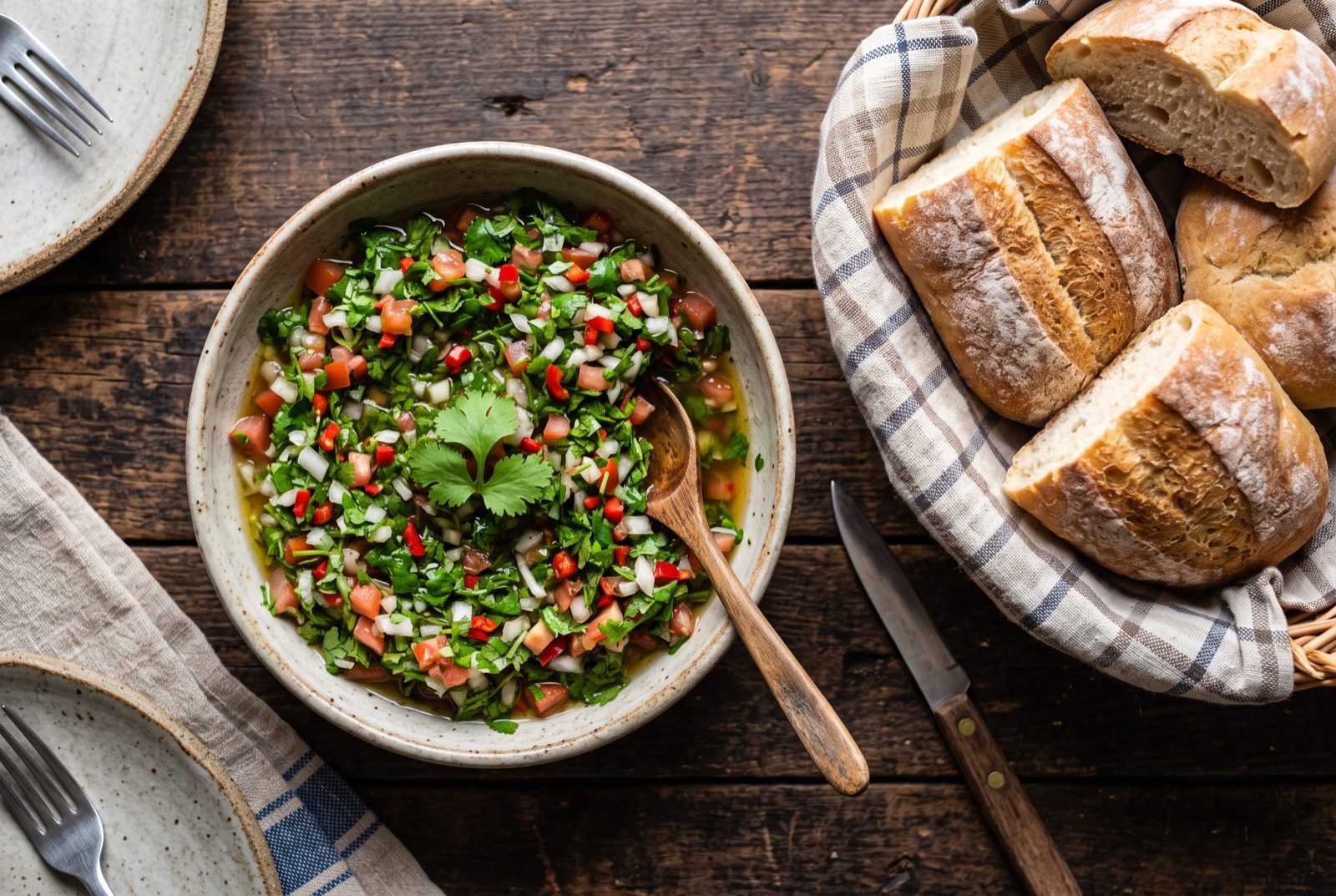
Pebre is chopped, not blended, and that is its whole character. Cilantro, onion, tomato and hot green or red chilli are cut small by hand, then slackened with oil, vinegar, salt and a splash of water until the mixture pours off a spoon rather than sitting in a mound. It is fresh, sharp, herbal and as hot as you decide to make it, and it functions less as a condiment than as a fixture: a bowl of it goes on the table at the start of a meal alongside the bread, and whatever else arrives afterwards gets a spoonful. Half an hour of standing before serving is the only technique involved, and it matters more than anything else you do.

- Gate
- ChileNationwide
- Prep
- 15 min
- Cook
- 0 min
- Total time
- 45 min incl. 30 min rest
- Serves
- 6
- Status
- Easy
- Nutrition / serving · estimated
- Calories 90 kcal
- Protein 1 g
- Carbs 4 g
- Fat 8 g
- Fiber 1 g
- Sodium 390 mg
Why this recipe works.
- Everything is knife-cut to a consistent small dice, which is what keeps the relish loose instead of pulpy.
- The onion is rinsed in cold water first, removing the harsh sulphur bite that otherwise takes over the bowl by day two.
- A measured splash of water in the dressing gives pebre its correct spoonable consistency rather than an oily one.
- Covers both the fresh-chilli and merkén routes to heat, and explains what each one does to the flavour.
Ingredients.
9 itemsMain
For the dressing
Equipment
- Sharp knife
- Chopping board
- Serving bowl with a lid or cover
Instructions.
Tame the onion
Dice the onion as small as you can manage, then tip it into a sieve and rinse under cold running water for a minute. Shake it dry and press it briefly in a cloth — it should still be crisp but no longer smell aggressive when you hold it close.
Chop the herbs and tomato
Chop the cilantro leaves and thin stems finely with a sharp knife, using a slicing rather than a rocking motion so the leaves are cut instead of crushed. Seed the tomatoes and dice them to roughly the same size as the onion so everything sits evenly in the bowl.
Tip Discarding the tomato seeds and jelly keeps the pebre from turning into a watery pool by the time it reaches the table.
Mix and dress
Combine the onion, cilantro, tomato, chilli and garlic paste in a bowl. Add the olive oil, vinegar, water and salt, and stir gently until everything is coated and the mixture is loose enough to fall from a tilted spoon.
Rest before serving
Cover and leave at room temperature for at least 30 minutes. The salt will draw juice from the tomato and onion, the raw edge of the garlic will soften, and the liquid at the bottom of the bowl will turn faintly orange from the chilli.
Taste and correct
Stir, taste, and adjust: more salt if it tastes flat, more vinegar if it does not make you sit up, more chopped chilli if the heat has faded into the background. Serve in a shallow bowl with a spoon and put the bread next to it.
Tips from our kitchen.
- Chop by hand. A food processor bruises the cilantro and turns the whole bowl into a dull green purée within seconds.
- Rinse the diced onion under cold running water for a minute and drain it well — it stays crisp and loses the raw burn.
- Use the cilantro stems as well as the leaves; they are more aromatic than the leaves and hold their texture in the dressing.
- Seed the chilli if you want the flavour without much heat, and taste a sliver raw before deciding how much to use.
- Let it stand at least 30 minutes before serving so the salt draws out the tomato juice and the flavours merge.
- Adjust the vinegar last, after it has rested — pebre should taste distinctly acidic, since it is there to cut through rich food.
Substitutions.
- Ají cacho de cabra → A fresh red chilli such as cayenne or Fresno, or 1 tsp merkén
- Fresh chilli gives a sharp, bright heat; merkén gives a smoky, rounder one. Both are correct in Chile, and using a little of each is common in the south.
- Cilantro → Flat-leaf parsley
- For people who taste soap in cilantro. It makes a good relish but not really pebre, since the cilantro is the defining aroma rather than an accent.
- Tomato → Omit it entirely and add a second onion
- The tomato-free version is standard in plenty of Chilean households and keeps considerably better in the fridge.
Variations.
- Chancho en piedra
- The Maule version, pounded in a stone mortar with far more tomato and garlic, producing a coarse pulp eaten piled onto bread rather than spooned over food.
- Pebre con merkén
- Fresh chilli replaced by the smoked, ground Mapuche pepper, which turns the heat smoky and low and tints the whole bowl brick red.
- Pebre de cilantro sin tomate
- Cilantro, onion, garlic, oil and vinegar only. Sharper and more herbal, and the version usually served alongside grilled meat.
Storage & reheating.
Pebre is at its best on the day it is made and holds for 3 days in a sealed jar in the refrigerator, though the cilantro darkens and the onion sharpens as it goes. The tomato-free version keeps noticeably better, up to 5 days. Do not freeze it — the vegetables collapse into a watery mush on thawing and the herb aroma disappears completely. If you want to prepare ahead, chop everything except the cilantro and keep it dressed in the fridge, then stir the herb in half an hour before the meal.
Serve with
Warm marraqueta or hallulla bread, grilled meat, empanadas, sopaipillas, or spooned over a bowl of cazuela.
The story behind Pebre.
The word arrived from Spain, where pebre derives from the Latin for pepper and names a peppery sauce in several regional kitchens, including Catalan cooking. What Chile made of it is specific: an uncooked relish dominated by cilantro and raw onion, with the chilli present but not necessarily dominant. It is the everyday form of a broader Chilean habit of keeping heat off the stove and on the table, so that a mild pot of cazuela and a diner who wants it fiery can coexist without argument.
The chilli of reference is the ají cacho de cabra, the long red goat's-horn pepper grown across central and southern Chile. Dried and smoked over hardwood, then ground with toasted coriander seed and salt, the same pepper becomes merkén — a preparation developed in Mapuche kitchens in La Araucanía and now sold nationally, one of the few genuinely indigenous Chilean seasonings to have reached the international spice trade under its own name. A pinch of it in pebre gives a smoky, low heat quite different from the bright bite of fresh chilli, and southern cooks often use both.
Pebre has close relatives worth keeping straight. Chancho en piedra, from the Maule region, is a tomato-heavy version pounded in a stone mortar — the name refers to the crushing, not to pork — and it comes out coarse and pulpy rather than loose and chopped. Salsa verde and ají chileno are further variations along the same axis, some with tomato and some without, some closer to a chilli paste. Chileans argue about whether tomato belongs in real pebre at all, and the honest answer is that both versions are made in ordinary households across the country. What nobody disputes is that it should be chopped by knife: a food processor turns it into a green slurry that tastes flat and looks worse.
Questions, answered.
How spicy is pebre supposed to be?
That is entirely up to the cook, and Chilean pebre spans everything from barely warm to genuinely fierce. Because it sits on the table rather than in the pot, it is usually made moderately hot so that everyone can use it. Start with one seeded chilli for a bowl serving six, taste after it has rested, and add more finely chopped chilli if it needs it.
What is merkén and how is it different from chilli flakes?
Merkén is a Mapuche seasoning from La Araucanía in southern Chile: ají cacho de cabra peppers dried, smoked over wood, and ground with toasted coriander seed and salt. Unlike plain chilli flakes it carries smoke and a distinct coriander note, and its heat is moderate and slow rather than sharp. A teaspoon in pebre changes the character of the whole bowl.
Does real pebre contain tomato?
Both versions are traditional and both are made in Chilean homes. Cilantro, onion, garlic, oil and vinegar form the base everyone agrees on; tomato is an addition that some families consider essential and others leave out entirely. The tomato-free version is sharper, more herbal and keeps longer, while the tomato version is milder and juicier.
Can I make pebre in a blender to save time?
You can, but it stops being pebre. Blades bruise the cilantro and release enough liquid from the tomato and onion to produce a thin green purée with a flat, slightly bitter taste. The whole appeal of the relish is distinguishable pieces of onion, herb and tomato suspended in a loose dressing, and only a knife gives you that.
What do Chileans actually eat pebre with?
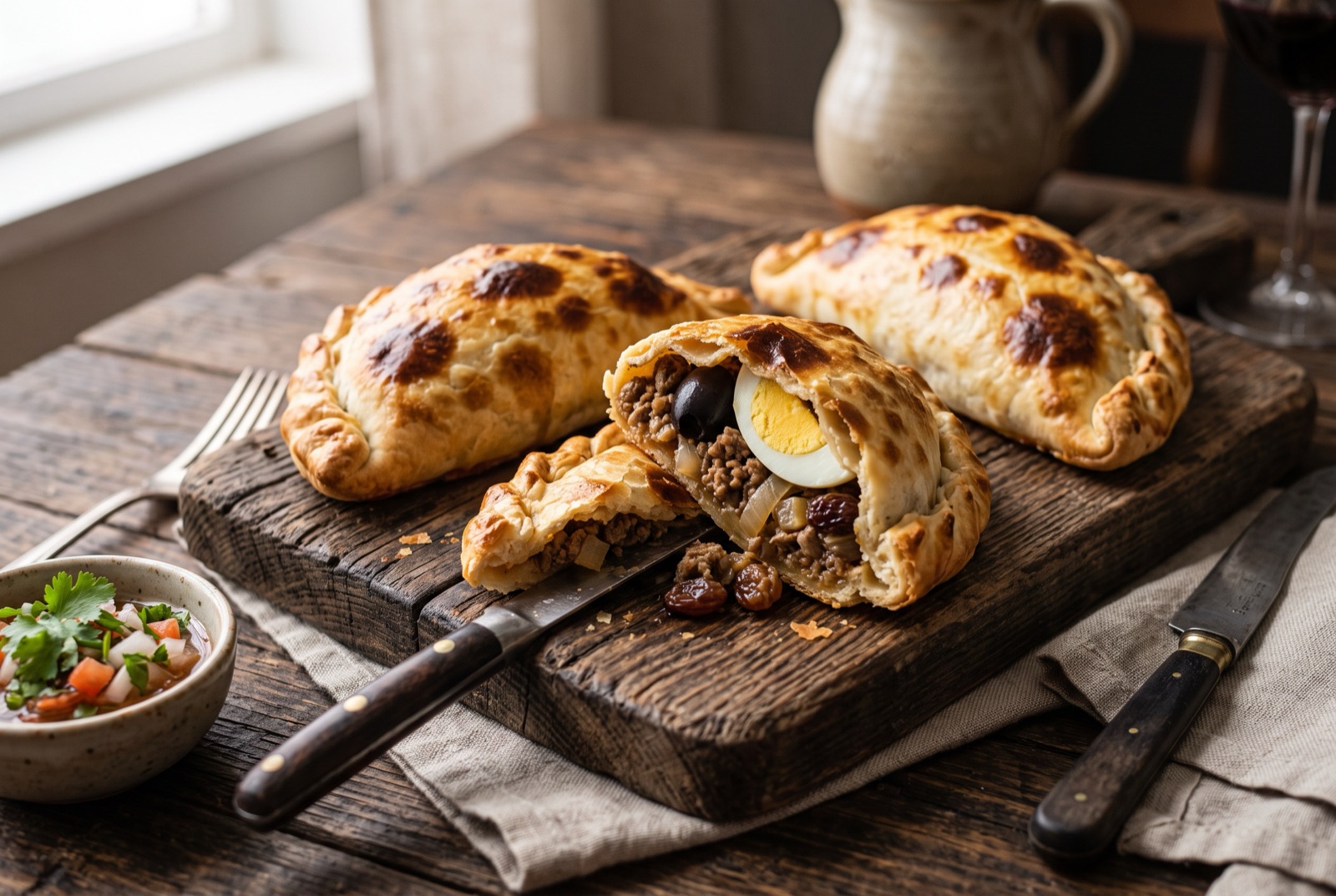
Bread, first of all — a bowl arrives with the bread basket before anything else is served. After that: grilled meat, empanadas, sopaipillas, boiled potatoes, completos, and spooned into soups like cazuela by anyone who wants them livelier. It is treated as a default table condiment in the way that mustard or hot sauce is elsewhere.
You might also like.
All recipes →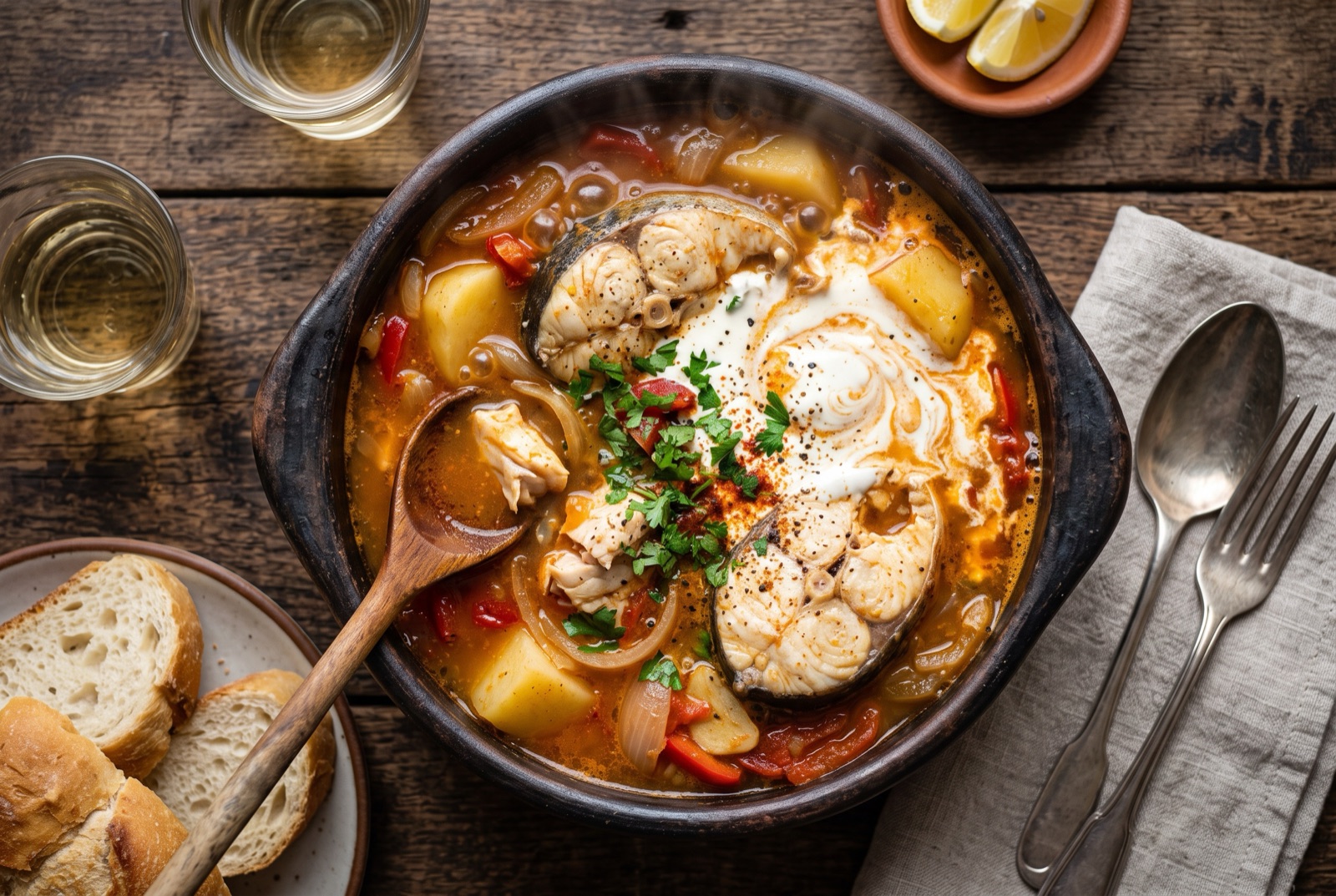
Keep exploring Chile.
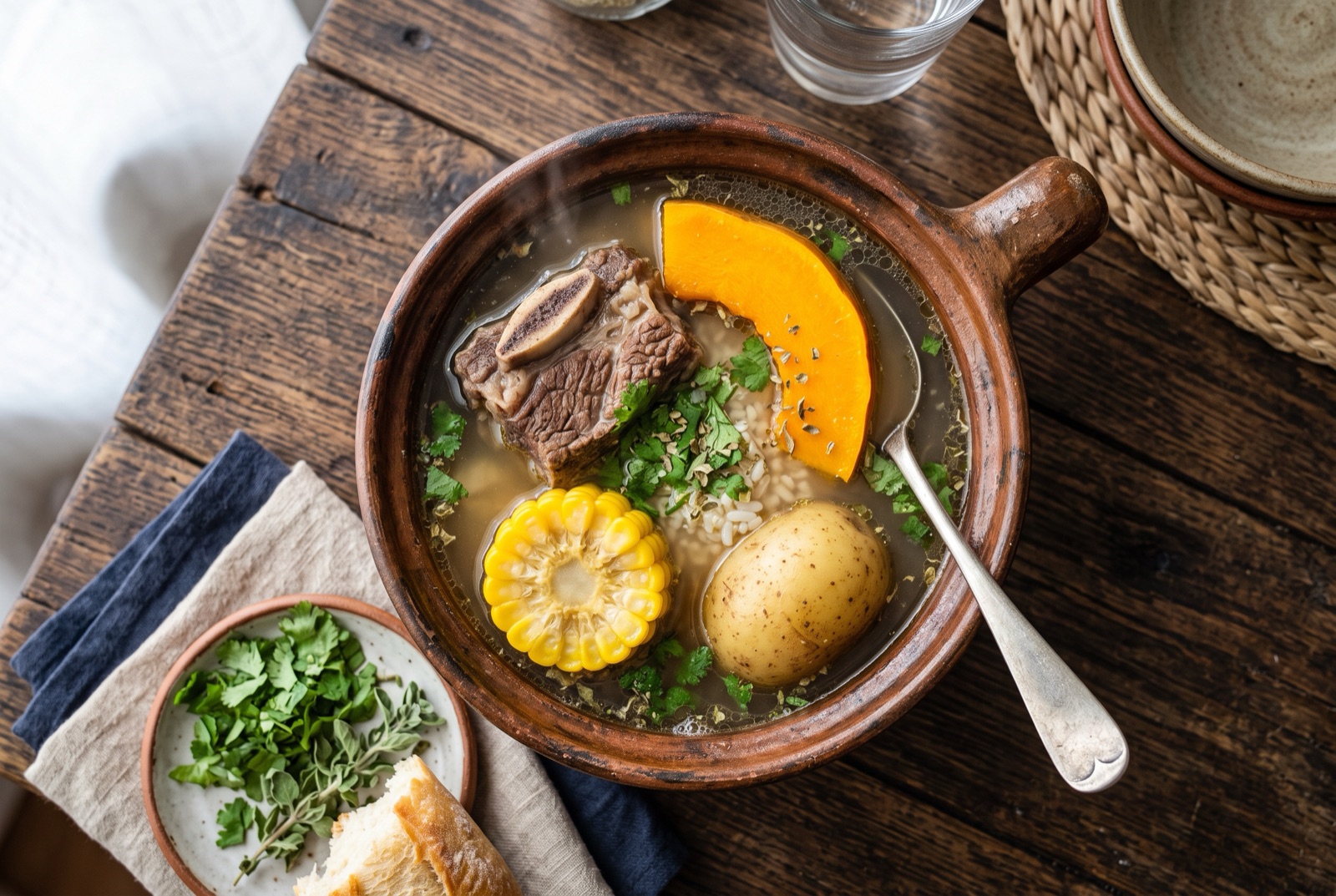
Chile has 9 more dishes in the atlas — Caldillo de Congrio and Cazuela de Vacuno, and 7 more.
All Chile recipes Cilantro recipes Onion recipes Tomato recipes sauceveganvegetariangluten freedairy freeRecipe by The DishRoute Kitchen · published August 20, 2026 · updated August 20, 2026