Guatemala.
Guatemala
Guatemalan cooking is built on the comal and the grinding stone. Before anything is stewed, something is toasted dry on a hot clay or steel griddle — pumpkin seeds, sesame, dried chiles, whole tomatoes and onions blackened in their skins — and only then ground into the thick, brick-coloured sauces called recados that hold the cuisine together. The result is a kitchen that tastes of smoke and toasted seed rather than of raw chile heat: most Guatemalan food is mild, and the fire is kept on the table in a bowl of salsa where each person can take as much as they want. Corn is the other half of the identity, nixtamalised and pressed into tortillas that arrive wrapped in cloth at every meal and are used as spoon, plate and bread at once. Layered over that Maya foundation are Spanish additions — pork, beef, olives, capers, wheat bread, cinnamon — absorbed so thoroughly that dishes like pepián are genuinely mestizo rather than one tradition wearing another's clothes.

- Continent
- North AmericaCentral America
- Recipes in atlas
- 10
- Must-try dishes
- 3
- Pantry staples
- 10
Start with the classics.
Must tryThe dishes that explain the Guatemala kitchen fastest — if you cook only a few things from this page, cook these.
Inside the Guatemala kitchen.
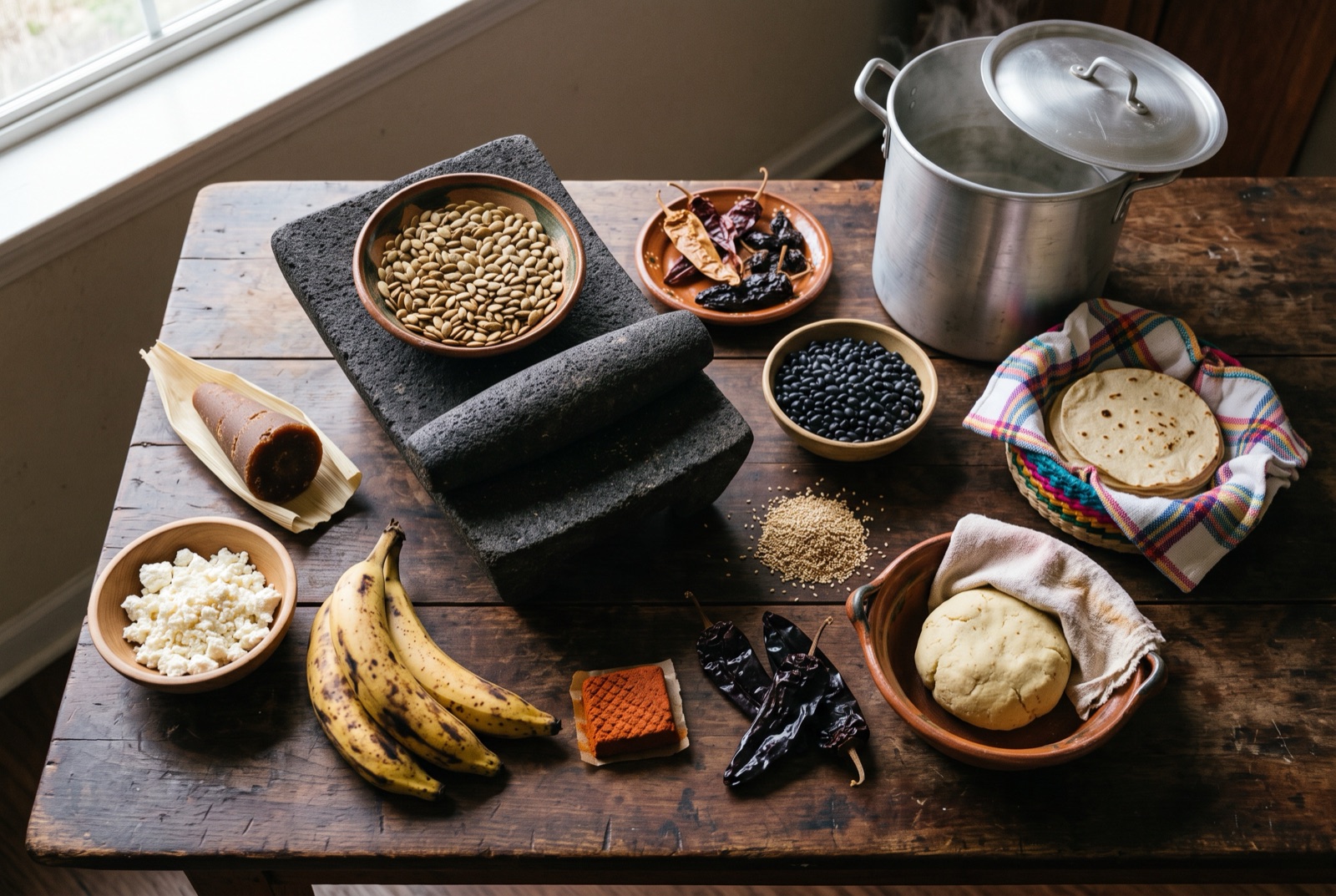
Everything starts with the recado, the ground sauce base that gives a Guatemalan dish its name and colour. Cooks toast the aromatics dry: pumpkin seeds (pepitoria) and sesame until they pop and smell of popcorn, dried guaque, pasa and cobanero chiles until they darken and turn fragrant without going bitter, then whole tomatoes, tomatillos, onion and unpeeled garlic on the same comal until their skins blister black. All of it goes into a blender or onto a grinding stone with a little broth, and comes out as a thick paste that is fried in fat until it darkens and the oil breaks at the edges. That frying step is the doneness signal that separates a finished sauce from a raw one, and it is the same instinct whether the cook is making pepián, hilachas, jocón or a red tamal recado.
Corn is treated with more care here than almost anywhere. Dried kernels are simmered with lime, rinsed and ground into masa; that masa becomes tortillas patted by hand and slapped onto the comal, the small steamed tamalitos that come alongside soup, the fat tamales wrapped in banana leaf on weekend nights, and the drinks — atoles — that are thickened with corn and drunk from a mug rather than eaten. Black beans are the daily partner: simmered whole in their broth as frijoles parados, blended and fried down into thick frijoles volteados, or sweetened with cinnamon and turned into dessert filling.
The meat is mostly chicken, pork and beef, but the technique is more interesting than the cut. Beef is boiled until it can be pulled into threads and then returned to a tomato sauce; chicken is poached and its broth becomes the liquid for the recado; turkey appears in the ceremonial Q'eqchi' soup kaq ik. Frying is done in modest amounts of oil or lard, and rich stews are almost always served over plain white rice with tortillas on the side to catch what the spoon misses.
Regional cooking splits along altitude and coastline. The western highlands around Quetzaltenango and Sololá cook with more chile and more corn, and keep the strongest Maya foundations. Cobán in the northern cloud forest grows the smoky little chile cobanero and cardamom, and makes food unlike anywhere else in the country. The Caribbean coast around Livingston belongs to the Garífuna, who cook with coconut milk, cassava and fish in a style with far more in common with Belize and Honduras than with Guatemala City. The Pacific lowlands lean tropical and sweet: plantain, mango, cashew fruit and seafood.
Sweetness is handled quietly. Guatemalan desserts are mostly fruit cooked in syrup with cinnamon and panela — the unrefined cane sugar sold in hard brown cones — or fried things dusted with sugar, like rellenitos and buñuelos. Dairy is limited to a few salty fresh cheeses that get crumbled over food rather than melted into it, which is why so many dishes taste rich without ever tasting creamy.
Signature pantry.
10 staplesThe ingredients this cuisine cannot function without.
- pepitoria (toasted pumpkin seeds)
- sesame seeds
- guaque and pasa chiles
- chile cobanero
- black beans
- corn masa
- achiote
- ripe plantain
- queso seco
- panela
How people eat in Guatemala.
Lunch is the real meal, eaten in the early afternoon, and it usually runs soup or a broth-heavy first plate, then a main served over rice with a stack of warm tortillas in a cloth. The tortillas are the utensil: you tear, fold and pinch with them, and a table without them feels unfinished. Chile is not cooked into most dishes — a bowl of chirmol or a jar of chile sauce sits on the table so each person seasons their own plate. Saturday night is tamal night in many households, with the family gathered while the pot steams, and the leftovers reheated for Sunday breakfast alongside eggs and beans. Guests are given the largest portion without discussion, and refusing a second serving usually requires refusing twice.
Regional kitchens.
Guatemala cooks 4 distinctly different ways depending on where you stand — here is what changes between them.
- R1The Western Highlands
- Quetzaltenango, Sololá and the villages around Lake Atitlán, where Maya kitchens keep the oldest techniques alive. Cooking here leans on corn, toasted seeds and dried chiles, with more heat than the capital allows.
- R2Cobán and the Verapaces
- Cloud-forest country and the home of chile cobanero, a small smoke-dried chile with no real substitute. Q'eqchi' Maya cooking here produced kaq ik, the scarlet turkey soup served at ceremonies and celebrations.
- R3Guatemala City and Antigua
- The mestizo heartland, where Spanish colonial ingredients — pork, olives, capers, wheat bread, cinnamon — merged with Maya recados. Chiles rellenos in a bread roll and Saturday tamales are city habits before they are national ones.
- R4The Caribbean Coast
- Livingston and Puerto Barrios, where the Garífuna cook a coconut-milk cuisine of fish, cassava and plantain. Tapado, a coconut seafood stew, tastes closer to Belize and Honduras than to anything inland.
All Guatemala recipes.
10 recipes and counting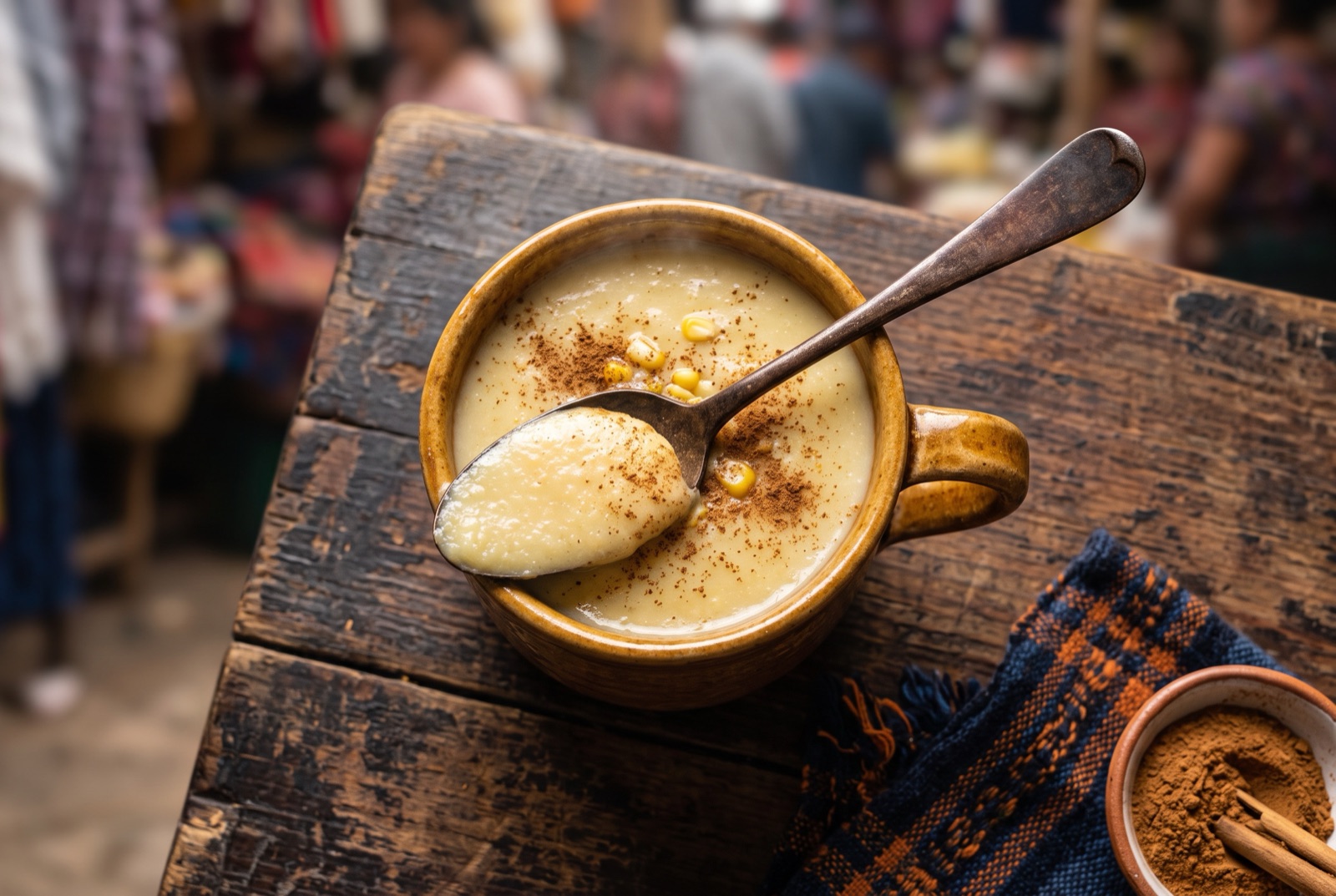
Guatemala35 min
Atol de Elote
Guatemalan Sweet Corn Drink
Guatemala1 hr 25 min
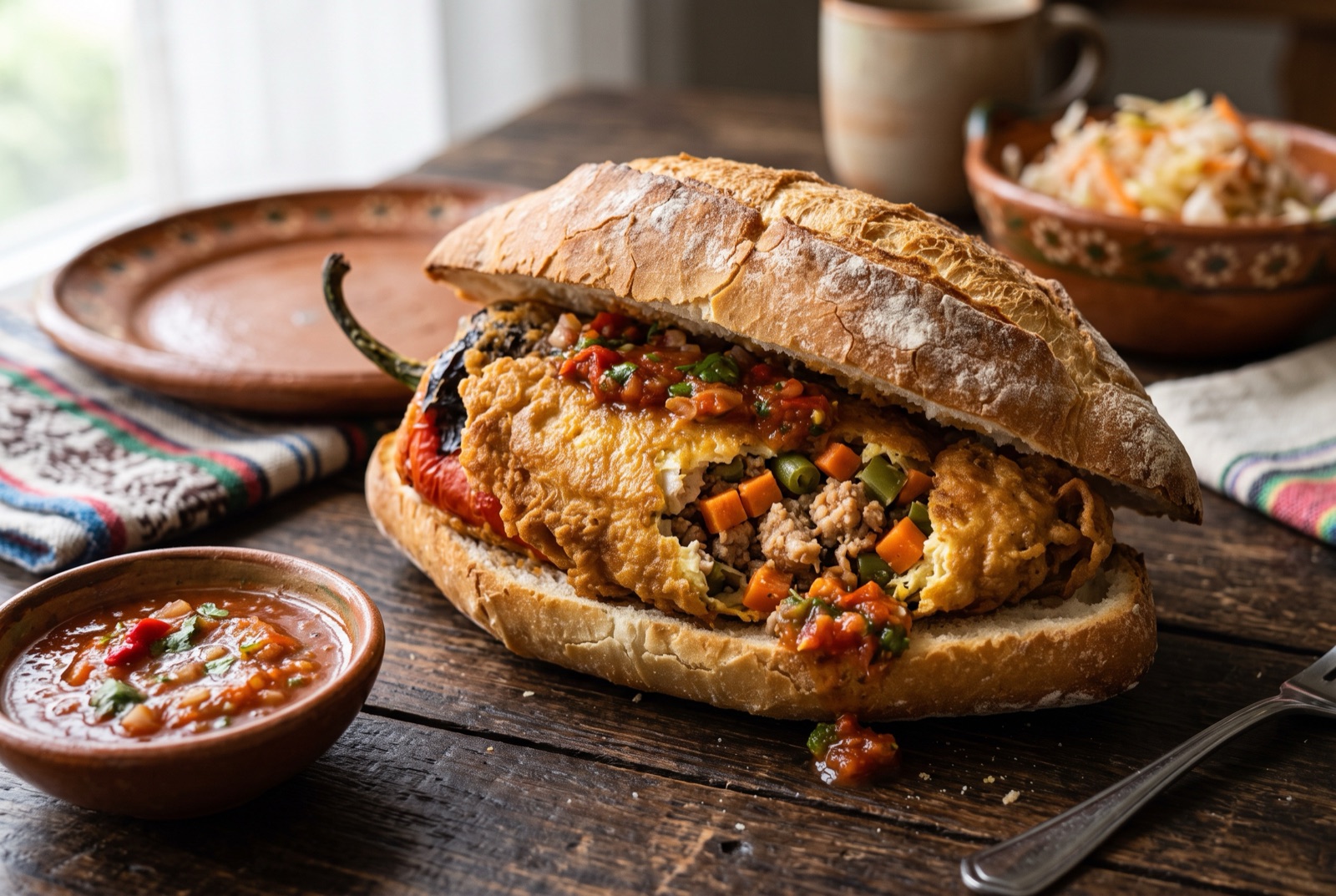
Chiles Rellenos Guatemaltecos
Stuffed Peppers in Egg Batter
Guatemala42 min
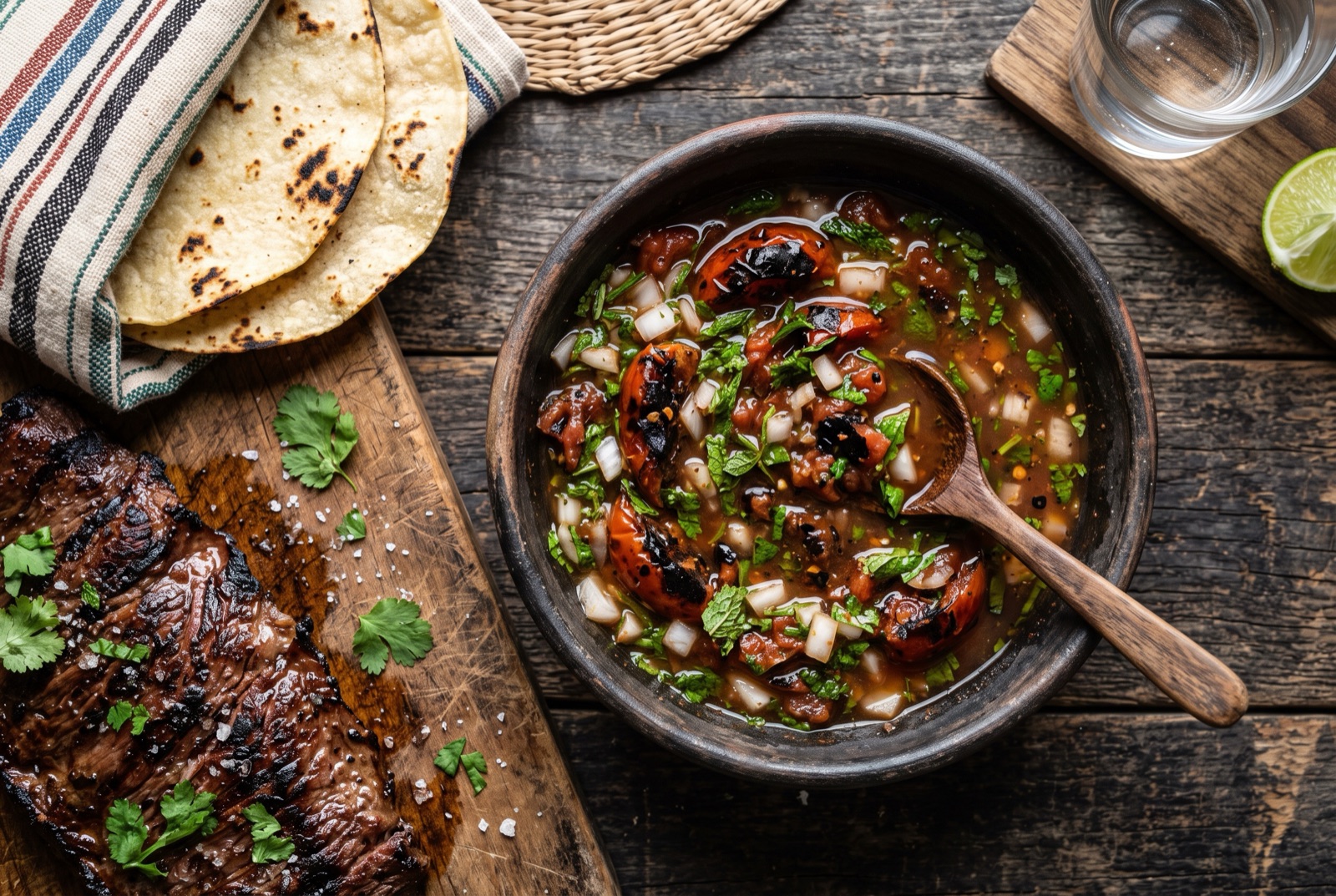
Chirmol
Guatemalan Charred Tomato Salsa

Guatemala35 min
Frijoles Volteados
Guatemalan Flipped Refried Black Beans
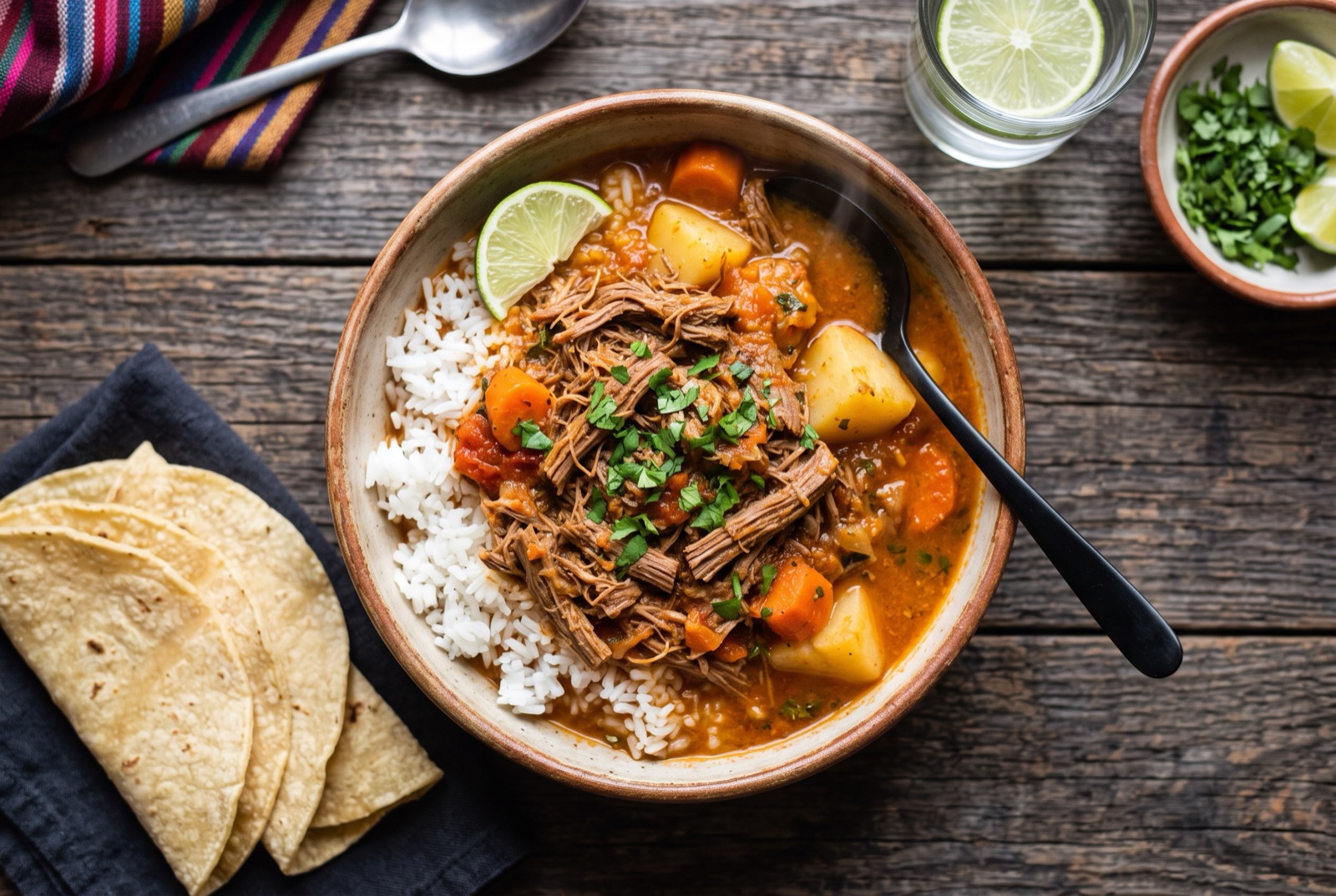
Guatemala2 hr 20 min
Hilachas
Guatemalan Shredded Beef in Tomato Sauce
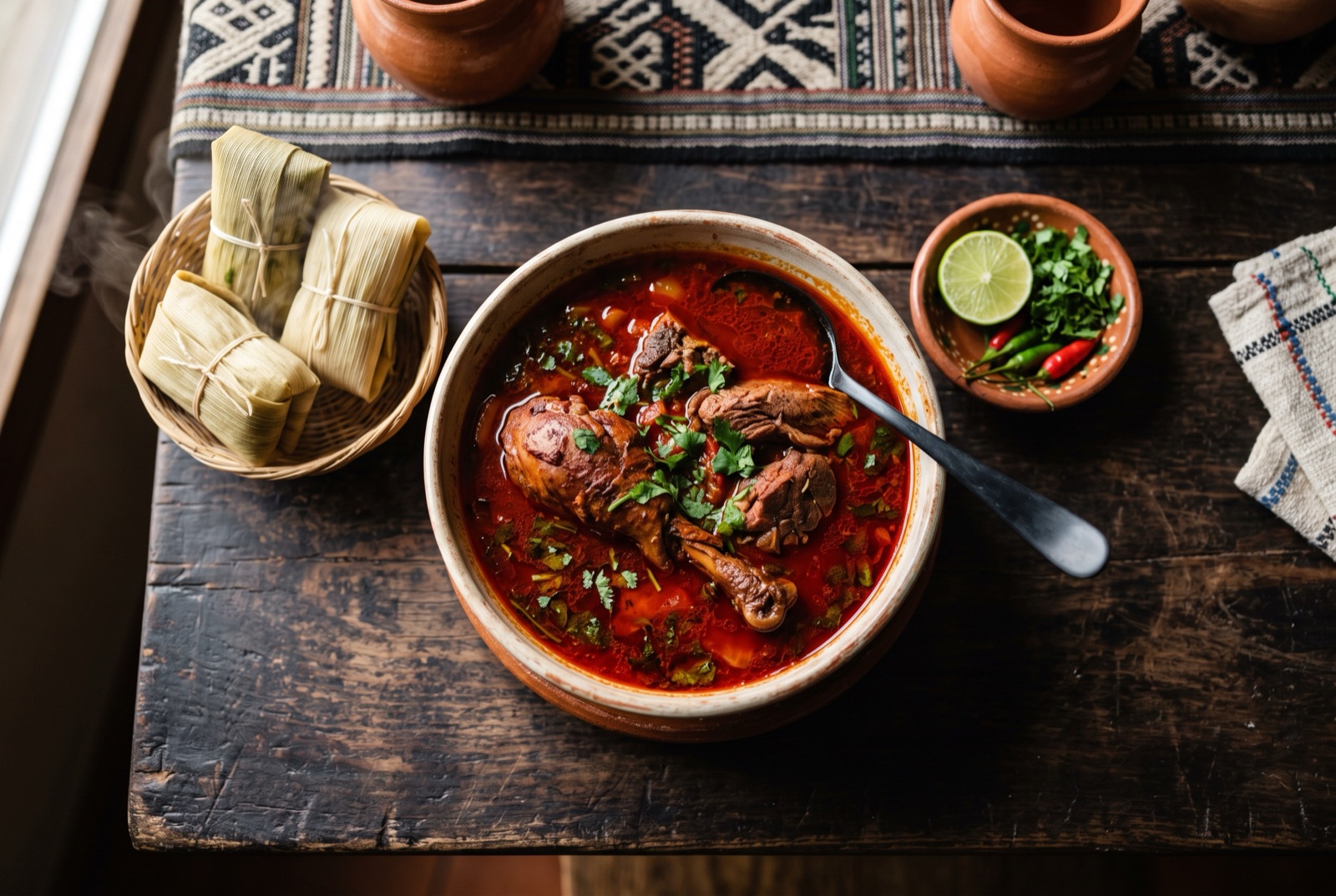
Guatemala2 hr
Kaq Ik
Q'eqchi' Maya Turkey and Chile Soup
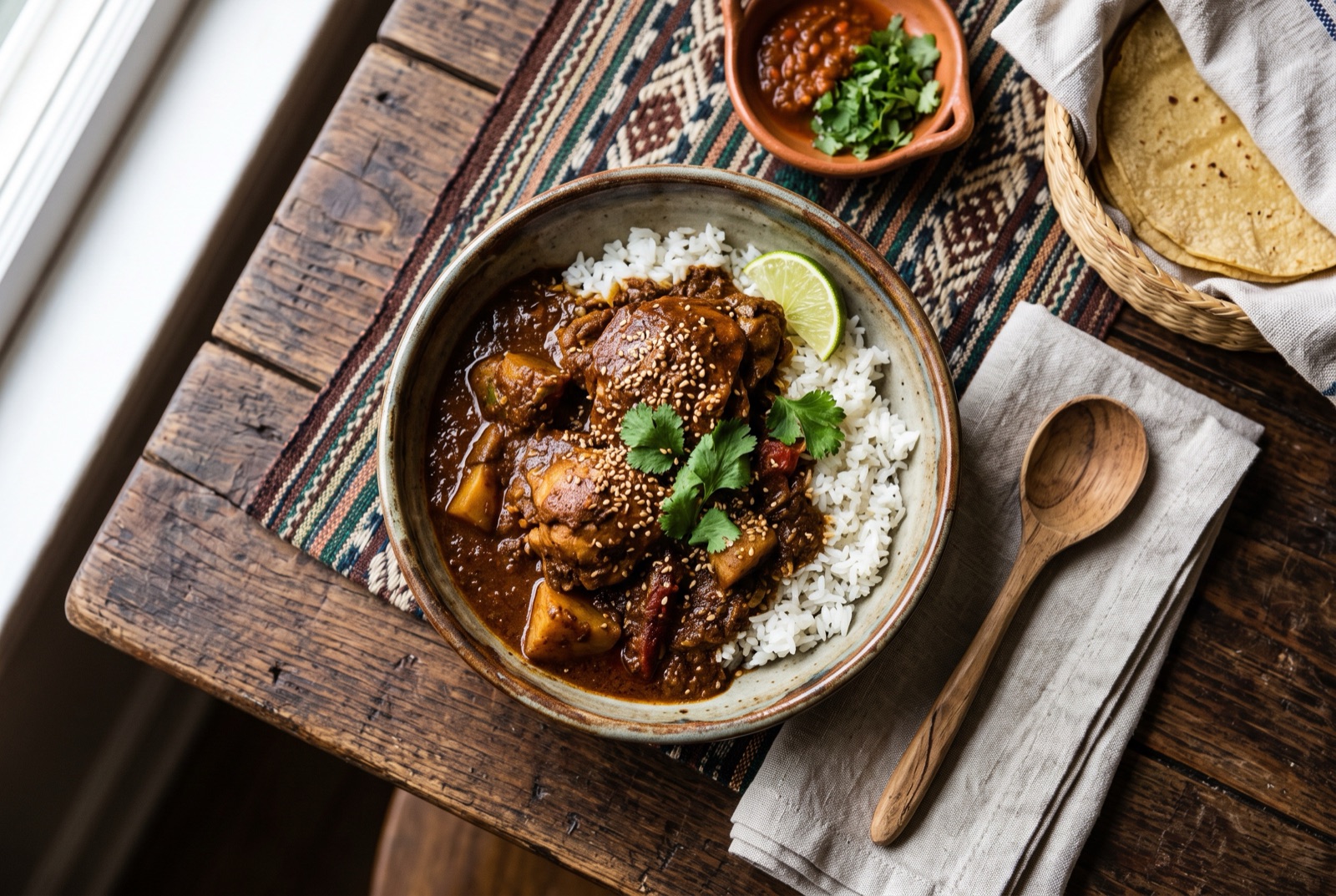
Guatemala1 hr 30 min
Pepián
Guatemalan Toasted Seed and Chile Stew
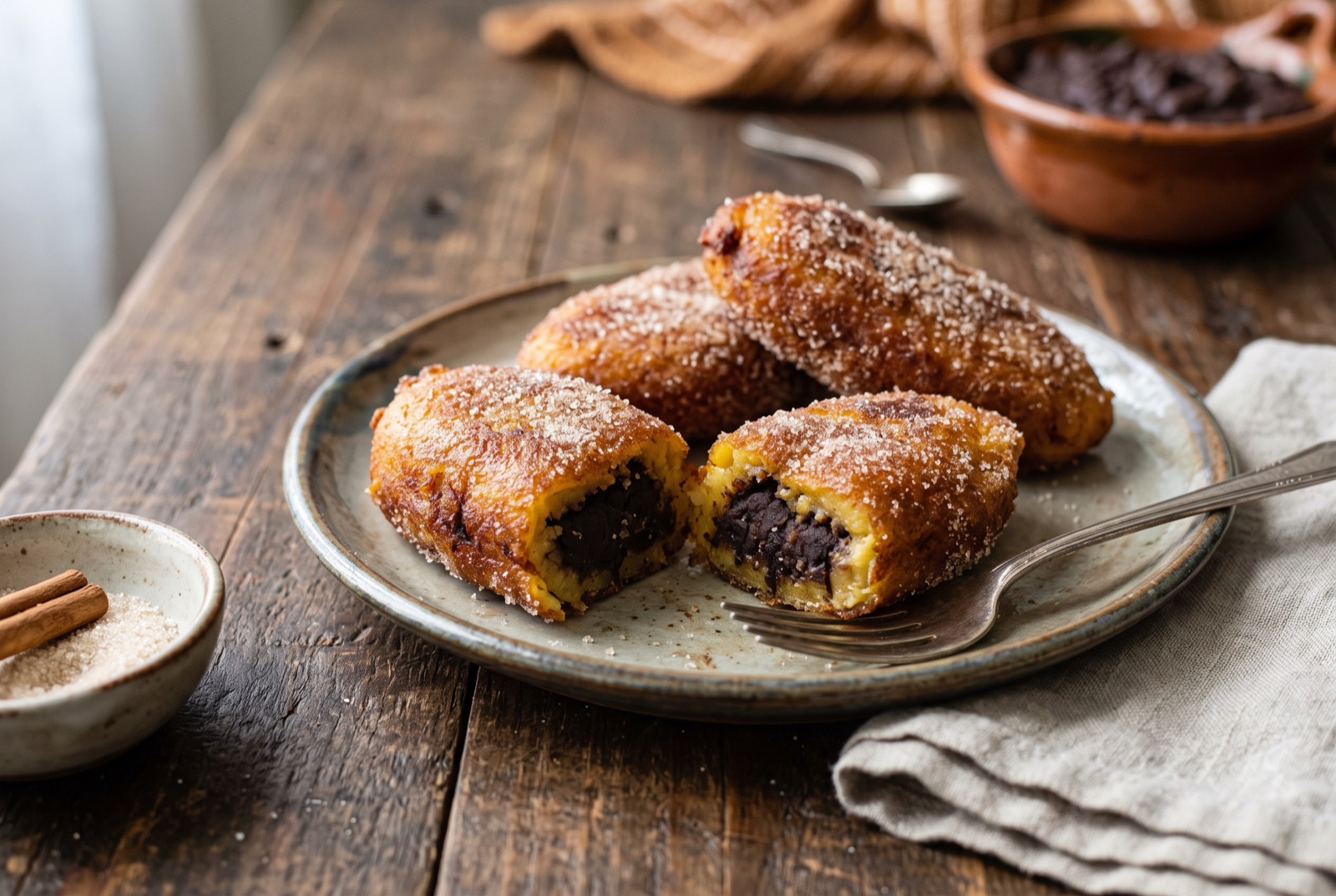
Guatemala1 hr 10 min
Rellenitos de Plátano
Plantain Croquettes with Sweet Beans
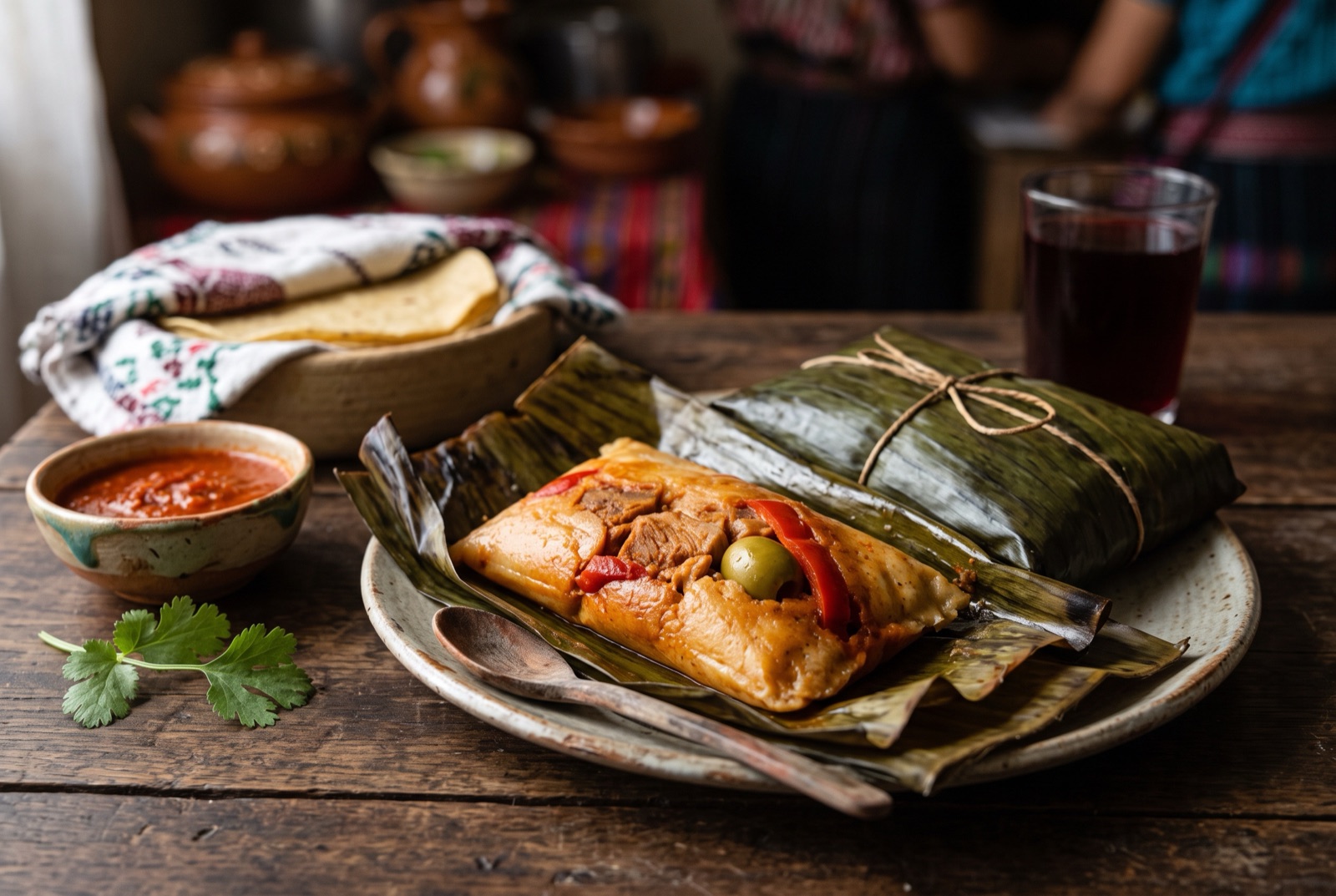
Guatemala4 hr 20 min
Tamales Colorados
Guatemalan Red Masa Parcels
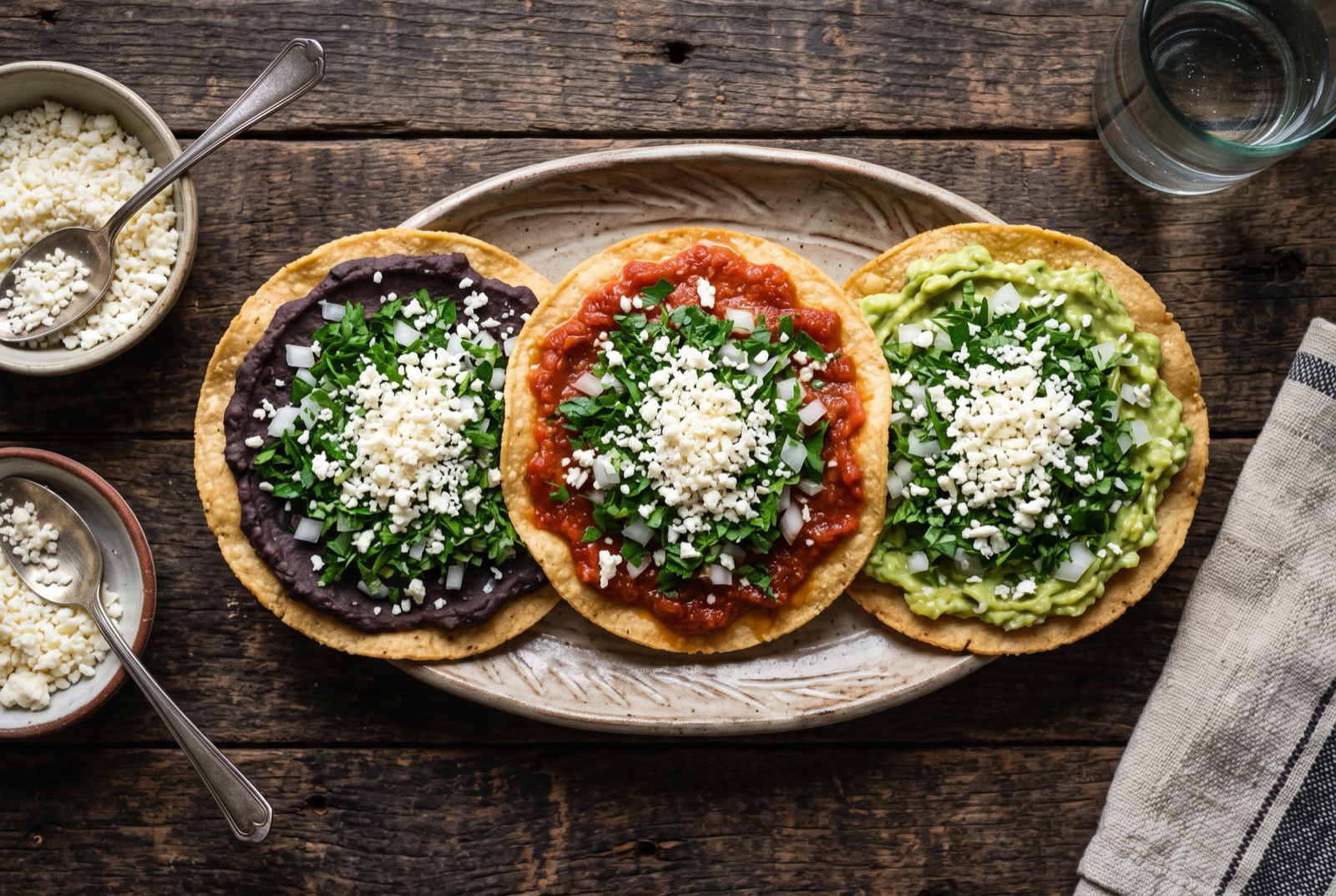
Guatemala55 min
Tostadas Guatemaltecas
Crisp Tortillas with Three Toppings
Keep traveling.
Guatemala sits in Central America, and its kitchen shares borders as well as ingredients with Canada and Costa Rica.
 Canada
 Costa Rica