Costa Rica.
Costa Rica
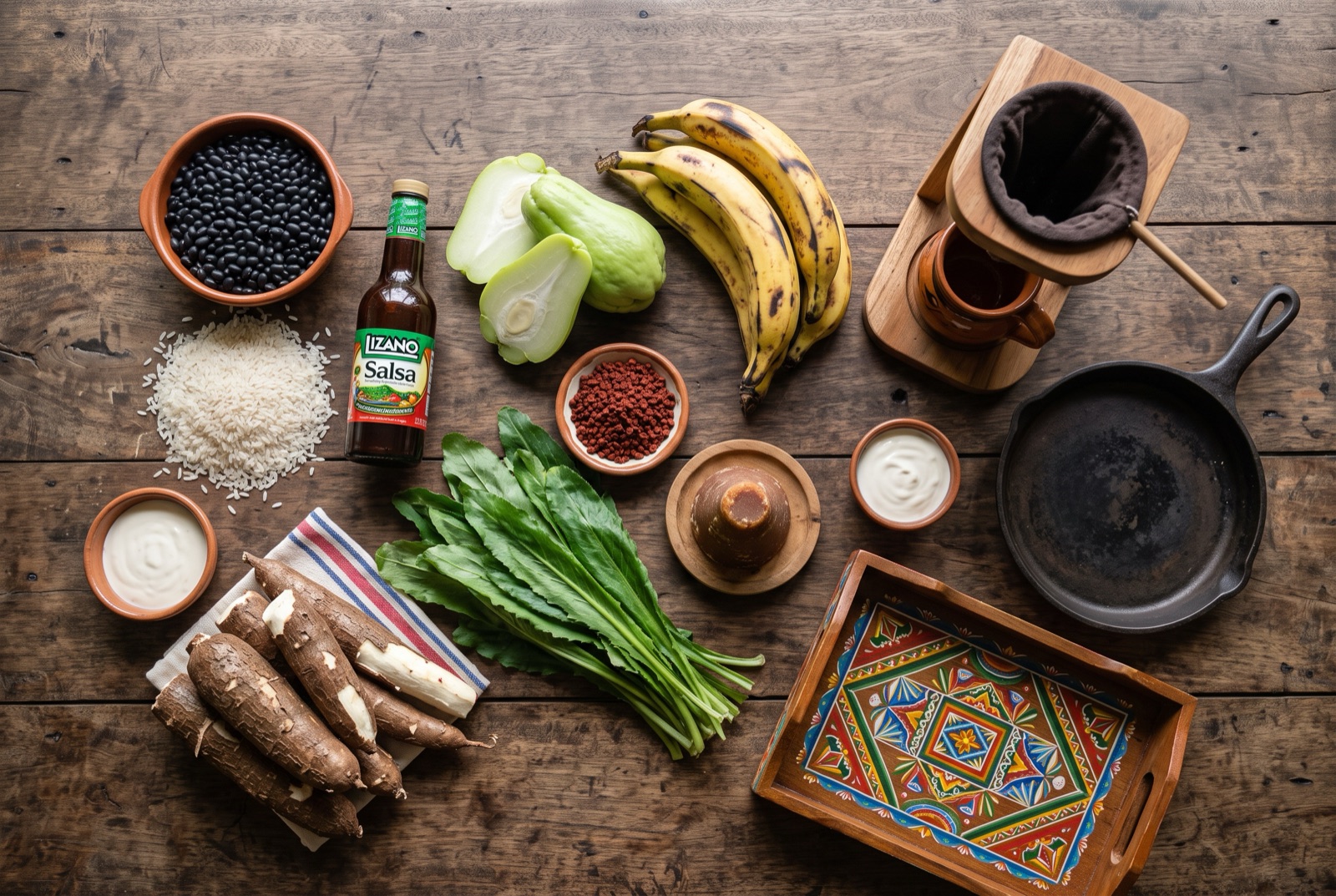
Costa Rican cooking is the quiet one in Central America. There is no chile heat to speak of, no mole-scale spice cabinet, no deep-fried street canon — what Ticos build instead is a plate of separate, clearly seasoned components that add up to a full meal: rice, black beans, something fried, something raw and shredded, something stewed, and a protein. The seasoning vocabulary is small and used constantly — onion, sweet pepper, garlic, celery, coriander leaf, culantro coyote, achiote for colour, and Salsa Lizano, a thin brown vegetable sauce that has been made in the country since the 1920s and functions as a national condiment the way soy sauce does in Japan. Vegetables matter more here than in neighbouring cuisines: chayote, yuca, tiquisque, ñampí and green plantain show up daily, not as garnish. The result is food that tastes clean and homely rather than dramatic, and that a Tico will happily eat twice a day for life.

- Continent
- North AmericaCentral America
- Recipes in atlas
- 10
- Must-try dishes
- 3
- Pantry staples
- 10
Start with the classics.
Must tryThe dishes that explain the Costa Rica kitchen fastest — if you cook only a few things from this page, cook these.
Inside the Costa Rica kitchen.
The engine of almost every savoury dish is the same aromatic base Ticos simply call olor — literally "smell". It is onion, sweet red pepper, garlic, celery and coriander, sometimes with a leaf of culantro coyote (a long-leaf relative of coriander with a far stronger perfume), chopped fine and softened in oil until translucent and fragrant. Restaurants and home cooks buy it pre-chopped in bags. Add achiote for colour, and you have the flavour signature of gallo pinto, picadillos, arroz con pollo and half the country's stews. Chile is almost absent: a bottle of pickled chile panameño sits on the table for the few who want it, and the cooking itself stays mild.
Rice and black beans are the structural constants. Rice is cooked dry and separate, grain by grain, usually with a little garlic and oil. Beans are simmered soft with onion and coriander and served either drained on the plate or soupy in their own broth. Combine yesterday's rice with today's beans in a hot pan and you get gallo pinto, eaten at breakfast across every social class. What separates Costa Rican beans from Nicaraguan ones is the finish: Lizano goes into the Tico pan, giving the mix a faintly sweet, cumin-and-vegetable tang that Nicaraguans, who use red beans and no Lizano, consider a corruption. The rivalry over who invented gallo pinto is real and unresolved.
The root vegetables are the part visitors underestimate. Yuca (cassava), chayote, tiquisque, ñampí, camote and green plantain are boiled, fried, mashed and stewed constantly. Olla de carne — beef simmered until the broth is deep and gelatinous, with each root added at its own moment so nothing collapses — is the Sunday expression of this. Green plantain becomes patacones, ripe plantain becomes the sweet fried maduros that sit beside almost every lunch, and chayote gets diced into picadillo so fine it can be scooped into a warm tortilla.
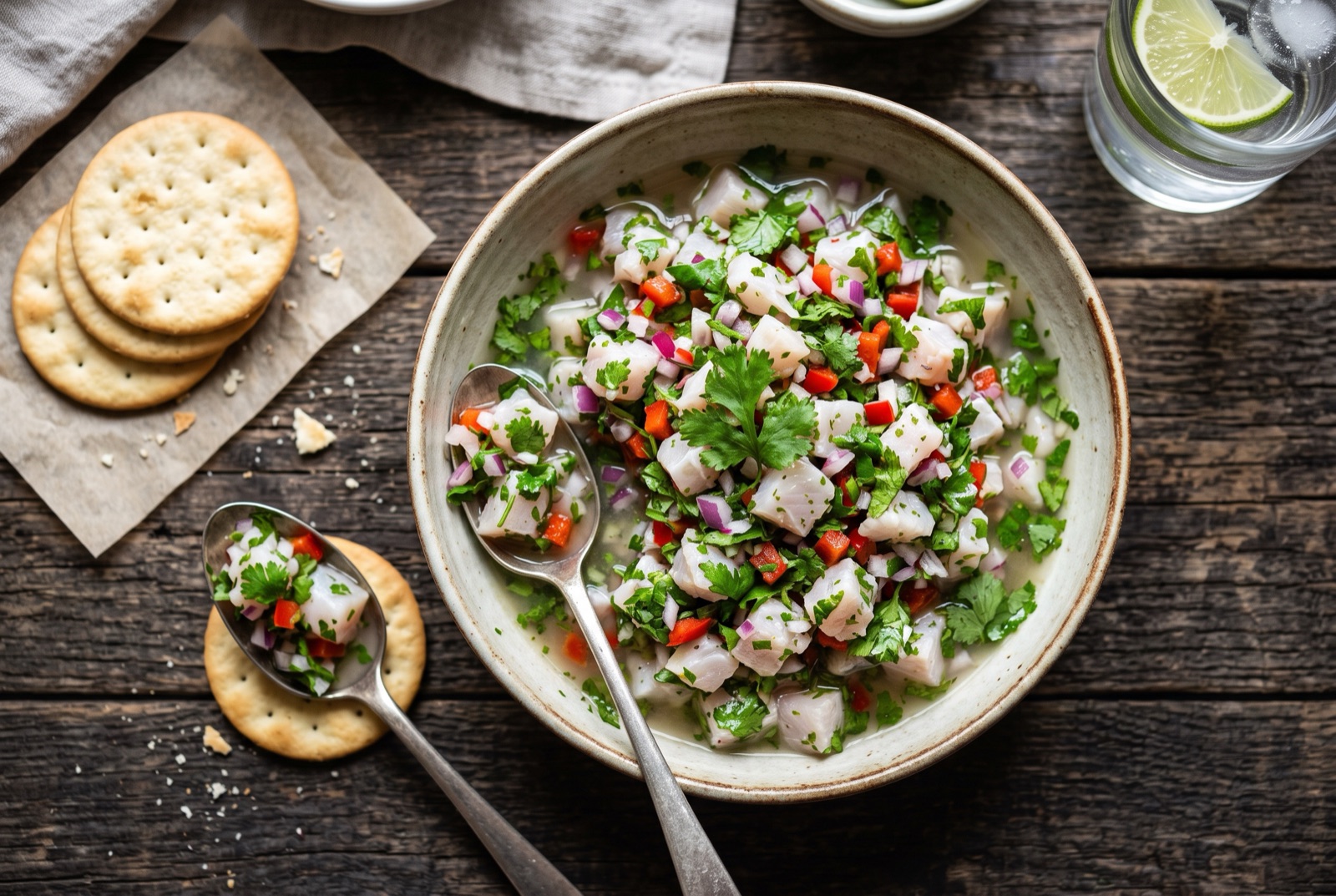
Meat is used in modest quantity and long cooking. Pork shoulder becomes chicharrón; beef shin and ribs go into the pot; chicken is shredded through rice. Fish is a coastal story rather than a national one — ceviche of corvina, cured in lime with sweet pepper and mountains of coriander, is milder and finer-diced than its Peruvian cousin and is eaten with soda crackers rather than sweet potato.
Regional difference is smaller than in Mexico or Guatemala, but it exists. The Central Valley sets the national standard — casados, olla de carne, tamales, agua dulce. Guanacaste in the dry northwest is corn country: chorreadas, tanelas, and the fermented corn drink chicha. And the Caribbean province of Limón cooks a different cuisine altogether, brought by Afro-Caribbean workers from Jamaica in the late nineteenth century: rice and beans cooked in coconut milk, rondón (a coconut seafood stew), pan bon and Scotch bonnet heat that the rest of the country would find alarming.
Signature pantry.
10 staplesThe ingredients this cuisine cannot function without.
- black beans
- rice
- Salsa Lizano
- chayote
- plantain
- achiote
- culantro coyote
- tapa dulce (unrefined cane sugar)
- natilla (cultured sour cream)
- yuca
How people eat in Costa Rica.
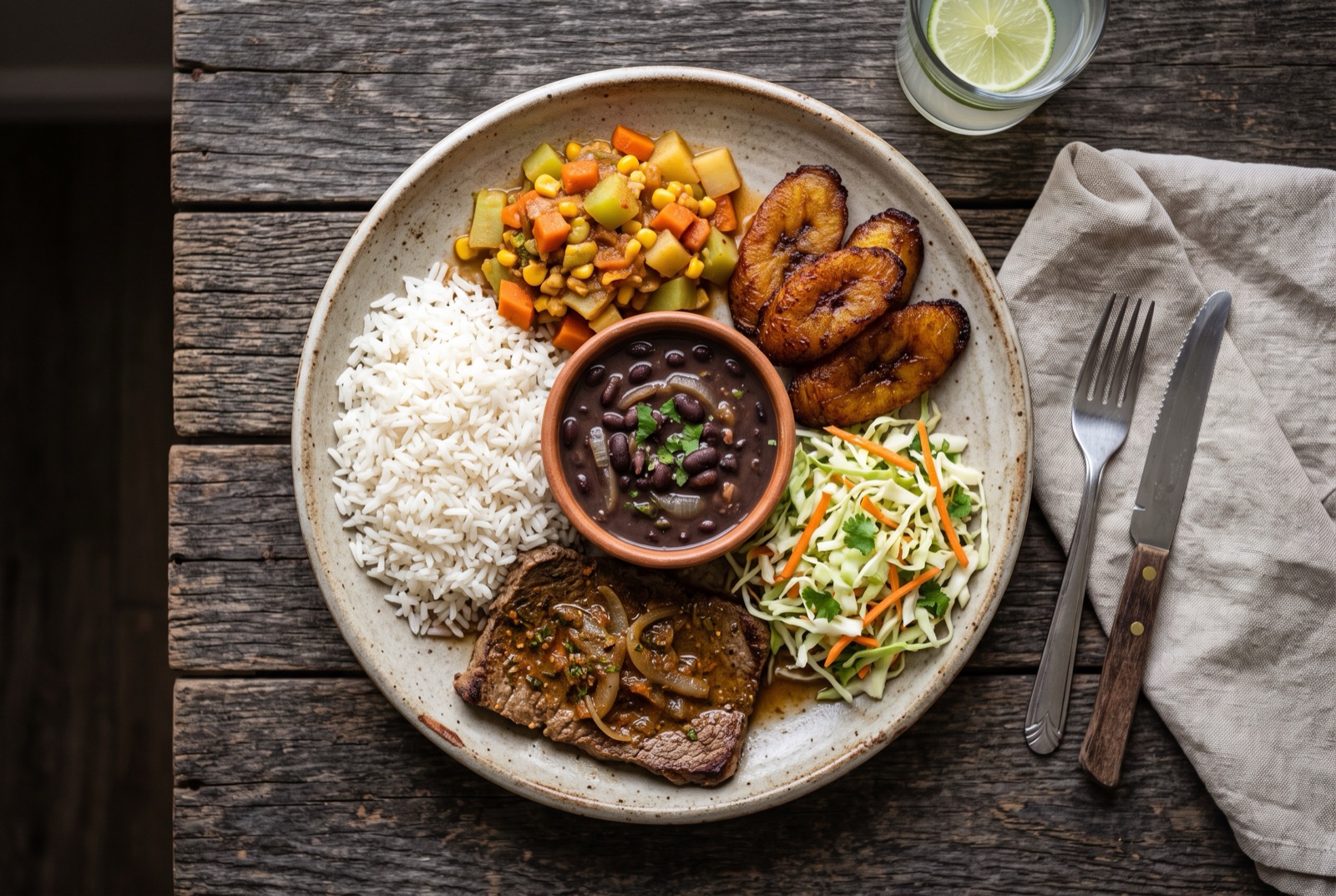
Lunch is the real meal and it happens early, usually between eleven and one, most often as a casado at a soda — the small family-run diners that function as neighbourhood canteens. The plate arrives all at once with the components kept separate rather than mixed, and mixing them is the diner's job, bite by bite. Breakfast is gallo pinto with egg and coffee, eaten at home before work; dinner is lighter, often the same pinto again. Coffee at three in the afternoon with a sweet bread is close to institutional. Bottles of Salsa Lizano and pickled chile stand on the table for each person to adjust their own plate, and asking for a dish to be made spicy in the kitchen is unusual. Meals end without ceremony, but nobody leaves the table before the coffee.
Regional kitchens.
Costa Rica cooks 4 distinctly different ways depending on where you stand — here is what changes between them.
- R1Central Valley (San José, Cartago, Heredia)
- The reference kitchen of the country: casados, olla de carne, Christmas tamales and agua dulce. Also the birthplace of chifrijo, the bar snack that became a national dish in a single generation.
- R2Guanacaste
- The dry northwest, and the most corn-driven part of the country. Fresh-corn pancakes (chorreadas), corn breads and the fermented drink chicha survive here alongside cattle-ranch beef cooking.
- R3Limón and the Caribbean coast
- Afro-Caribbean cooking with Jamaican roots: rice and beans simmered in coconut milk, rondón seafood stew, Scotch bonnet heat and breads spiced quite unlike anything in the Central Valley.
- R4Guanacaste and Puntarenas coasts
- Pacific fishing towns where ceviche of corvina, whole fried snapper and coconut-milk fish soups dominate, usually eaten late morning with soda crackers and a cold beer.
All Costa Rica recipes.
10 recipes and counting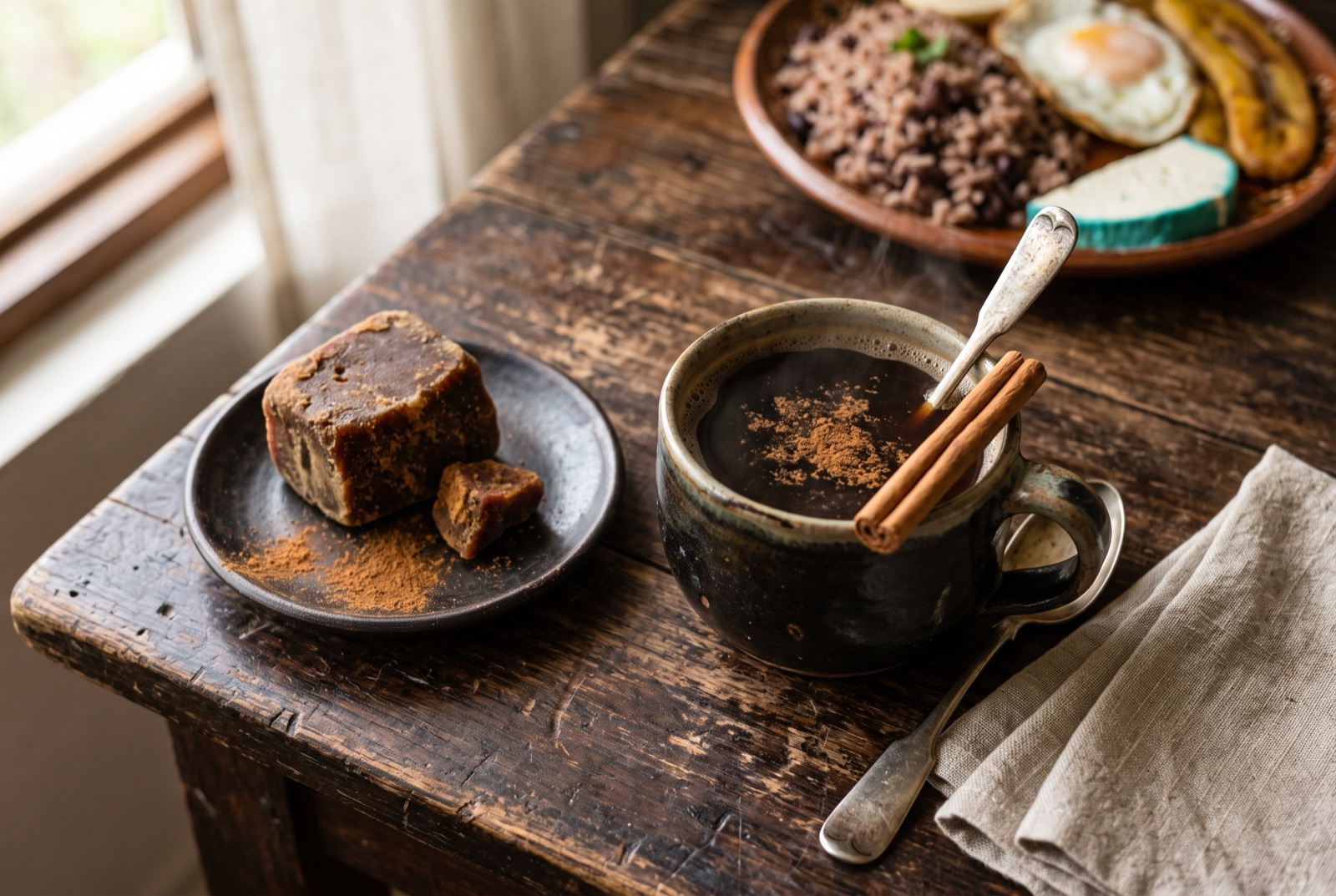
Costa Rica15 min
Agua Dulce
Costa Rican Hot Cane Sugar Drink
Costa Rica1 hr 15 min
Casado
Costa Rican Soda Lunch Plate
Costa Rica2 hr 55 min
Ceviche Tico
Costa Rican Lime-Cured Fish
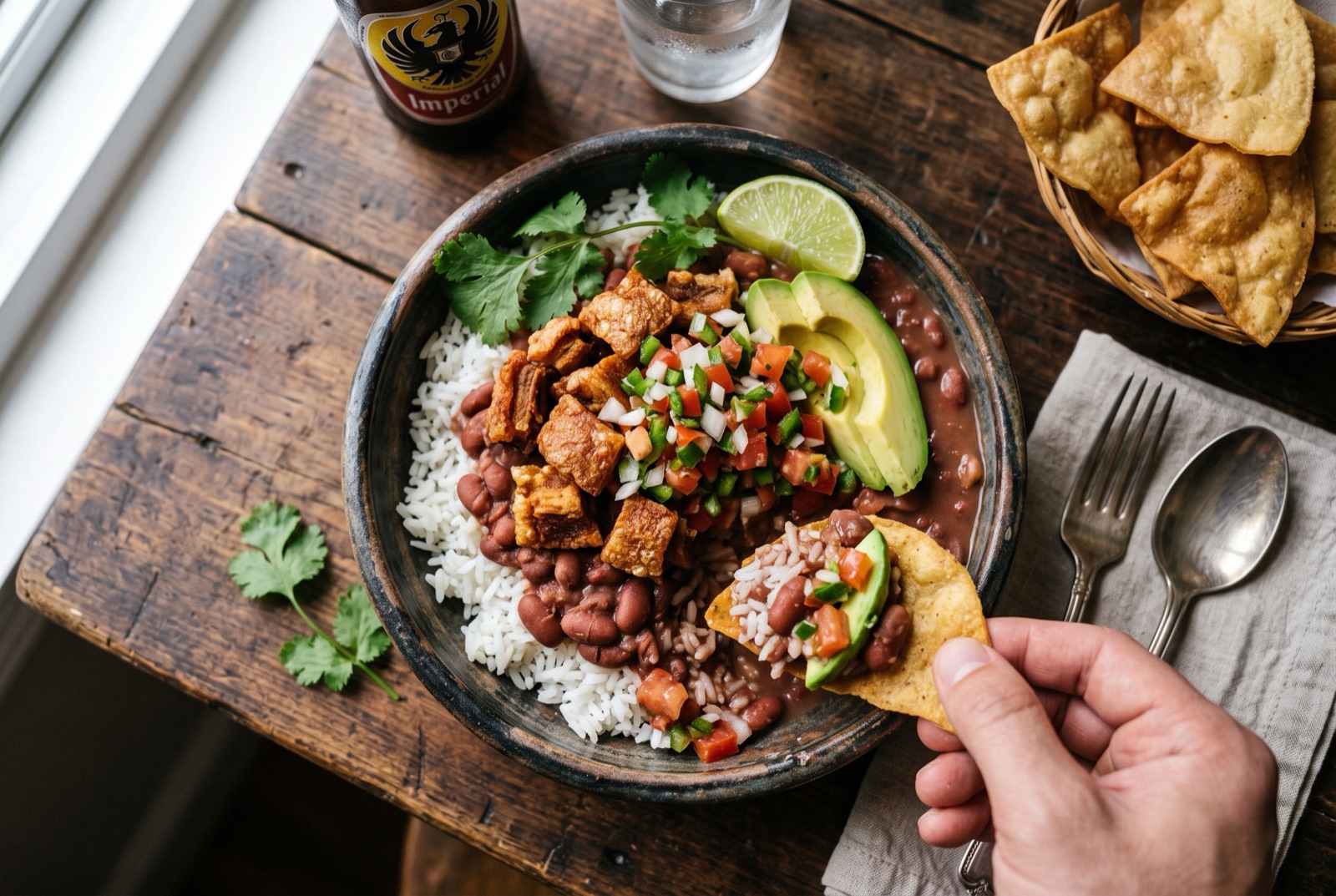
Costa Rica1 hr 25 min
Chifrijo
Costa Rican Rice, Beans and Pork Bowl
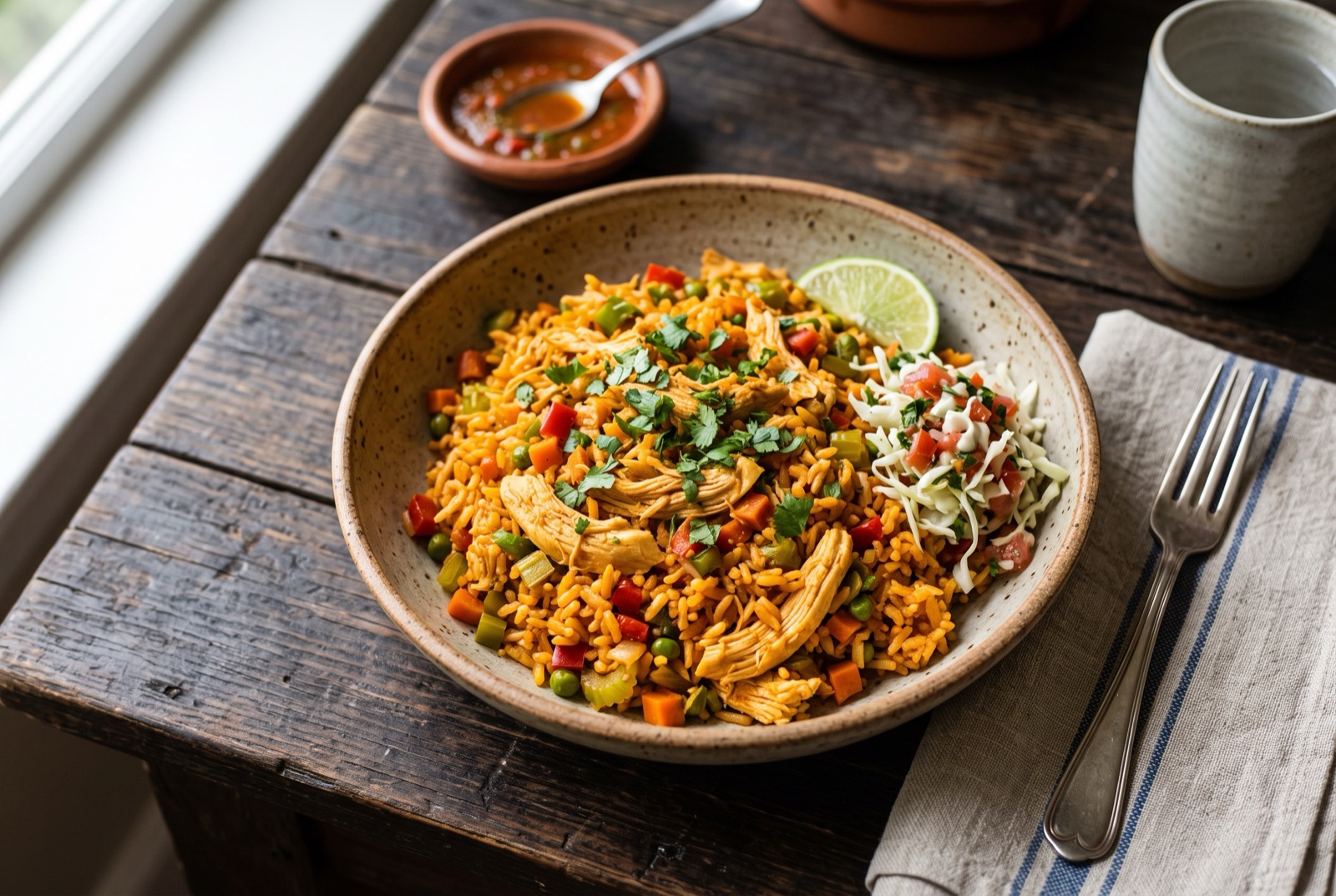
Costa Rica1 hr 15 min
Costa Rican Arroz con Pollo Tico
Chicken and Rice
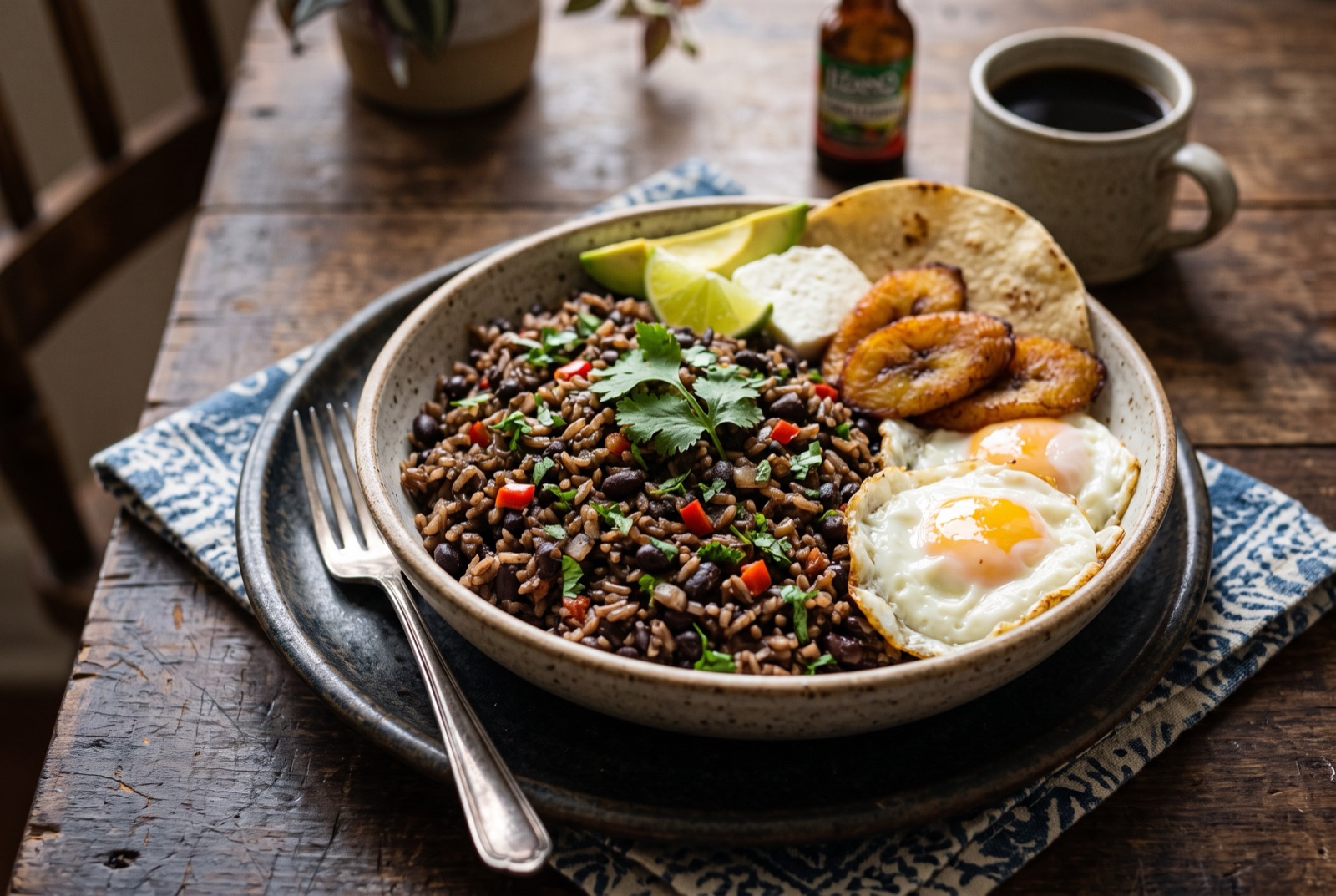
Costa Rica25 min
Gallo Pinto
Costa Rican Rice and Black Beans
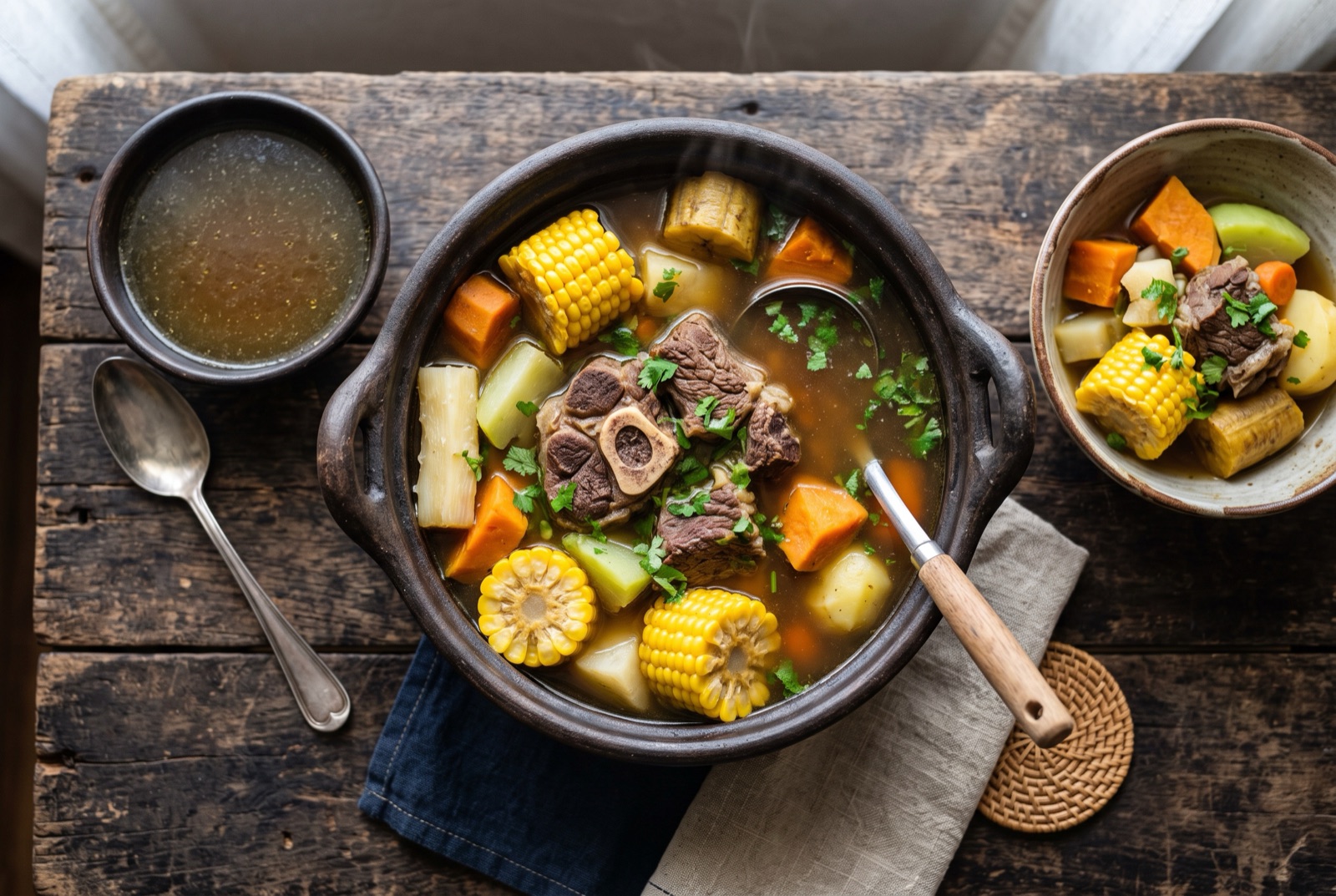
Costa Rica3 hr 30 min
Olla de Carne
Costa Rican Beef and Root Pot
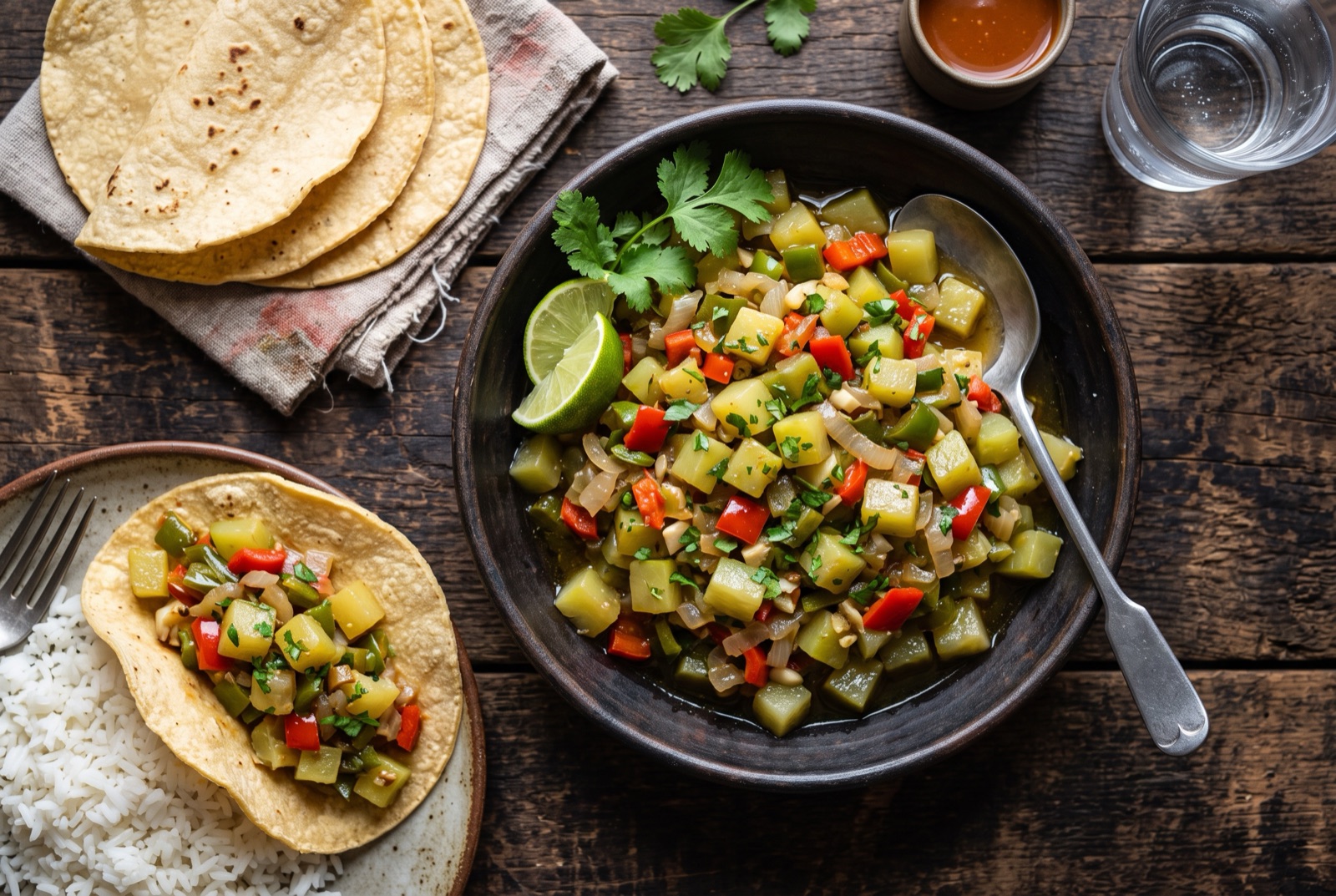
Costa Rica35 min
Picadillo de Chayote
Costa Rican Chayote Hash
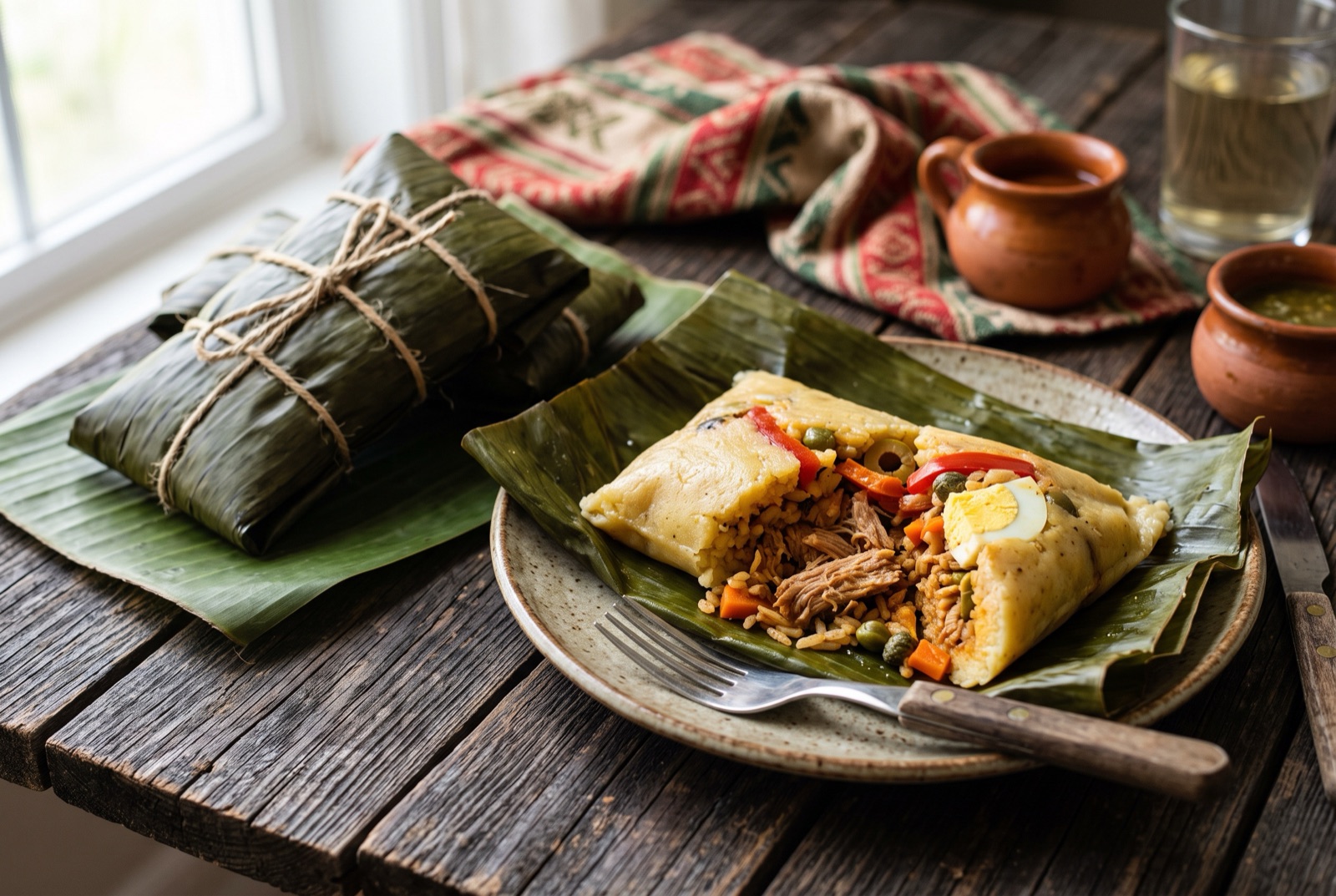
Costa Rica3 hr 50 min
Tamal Navideño
Costa Rican Christmas Tamale
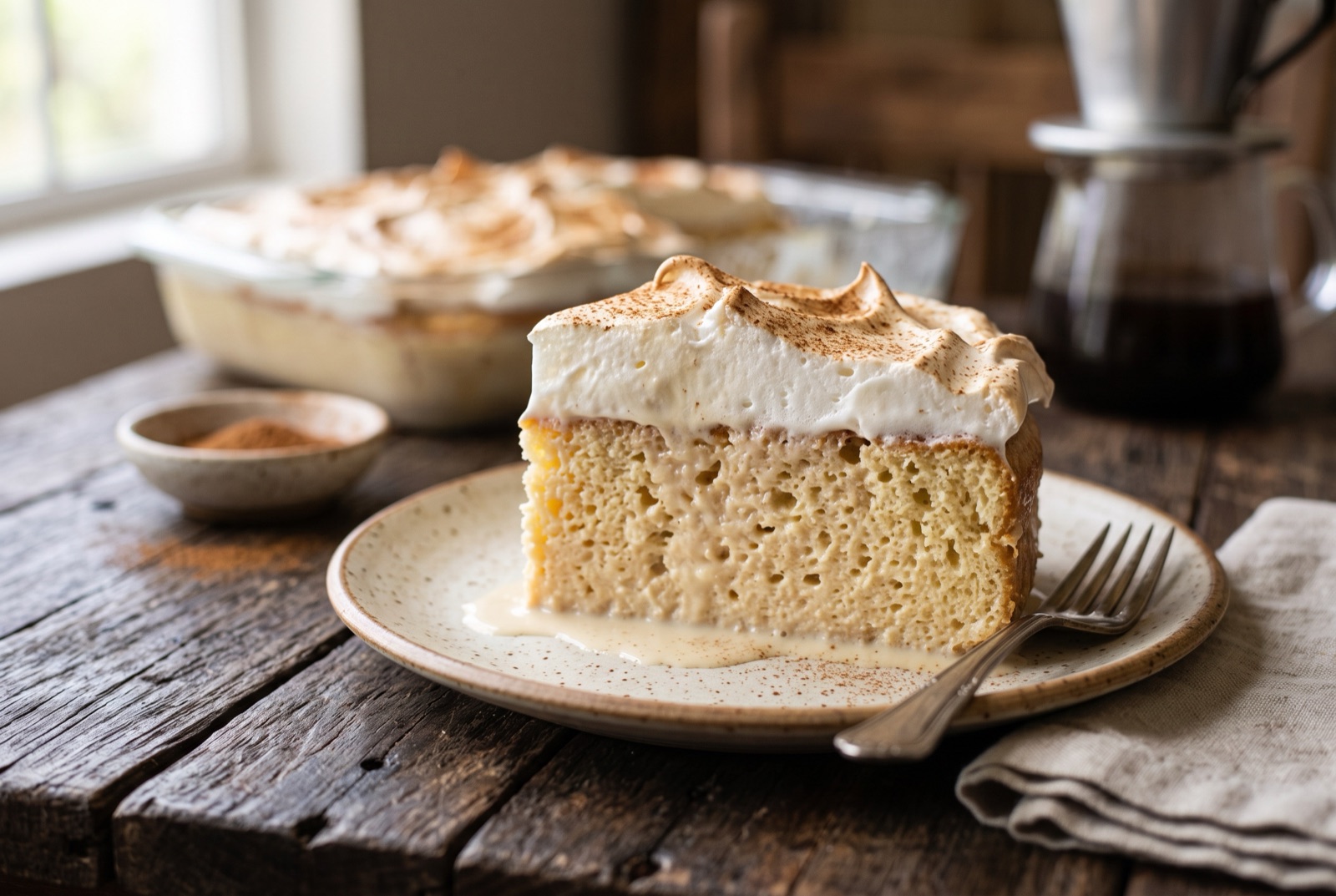
Costa Rica9 hr 5 min
Tres Leches Tico
Three-Milk Soaked Cake
Keep traveling.
Costa Rica sits in Central America, and its kitchen shares borders as well as ingredients with Canada and Cuba.
 Canada
 Cuba
Cuba