Brazil.
Brasil
Brazilian food is what happens when three culinary worlds cook in the same pot for five centuries. The indigenous base contributed cassava in all its forms — farinha, tapioca, farofa — along with fish stews and tropical fruit. The Portuguese brought slow-simmered stews, salt cod, wheat bread and a national sweet tooth built on egg yolks and, later, condensed milk. Enslaved Africans and their descendants, above all in Bahia, added dendê palm oil, okra, coconut-milk cooking and an entire festive repertoire that still defines the northeast coast. The result is not one cuisine but a federation of regional kitchens: Bahia tastes nothing like the churrasco country of the South, and Minas Gerais keeps its own cheese-and-pork comfort food. What unites them is the daily plate — rice, beans, farofa — and a genius for turning humble staples into celebration food.

- Continent
- South AmericaSouth America / Atlantic
- Recipes in atlas
- 10
- Must-try dishes
- 3
- Pantry staples
- 8
Start with the classics.
Must tryThe dishes that explain the Brazil kitchen fastest — if you cook only a few things from this page, cook these.
Inside the Brazil kitchen.
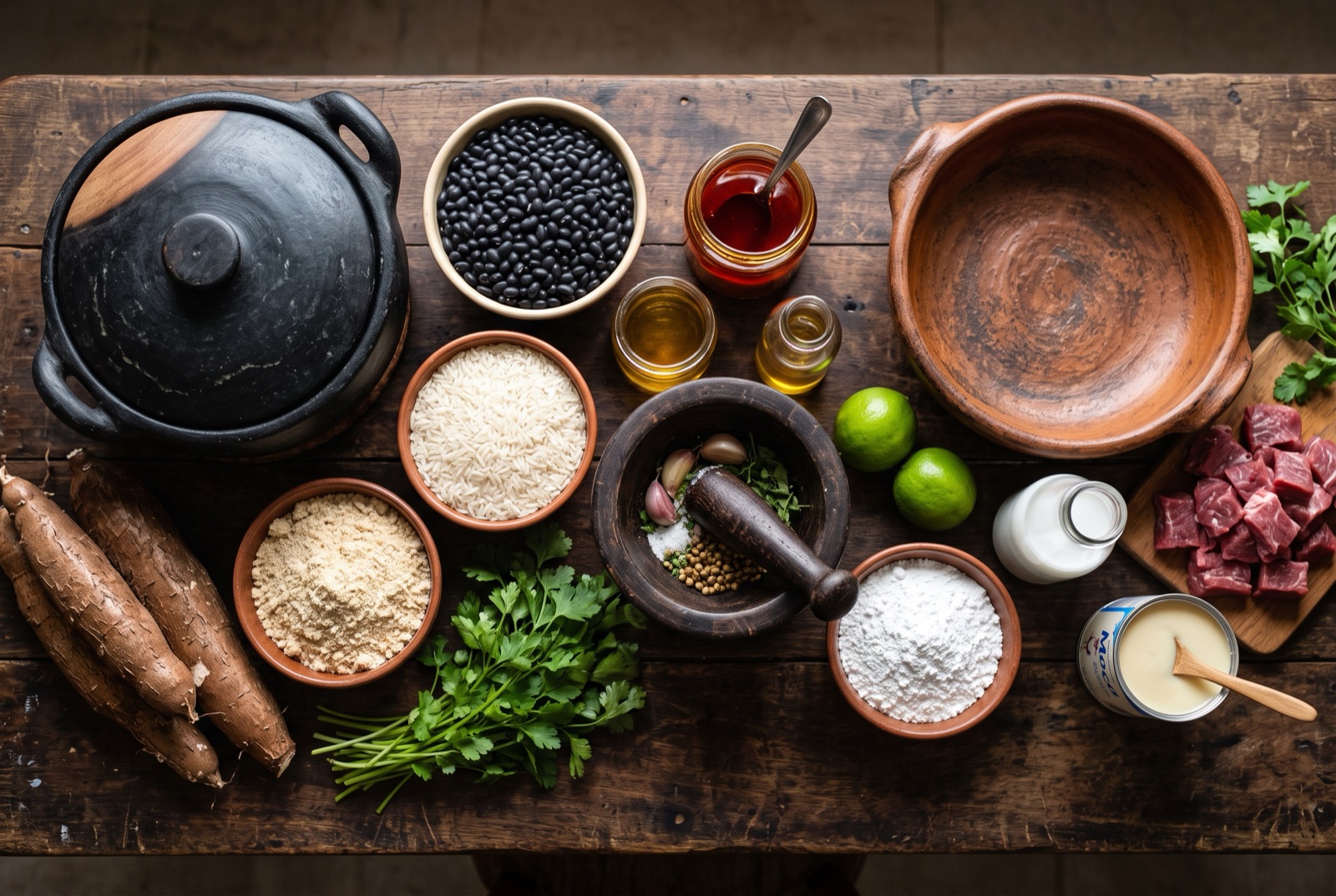
Start with cassava (mandioca), the indigenous root that predates every colonizer. Toxic raw, it was tamed by indigenous processing into flour (farinha), starch (polvilho and tapioca) and countless preparations. Toasted farinha becomes farofa, the buttery crumble scattered over almost everything; tapioca starch becomes the crepe-like tapioca of the northeast and the chewy pão de queijo of Minas Gerais. Rice and black beans — feijão — are the other daily constant, cooked fresh in most households nearly every day, with the bean pot seasoned by garlic, onion and often a piece of smoked meat.
The national dish grew straight out of that bean pot: feijoada, black beans simmered long and low with salted and smoked cuts of pork, served ceremonially with rice, collard greens, farofa and orange slices. Its exact origins are debated — the romantic slave-quarters story is contested by food historians, who point instead to Portuguese bean-and-meat stews adapted to Brazilian ingredients — but its status is not: feijoada is the Saturday and Wednesday lunch institution around which restaurants build their week.
Bahia is the cuisine's African heart. Dendê (red palm oil), coconut milk, dried shrimp, chiles and okra define dishes like moqueca, vatapá, caruru and the street-corner acarajé — black-eyed pea fritters fried in dendê by baianas in white dress, a tradition tied to Candomblé religious practice and formally recognized as Brazilian cultural heritage. Further south the table changes completely: São Paulo absorbed the largest Italian and Japanese immigrant communities in the country, and its everyday food — pizza, pastel, yakisoba stands, feijoada counters — reflects it. The southern states raised cattle on open grassland, and their gaúcho fire-roasting culture produced churrasco: big cuts salted coarsely and grilled on skewers over embers, now exported worldwide through rodízio steakhouses.
Sweets are their own kingdom. Portuguese convent desserts built on egg yolks and sugar met the twentieth-century arrival of canned condensed milk, and Brazil never looked back: brigadeiro, beijinho, pudim (a dense condensed-milk flan) and doce de leite dominate every birthday table. Fresh fruit fills the gaps — açaí, cupuaçu, cashew fruit, passion fruit — blended into juices that accompany meals as naturally as water. And through it all runs coffee, served short, sweet and constantly: the cafezinho offered to every guest is less a drink than a form of hospitality.
Signature pantry.
8 staplesThe ingredients this cuisine cannot function without.
- cassava (farinha, tapioca, farofa)
- black beans
- rice
- dendê (red palm oil)
- coconut milk
- condensed milk
- lime
- beef
How people eat in Brazil.
Lunch is the main meal, and the default plate — rice, beans, a protein, farofa, a simple salad — is so standard it has a name: prato feito, the "made plate" of every workers' restaurant. Feijoada is traditionally a Wednesday or Saturday lunch, eaten long and slowly, ideally followed by nothing more ambitious than a hammock. Churrasco is a weekend social event, hours around the grill with meat served in waves rather than courses. Juice bars are everywhere and fresh juice accompanies meals routinely. The cafezinho — a small, strong, usually pre-sweetened coffee — is offered to any guest, in any home or office, and refusing it outright is mildly rude. Sharing matters: food arrives for the table, and eating alone is treated as misfortune.
Regional kitchens.
Brazil cooks 4 distinctly different ways depending on where you stand — here is what changes between them.
- R1Bahia
- The Afro-Brazilian kitchen of the northeast coast: dendê palm oil, coconut milk, dried shrimp and chiles power moqueca, vatapá and the street-side acarajé of Salvador — the most distinctive regional cuisine in the country.
- R2Minas Gerais
- Landlocked comfort-food country built on pork, corn, greens and legendary cheese — home of pão de queijo, queijo minas, tutu de feijão and the wood-fired farmhouse cooking Brazilians get nostalgic about.
- R3São Paulo
- Brazil's immigrant metropolis, where huge Italian and Japanese communities reshaped everyday eating — pizza and pastel stands, the world's largest Japanese community outside Japan, and a restaurant scene that absorbs everything.
- R4The South
- Gaúcho cattle country: churrasco culture of coarse-salted beef grilled on skewers over embers, chimarrão (mate) passed around in a shared gourd, and German and Italian settler influence in the towns.
All Brazil recipes.
10 recipes and counting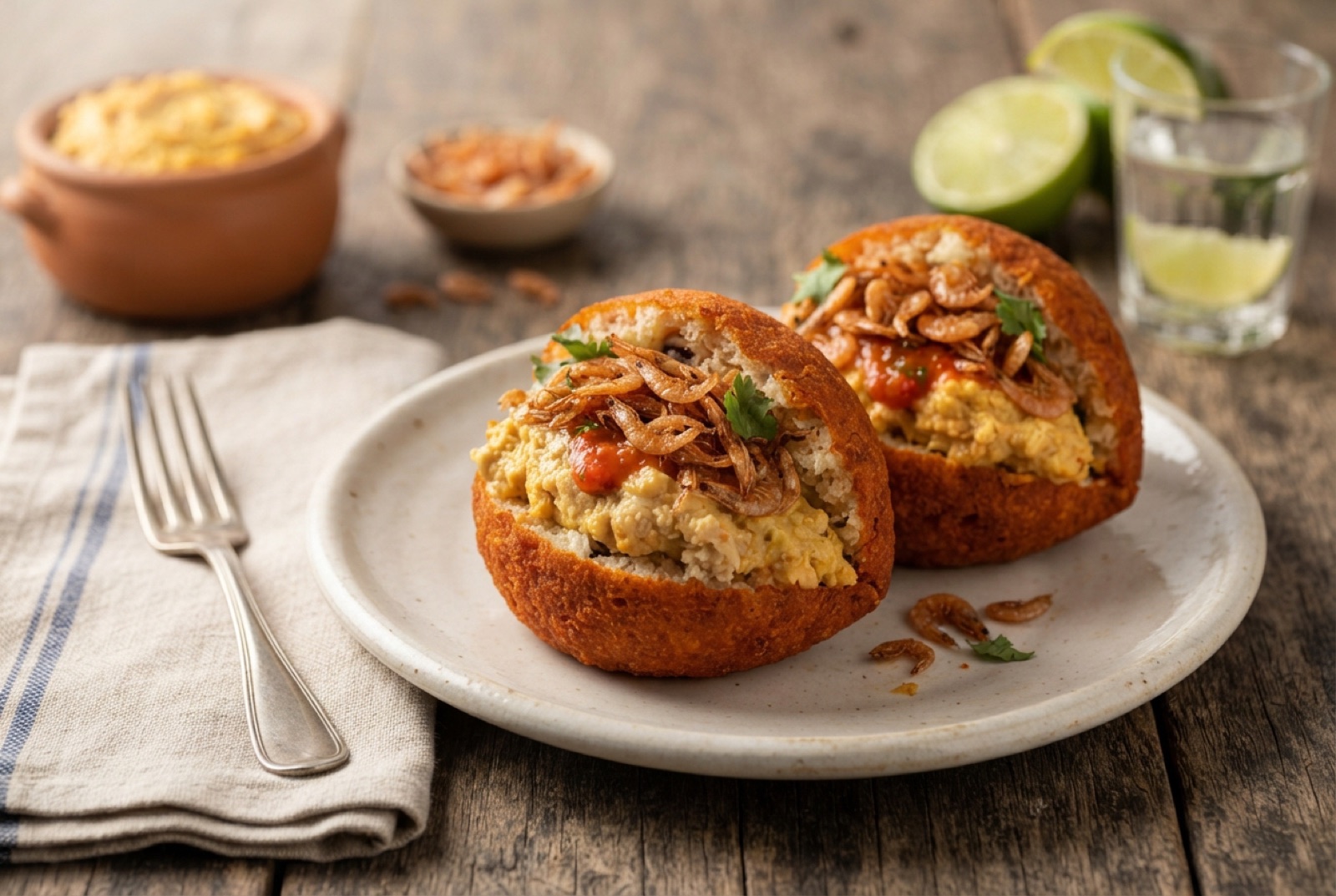
Brazil13 hr 50 min
Acarajé
Bahian Black-Eyed Pea Fritters
Brazil1 hr 20 min
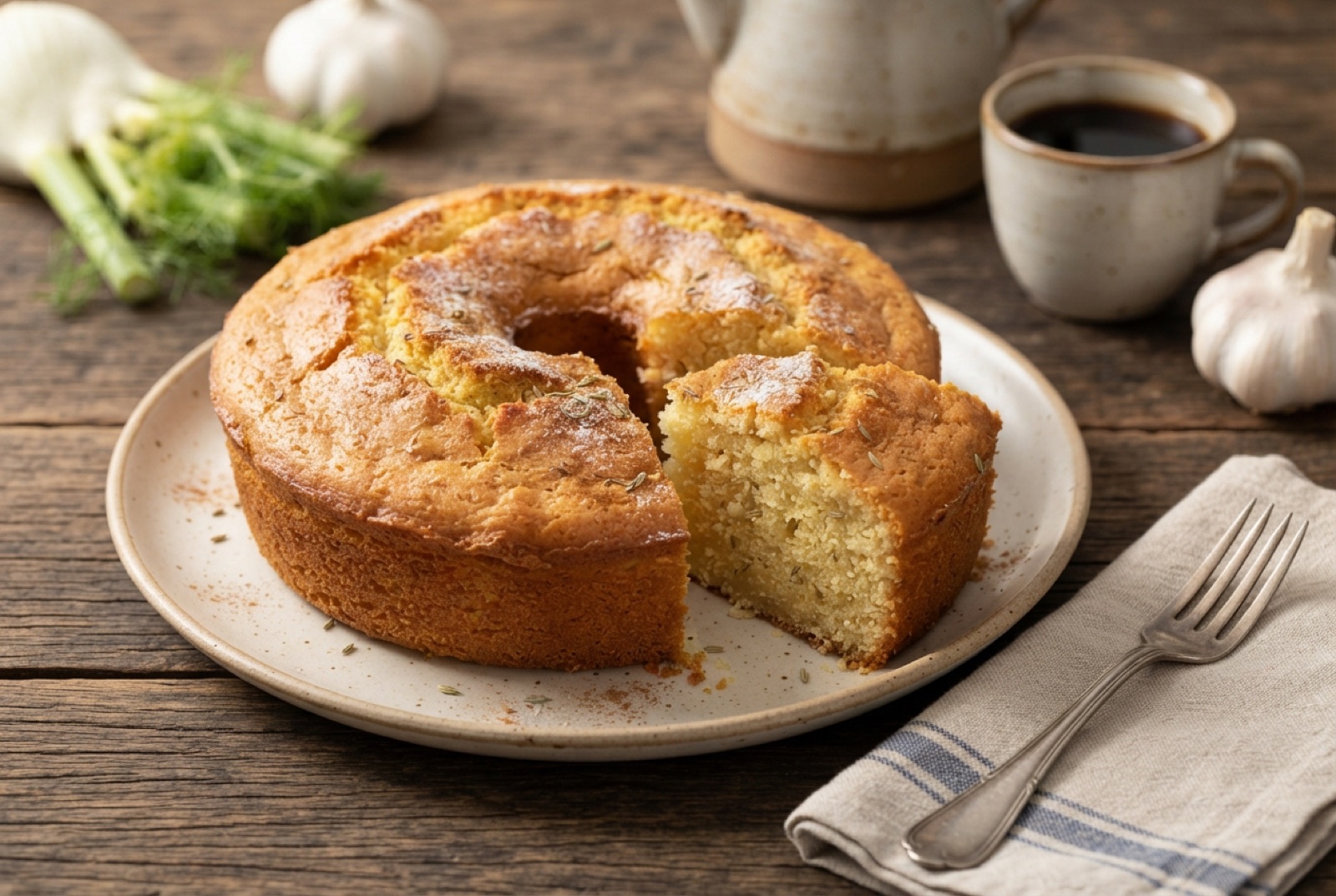
Bolo de Fubá
Brazilian Cornmeal Cake
Brazil2 hr 27 min
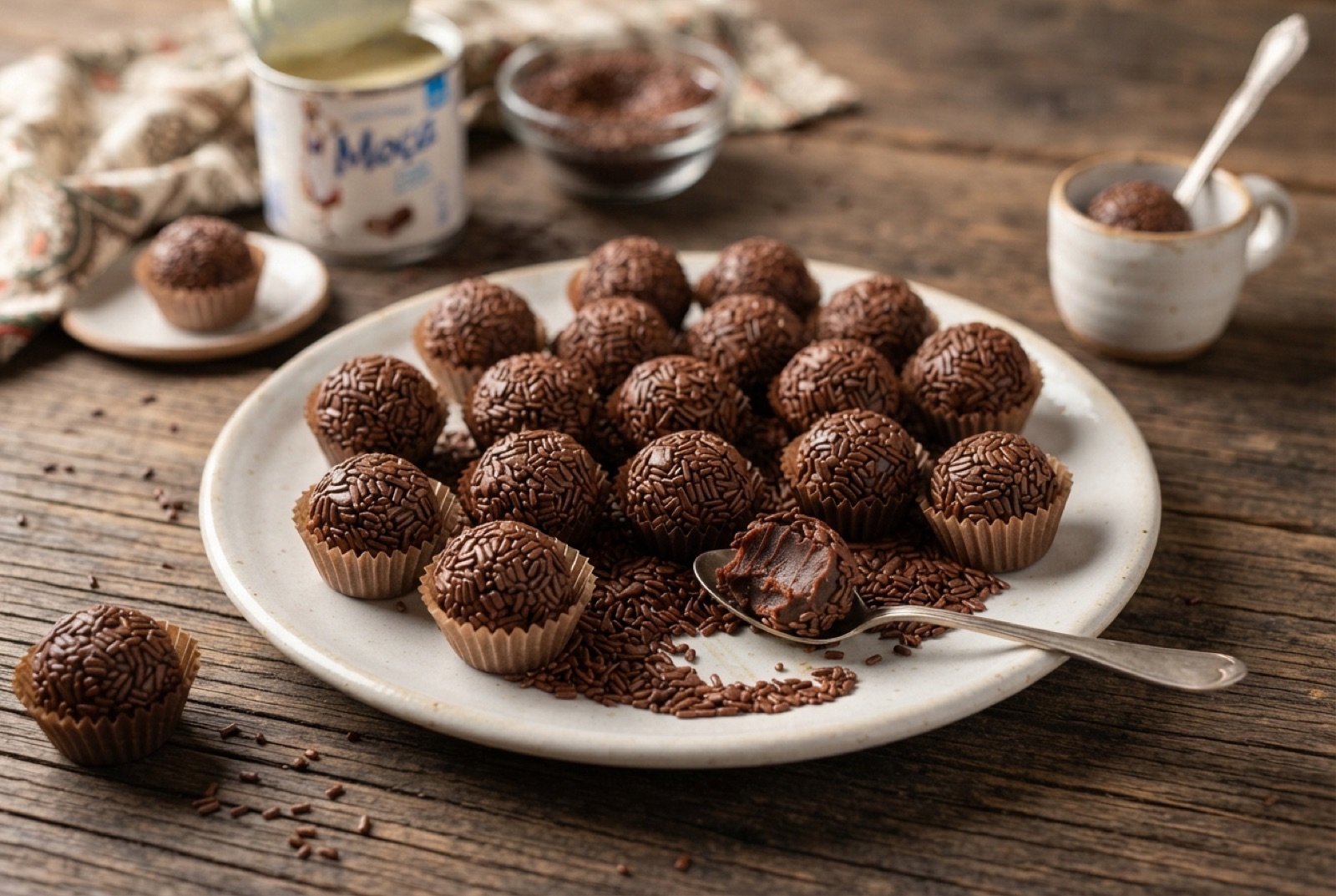
Brigadeiro
Brazilian Chocolate Fudge Truffles
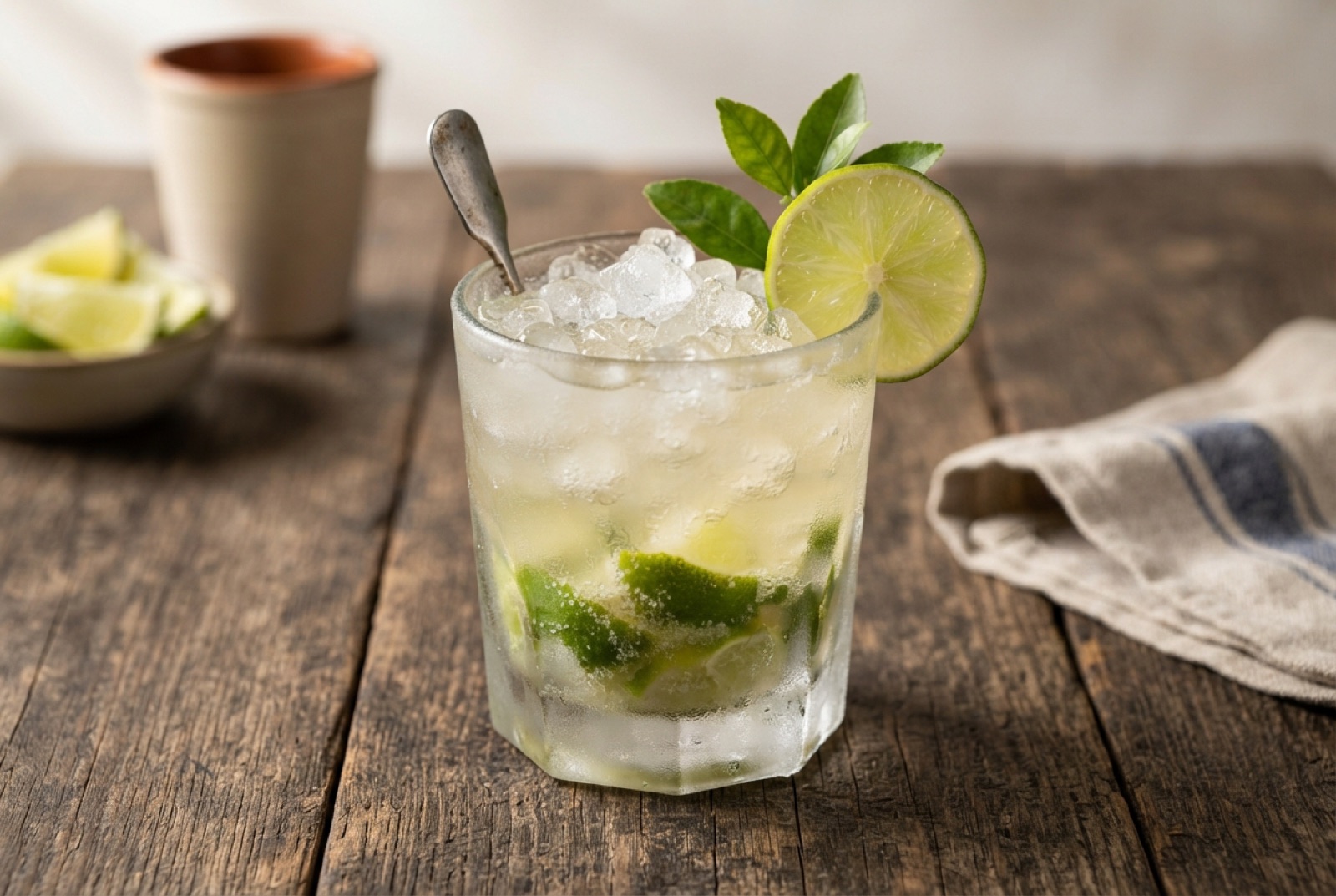
Brazil6 min
Caipirinha
Brazilian Cachaça and Lime Cocktail
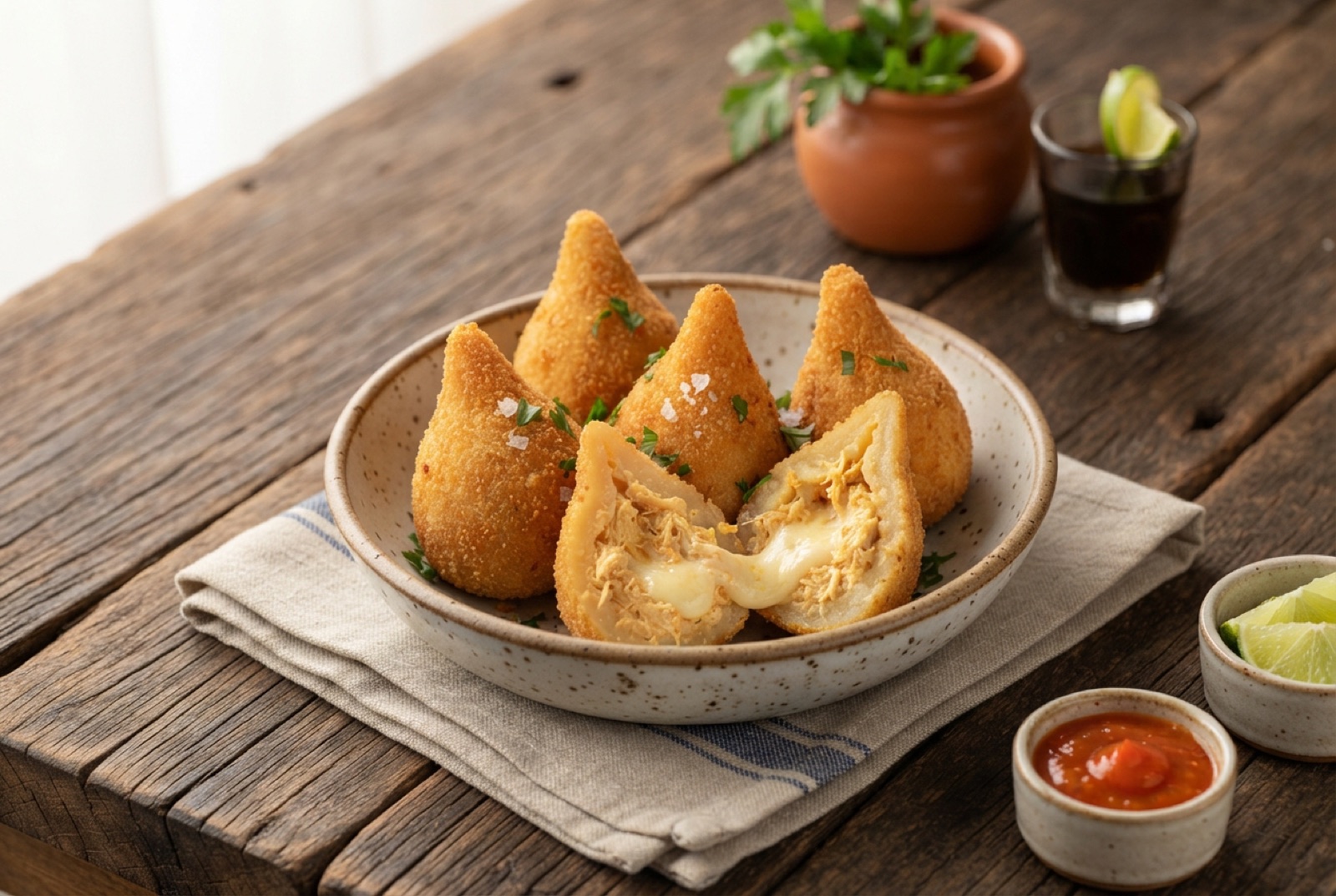
Brazil2 hr 25 min
Coxinha de Frango
Brazilian Chicken Croquettes
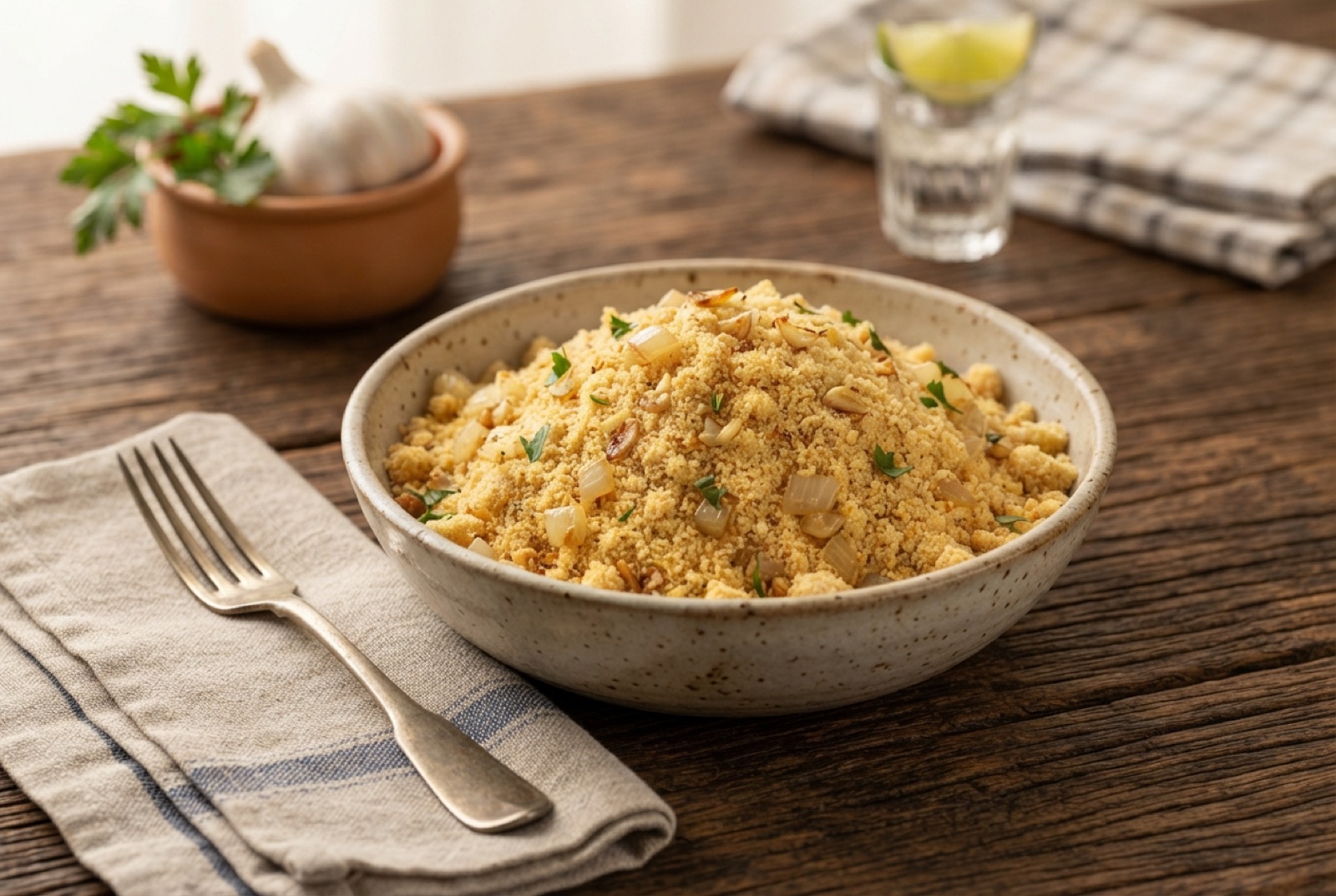
Brazil25 min
Farofa de Manteiga
Toasted Brazilian Cassava Flour
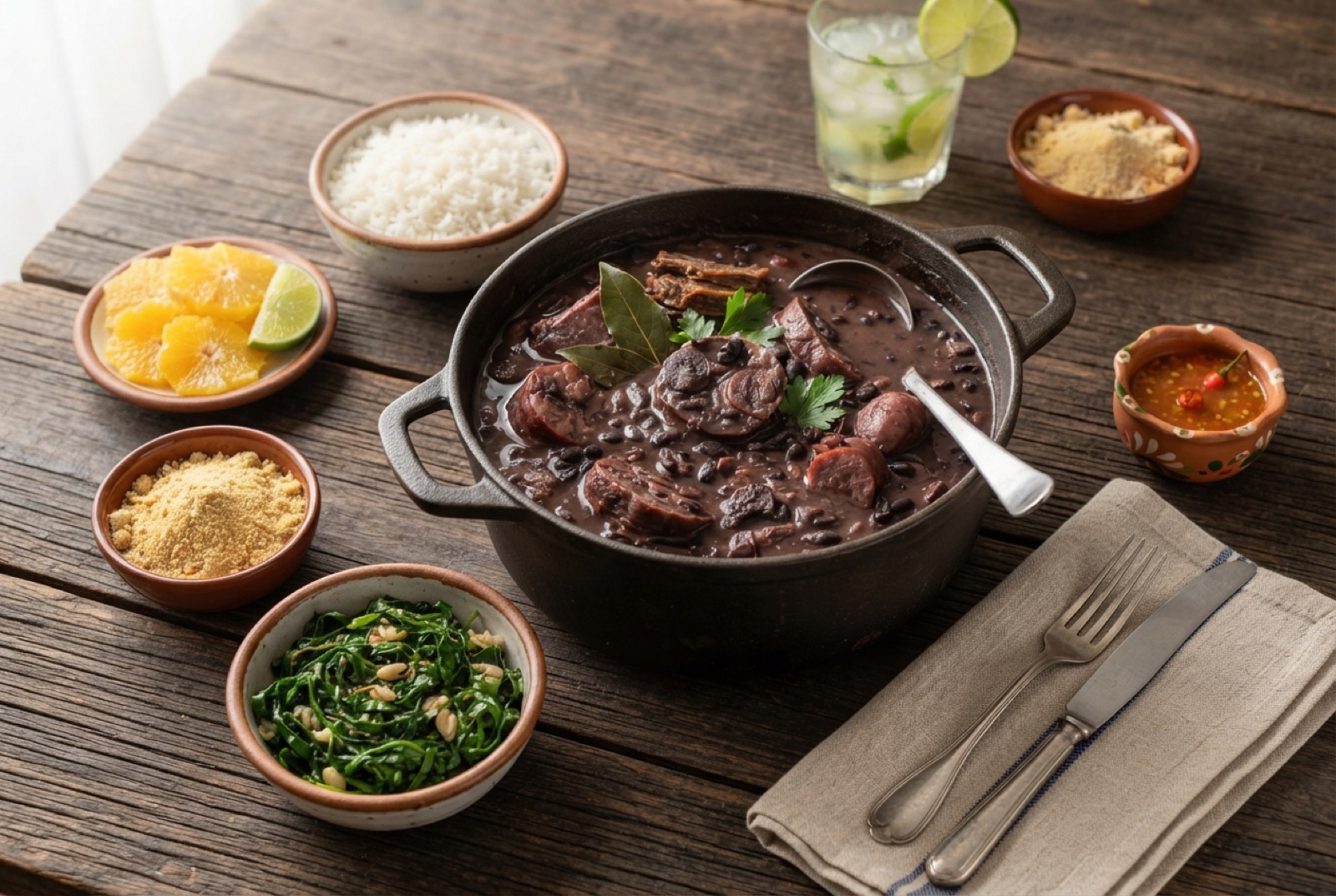
Brazil15 hr 40 min
Feijoada Completa
Brazilian Black Bean and Pork Stew
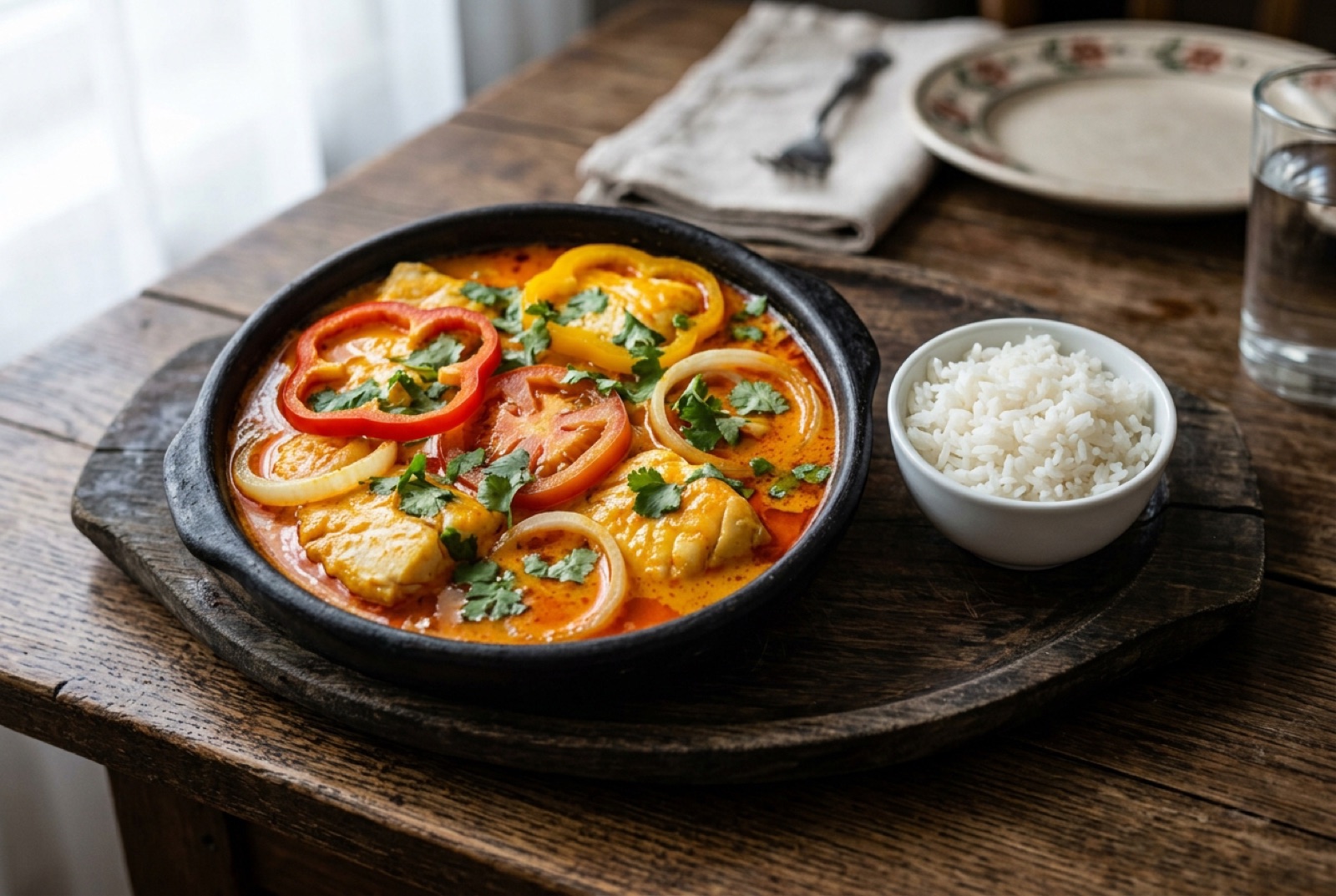
Brazil1 hr 15 min
Moqueca Baiana
Brazilian Coconut Fish Stew
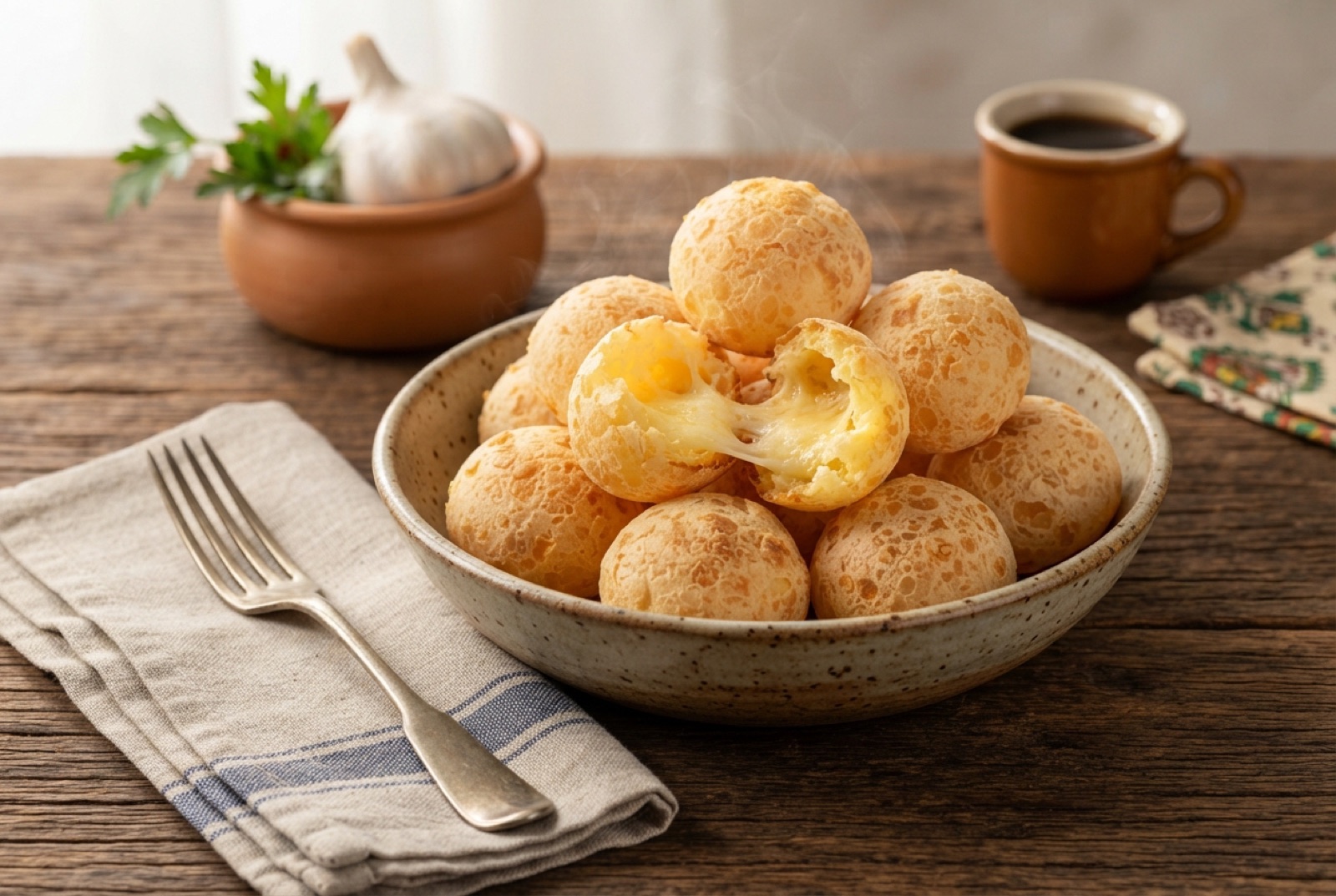
Brazil1 hr 10 min
Pão de Queijo
Brazilian Cheese Bread
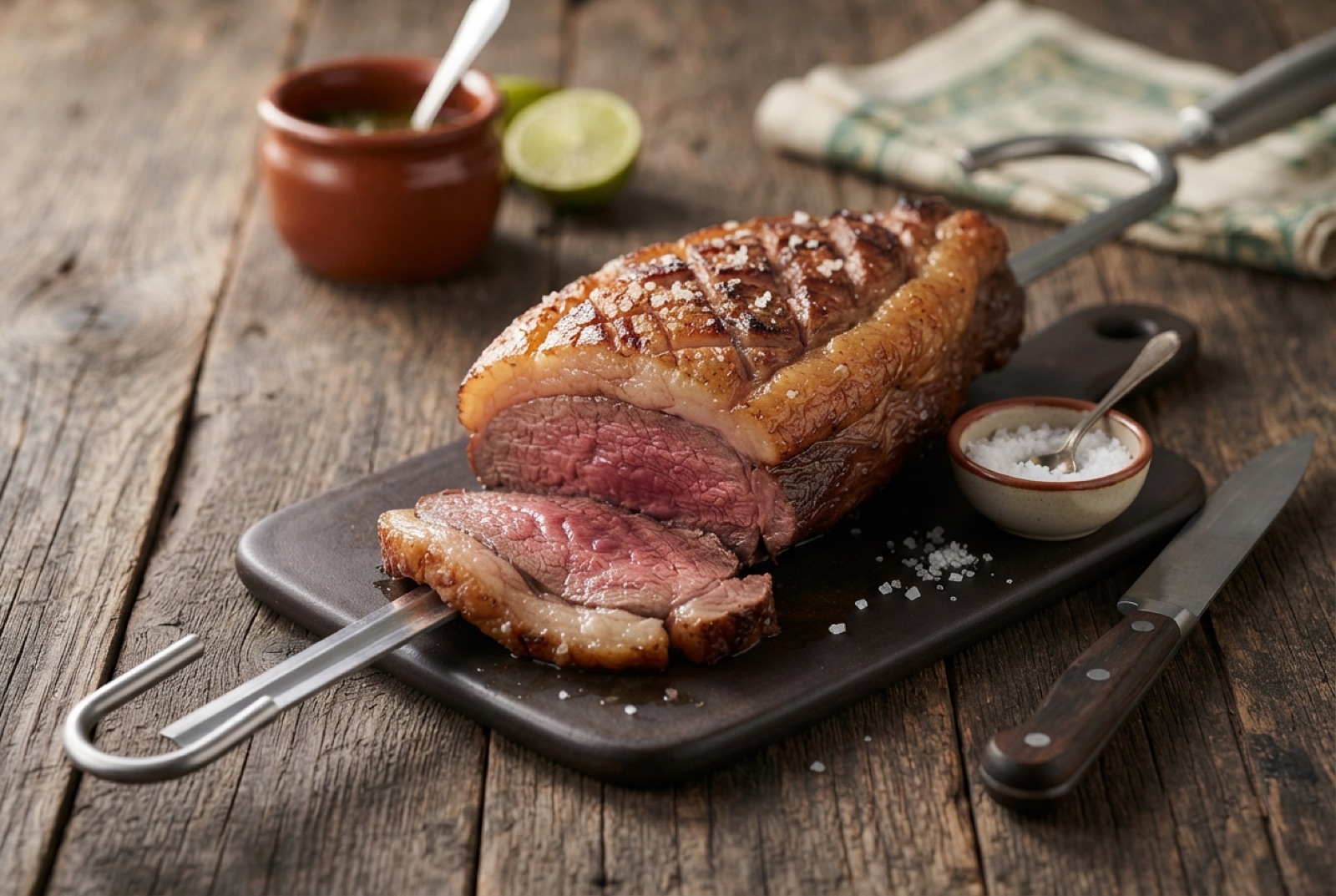
Brazil1 hr 5 min
Picanha
Brazilian Churrasco Rump Cap
Keep traveling.
Brazil sits in South America / Atlantic, and its kitchen shares borders as well as ingredients with Argentina and Bolivia.
 Argentina
 Bolivia