Austria.
Österreich
Austrian cooking is the leftover kitchen of an empire. For centuries Vienna sat at the centre of a state that stretched from Milan to Lviv, and the cooks who fed it borrowed shamelessly: dumplings and roast pork from Bohemia, paprika and goulash from Hungary, breaded frying and sweet-savoury pastry from northern Italy, strudel dough that arrived along the same routes as the Ottoman armies. What Austria did with all of it was make it richer, softer and more precise. The result is a cuisine of butter, lard, veal, beef broth, curd cheese, root vegetables and apples, where the technical benchmark of a cook is not how much spice they use but whether a crust puffs, a broth stays clear and a batter stays light. It is also a country where dessert is treated as a main course rather than an afterthought — the Mehlspeisen tradition of sweet flour dishes is genuinely central, not decorative — and where a coffee house counts as a dining room.

- Continent
- EuropeCentral Europe
- Recipes in atlas
- 10
- Must-try dishes
- 3
- Pantry staples
- 10
Start with the classics.
Must tryThe dishes that explain the Austria kitchen fastest — if you cook only a few things from this page, cook these.
Inside the Austria kitchen.
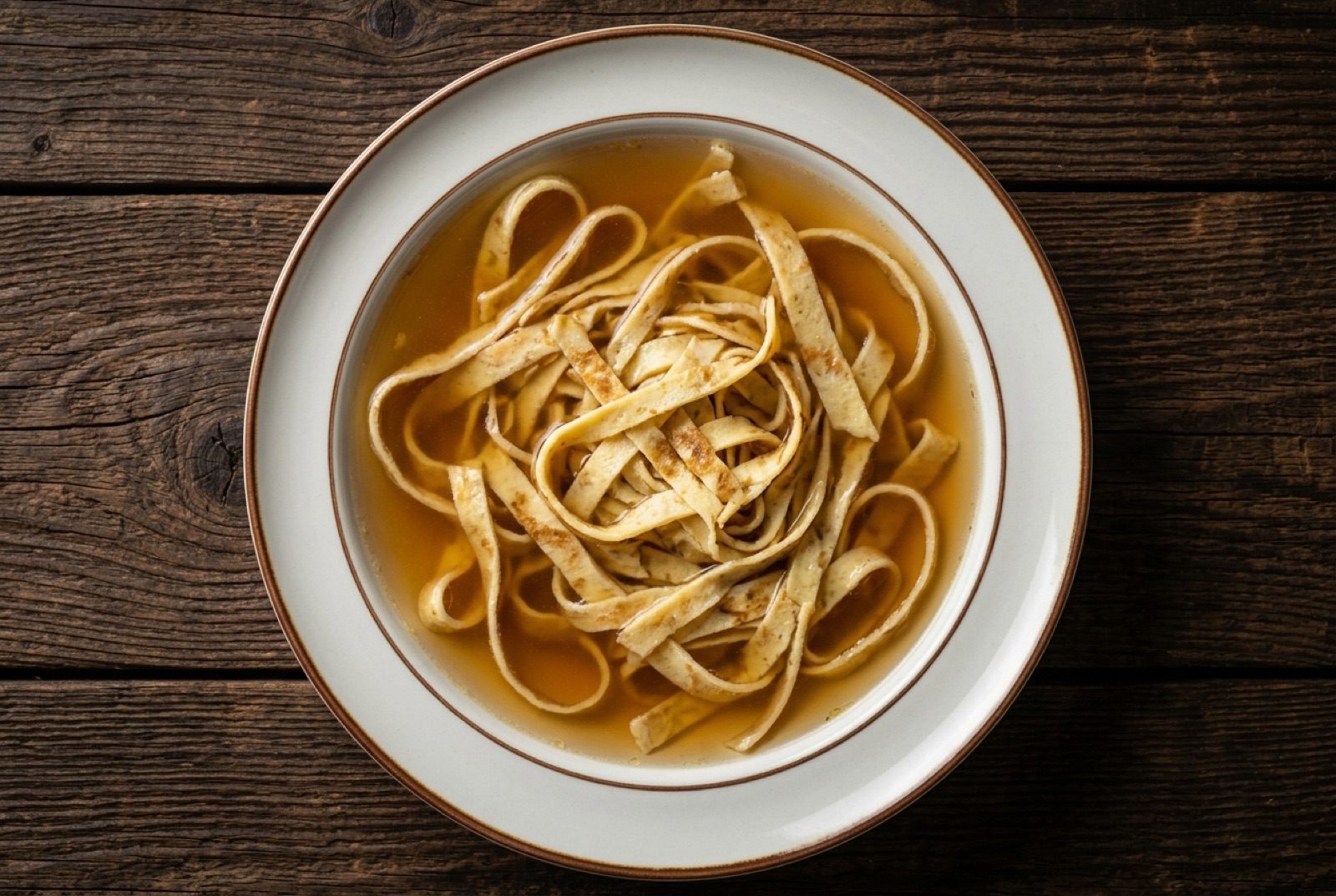
The engine of the Viennese kitchen is beef, and specifically beef in water. Rindsuppe — clear beef broth built from shank, marrow bones and root vegetables — is the base of an entire category of soups served with something floating in them: sliced pancakes (Frittaten), semolina dumplings, liver dumplings, filled pasta. Boiling beef is taken seriously enough that Viennese butchers still sell more than a dozen individually named simmering cuts, of which Tafelspitz is only the most famous. The broth is not stock in the background sense; it is a course of its own, served before the meat it was made from.
The second pillar is frying in fat. The Austrian breading method — flour, egg, loose dry breadcrumbs, no pressing — is designed to produce a coat that separates from the meat and blisters into a dry, wavy shell rather than clinging like a batter. It needs depth of fat and a pan that is moved constantly, and it is applied to veal (Wiener Schnitzel), chicken (Backhendl), mushrooms, cauliflower and even mozzarella-stuffed pockets. Getting it right is the local test of a competent cook, and it is the reason clarified butter and lard have never left Austrian kitchens.
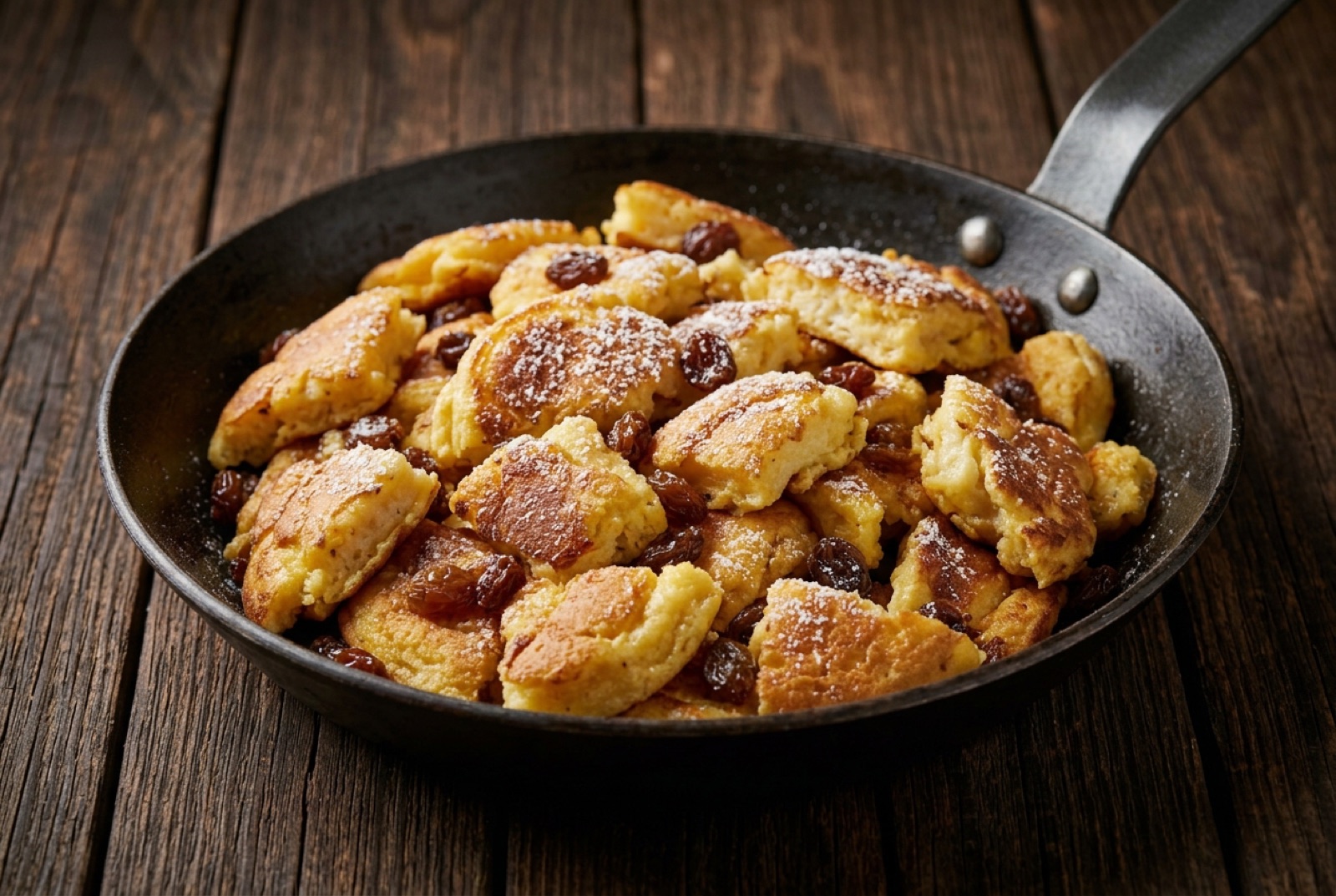
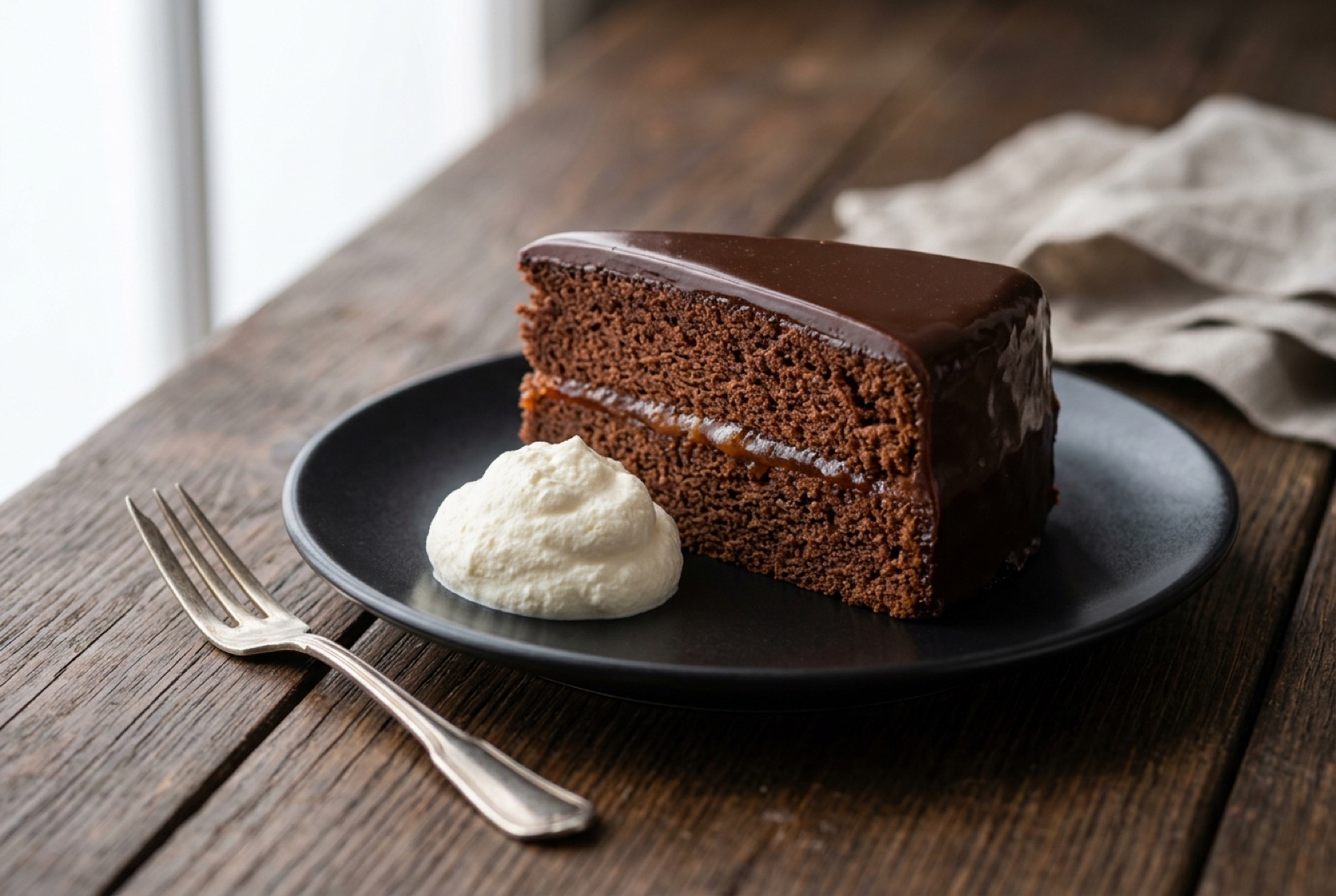
Third comes flour and dairy in their sweet form. Mehlspeisen — Kaiserschmarrn, Palatschinken, Germknödel, strudel, Buchteln, Salzburger Nockerl — occupy a place that has no clean equivalent elsewhere: they can be dessert, but they can equally be lunch. Alongside them sits the Konditorei tradition of layered tortes and glazes that grew up with the coffee house, where Sachertorte, Esterházytorte and Cremeschnitte are eaten in the afternoon with black coffee and unsweetened whipped cream.
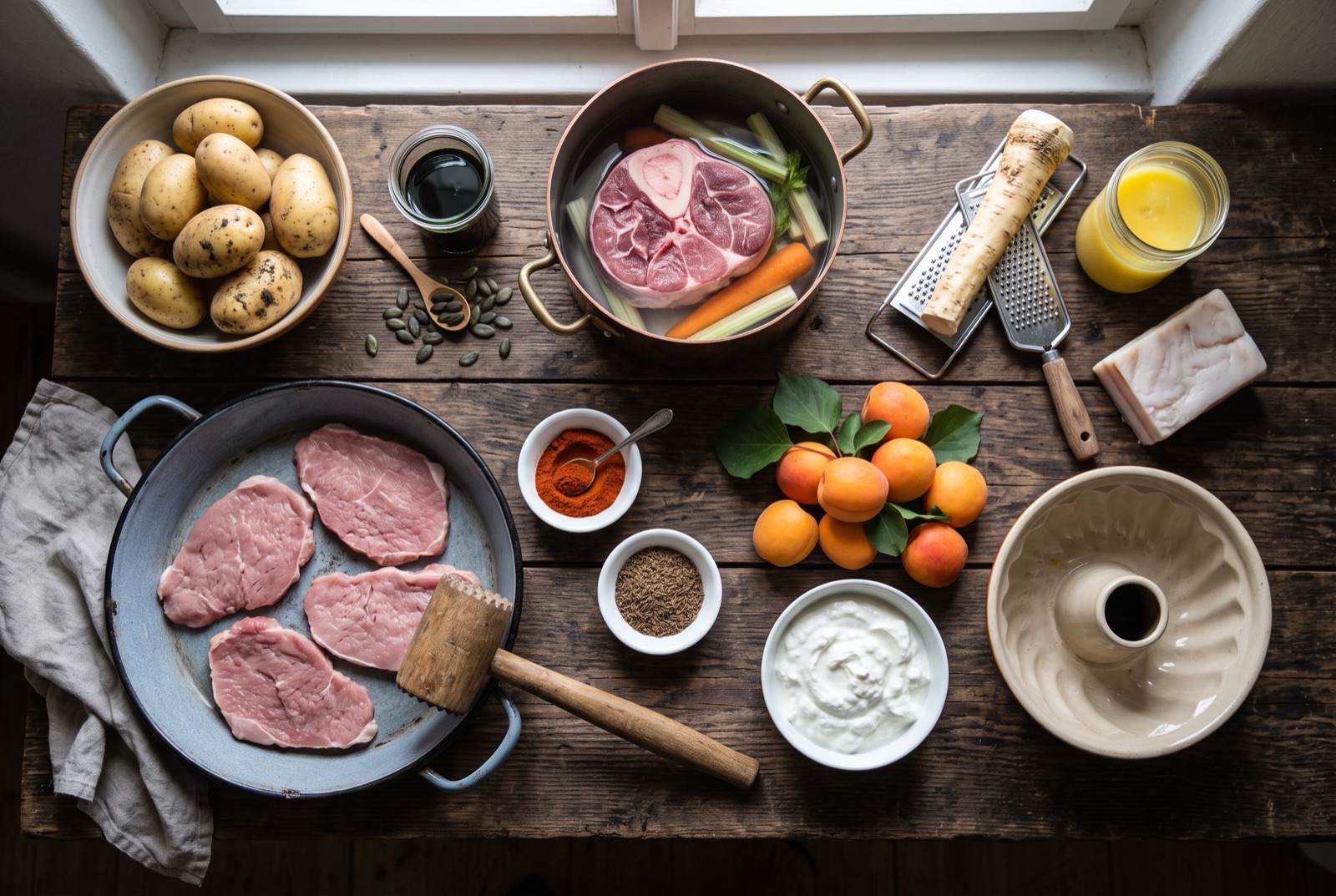
Regionally the country splits along its landscape. The alpine west lives on cheese, cured pork, dumplings and thick soups. Carinthia and Styria in the south lean towards curd cheese fillings, corn, pumpkin seed oil and a distinctly Slovenian-Italian accent. Lower Austria and Burgenland grow the wine, apricots and paprika, and the Danube supplies carp and the Wachau valley its stone fruit. Vienna itself is not so much a region as a collecting point where all of it was rewritten for restaurant service.
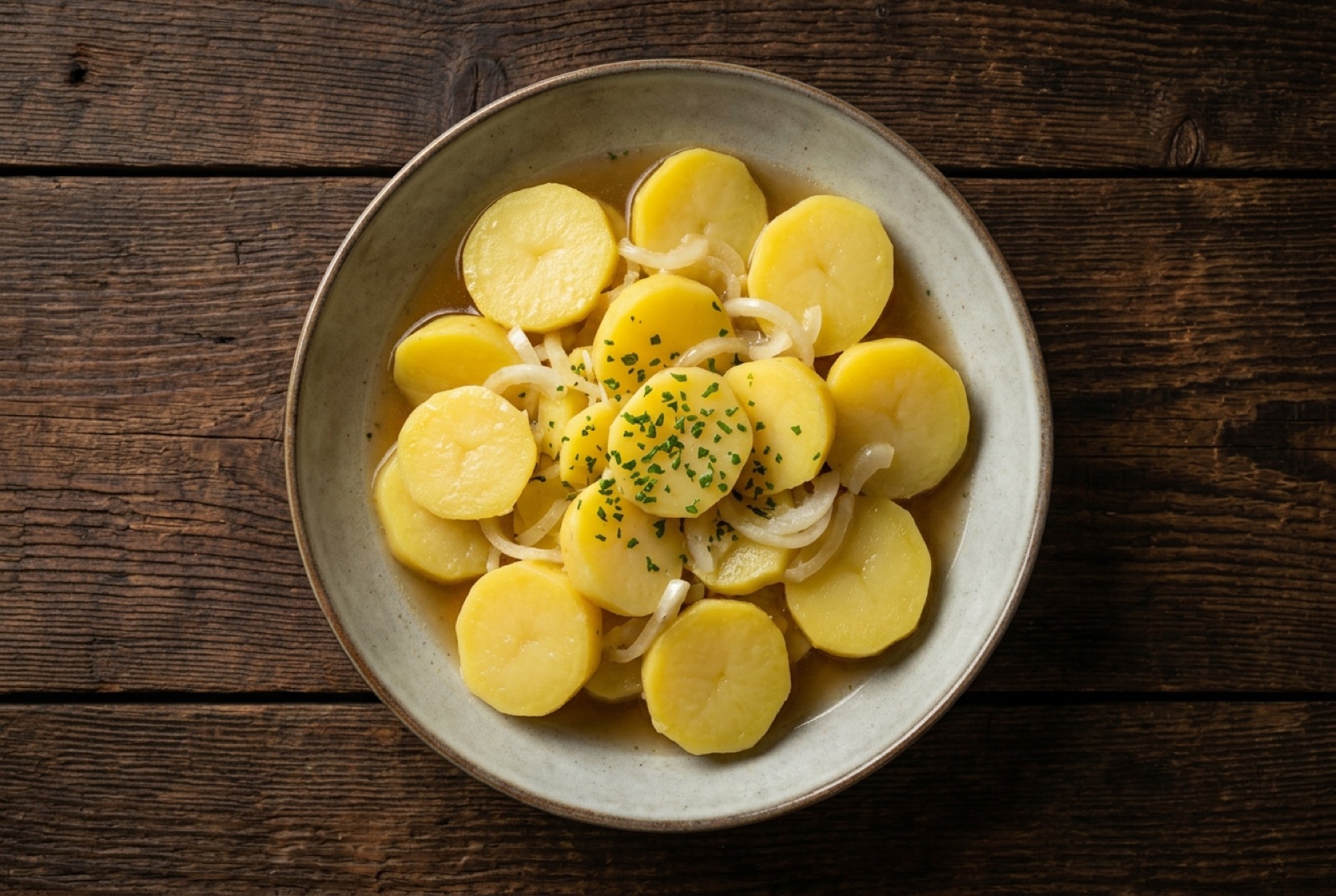
Seasoning stays deliberately narrow: salt, black pepper, caraway, marjoram, sweet paprika, bay, lovage, horseradish, vinegar and lemon do almost all the work. Sourness is the counterweight to fat — vinegar in the potato salad, lemon on the schnitzel, apple and horseradish beside the boiled beef, sauerkraut with pork — and once you notice that pairing, most of the menu explains itself.
Signature pantry.
10 staplesThe ingredients this cuisine cannot function without.
- veal
- beef for boiling (Tafelspitz, shank)
- sweet paprika
- caraway
- quark (Topfen)
- clarified butter and lard
- horseradish
- apricots (Marillen)
- pumpkin seed oil
- waxy potatoes
How people eat in Austria.
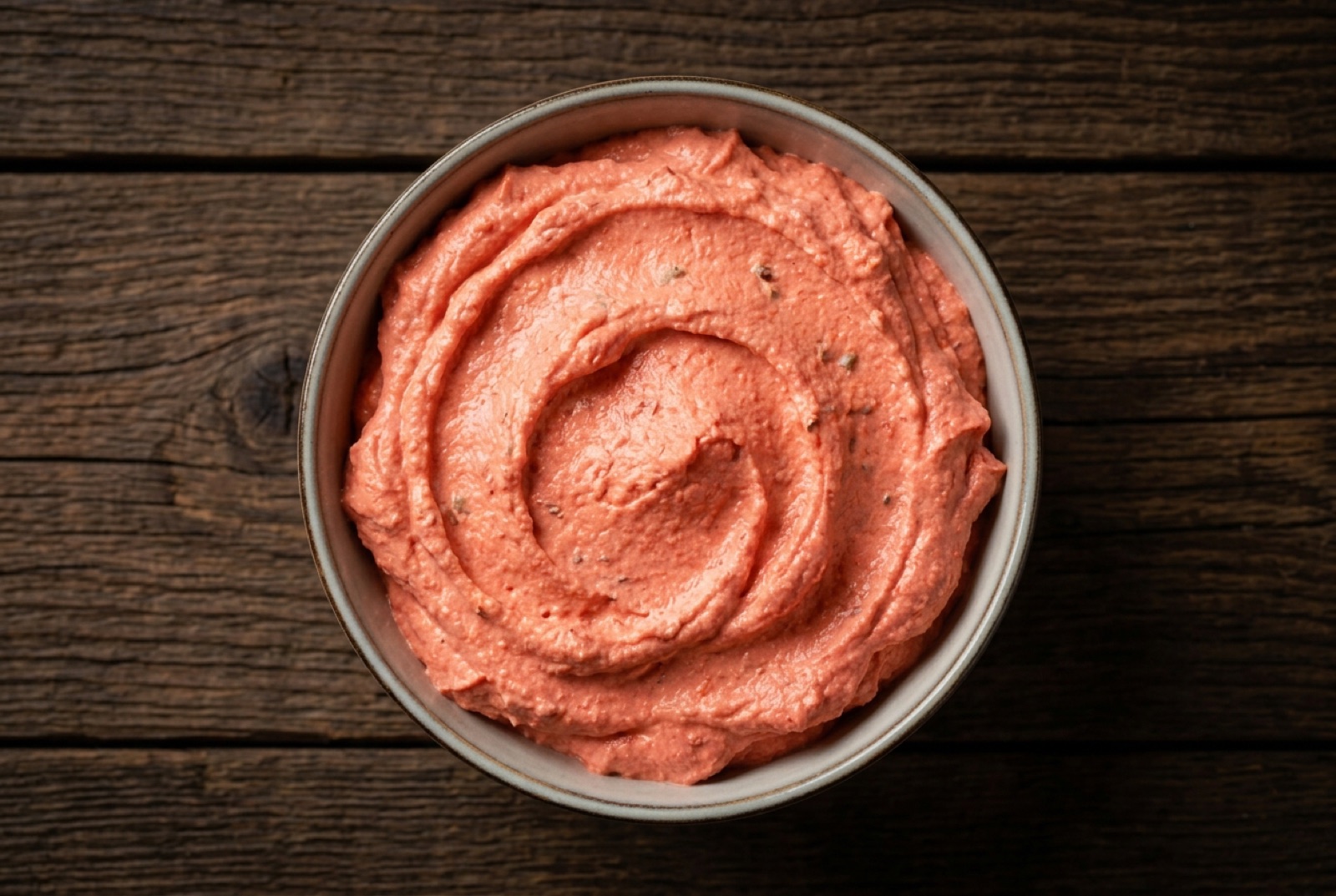
Lunch is the real meal of the day, and in a traditional Gasthaus it arrives in order: soup first, then a main, then something sweet, with no rush between them. Bread rolls sit on the table and are counted at the end rather than included. Beer or Grüner Veltliner comes with food; the Heuriger wine taverns of eastern Austria serve their own young wine with cold cuts and spreads laid out buffet-style. Coffee house habits are their own set of rules — you order by name, not by size, water is served alongside and refilled, and nobody is moved along for lingering over one Melange and a newspaper. Say "Mahlzeit" to strangers around midday, "Prost" with eye contact when glasses are raised, and expect a modest rounding-up rather than a percentage tip.
Regional kitchens.
Austria cooks 4 distinctly different ways depending on where you stand — here is what changes between them.
- R1Vienna and Lower Austria
- The imperial kitchen: schnitzel, boiled beef, goulash reworked without vegetables, and the coffee house cake counter. Surrounding it are the Wachau apricot orchards and the vineyards that supply the Heuriger taverns.
- R2Styria (Steiermark)
- Green, hilly and famous for two products: dark, nutty pumpkin seed oil poured over salads, and Backhendl, the fried chicken that Styrians and Viennese both claim. Also Austria's horseradish and apple country.
- R3Carinthia (Kärnten)
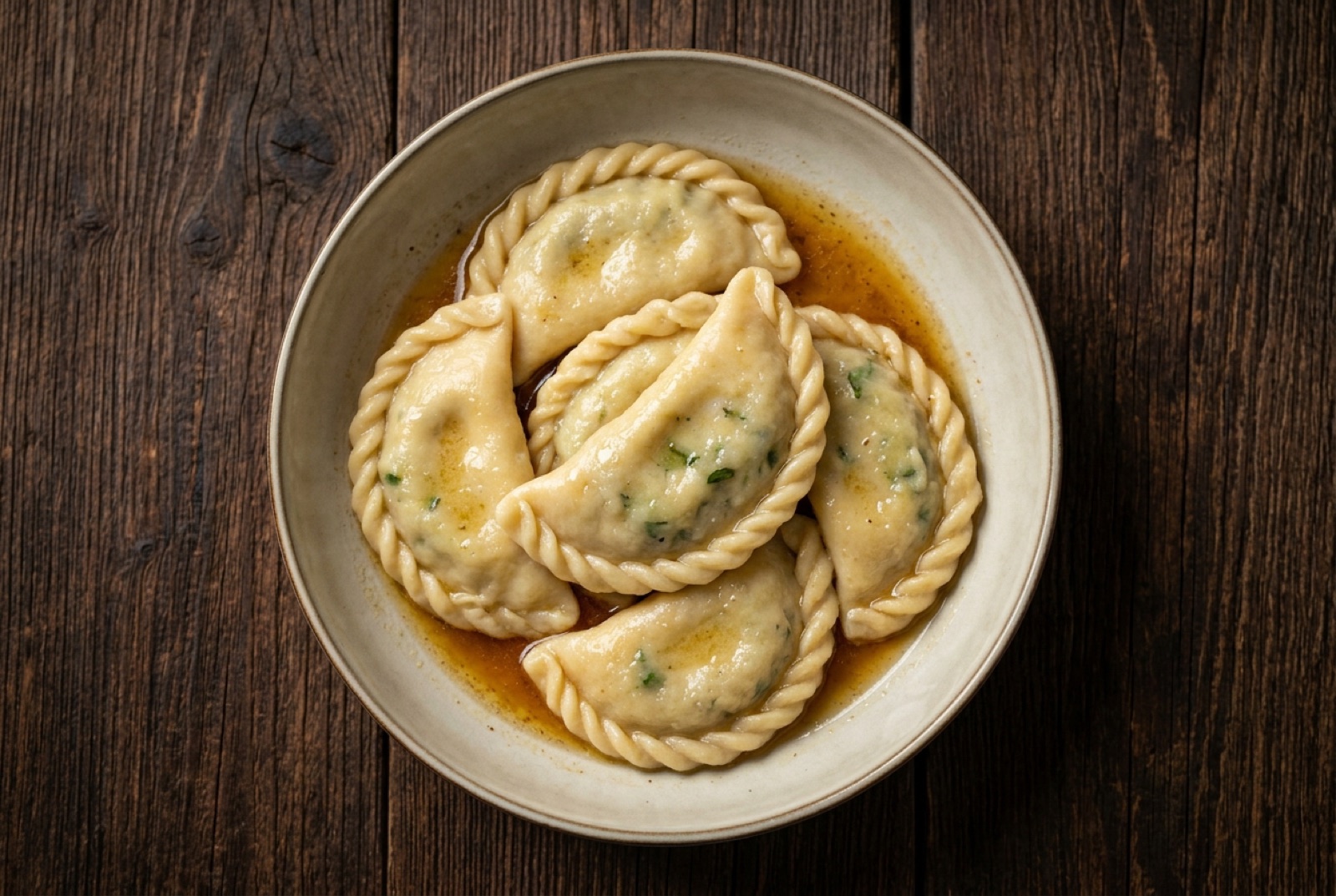
- The southern border kitchen, sharing dumpling and curd-cheese traditions with Slovenia and Friuli. Kasnudeln with their hand-crimped edge are the region's signature, along with lake fish and Reindling yeast cake.
- R4Tyrol, Salzburg and Vorarlberg
- Alpine food built for cold weather and hard work: Speck, mountain cheese, Knödel of every kind, Kaspressknödel soup, and hut desserts like Kaiserschmarrn eaten mid-ski rather than after dinner.
All Austria recipes.
10 recipes and counting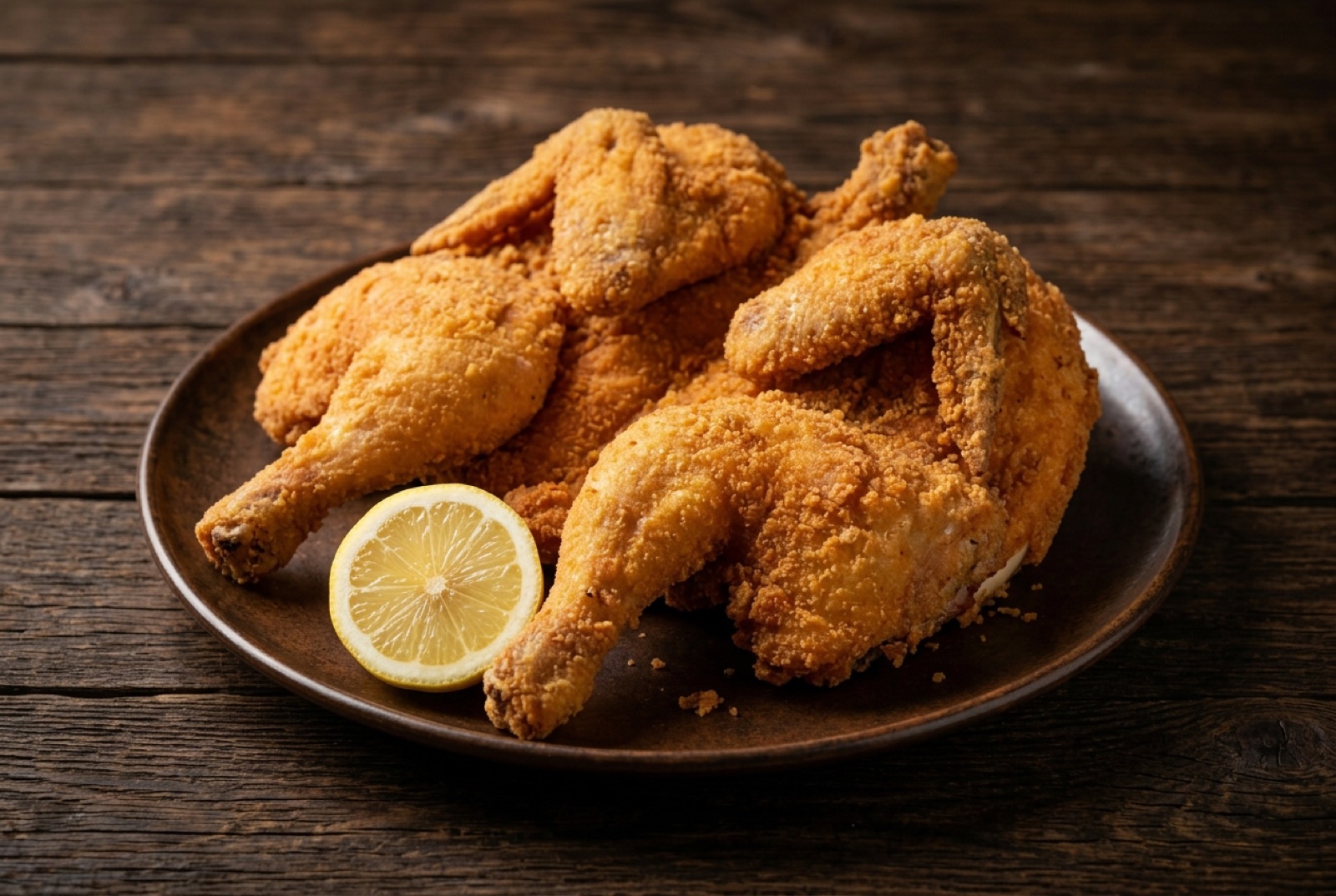
Austria2 hr
Backhendl
Austrian Breaded Fried Chicken
Austria1 hr
Erdäpfelsalat
Austrian Warm Potato Salad
Austria1 hr 10 min
Frittatensuppe
Beef Broth with Sliced Pancakes
Austria55 min
Kaiserschmarrn
Shredded Austrian Emperor Pancake
Austria1 hr 50 min
Kärntner Kasnudeln
Carinthian Curd Cheese Dumplings
Austria4 hr 15 min
Liptauer
Viennese Paprika Cheese Spread
Austria5 hr 40 min
Sachertorte
Viennese Chocolate and Apricot Cake
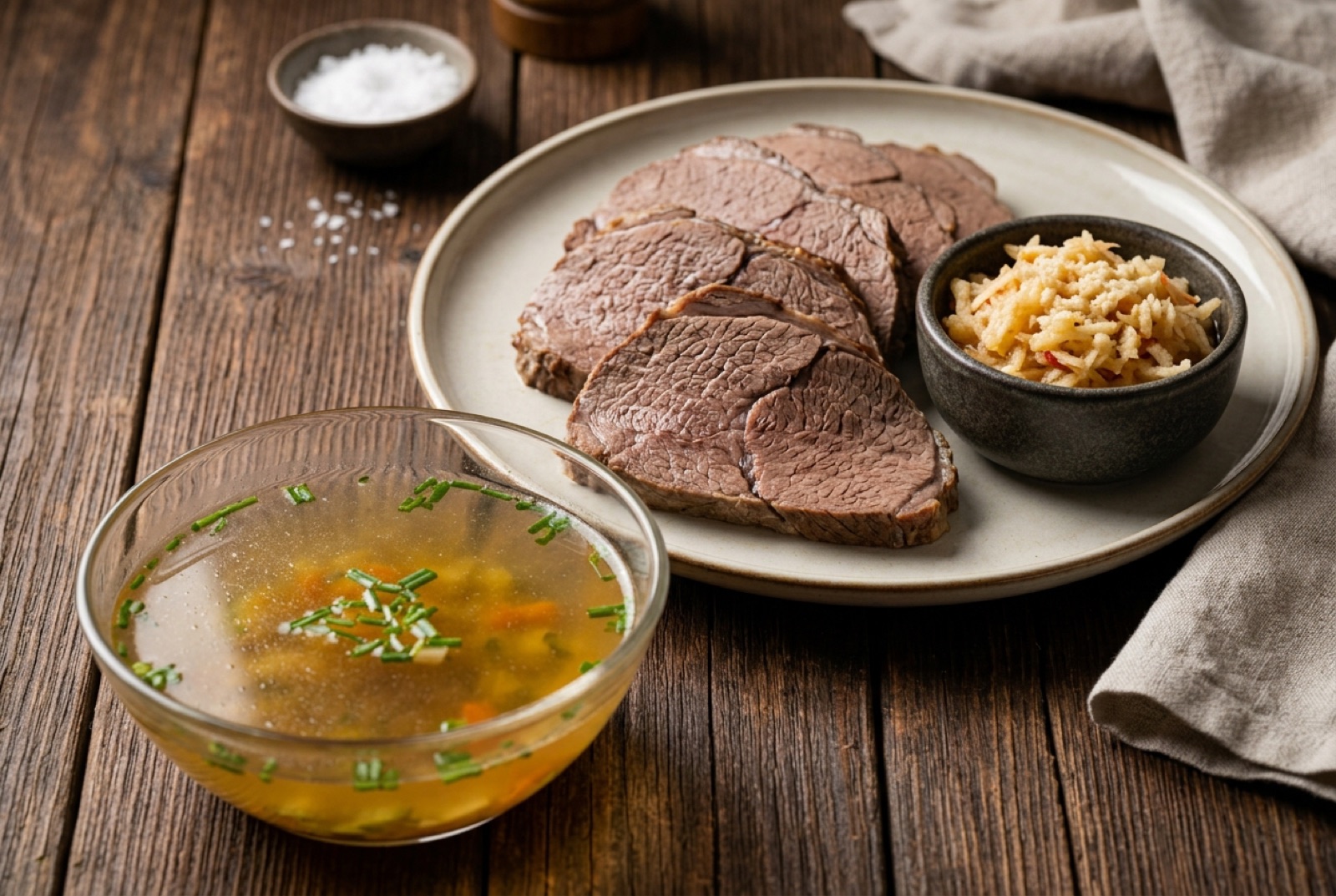
Austria3 hr 40 min
Tafelspitz
Viennese Boiled Beef in Broth
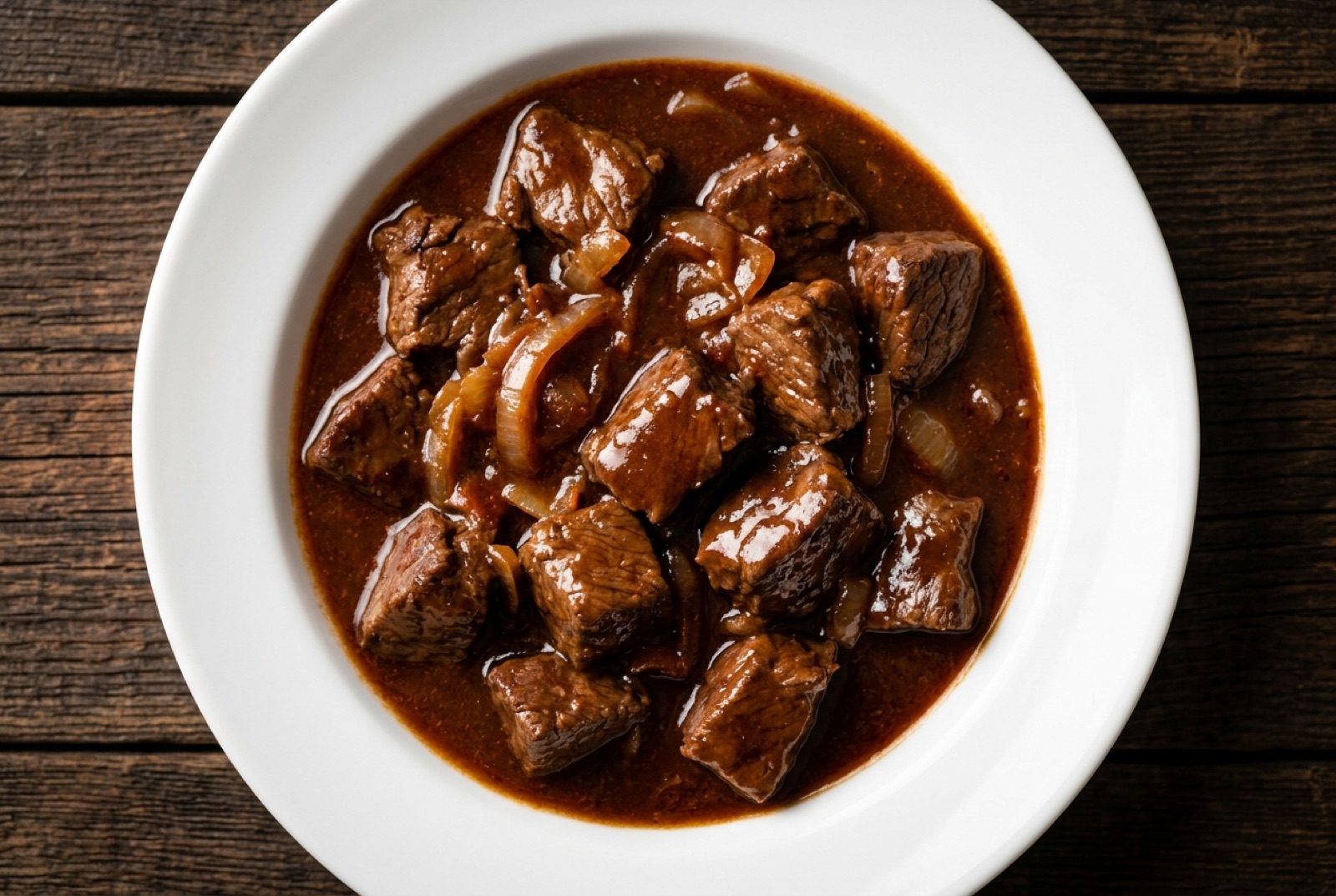
Austria3 hr 30 min
Wiener Saftgulasch
Viennese Beef Goulash
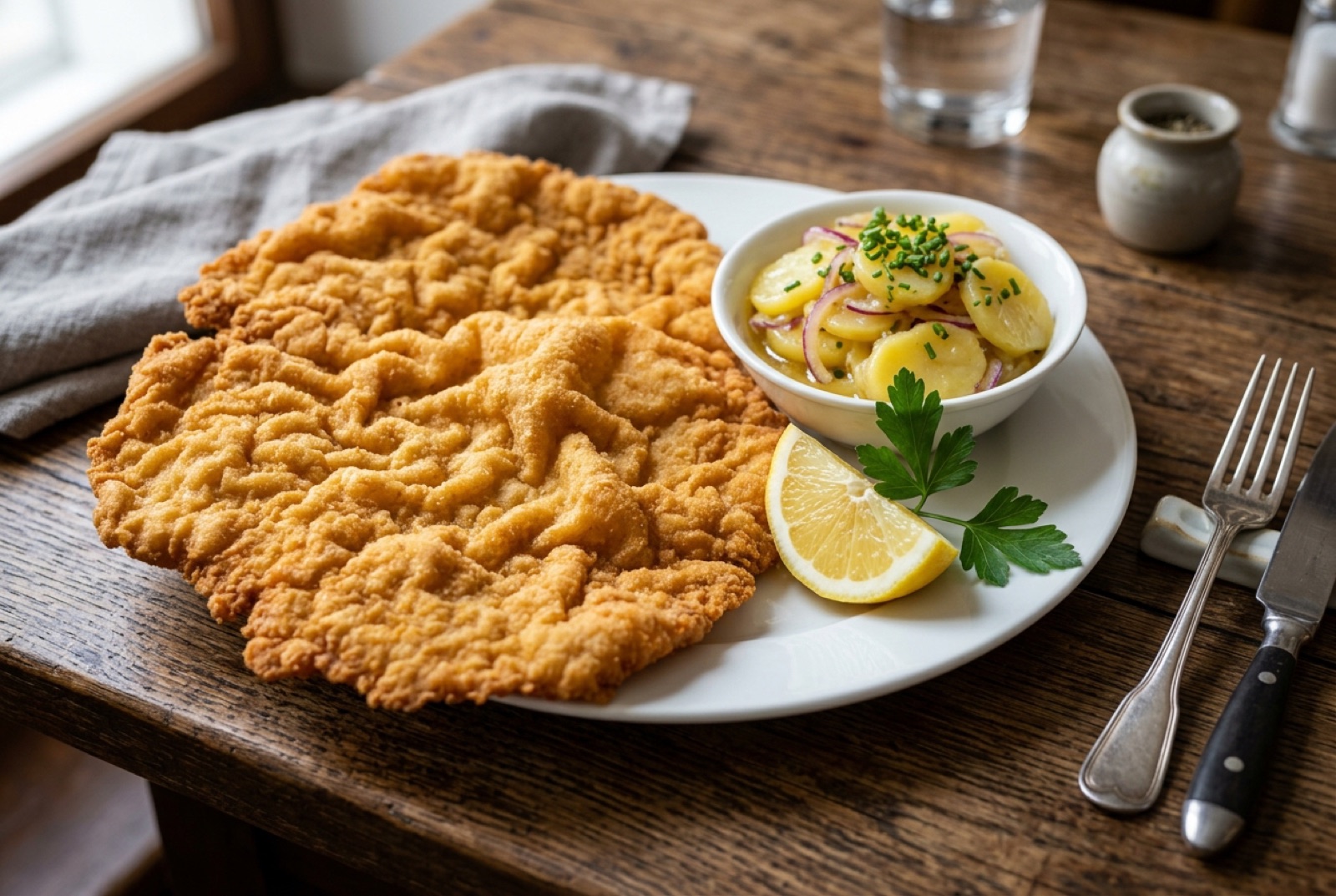
Austria40 min
Wiener Schnitzel
Viennese Breaded Veal Cutlet
Keep traveling.
Austria sits in Central Europe, and its kitchen shares borders as well as ingredients with Albania and Belgium.
 Albania
 Belgium