Cuba.
Cuba
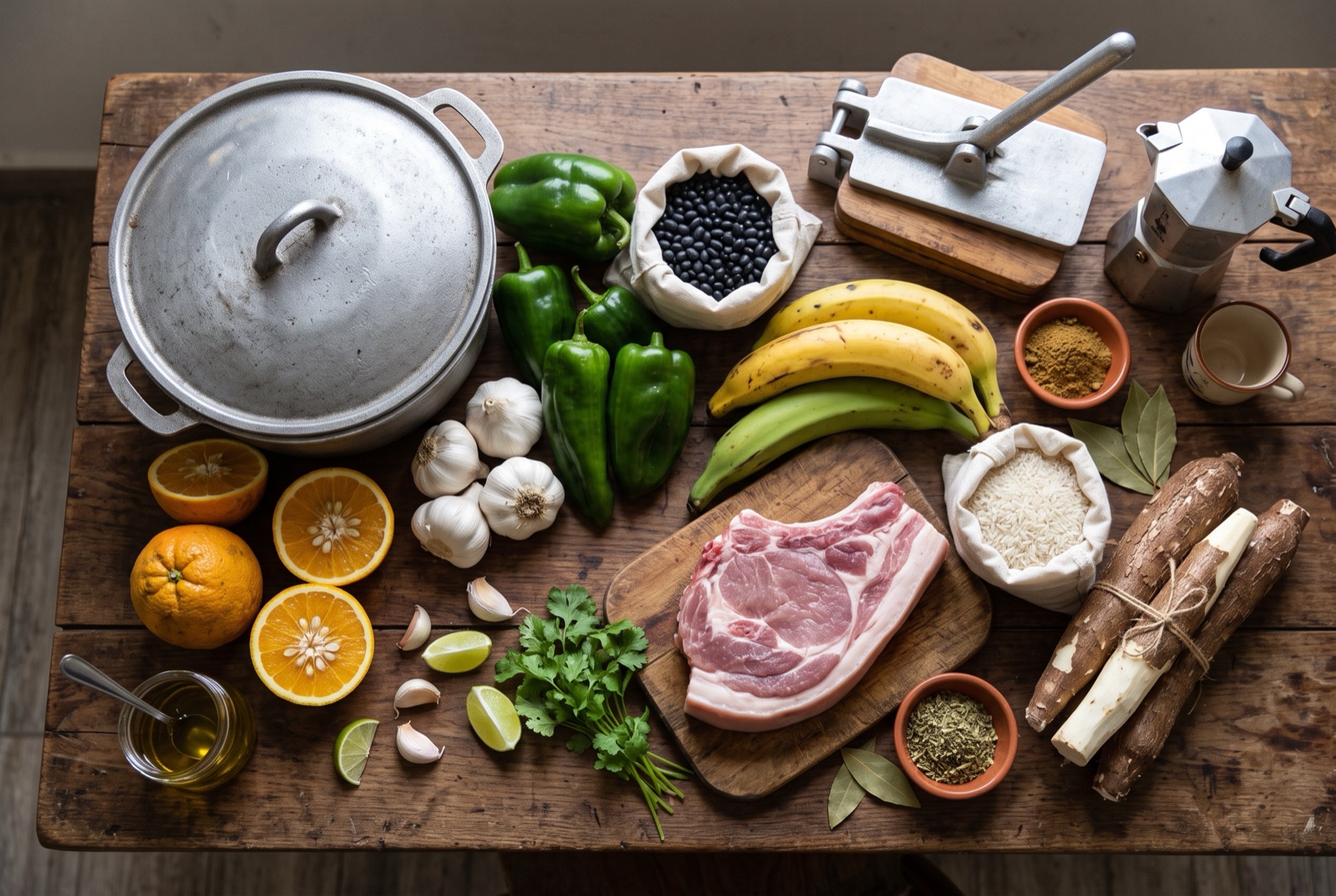
Cuban cooking is Spanish technique rebuilt with Caribbean ingredients and seasoned by African hands, and it is far less fiery than outsiders expect. Almost every savory dish starts from the same place: sofrito, a slow fry of onion, green bell pepper and garlic in olive oil or lard, pushed with cumin, dried oregano and bay until it smells sweet rather than sharp. Heat comes from garlic and citrus, not chile — the sour orange marinade called mojo does the work a chile paste would do elsewhere. Around that core sit the constants of the Cuban plate: white rice, black beans, roast pork, and fried plantains in one of their many forms. It is a cuisine of long, patient braises and cheap cuts made luxurious, shaped further by decades of scarcity that taught cooks to stretch, substitute and waste nothing. What survives is deeply savory, garlicky, faintly sweet food that tastes like it was cooked for a crowd.

- Continent
- North AmericaCaribbean
- Recipes in atlas
- 10
- Must-try dishes
- 3
- Pantry staples
- 10
Start with the classics.
Must tryThe dishes that explain the Cuba kitchen fastest — if you cook only a few things from this page, cook these.
Inside the Cuba kitchen.
Sofrito is the engine. Onion and green pepper are cut small and cooked in fat over moderate heat until they collapse and turn glossy — not browned, but well past raw — then garlic goes in for a minute, followed by ground cumin and oregano crushed between the palms, and usually tomato paste fried until it darkens from red to brick. Get this stage right and a stew of almost nothing tastes finished; rush it and no amount of later seasoning rescues the pot. Bay leaf, a splash of dry white wine or beer, and sometimes a pinch of achiote for colour round it out.
The second pillar is mojo. Sour orange — the bitter naranja agria, replaced almost everywhere else by a mix of orange and lime juice — is pounded with a shocking quantity of raw garlic, salt and dried oregano, and used as marinade for pork, dressing for boiled cassava, and dipping sauce for fried plantains. Cuban cooks do not brown their garlic into mojo; it stays raw and pungent, which is why the sauce tastes so alive next to rich roast meat.
Starch is where the island shows its Caribbean face. Rice appears at practically every meal, either plain and white or cooked directly in black bean broth as congri or moros y cristianos. Plantains carry a whole grammar of their own: green and twice-fried into tostones, ripe and caramelised into maduros, boiled and mashed into fufu. Root vegetables — yuca, malanga, boniato — are boiled soft and drowned in mojo, and they are what Cubans mean by viandas.
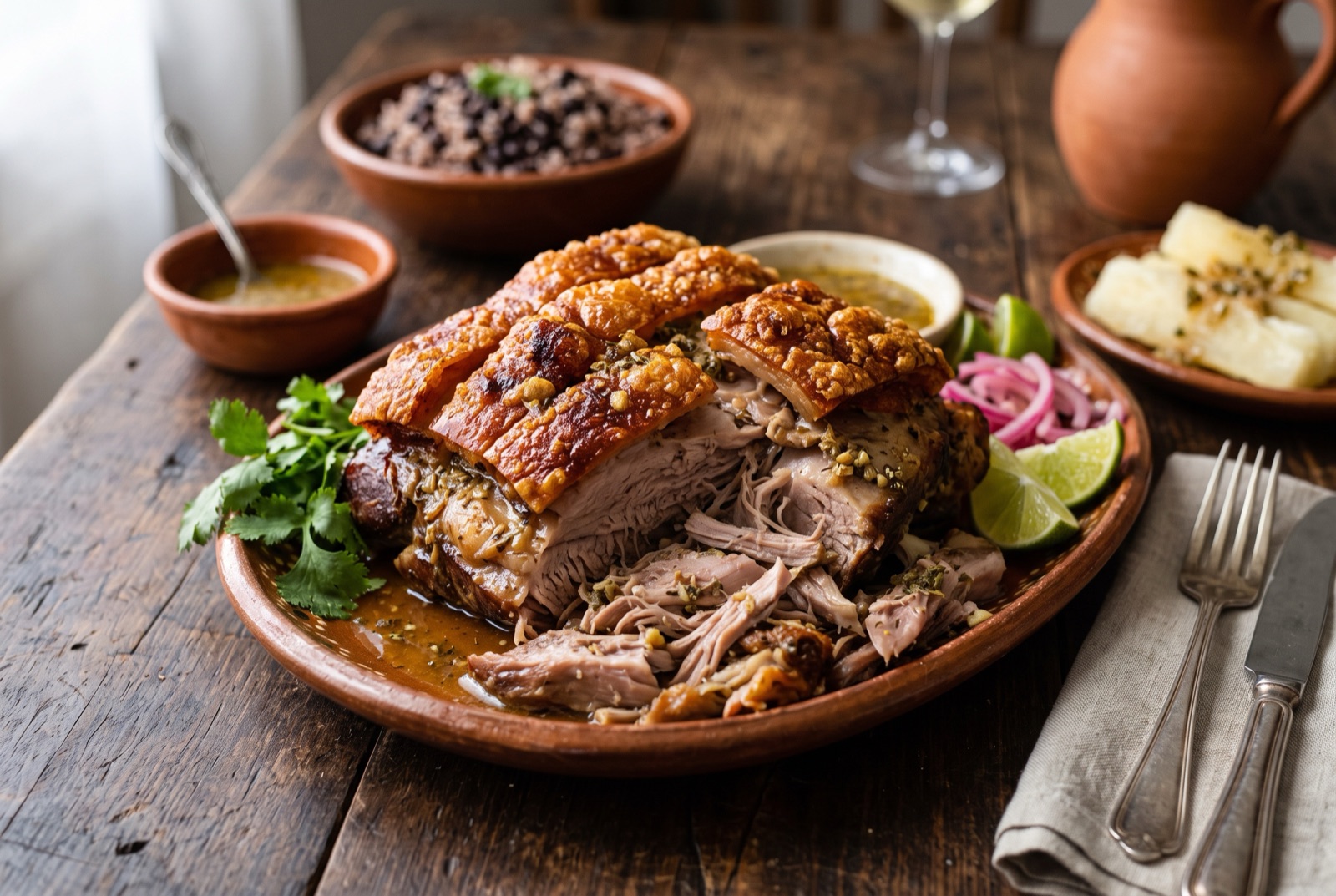
Meat leans overwhelmingly toward pork. A whole pig roasted in a caja china box or over coals is the centrepiece of Christmas Eve and every serious celebration, and the leftovers become sandwiches, fried masitas and croquettes. Beef enters through braises — ropa vieja, boliche, picadillo — where a tough cut simmers until it surrenders. Chicken is everyday food, usually with rice. Seafood is present but far less central than the island geography suggests, a legacy of both taste and restricted access to fishing.
Regional variation is real but subtle. The eastern provinces around Santiago show stronger Haitian and Franco-Caribbean influence, more chile and coconut, and dishes like congrí oriental made with red beans. Central Cuba is cattle and dairy country. Havana is where Spanish tavern cooking, immigrant Chinese kitchens and American diner habits collided, producing the sandwich culture and the cocktail bars the city is known for.
Signature pantry.
10 staplesThe ingredients this cuisine cannot function without.
- sour orange (naranja agria)
- garlic
- green bell pepper
- ground cumin
- dried oregano
- black beans
- plantains
- pork shoulder
- white rice
- yuca (cassava)
How people eat in Cuba.
Lunch and dinner are built around a plate rather than courses: a protein, a mound of white rice, beans either poured over the rice or served in a bowl beside it, fried plantains and a simple salad of tomato, cucumber and avocado dressed with oil and vinegar. Bread is on the table almost always. Nobody serves chile sauce; a bottle of vinegar or a dish of mojo does the sharpening. Coffee is drunk as a small, very sweet cafecito after eating, and offering one to a visitor is close to obligatory. Celebrations reverse the order of importance — the pork is the event, everything else supports it — and family meals stretch long past the food, which is understood as the point.
Regional kitchens.
Cuba cooks 4 distinctly different ways depending on where you stand — here is what changes between them.
- R1Havana and the West
- The island's cosmopolitan kitchen, where Spanish tavern cooking met Chinese immigrant restaurants and American bar culture. Picadillo a la habanera, the pressed Cuban sandwich and the classic rum cocktails all belong here.
- R2Oriente (Santiago and the East)
- Closest to Haiti and Jamaica, and it tastes like it: more coconut, more chile, red beans instead of black in the local congrí, and a stronger Franco-Caribbean streak in seasoning.
- R3Central Cuba (Camagüey and Sancti Spíritus)
- Cattle country and the heart of the old sugar belt. Beef braises and dairy sweets are more common, and the region is known for cheese and for guava paste eaten with it.
- R4Pinar del Río and the countryside
- Tobacco and farming country, where guajiro cooking is at its plainest and best: roast pork, viandas boiled and dressed with mojo, and rice cooked in bean broth.
All Cuba recipes.
10 recipes and counting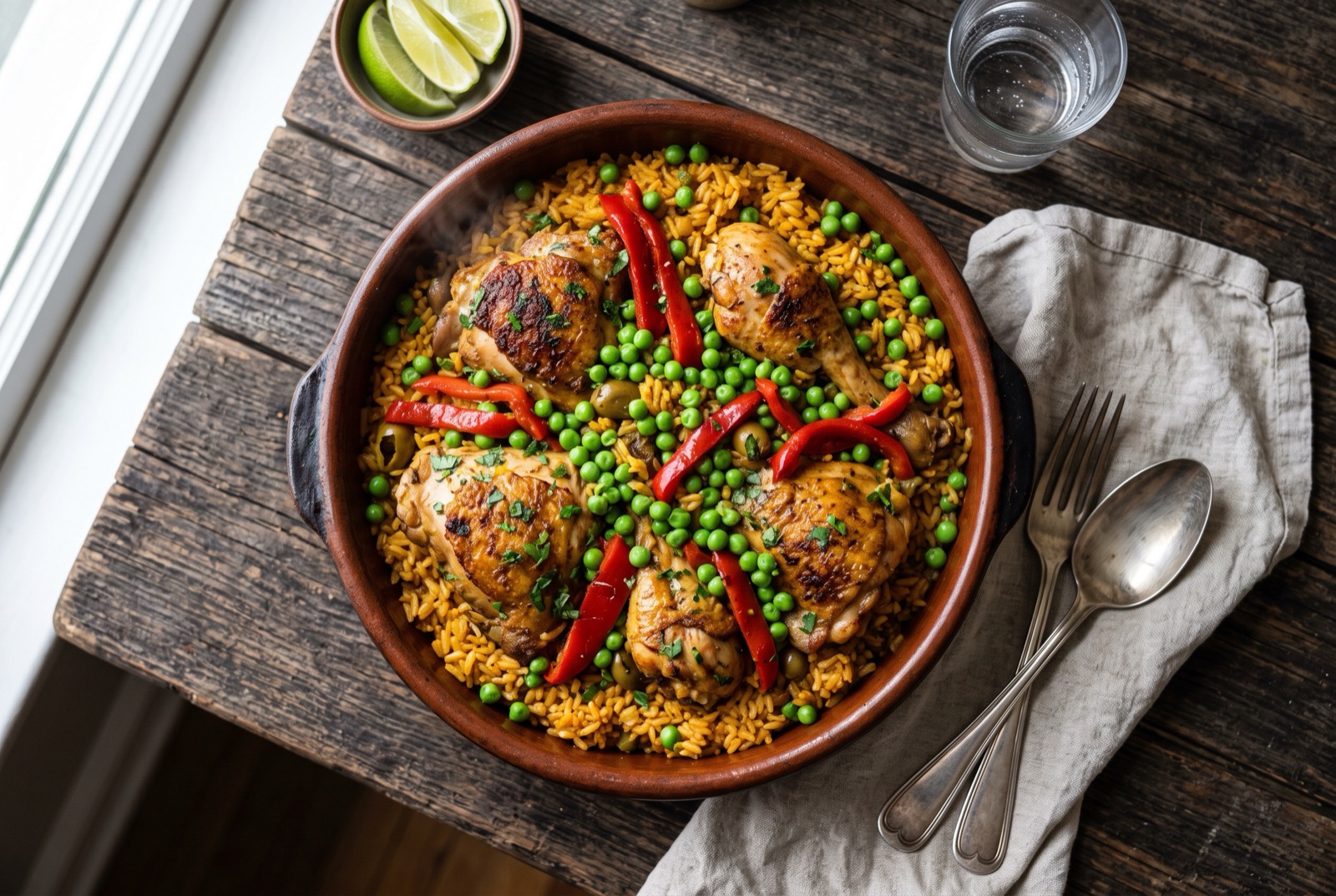
Cuba1 hr 30 min
Cuban Arroz con Pollo
Chicken and Yellow Rice a la Cubana
Cuba9 hr 25 min
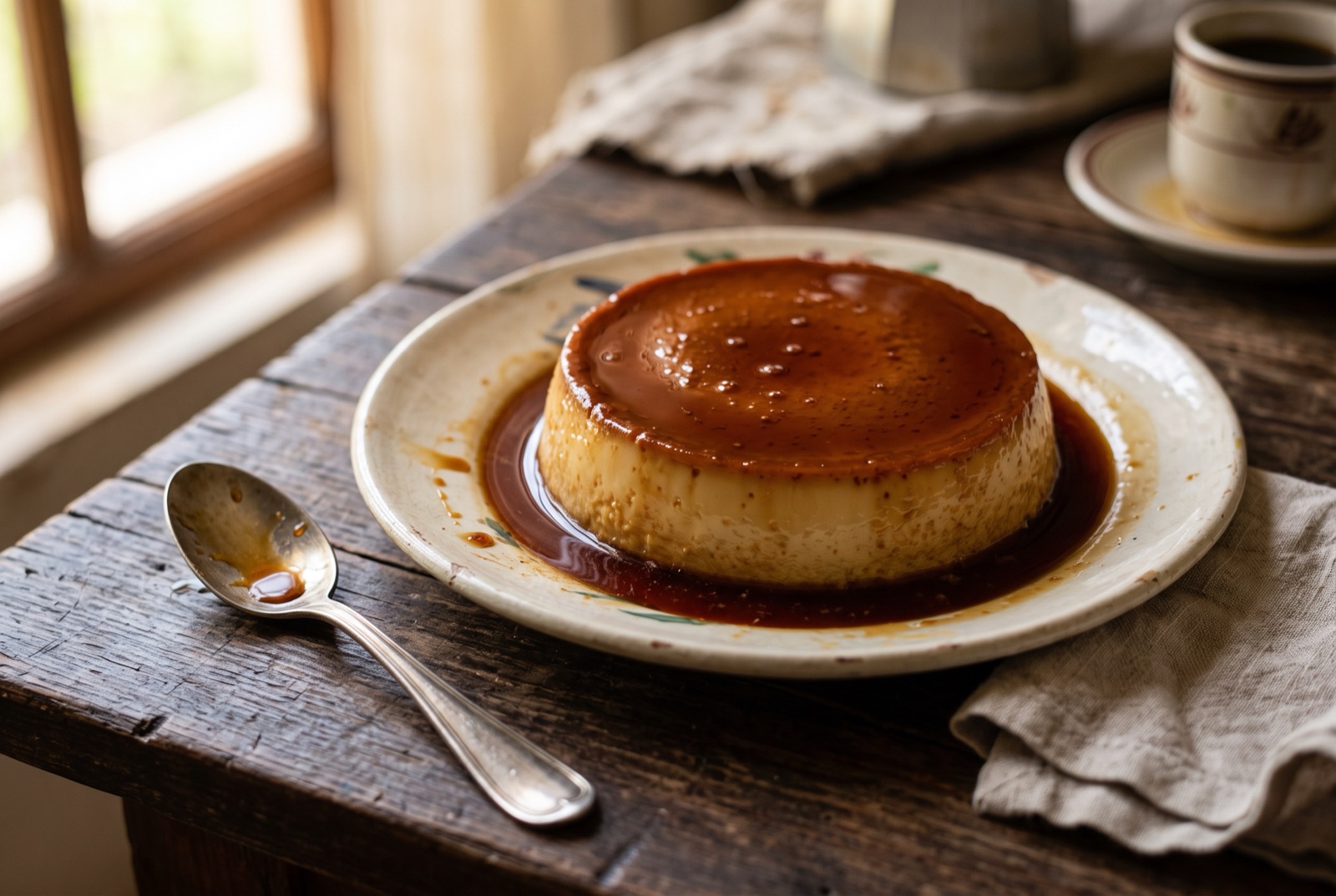
Flan Cubano
Condensed Milk Caramel Custard
Cuba6 hr 40 min
Lechon Asado
Cuban Mojo Roast Pork Shoulder
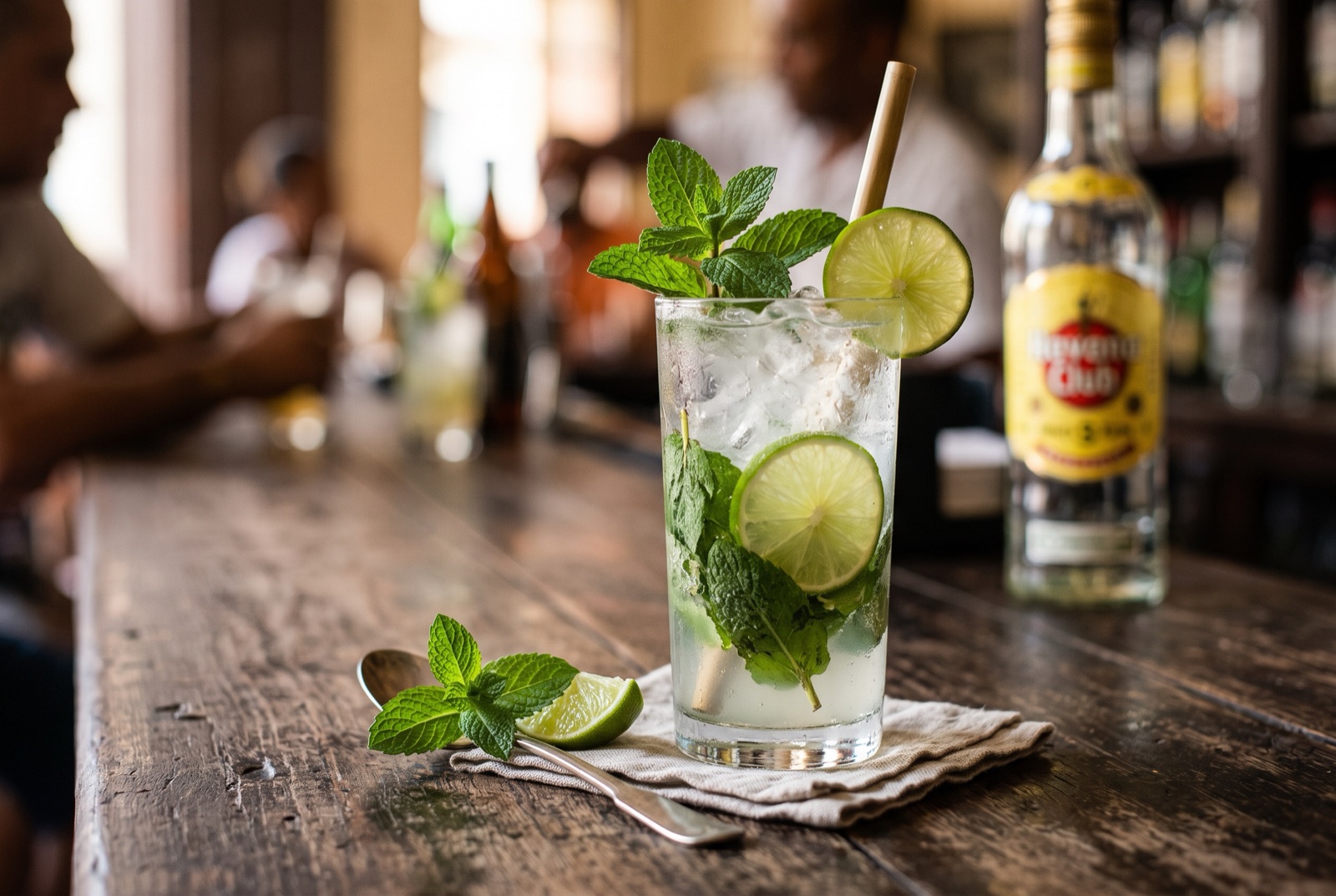
Cuba5 min
Mojito
Cuban Rum, Lime and Mint Highball
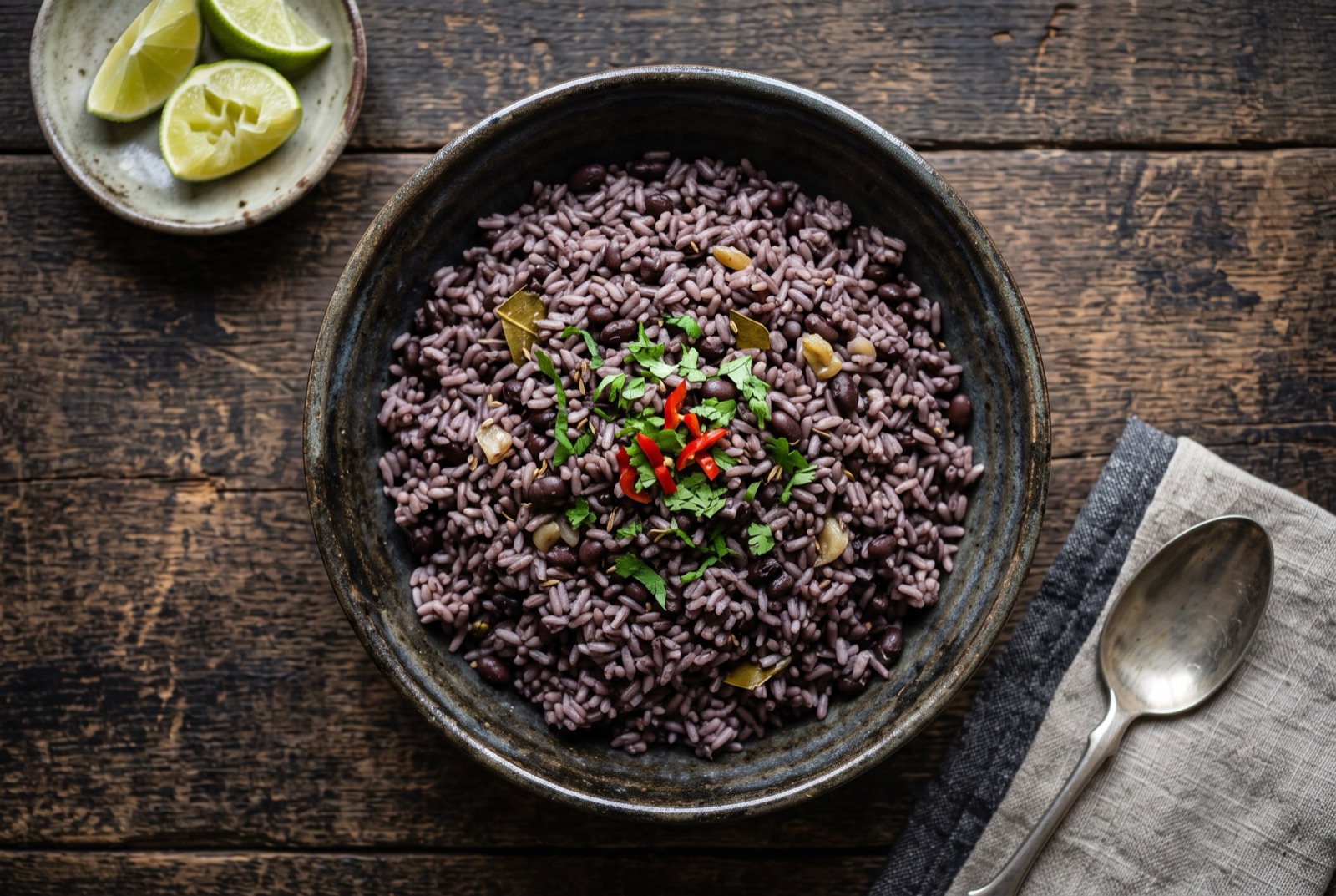
Cuba2 hr 5 min
Moros y Cristianos
Cuban Black Beans Cooked with Rice
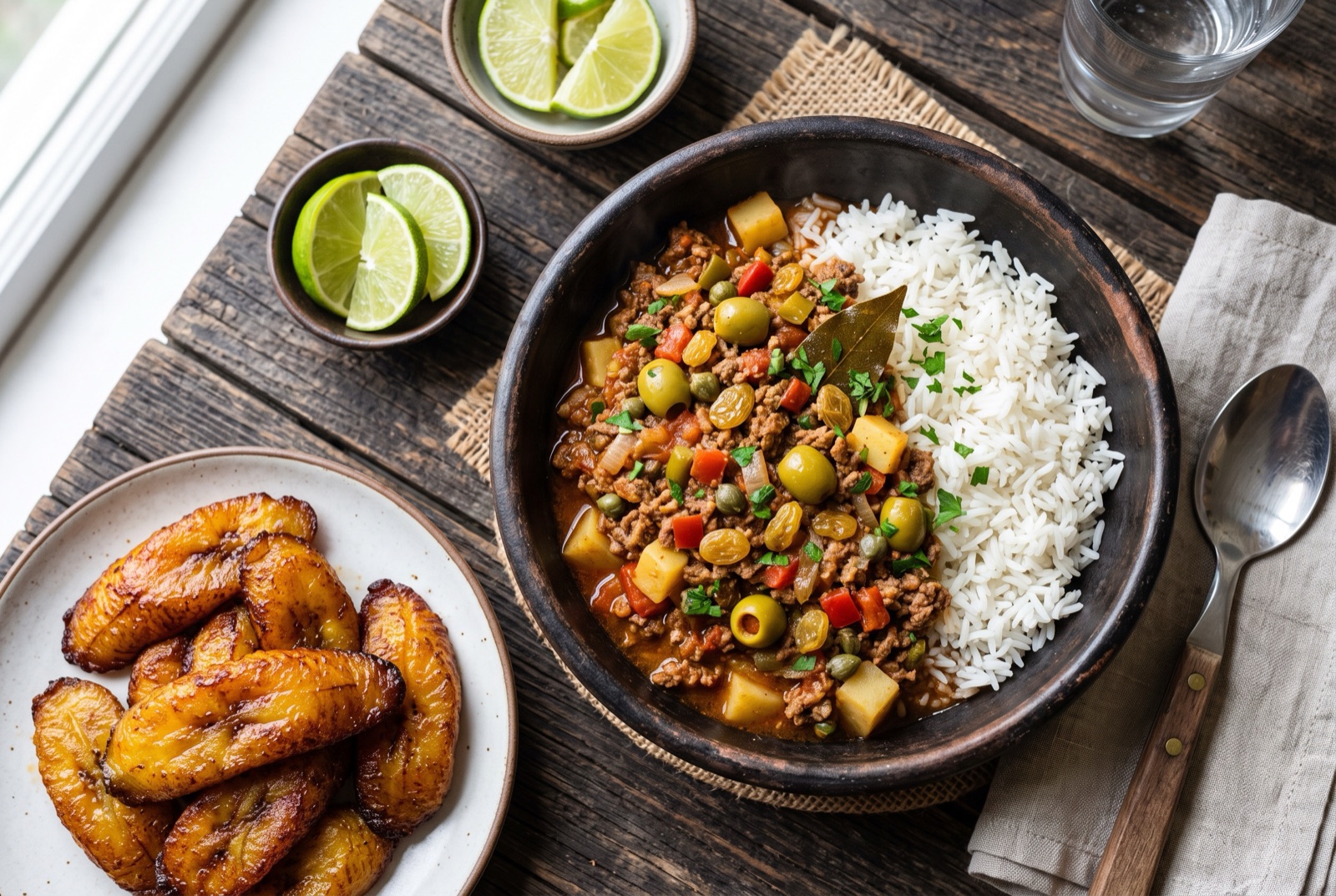
Cuba50 min
Picadillo a la Habanera
Beef with Olives and Raisins
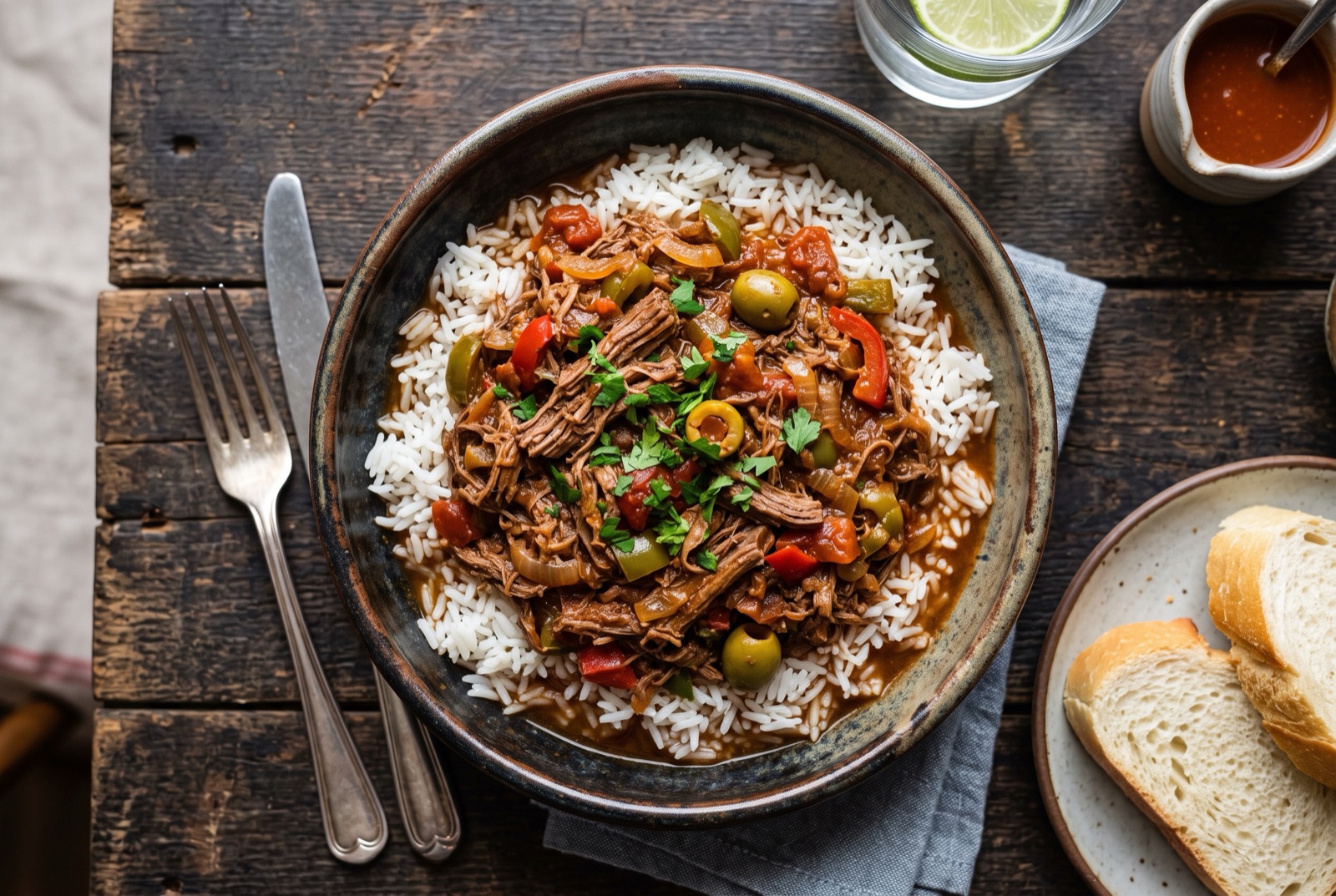
Cuba2 hr 55 min
Ropa Vieja
Cuban Shredded Beef in Pepper Sauce
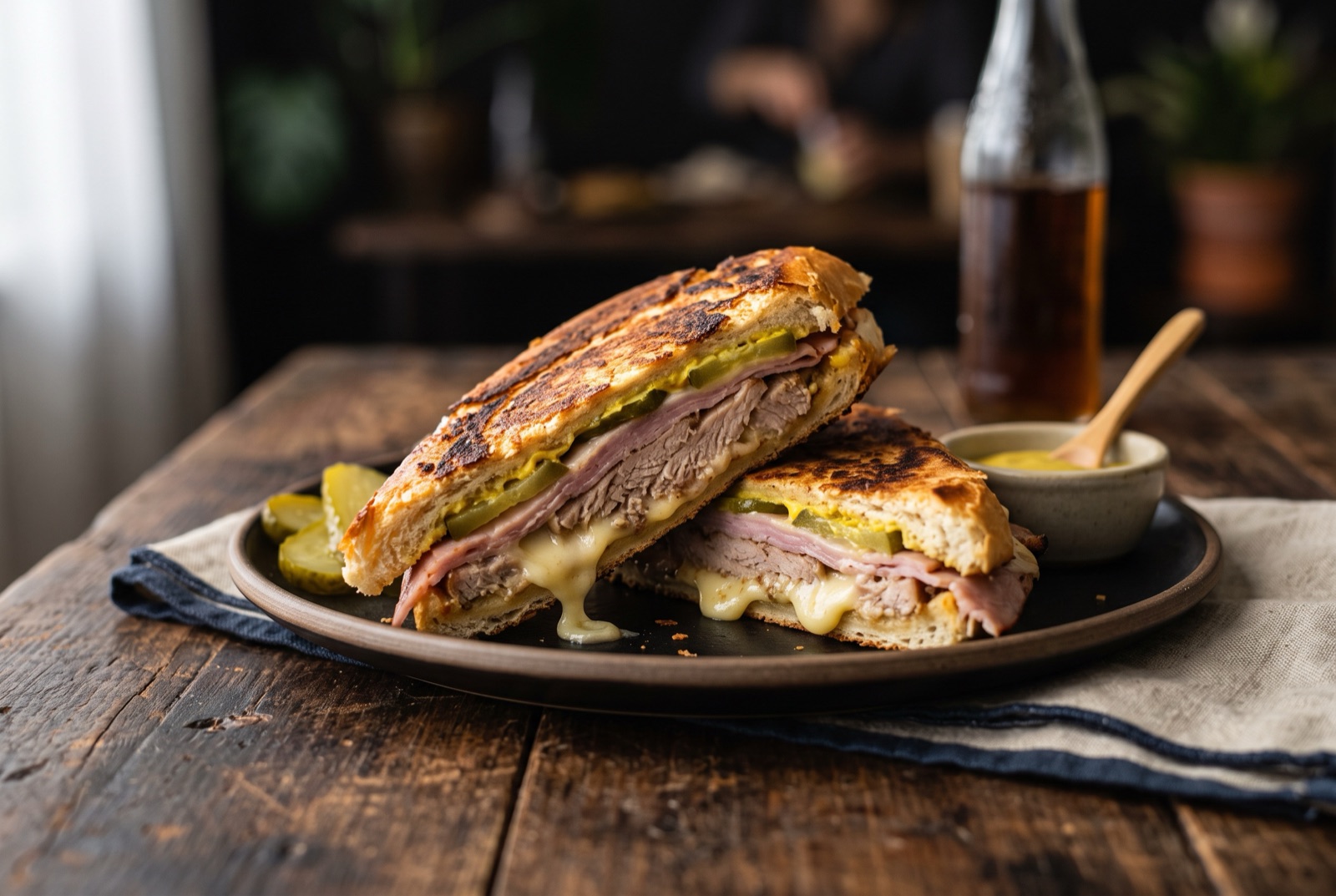
Cuba25 min
Sandwich Cubano
Pressed Ham and Roast Pork Sandwich
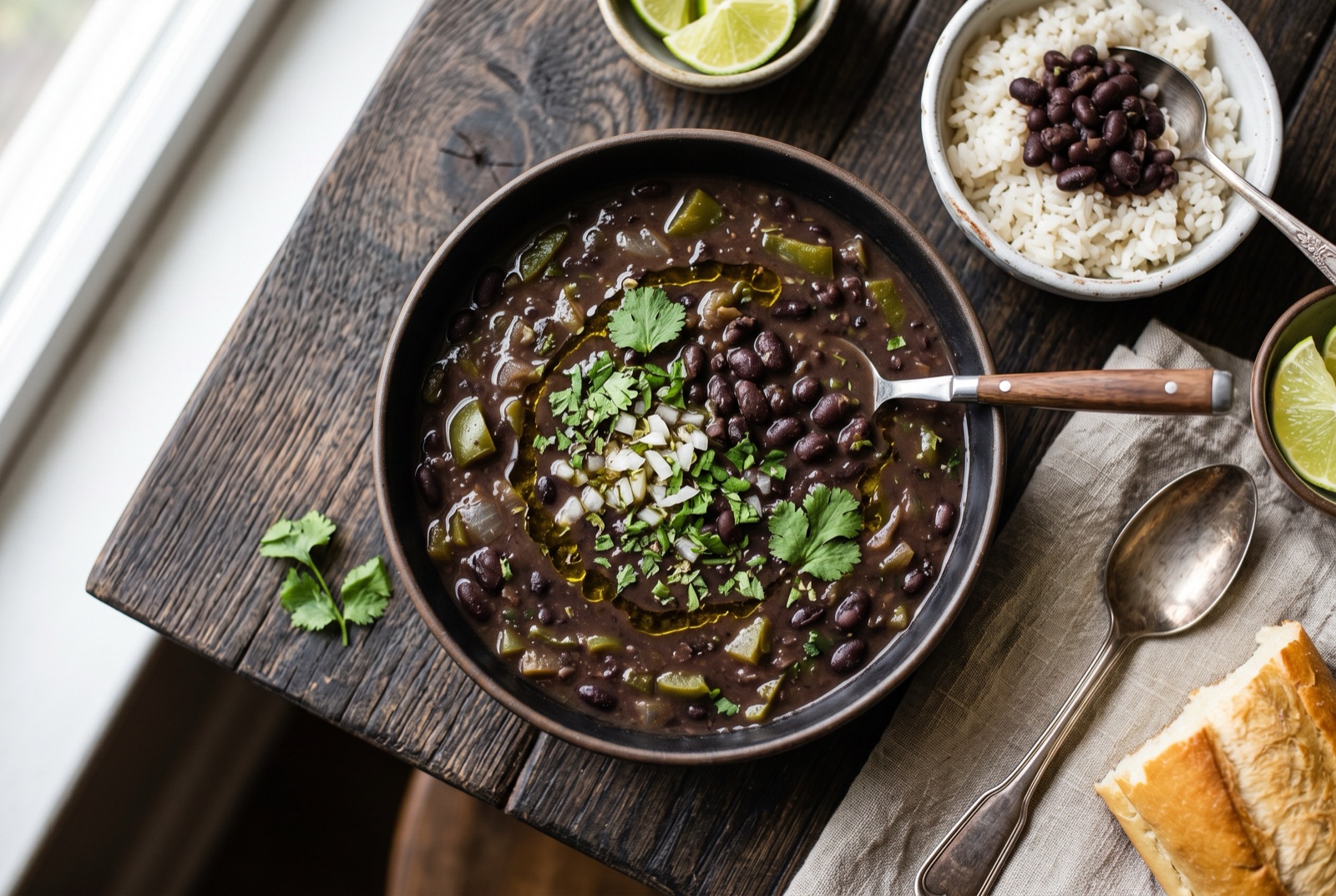
Cuba2 hr
Sopa de Frijoles Negros
Cuban Black Bean Soup
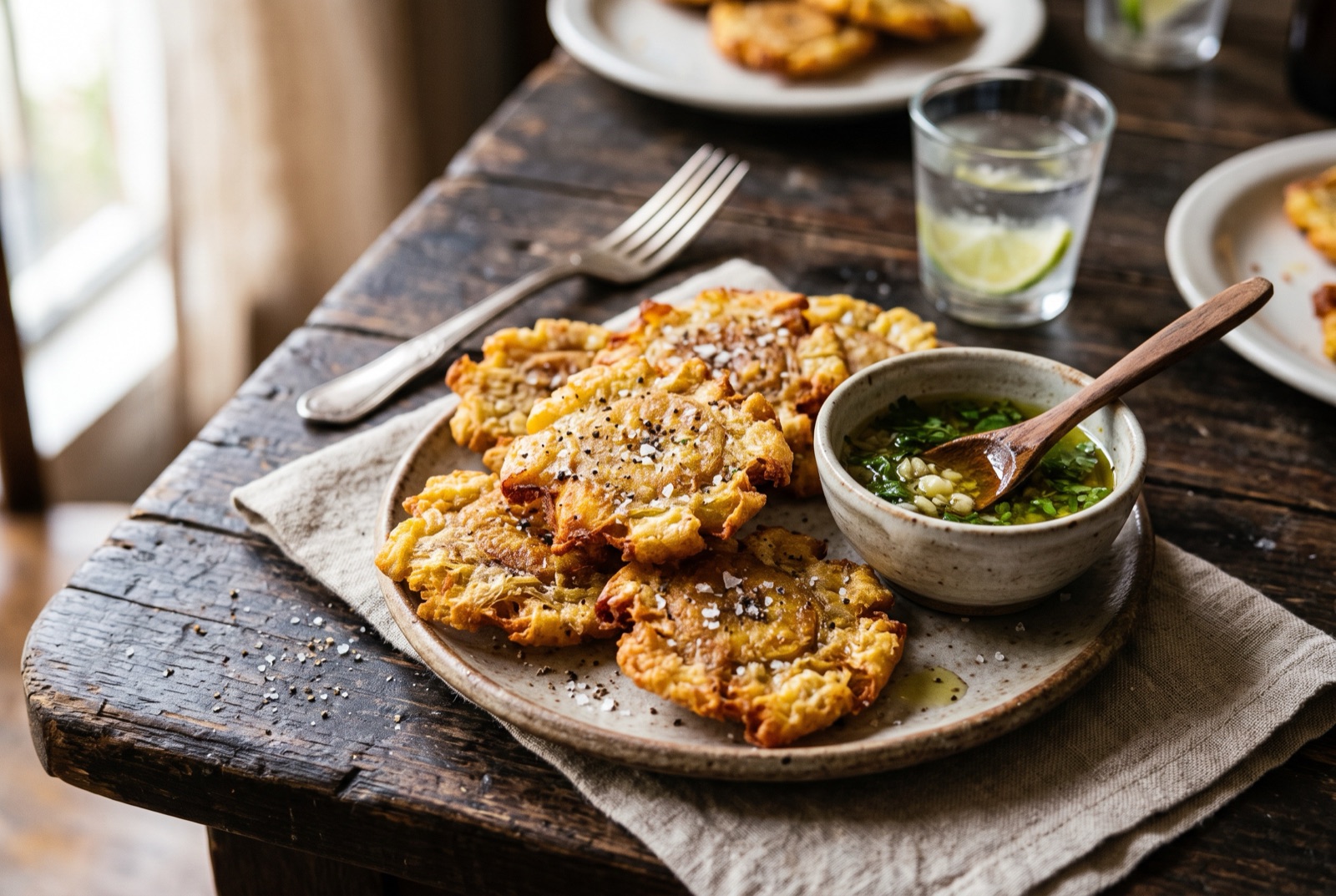
Cuba40 min
Tostones
Cuban Twice-Fried Green Plantains
Keep traveling.
Cuba sits in Caribbean, and its kitchen shares borders as well as ingredients with Canada and Costa Rica.
 Canada
 Costa Rica