Dominican Republic.
República Dominicana
Dominican cooking is built on starch, sofrito and patience. Where other Caribbean kitchens lean on fire and dry heat, this one leans on the pot: meat browned in caramelised sugar and then braised until the sauce turns glossy, beans coaxed soft with squash for body, root vegetables boiled until they surrender into broth. The seasoning grammar is narrow and used constantly — garlic, onion, mild ají cubanela peppers, culantro, dried oregano rubbed between the palms, sour orange, a splash of vinegar, olives and capers for a salty jolt. Chile heat is almost absent; Dominicans season for depth, not burn, and put the hot sauce on the table for anyone who wants it. Green plantain does the work bread does elsewhere, appearing boiled and mashed at breakfast, fried flat at lunch and pounded with garlic at dinner. And the everyday rhythm is unusually fixed: lunch is the real meal, it is almost always rice with stewed beans and stewed meat, and it is eaten at home if at all possible.

- Continent
- North AmericaCaribbean
- Recipes in atlas
- 10
- Must-try dishes
- 3
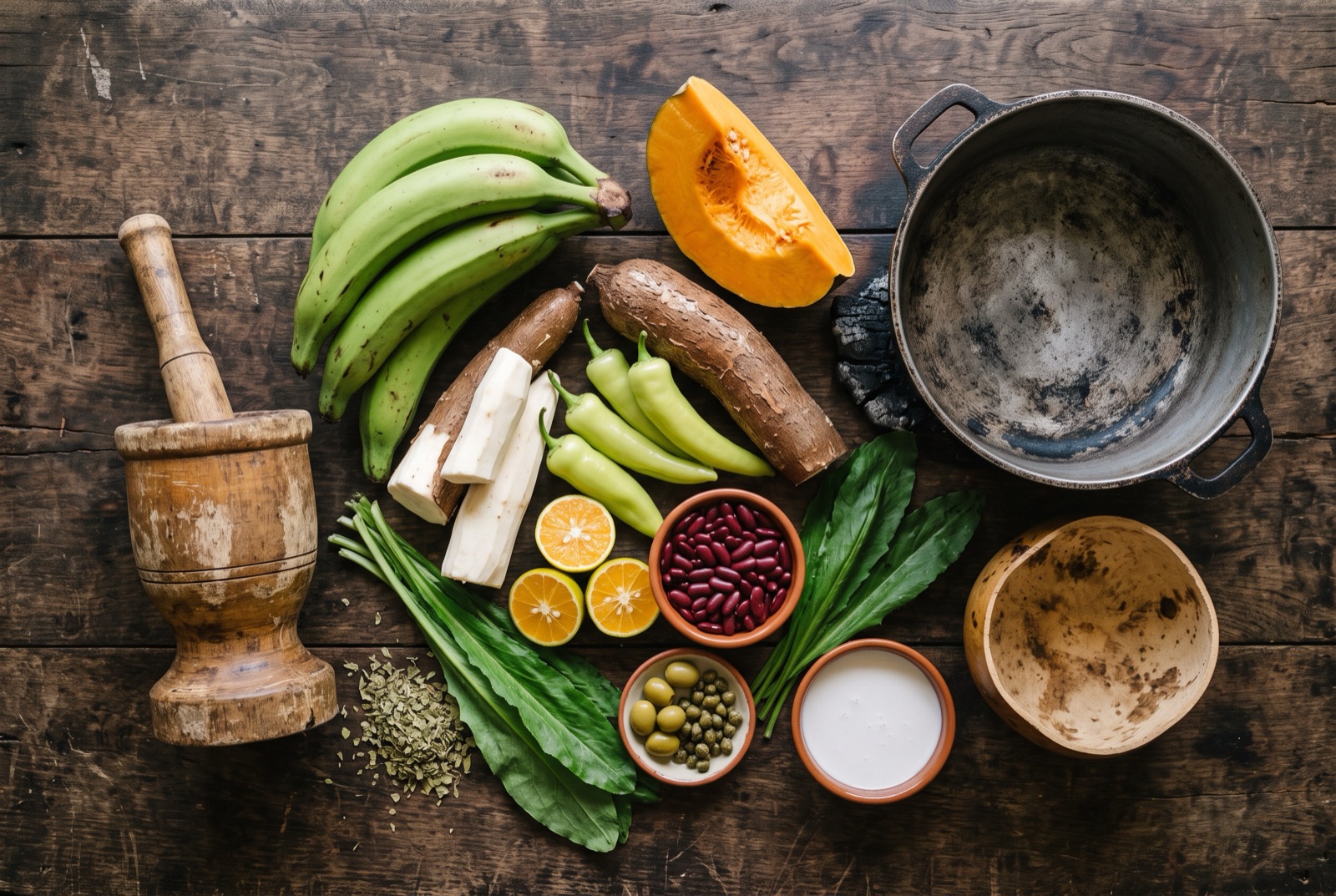
- Pantry staples
- 10
Start with the classics.
Must tryThe dishes that explain the Dominican Republic kitchen fastest — if you cook only a few things from this page, cook these.
Inside the Dominican Republic kitchen.
The engine of the cuisine is sazón — not the packet, but the habit. A Dominican cook keeps a jar of sofrito or a bowl of crushed garlic, oregano, onion and ají cubanela within arm's reach, and almost every savoury dish starts by meeting it. Meat is seasoned hours ahead with that paste plus sour orange or lime, and the acid is doing real work: it tenderises, it cuts the fat of pork and goat, and it gives the finished stew a brightness that survives long cooking.
The second signature technique is far more specific: browning sugar in oil until it darkens to the colour of strong tea, then dropping the meat straight into it. This is how pollo guisado and carne guisada get their mahogany colour and faint bittersweet edge, and it is the step most foreign recipes skip or fake with browning sauce. The sugar must go past golden — at golden it is merely sweet — but stop before it smokes, because burnt-bitter cannot be rescued.
Starch is not a side here, it is the architecture. Green plantain (plátano verde), yuca, yautía, ñame, auyama and sweet potato are collectively called víveres, and a Dominican market sells them by the armful. They behave differently: yuca goes translucent and fibrous at the core, yautía dissolves and thickens broth, auyama collapses entirely and is often used deliberately as a thickener in beans and sancocho. Understanding which root melts and which holds is most of what makes a good sancocho.
The plate itself is standardised to a degree that surprises visitors. La bandera — white rice, stewed red beans, stewed meat, with salad or tostones — is lunch on most days in most households, and the variation happens in the meat and the side rather than the structure. Breakfast is its own fixed set: mangú with fried cheese, fried salami and eggs, the famous tres golpes. Dinner is usually light, sometimes just coffee and bread.
Regional difference is real but subtle. The Cibao valley in the north is the agricultural heartland and the home of the heaviest, most meat-loaded sancochos; Samaná, settled partly by English-speaking freed Americans in the 1820s, cooks fish in coconut milk in a way the rest of the island does not; the arid southwest around Azua and Barahona leans on goat, which grazes on wild oregano and tastes of it; and the beaches of the east — Boca Chica above all — gave the country its fried snack culture, yaniqueques and fried fish eaten standing in the sand. Haitian, Spanish, Taíno and West African threads run through all of it: the sofrito and the olives are Iberian, the root vegetables and the cassava technique are Taíno, and the plantain pounding, the one-pot stews and the frying culture came across the Atlantic with enslaved Africans.
Signature pantry.
10 staplesThe ingredients this cuisine cannot function without.
- green plantains
- yuca (cassava)
- auyama (West Indian pumpkin)
- dried oregano
- sour orange
- culantro
- ají cubanela peppers
- red kidney beans
- olives and capers
- coconut milk
How people eat in Dominican Republic.
Lunch is the anchor of the Dominican day, eaten between noon and two, and it is a full plate rather than a snack — many people still go home for it. Rice is served first and generously, beans are ladled over it rather than beside it, and the meat sits on top with its sauce. Hot sauce and vinegar-cured peppers live on the table, never in the pot, so heat is a personal decision. Second helpings are pressed on guests and refusing the first offer is expected rather than rude. Coffee arrives small, strong and sweet at almost any hour, often as the entire evening meal alongside bread. Sunday belongs to sancocho, which is cooked for a crowd and is a reason to gather rather than a course.
Regional kitchens.
Dominican Republic cooks 4 distinctly different ways depending on where you stand — here is what changes between them.
- R1El Cibao
- The fertile northern valley around Santiago and La Vega, and the country's farm belt. Its sancocho is the richest version on the island, and its kitchens use more pork and more root vegetables than anywhere else.
- R2Santo Domingo and the South Coast
- The capital sets the national standard plate — la bandera, chicharrón de pollo, mofongo — and its street corners run on fried food, fruit juices and the strongest coffee in the country.
- R3Samaná
- A green peninsula with its own history: descendants of freed African Americans who arrived in the 1820s, and a coconut-heavy kitchen that stews fish in coconut milk rather than tomato.
- R4The Southwest (Azua and Barahona)
- Dry, hot and goat country. Chivo liniero is marinated in sour orange and rum and tastes faintly of the wild oregano the animals graze on, and the coast supplies sea salt and fresh fish.
All Dominican Republic recipes.
10 recipes and counting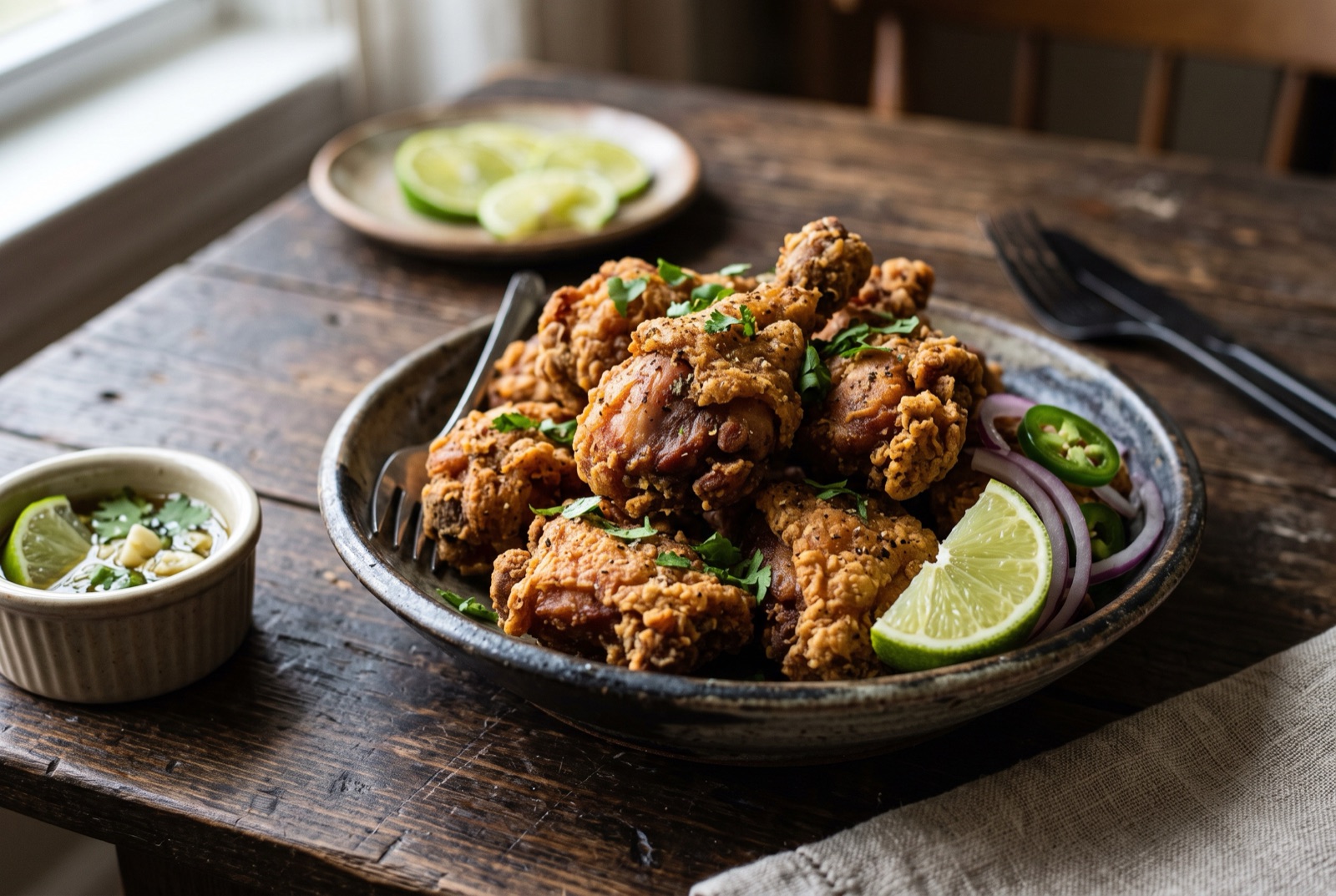
Dominican Republic1 hr 45 min
Chicharrón de Pollo
Dominican Crisp Fried Chicken Bites
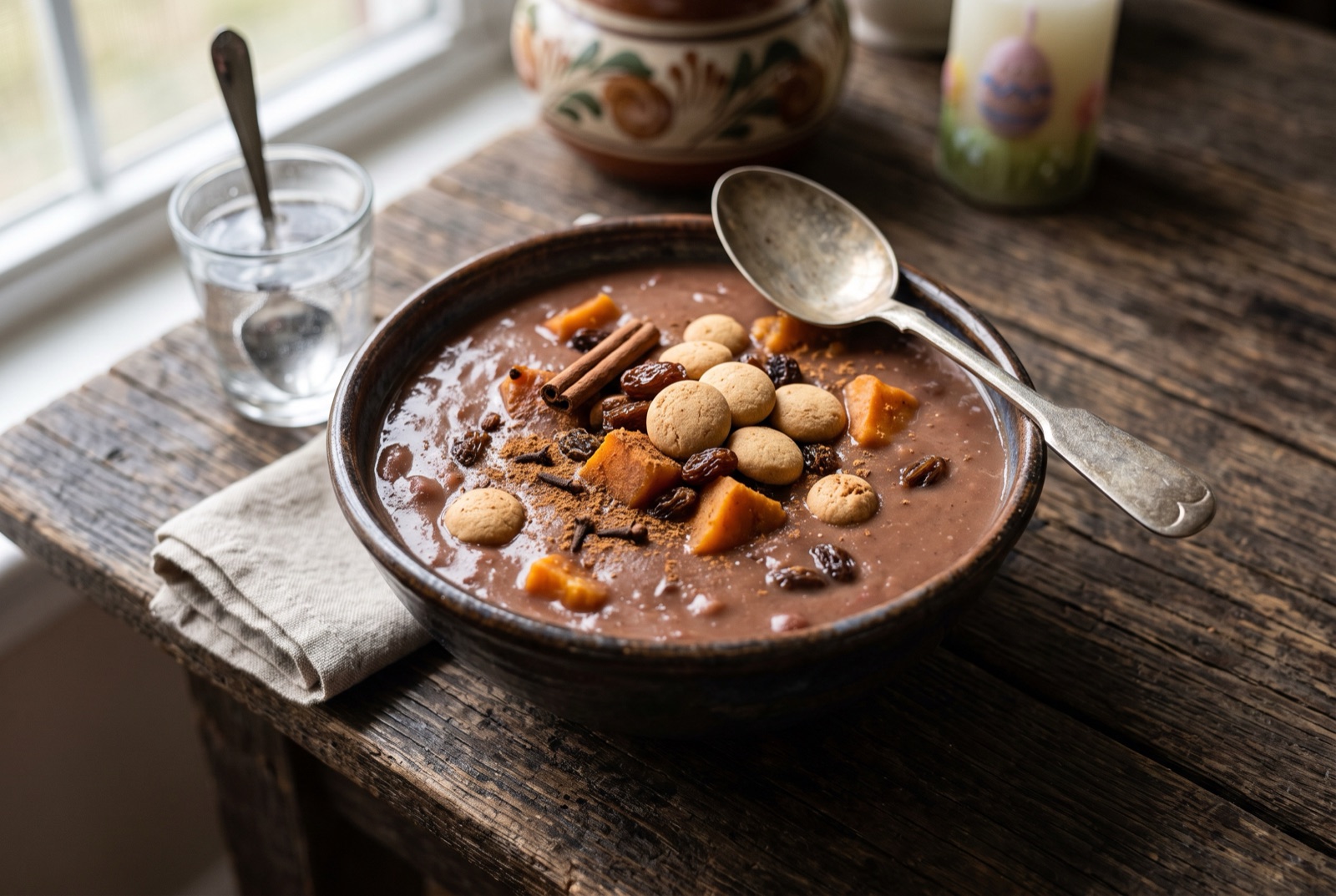
Dominican Republic4 hr 20 min
Habichuelas con Dulce
Dominican Sweet Cream of Red Beans
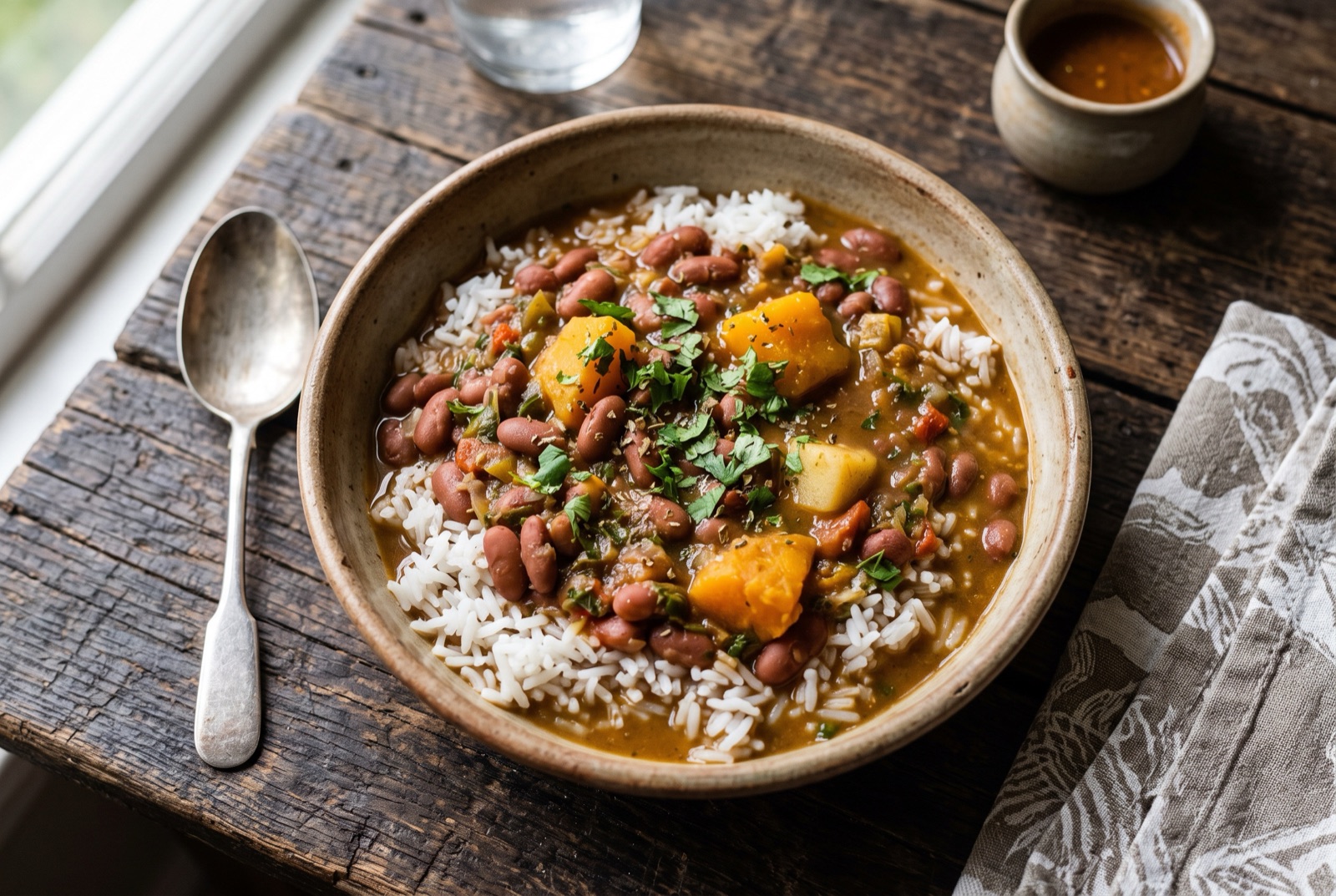
Dominican Republic55 min
Habichuelas Guisadas
Dominican Stewed Red Beans
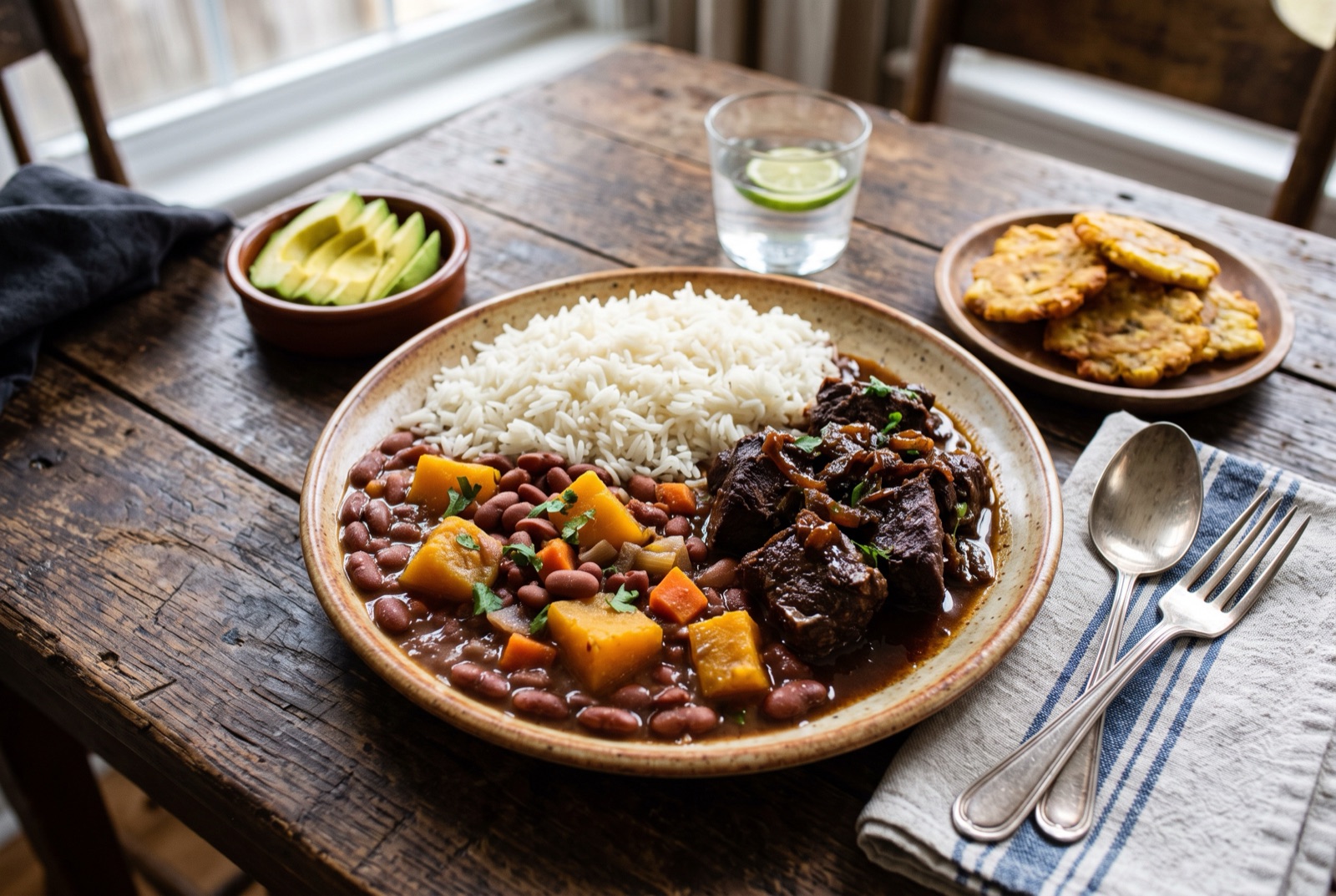
Dominican Republic2 hr 15 min
La Bandera Dominicana
The Dominican Flag Lunch Plate
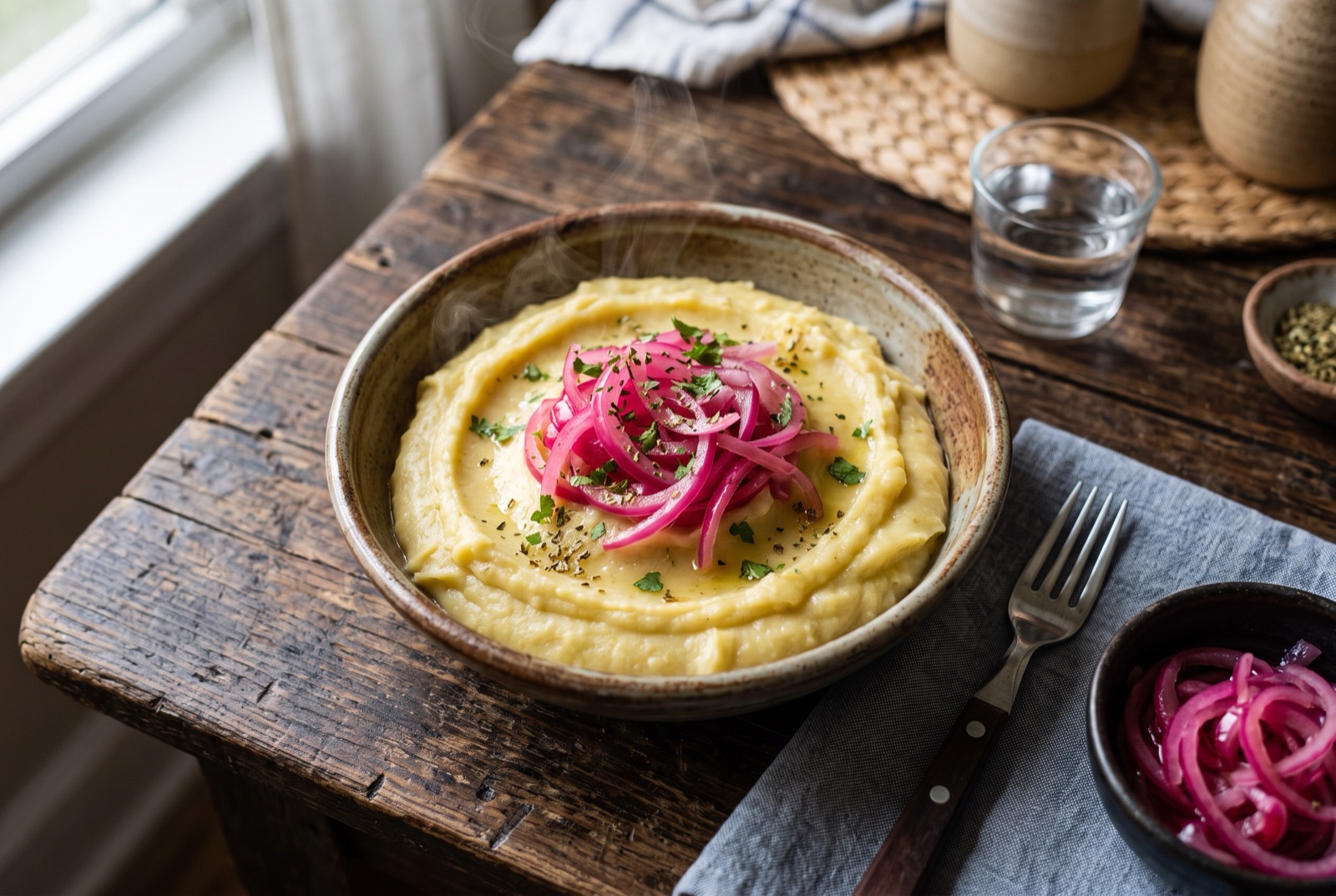
Dominican Republic35 min
Mangú
Dominican Mashed Green Plantains
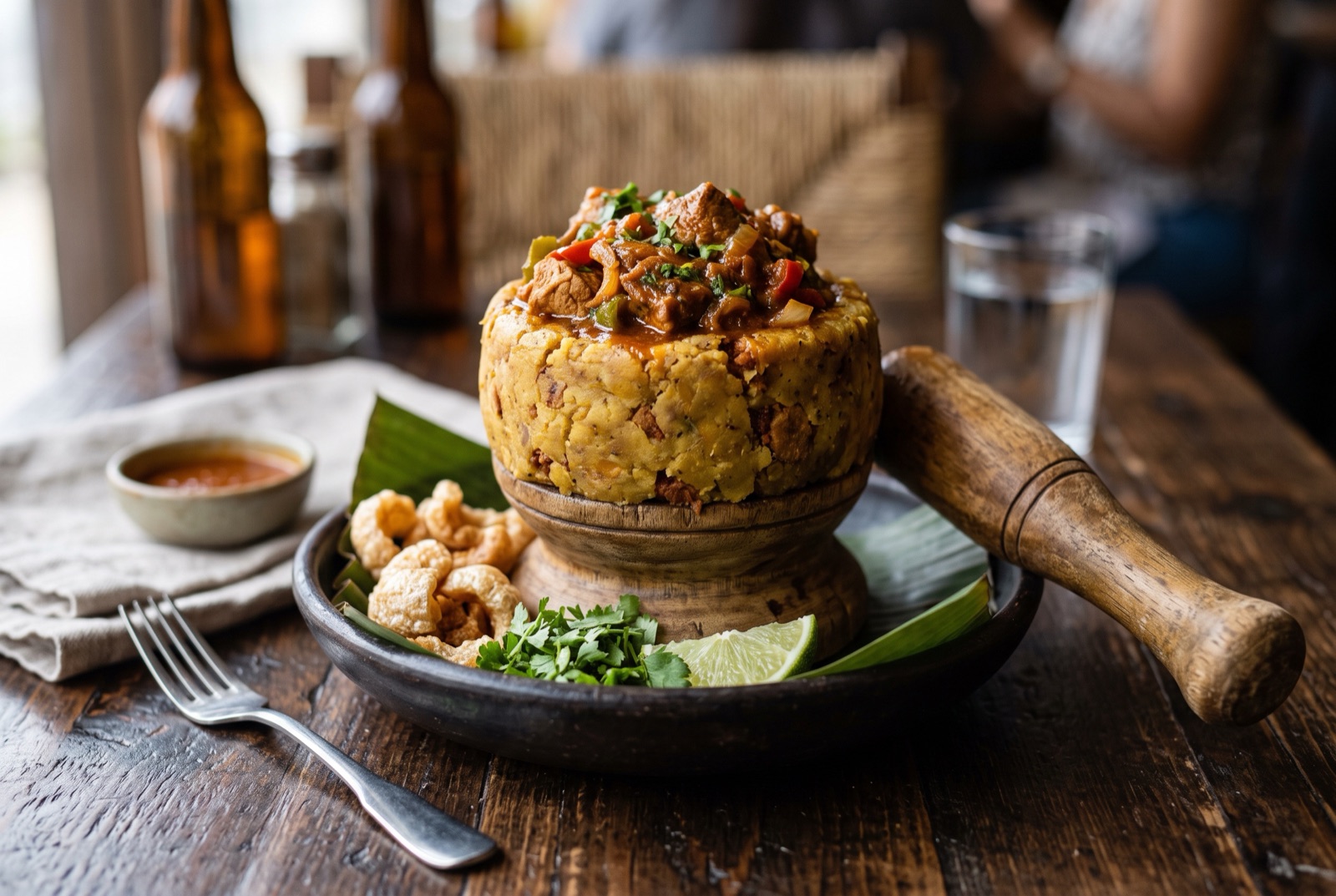
Dominican Republic45 min
Mofongo
Pounded Plantain with Garlic and Crackling
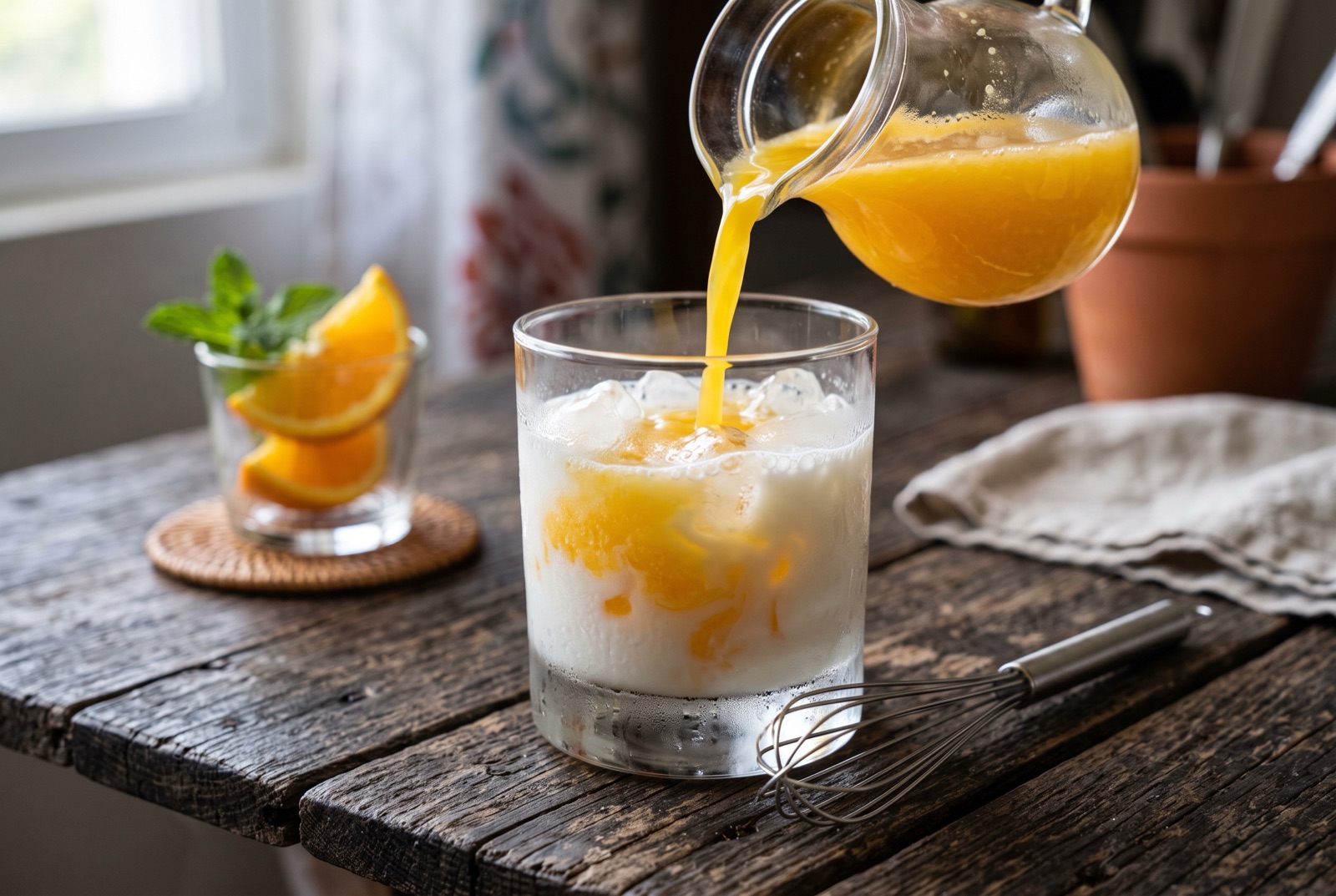
Dominican Republic40 min
Morir Soñando
Dominican Orange and Milk Cooler
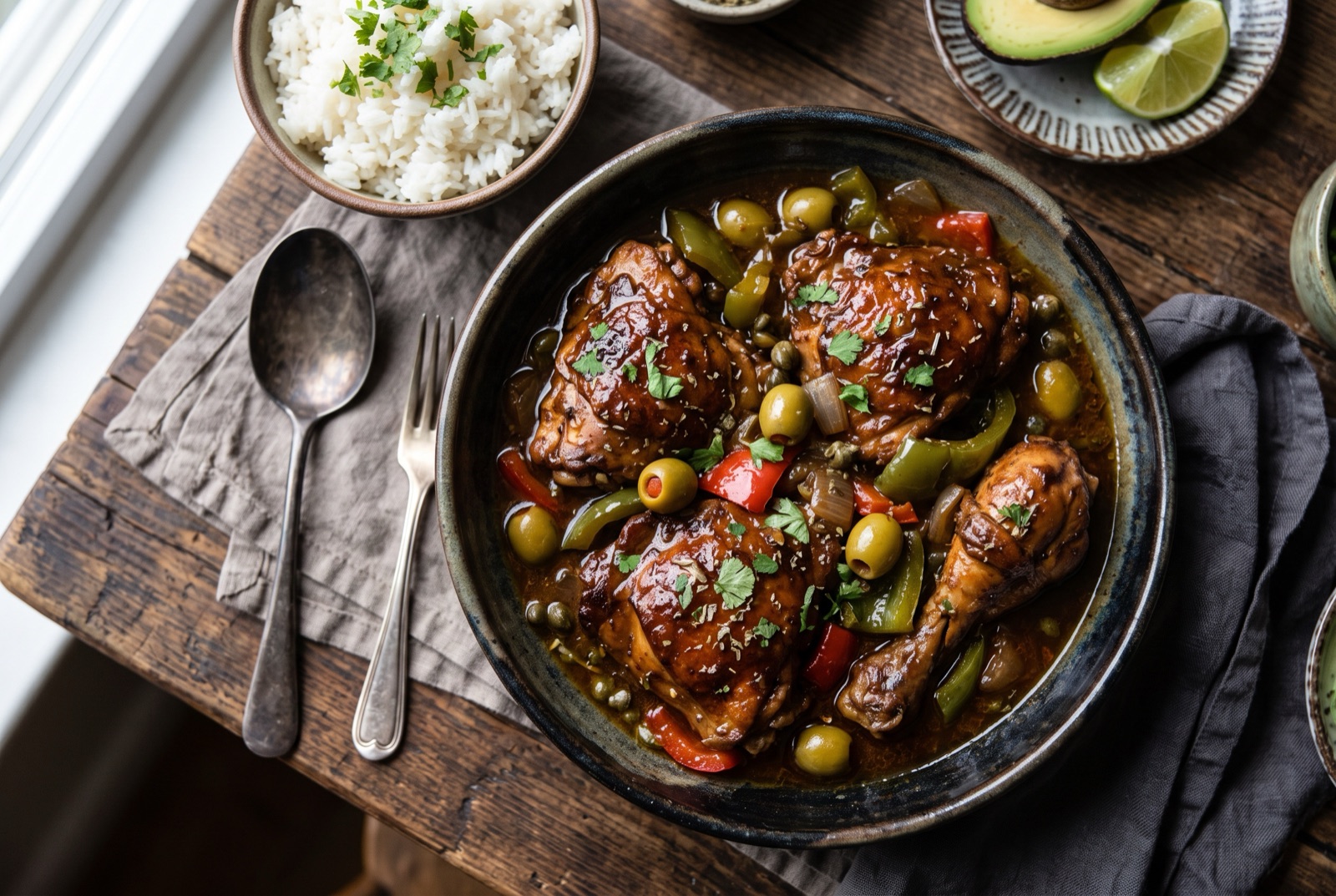
Dominican Republic1 hr 35 min
Pollo Guisado
Dominican Braised Chicken in Burnt Sugar
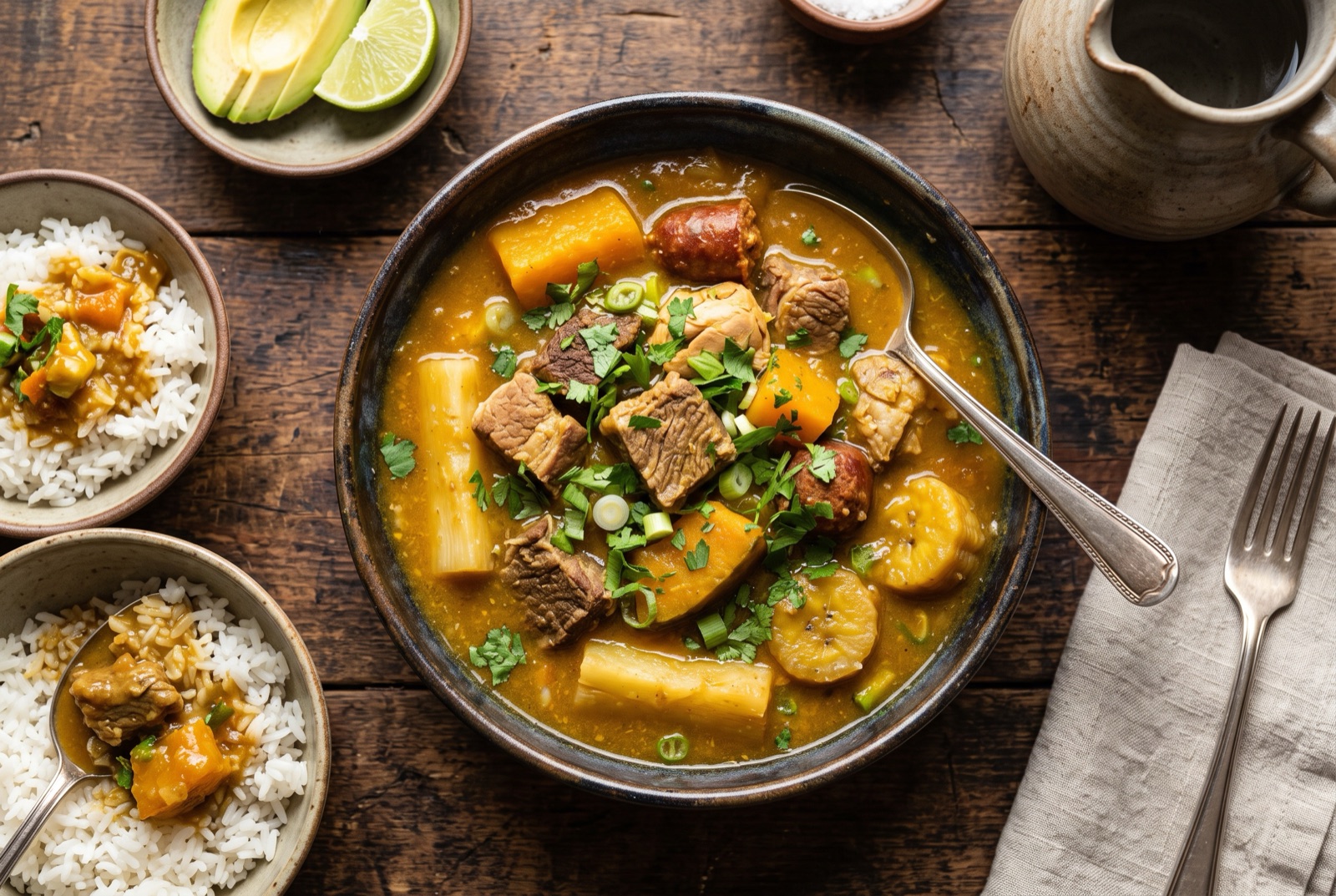
Dominican Republic3 hr 15 min
Sancocho de Siete Carnes
Dominican Seven-Meat Root Stew
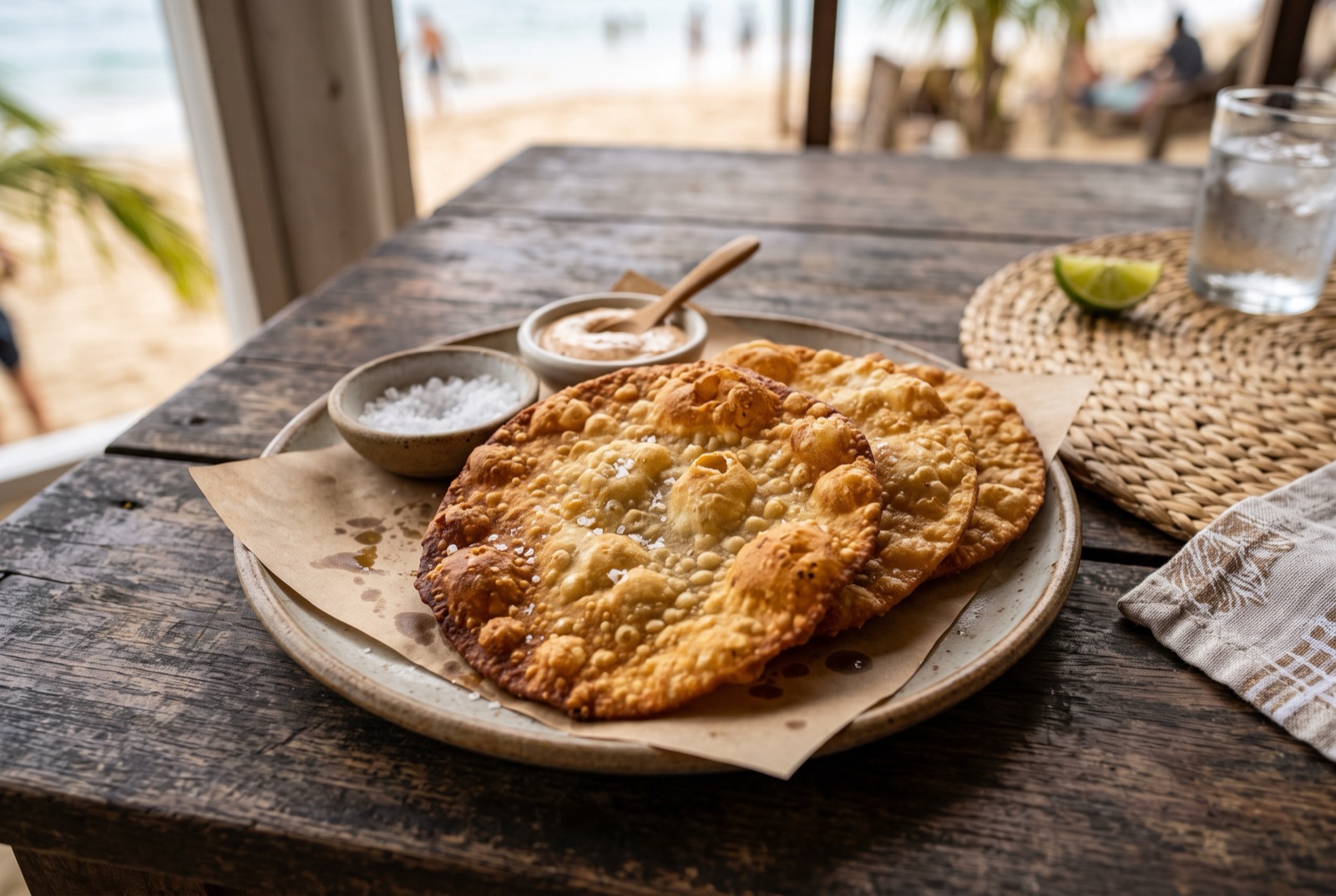
Dominican Republic1 hr 5 min
Yaniqueques
Dominican Fried Beach Flatbread
Keep traveling.
Dominican Republic sits in Caribbean, and its kitchen shares borders as well as ingredients with Canada and Costa Rica.
 Canada
 Costa Rica