Agua Dulce.
Costa Rican Hot Cane Sugar Drink
Agua dulce · say it: AH-gwah DOOL-seh
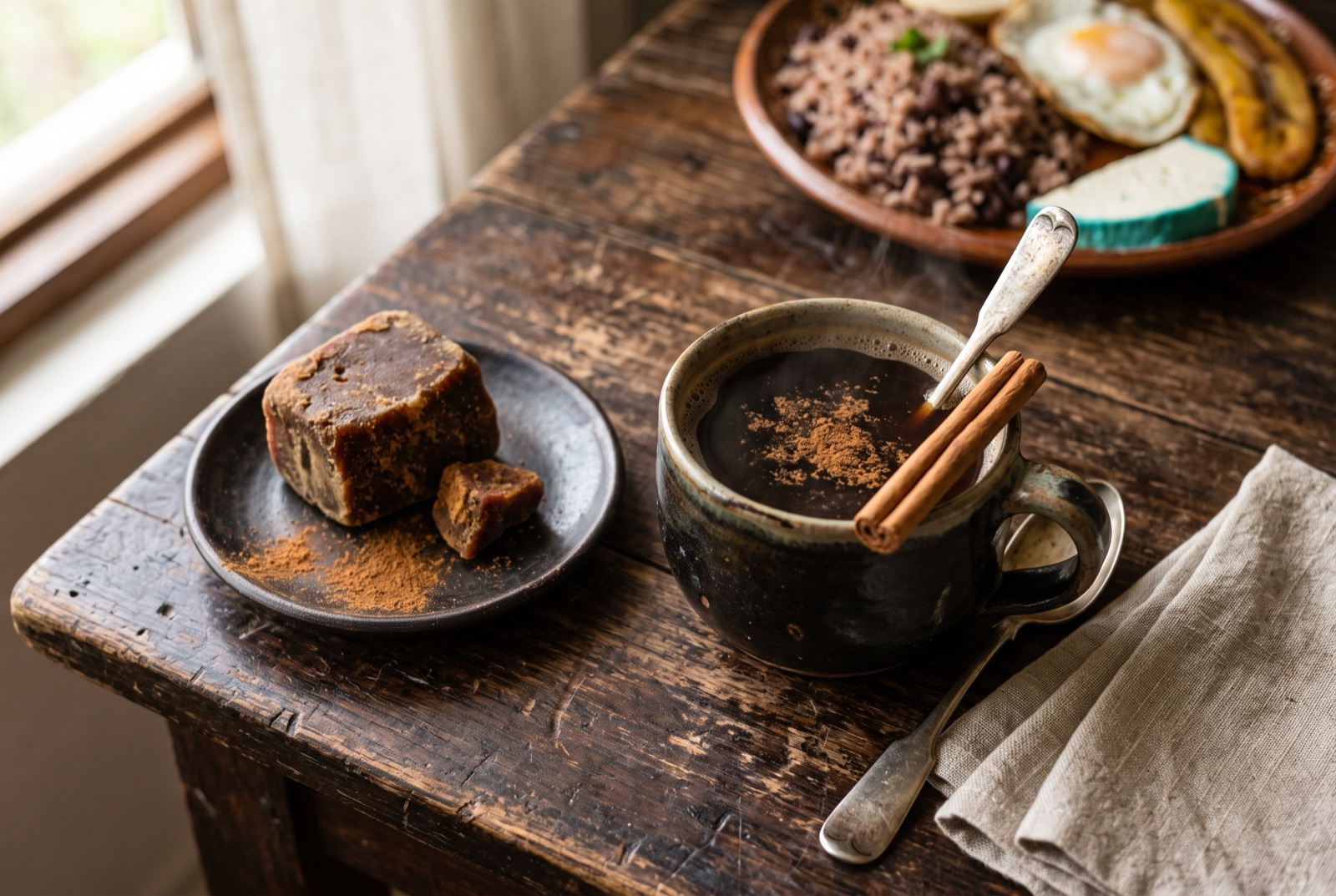
Agua dulce is literally sweet water — a chunk of tapa dulce, the hard unrefined cane sugar sold in cones or bricks, dissolved in simmering water and drunk hot. It tastes nothing like sugar water. Because the cane juice is boiled down without refining, it keeps its molasses, and the drink comes out amber, faintly smoky, with a caramel and treacle depth behind the sweetness. Made with milk instead of water it turns into something closer to a hot toddy without alcohol. In the Costa Rican countryside it is the drink of first light, made before coffee was affordable and still made now because people like it: served to farm workers at dawn, to children, and to anyone who arrives at the house looking cold.

- Gate
- Costa RicaCentral Valley
- Prep
- 5 min
- Cook
- 10 min
- Total time
- 15 min
- Serves
- 4
- Status
- Easy
- Nutrition / serving · estimated
- Calories 190 kcal
- Protein 0 g
- Carbs 49 g
- Fat 0 g
- Sugar 47 g
Why this recipe works.
- A workable ratio rather than a vague instruction to melt sugar, so the drink comes out balanced instead of cloying.
- Explains how to break tapa dulce, which is genuinely hard and defeats people the first time.
- Covers both the water version and the milk version, which taste like two different drinks.
- Makes a batch you can keep warm on the stove all morning, the way it is actually used.
Ingredients.
6 itemsEquipment
- Small saucepan
- Serrated knife or box grater
- Fine sieve
Instructions.
Break up the sugar block
Wrap the tapa dulce in a tea towel and crack it with a rolling pin, or saw pieces off a corner with a serrated knife. Aim for chunks no bigger than a walnut so they dissolve evenly.
Bring the water to a simmer
Put the water in a saucepan with the cinnamon stick, lime zest and cloves and bring it to a gentle simmer over medium heat, so the aromatics have a few minutes to infuse before the sugar goes in.
Dissolve the tapa dulce
Add the broken sugar and stir over low heat for 8 to 10 minutes, until no grainy pieces are left on the bottom of the pan and the liquid has turned clear amber rather than cloudy brown.
Tip Keep it at a bare simmer. Boiling hard reduces the water and you end up with syrup.
Taste and adjust
Taste a spoonful once it has cooled slightly. It should be sweet and clearly of caramel and molasses; if it is too strong, add hot water a ladle at a time until it suits you.
Add milk if you want the richer version
For agua dulce con leche, take the pan off the boil, pour in the milk and warm it back through without letting it bubble, which would catch on the base and taste scorched.
Strain and serve
Pour through a fine sieve into mugs to catch the cinnamon, cloves and zest, and serve steaming, with a piece of fresh white cheese on the side to dunk if you are having it for breakfast.
Tips from our kitchen.
- Break the tapa dulce with a serrated knife or a hammer inside a cloth. It is dense enough to blunt a good knife if you go at it flat.
- Grate the last stubborn piece rather than fighting it. Shavings dissolve in a minute instead of ten.
- Keep it at a bare simmer once dissolved. A hard boil reduces the water and turns the drink into syrup.
- Taste as it dissolves and stop when it suits you — tapa dulce blocks vary a lot in size and sweetness.
- If you are making the milk version, dissolve the sugar in a little water first, then add the milk off the boil so it does not catch on the pan.
- A strip of lime zest or a whole clove alongside the cinnamon adds a background note without making it taste spiced.
Substitutions.
- Tapa dulce → Panela, piloncillo, jaggery or rapadura
- All are the same product under different names and behave identically. Latin, Indian and African grocers all stock some version of it.
- Tapa dulce, if unavailable at all → 150 g dark muscovado sugar plus 1 tbsp molasses per litre
- The closest supermarket approximation. It gets the colour and much of the depth, though it dissolves faster and tastes slightly cleaner than the real block.
- Whole milk for the milk version → Oat or almond milk
- Oat milk works best because its own sweetness sits well with the cane sugar. Add it off the boil in either case.
Variations.
- Agua dulce con leche
- Half water, half whole milk, which turns it into a richer breakfast drink and is the version most often given to children.
- Agua dulce con queso
- Served with a chunk of fresh white cheese dropped into the cup or dunked from the side until it softens — a standard rural breakfast around Turrialba.
- Agua dulce con jengibre
- Simmered with a few slices of fresh ginger, drunk when someone in the house has a cold. Sharper and noticeably warming.
Storage & reheating.
Keeps 5 days refrigerated in a sealed jug and reheats on the hob without any loss of flavour. It also works cold over ice with a squeeze of lime, which is how it is drunk in hot coastal weather. If it has thickened in the fridge, loosen it with hot water rather than adding more sugar. Do not freeze it — there is no advantage and it takes longer to thaw than to make.
Serve with
Fresh white cheese for dunking, a corn tortilla, or a plate of gallo pinto at breakfast.
The story behind Agua Dulce.
Sugar cane arrived in the Americas with the Spanish and became one of Costa Rica's enduring crops, particularly in the Central Valley and the northern lowlands. What matters for this drink is not refined sugar but the stuff made at a trapiche — a small cane mill, once animal-powered, where the juice is pressed and boiled down in open pans until it can be poured into wooden moulds and set hard. The result is tapa dulce, a dense brown block that is the same material sold as panela in Colombia, piloncillo in Mexico and rapadura in Brazil. It is unrefined, so all the molasses stays in, and it is why the drink tastes of caramel rather than simply of sugar.
Agua dulce is farm food, and it carries the specific dignity of that. In the coffee-growing highlands and the cattle country, workers started before sunrise, and a mug of hot agua dulce provided both warmth and quick energy at an hour when a full breakfast was not yet possible. Coffee was for export and, for a long time, a luxury more often sold than drunk at home. Even now, in rural households the pot of agua dulce sits on the stove all morning, and a visitor is offered a cup as a matter of ordinary hospitality — refusing it is faintly rude.
The cultural memory attached to it is strong enough that agua dulce turns up in the national imagination as shorthand for rural, honest, unpretentious Costa Rica, in songs and in the language itself. It also has practical variants: made with milk it becomes a small meal, and a chunk of white cheese dunked into the hot cup until it goes soft is a genuinely common breakfast in Cartago and the Turrialba region. The recipe is barely a recipe. The only real skill is not boiling it down into syrup while you look away.
Questions, answered.
What is tapa dulce?
Tapa dulce is unrefined cane sugar made by pressing sugar cane, boiling the juice down in open pans, and pouring it into moulds where it sets into hard brown blocks or cones. Because it is never separated from its molasses it tastes of caramel and treacle rather than plain sweetness. The same product is sold as panela in Colombia, piloncillo in Mexico, rapadura in Brazil and jaggery in South Asia.
How do I break up a hard block of tapa dulce?
Wrap it in a tea towel and hit it with a rolling pin or hammer, or saw at it with a serrated knife pressed into a corner rather than the flat face. A microwave burst of 20 seconds softens it enough to cut with a heavy knife. For small amounts, a box grater is easier than any of these, and the shavings dissolve in about a minute.
Is agua dulce the same as coffee?
No, and it contains no coffee at all. It is simply unrefined cane sugar dissolved in hot water, drunk from a mug at the same times of day that coffee is drunk. In much of rural Costa Rica it historically served the same social and practical role as coffee — a hot morning drink to start work on — at a time when coffee itself was mostly grown for export rather than consumed at home.
Can I drink agua dulce cold?
Yes. Chilled agua dulce with a good squeeze of lime and plenty of ice is a common hot-weather drink on the Costa Rican coasts, essentially a cane-sugar lemonade. Make it slightly stronger than you would for a hot cup, since ice will dilute it, and let it cool completely before pouring over ice so it does not melt everything on contact.
How sweet is it, and can I make it less sweet?
As traditionally made it is very sweet — the point of the drink is sugar. Use less tapa dulce per litre of water and it becomes a light amber infusion that still tastes distinctly of cane and molasses. Starting at around 100 g per litre gives a mild version; 200 g per litre is closer to the standard rural cup. Adding a strip of lime zest also makes the sweetness read as less flat.
You might also like.
All recipes →
Keep exploring Costa Rica.
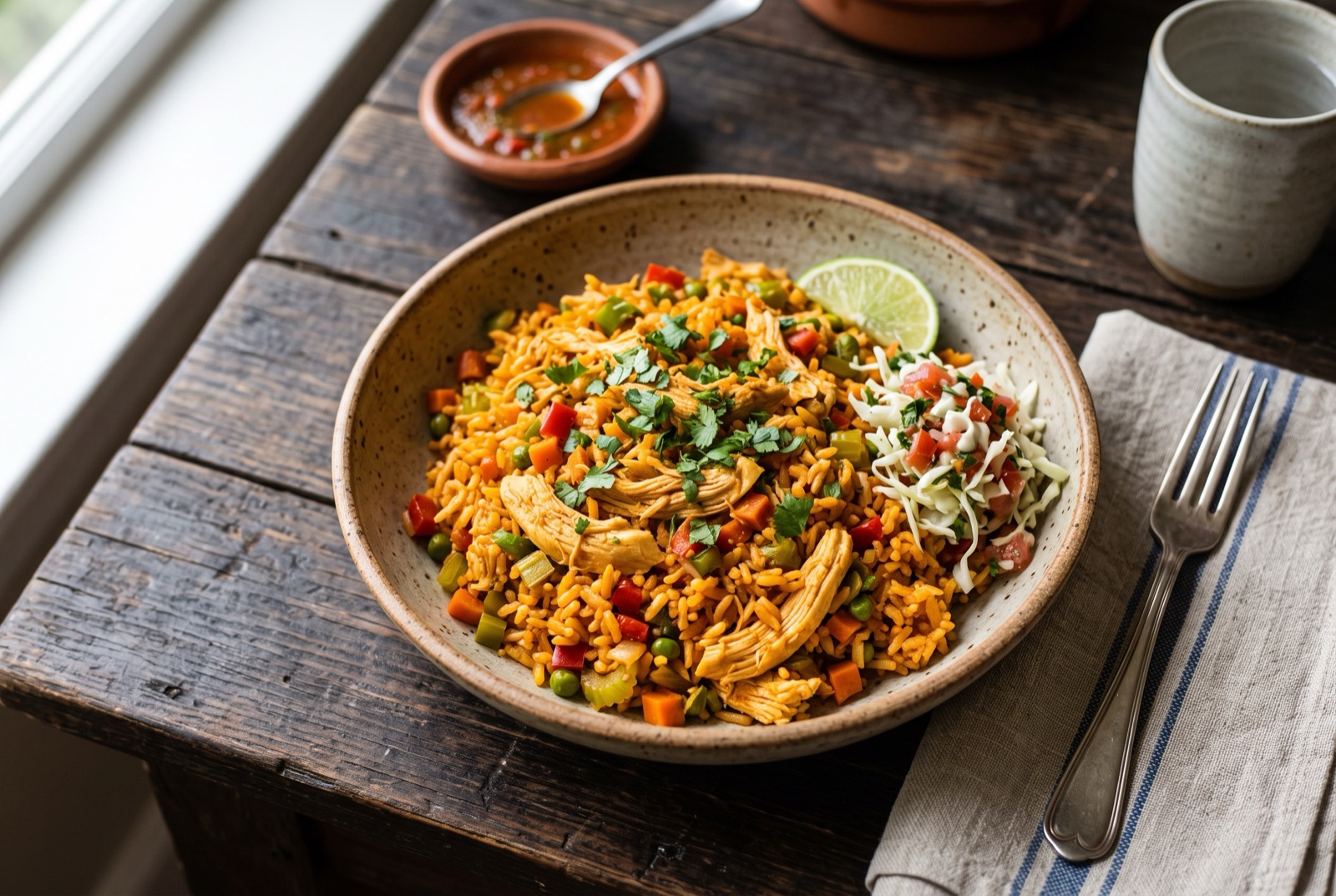
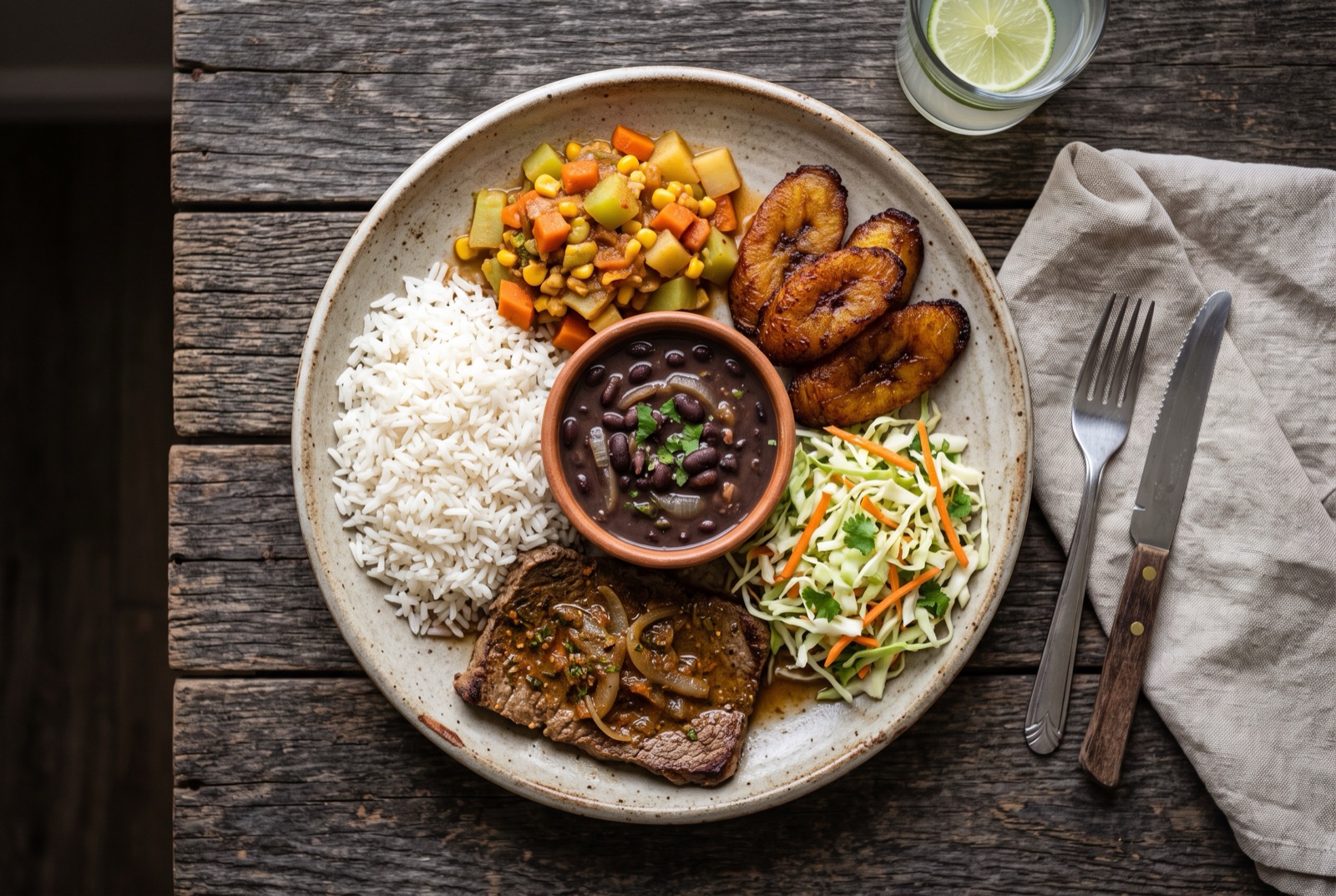
Costa Rica has 9 more dishes in the atlas — Casado and Ceviche Tico, and 7 more.
All Costa Rica recipes Brown sugar recipes Cinnamon recipes Lime recipes drinkvegetarianvegangluten freedairy freenut freeRecipe by The DishRoute Kitchen · published August 20, 2026 · updated August 20, 2026