Chirmol.
Guatemalan Charred Tomato Salsa
Chirmol · say it: cheer-MOHL
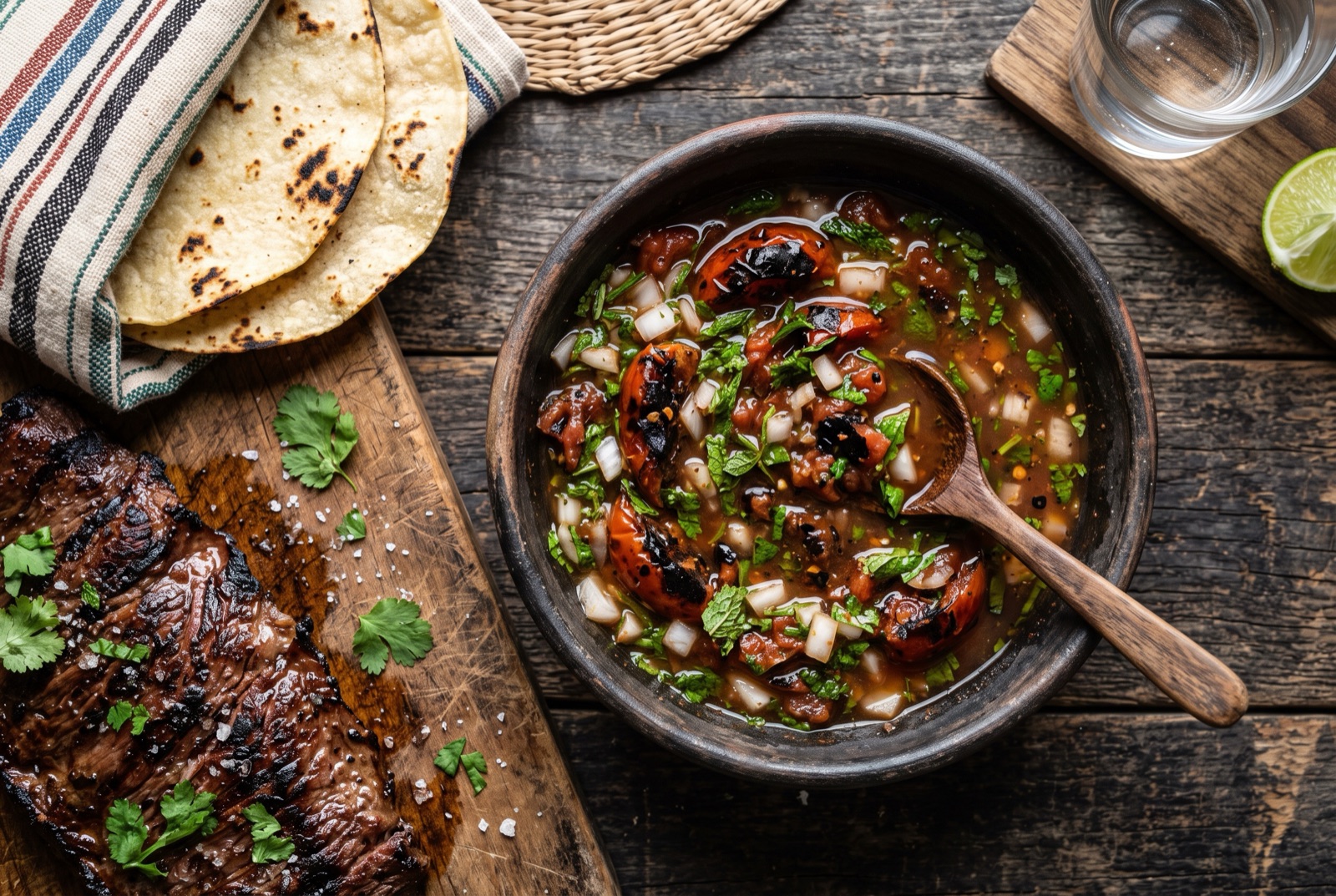
Chirmol is what a tomato salsa becomes when you burn the tomatoes first. Whole tomatoes go onto a dry comal until their skins split and char black, then they are chopped — never blended — with raw onion, lime juice, salt and, in the version most Guatemalans grew up on, fresh mint. The result is smoky, loose and juicy, sitting somewhere between a salsa and a rough tomato salad, and it is served mainly with carne asada: grilled beef, tortillas, chirmol, done. Unlike most salsas it is usually not hot at all, since heat is optional and added separately. It takes fifteen minutes, needs no equipment beyond a pan and a knife, and improves anything grilled.

- Gate
- GuatemalaNationwide, especially the highlands
- Prep
- 10 min
- Cook
- 12 min
- Total time
- 42 min incl. 20 min rest
- Serves
- 4
- Status
- Easy
- Nutrition / serving · estimated
- Calories 45 kcal
- Protein 2 g
- Carbs 9 g
- Fat 0.5 g
- Fiber 3 g
- Sugar 6 g
- Sodium 490 mg
Why this recipe works.
- Tomatoes charred whole on a dry pan, which is the difference between chirmol and any raw tomato salsa.
- Chopped by hand, not blended, so the texture stays chunky and the juice separates the way it should.
- Uses the mint that makes the Guatemalan version distinct from Salvadoran and Honduran chimol.
- Fifteen minutes, one pan, vegan, and it upgrades everything you grill for the rest of the summer.
Ingredients.
7 itemsFor the salsa
Equipment
- Dry heavy frying pan or comal
- Sharp knife
- Mixing bowl
Instructions.
Char the tomatoes
Set a dry heavy pan over high heat until it is smoking faintly, then lay the whole tomatoes in it. Cook for 10–12 minutes, turning every couple of minutes, until the skins split, blister and blacken in patches on every side and the tomatoes slump when pressed.
Tip Open a window. This is meant to smoke, and stopping early gives you a raw salsa.
Cool and chop
Let the tomatoes cool for 5 minutes until you can handle them, then chop them roughly on a board into 1 cm pieces, keeping most of the charred skin on and catching all the juice that runs out. Tip everything, juice included, into a bowl.
Add the raw elements
Stir in the finely chopped onion, the lime juice and the salt, along with the chile if you want heat. Mix gently with a spoon rather than mashing — the salsa should stay chunky with liquid pooling at the bottom.
Rest, then finish with mint
Leave the bowl to stand for 20 minutes so the salt draws juice from the tomatoes and the flavours settle into one sauce. Stir the chopped mint through just before serving and taste again for salt and lime — it should be smoky, tart and clearly savoury.
Serve
Spoon into a shallow bowl and put it on the table beside grilled beef and a cloth of warm tortillas, letting everyone take as much juice as they want with the solids.
Tips from our kitchen.
- Char the tomatoes whole and unpeeled over the highest heat you have, turning them every couple of minutes until the skins split, blister and go black in patches. Half-hearted charring gives you a raw salsa with a suntan.
- Leave most of the charred skin on when you chop. Those black flecks are the flavour you just spent ten minutes making.
- Chop, do not blend. A blender turns chirmol into a pink foam and loses the juice-and-solids separation that defines it.
- Rinse the chopped onion under cold water and shake it dry if you find raw onion aggressive — it takes the harsh sulphur edge off without losing the crunch.
- Let the finished salsa stand 20 to 30 minutes before serving so the salt draws juice out of the tomatoes and everything tastes like one sauce.
- Add the lime and mint last and taste again just before serving — both fade fast, and a chirmol that sat too long needs a fresh squeeze.
Substitutions.
- Fresh mint → Cilantro
- This gives you the Salvadoran and Honduran style chimol rather than Guatemalan chirmol. It is good, and very common, but it is a different salsa.
- Charring on a comal → Under a hot grill, or directly on a charcoal barbecue
- The barbecue is the most traditional route of all, since chirmol is usually made alongside the meat. A grill in the oven works too — give it 12 minutes with a turn halfway.
- Fresh green chile → A pinch of dried chile flakes, or leave it out
- Chirmol is traditionally mild. Guatemalans who want heat reach for a separate chile sauce rather than putting it in the chirmol.
Variations.
- Chirmol de tomate y tomatillo
- Half the tomatoes replaced with charred tomatillos, giving a sharper, greener salsa that works better with pork than beef.
- Chirmol con aguacate
- Diced avocado folded in at the end, which turns it into something closer to a chunky guacamol with smoke behind it.
- Chirmol picante
- One charred chile cobanero or a couple of chiltepes chopped in, for people who want the heat built into the salsa.
Storage & reheating.
Chirmol is best within two hours of making and should not be treated as a keeping sauce. It holds a day in the fridge, but the onion grows sharper, the mint blackens and the tomato releases so much water that the salsa turns soupy. If you must make it ahead, char and chop the tomatoes early and add the onion, mint, lime and salt just before serving. It does not freeze.
Serve with
Grilled beef and warm corn tortillas — the classic carne asada plate — or spooned over black beans, rice or fried plantain.
The story behind Chirmol.
The word comes from Nahuatl, from the same root family as chilmolli — chile and mole, meaning sauce — and versions of it exist across Central America under names like chimol and chirmol, in El Salvador and Honduras as well as Guatemala. The Guatemalan variant is defined by two things: the tomatoes are charred rather than raw, and mint appears where most neighbouring versions use cilantro. That mint is unexpected the first time and then hard to imagine without, because it lifts the smoke and the sweetness of the burnt tomato in a way cilantro does not.
Chirmol belongs to the fire. It shows up wherever meat is grilled over charcoal — at churrascos, at roadside stands, at family gatherings in the highlands — and it is made on the same fire, the tomatoes pushed to the edge of the coals while the beef cooks. It also does everyday duty on the table as the thing you spoon onto a plain tortilla, over frijoles, or into a bowl of soup that needs waking up. In many households it stands in for the bottle of chile sauce, and in others it sits next to one.
Because it is chopped rather than blended, texture matters more than in a smooth salsa. Guatemalan cooks generally leave the tomato in visible pieces with charred skin still attached, so the salsa is streaked with black flecks and pooled with the juice that comes out as it sits. That resting time is real: chirmol made ten minutes before eating tastes of separate ingredients, while chirmol that has stood half an hour tastes like one thing. It should never be made far ahead, though — after a couple of hours the onion dominates and the mint darkens.
Questions, answered.
What is chirmol served with?
Most classically with carne asada — grilled beef and corn tortillas — since it is usually made on the same fire as the meat. It also goes over black beans, rice, fried plantain, eggs or plain tortillas, and works as a table sauce anywhere a meal needs acidity and smoke.
Is chirmol spicy?
Usually not. The standard Guatemalan version contains no chile at all and tastes smoky, tart and mildly sweet from the charred tomato. Heat is added separately at the table from a bottle of chile sauce, though a chopped chiltepe or cobanero can be worked into the salsa if you prefer it built in.
Why mint instead of cilantro?
Mint is what distinguishes Guatemalan chirmol from the Salvadoran and Honduran chimol, which lean on cilantro. It cuts the sweetness of burnt tomato with a cool, sharp note that works particularly well against charred beef. Both versions are legitimate, but mint is the Guatemalan signature.
Can I use tinned tomatoes?
Not really, because charring is the entire technique and tinned tomatoes cannot char. If fresh tomatoes are poor quality, roast them in a very hot oven or under a grill until blistered instead — that gets closer than any tin. Fire-roasted tinned tomatoes are a distant last resort and give a much softer, jammier result.
How long does chirmol keep?
A few hours at its best and about a day in the fridge, after which the raw onion takes over and the tomatoes go watery. It is designed as a make-and-eat salsa rather than a preserve, so scale the recipe to the meal rather than to the week.
You might also like.
All recipes →
Guatemala35 min
Frijoles Volteados
Guatemalan Flipped Refried Black Beans
Guatemala2 hr 20 min
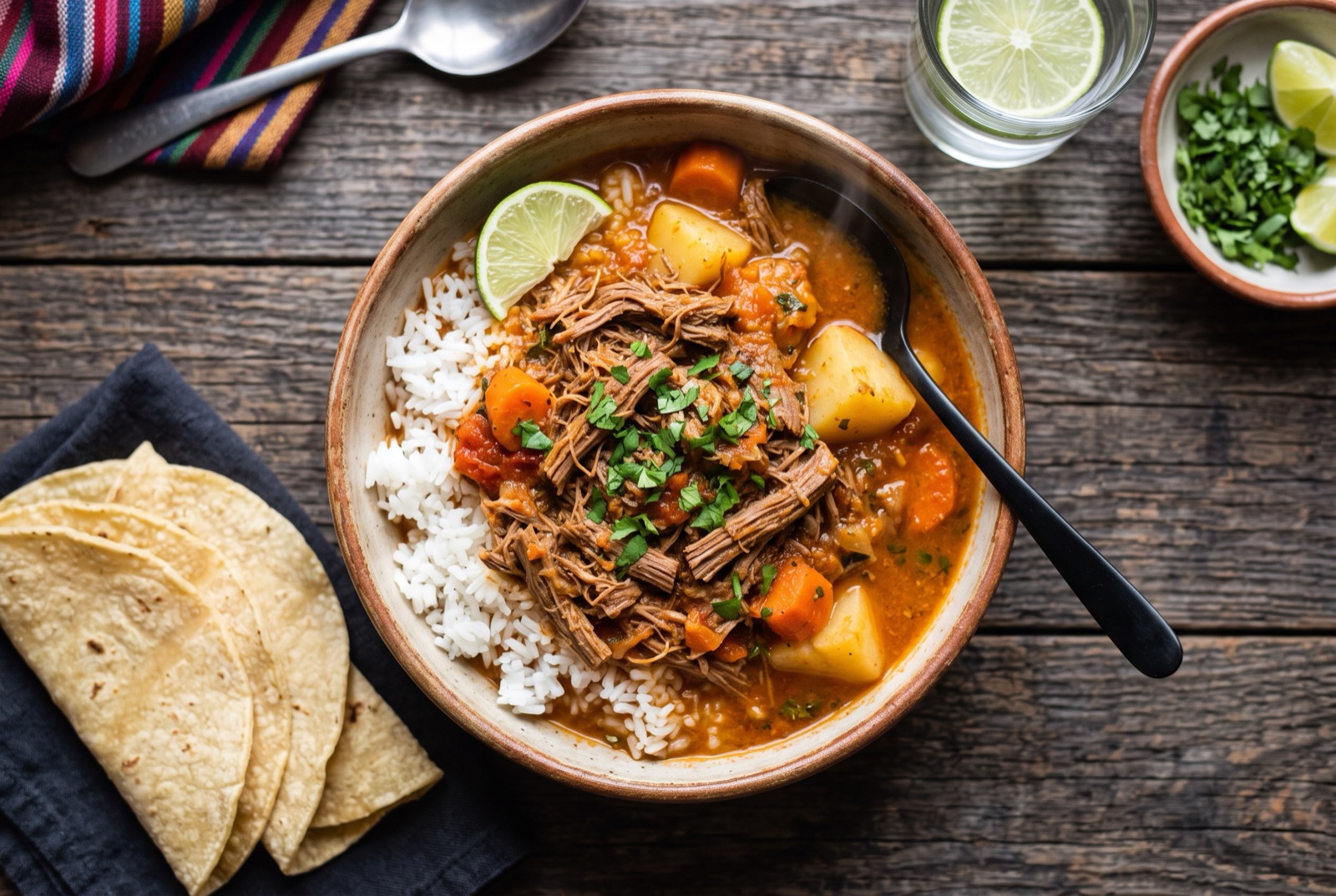
Hilachas
Guatemalan Shredded Beef in Tomato Sauce
Guatemala1 hr 30 min
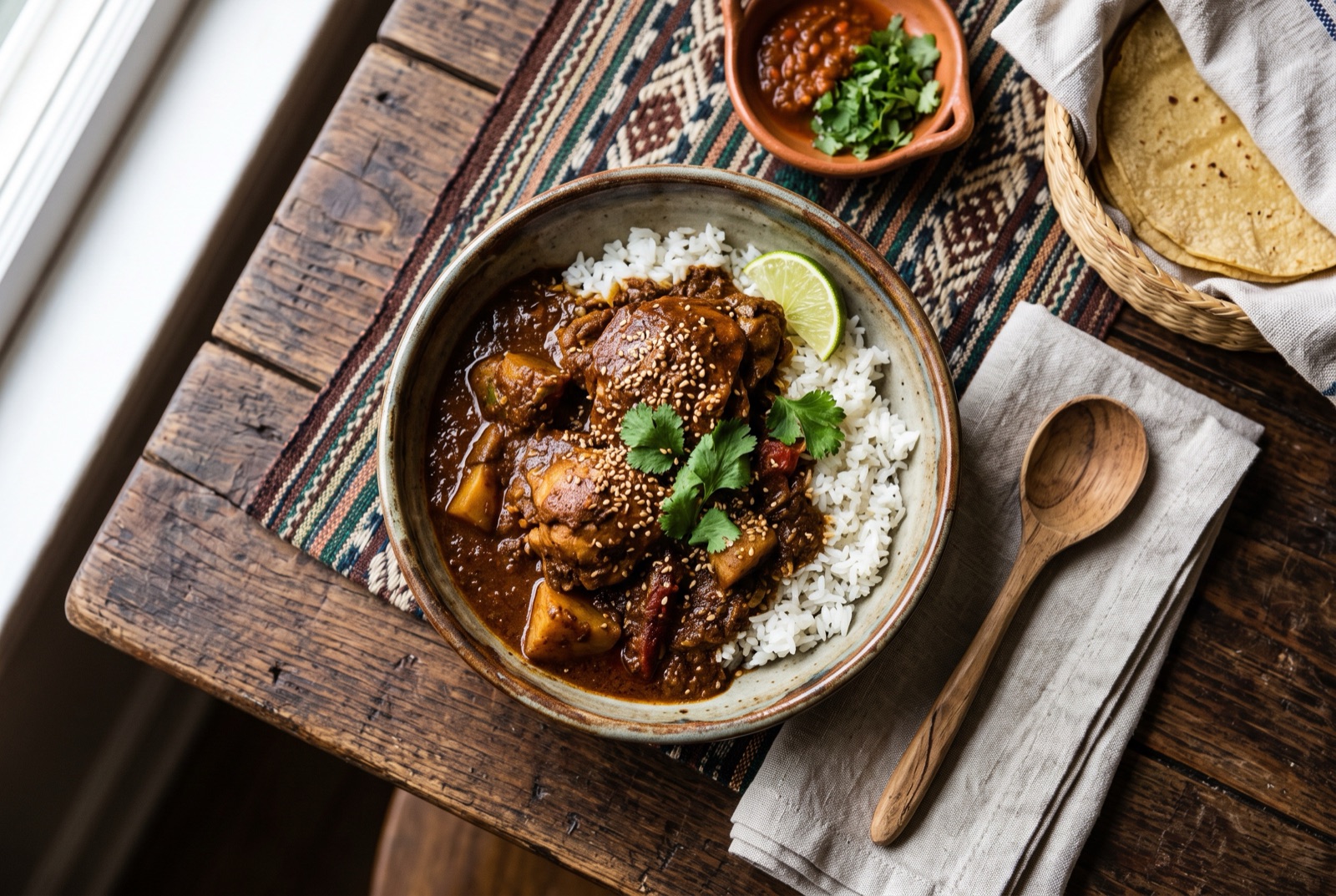
Pepián
Guatemalan Toasted Seed and Chile Stew
Guatemala4 hr 20 min
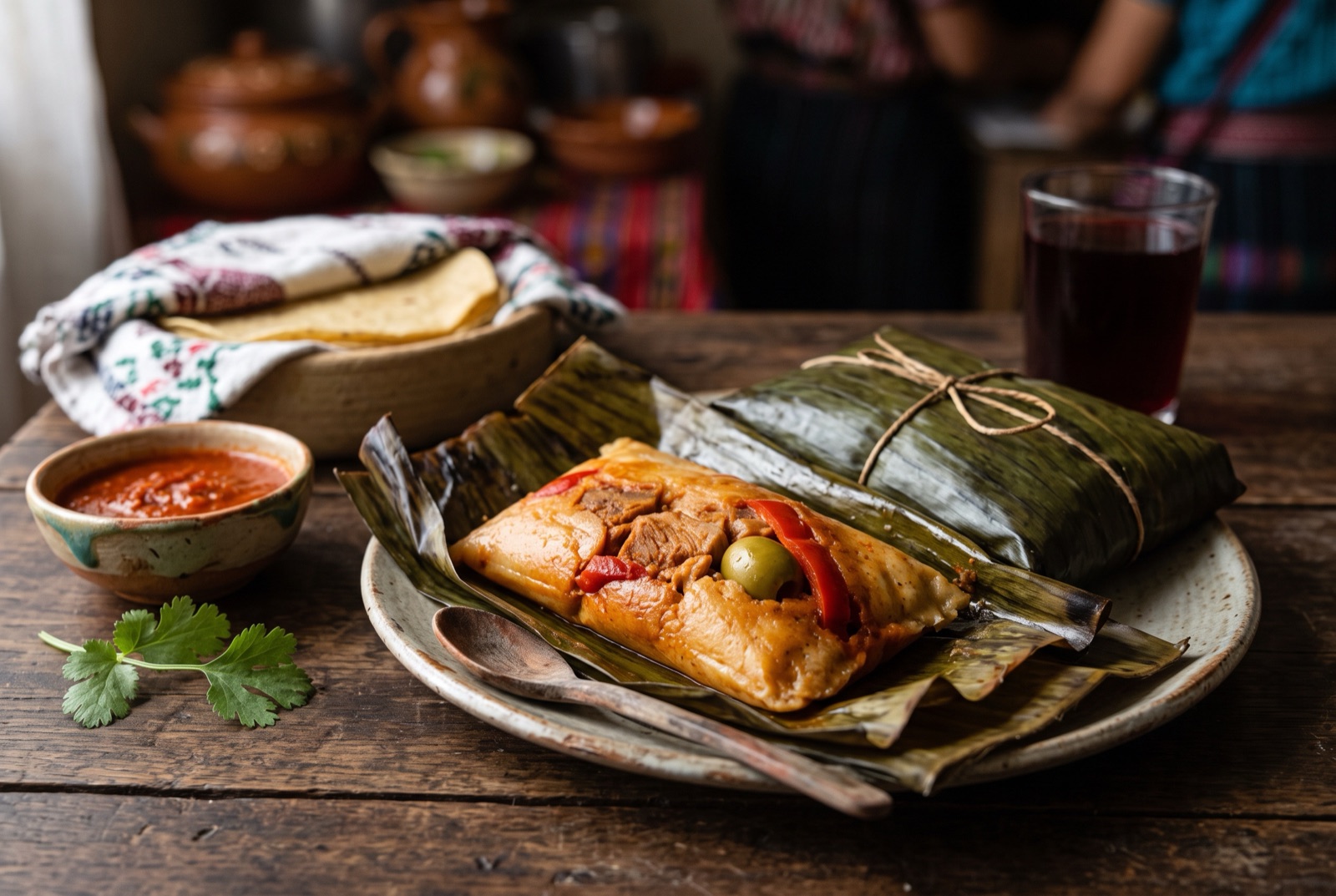
Tamales Colorados
Guatemalan Red Masa Parcels
Keep exploring Guatemala.
Guatemala has 9 more dishes in the atlas — Atol de Elote and Chiles Rellenos Guatemaltecos, and 7 more.
All Guatemala recipes Tomato recipes Onion recipes Mint recipes saucesidevegetarianvegangluten freedairy freenut freeRecipe by The DishRoute Kitchen · published August 20, 2026 · updated August 20, 2026