Chimichurri.
Argentine Parsley, Garlic and Vinegar Sauce
Chimichurri criollo · say it: chee-mee-CHOO-ree
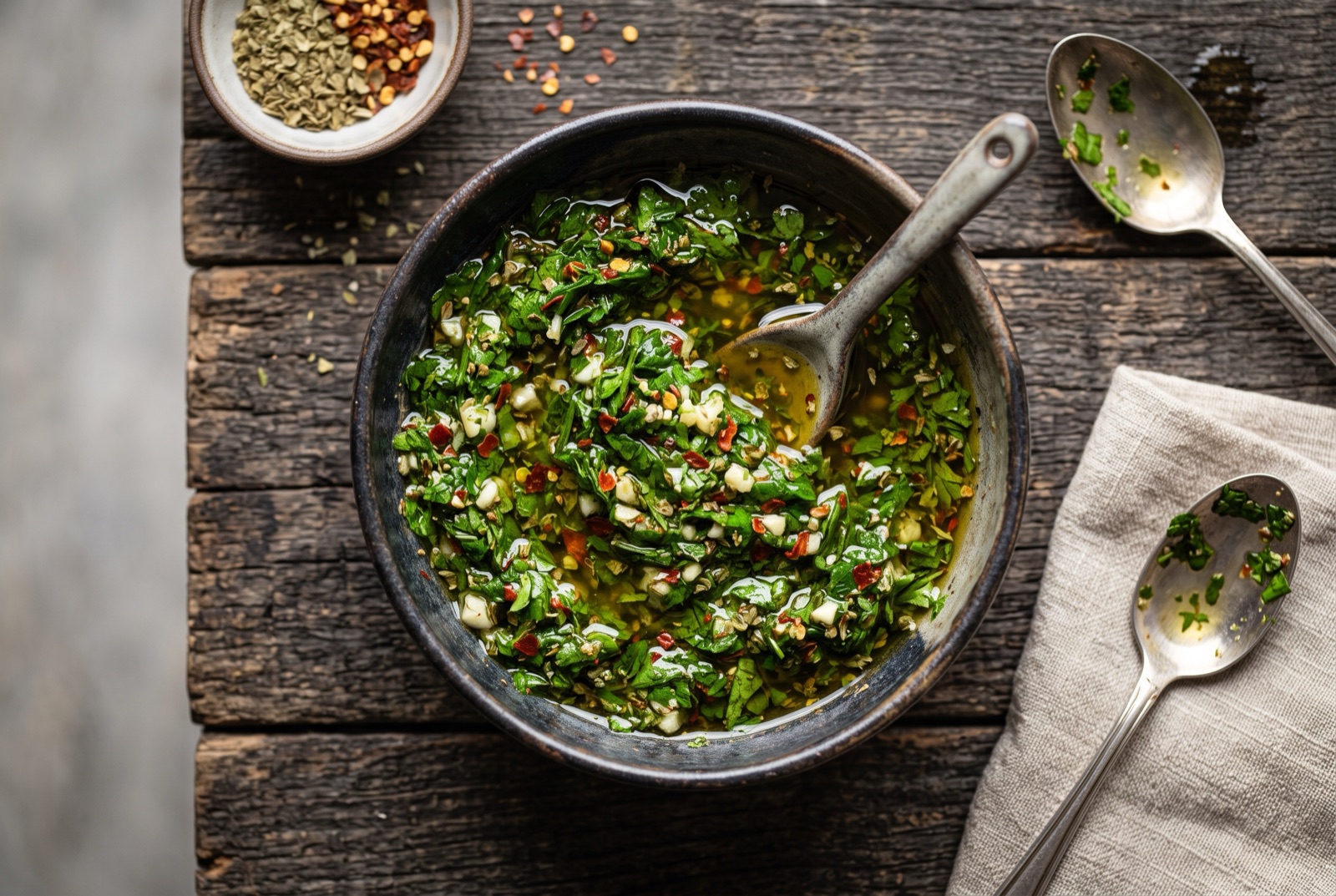
Chimichurri is a loose, sharp, uncooked sauce of chopped parsley, garlic, dried oregano and chile suspended in vinegar, salted water and oil. It is not a herb paste and not a pesto — the pieces stay distinct, the liquid stays thin, and it is spooned rather than spread. Argentines put it on grilled beef, on choripán, on bread while waiting for the grill, and occasionally on everything else on the table. Made properly it tastes bright and salty with a slow garlic warmth; made and served straight away it tastes raw and aggressive, which is why the resting time is the actual recipe.

- Gate
- ArgentinaPampas
- Prep
- 15 min
- Cook
- 0 min
- Total time
- 2 hr 15 min incl. 2 hr rest
- Serves
- 8
- Status
- Easy
- Nutrition / serving · estimated
- Calories 230 kcal
- Protein 1 g
- Carbs 2 g
- Fat 25 g
- Fiber 1 g
- Sodium 590 mg
Why this recipe works.
- Chopped by hand, so it stays a loose sauce instead of turning into a green purée.
- A salted brine dissolves first, which seasons every leaf evenly rather than in patches.
- Rest time is treated as a required step and explained, not tacked on as a suggestion.
- Ratios given so you can push it sharper or milder without breaking the sauce.
Ingredients.
10 itemsEquipment
- Sharp knife and board
- Mixing bowl
- Glass jar for storing
Instructions.
Make the brine
Stir the coarse salt into the warm water in a bowl until you cannot feel any grains against the base, then add the vinegar. This is what carries the seasoning into every leaf, so do it before anything else goes in.
Chop the herbs and garlic
Chop 60 g of parsley finely with a sharp knife, keeping the pieces distinct rather than reducing them to a wet green mash, and chop the garlic to a similar fineness. The board should smell sharply of both and the parsley should still look leafy, not bruised and dark.
Tip A blunt knife crushes rather than cuts, which is what turns chimichurri bitter and muddy.
Combine and loosen with oil
Tip the parsley, garlic, dried oregano, chile flakes and black pepper into the brine and stir, then pour in the olive oil and stir again. The herbs should float freely in the liquid — if they clump into a paste, add more oil a spoonful at a time until the sauce pours off a spoon.
Rest before serving
Add the bay leaf if using, cover and leave at room temperature for at least 2 hours, or refrigerate overnight. The sauce is ready when the oil above the herbs has taken on a green tinge and the vinegar no longer catches the back of your throat.
Taste and adjust at the last moment
Stir the sauce, taste it on a piece of bread rather than off a spoon, and correct with salt, vinegar or oil. It should taste one notch too salty and sharp on its own, because grilled meat will absorb both.
Tips from our kitchen.
- Chop the parsley with a sharp knife rather than a processor — blades bruise the leaves and release chlorophyll, turning the sauce dark and bitter.
- Dissolve the salt in the vinegar and water before anything else goes in, so no gritty pockets are left at the bottom.
- Use dried oregano, not fresh. The dried herb carries the resinous note the sauce is built on; fresh oregano tastes green and thin here.
- Keep it loose. Chimichurri should pour off a spoon, so add oil until the herbs float rather than sit in a heap.
- Rest at least 2 hours at room temperature before serving, and taste again afterwards — it will need less salt than you expect.
- Store it with a film of oil on top; the oil seals the surface and stops the parsley going brown in the fridge.
Substitutions.
- Red wine vinegar → White wine vinegar, sherry vinegar or half vinegar and half lemon juice
- Avoid balsamic and rice vinegar — one is too sweet and the other too mild to cut through beef fat, which is the sauce's whole job.
- Ají molido → Chile flakes, or 1 teaspoon of sweet paprika plus a pinch of cayenne
- Argentine ají molido is coarse, mild and fruity. If you only have very hot flakes, halve the quantity — chimichurri is not meant to burn.
- Flat-leaf parsley → Mostly parsley with a small handful of cilantro
- Not traditional in Argentina but common in Uruguay and elsewhere in the region. Do not swap the parsley out entirely; it is the body of the sauce, not a flavouring.
Variations.
- Chimichurri rojo
- Weighted towards sweet paprika and ají molido so it comes out brick red, with proportionally less parsley. Common in the northwest provinces and typically a little sweeter and rounder than the green version.
- Salsa criolla
- The other bowl on the asado table: finely diced onion, tomato and red pepper steeped in vinegar and oil. Chunkier, milder and crunchier, and often served alongside chimichurri rather than instead of it.
- Chimichurri seco
- A dry mix of the herbs, garlic powder, chile and salt kept in a jar, hydrated with vinegar, water and oil when needed. What many Argentine households actually keep in the cupboard for spur-of-the-moment grilling.
Storage & reheating.
Refrigerated in a sealed jar under a layer of oil, chimichurri keeps 2 weeks and the flavour deepens over the first few days, though the parsley loses its bright green after about four. Bring it back to room temperature before serving — cold oil is thick and mutes everything. It can be frozen in an ice-cube tray for 3 months, and thawed cubes are fine stirred into cooking, though the texture is softer than fresh.
Serve with
Any grilled beef, choripán, provoleta, roast potatoes, or simply spooned onto bread while the fire settles.
The story behind Chimichurri.
Nobody knows where the word comes from, and it is worth stating that plainly because the internet is full of confident answers. The stories in circulation include a Basque origin from tximitxurri, a corruption of an English or Irish name, and various tales involving nineteenth-century foreigners in the Río de la Plata. None of them is supported by solid evidence. The sauce itself has an obvious lineage — parsley, garlic, oregano, vinegar and oil are a Mediterranean combination that arrived with Spanish and Italian settlers — but its name is genuinely unresolved.
What is clear is its function. Argentine grilled beef is seasoned only with salt during cooking, so anything with acid or herbs arrives afterwards, at the table, in a bowl. Chimichurri is one of two standard bowls; the other is salsa criolla, a chopped raw onion, tomato and pepper relish that does a similar job with more crunch. Neither is a marinade in traditional practice, whatever restaurant menus abroad have decided. Putting chimichurri on meat before it hits the fire burns the herbs and masks the beef, which is exactly what the asado tradition is trying to avoid.
There are two families. Chimichurri verde, the version below, is parsley-led and green. Chimichurri rojo carries a heavier load of paprika and ají molido and comes out orange-red; it is common in the northwest and on the Uruguayan side of the river. Households argue about the vinegar-to-oil ratio, whether water belongs in it at all, whether the garlic should be crushed or chopped, and whether fresh oregano is acceptable — the answer to the last one is usually no, because dried oregano is what gives the sauce its dusty, resinous backbone. The one point of consensus is that it must sit: two hours minimum, overnight if you can, so the salt draws flavour out of the garlic and herbs and the vinegar loses its sting.
Questions, answered.
Should chimichurri be used as a marinade?
Not in Argentine practice. Beef for the parrilla is seasoned with coarse salt only, and chimichurri is served in a bowl at the table for people to spoon on themselves. Used as a marinade, the herbs and garlic burn over embers and the vinegar draws moisture out of the surface, so you lose on both counts.
Why is my chimichurri bitter?
Usually the parsley was blitzed in a food processor, which bruises the leaves and releases bitter compounds, or too much garlic went in without enough resting time. Chop by hand, keep garlic to about one clove per large handful of parsley, and let the sauce sit for at least two hours before judging it.
How long should chimichurri rest before serving?
Two hours at room temperature is the minimum and overnight in the fridge is better. Resting lets the salt and vinegar pull flavour out of the garlic and dried oregano and softens the raw bite of both. Served immediately after mixing it tastes harsh and separated rather than like a finished sauce.
Can I use fresh oregano instead of dried?
You can, but it makes a different sauce. Dried oregano contributes the dusty, slightly resinous flavour that people recognise as chimichurri, while fresh oregano is greener and much milder. If fresh is all you have, use roughly three times the quantity and expect a lighter result.
What is the difference between chimichurri and salsa criolla?
Chimichurri is a thin herb sauce built on parsley, garlic, oregano, vinegar and oil. Salsa criolla is a chopped vegetable relish of onion, tomato and pepper in the same vinegar-and-oil base. Both appear on an Argentine table at the same time, and they are complements rather than alternatives.
You might also like.
All recipes →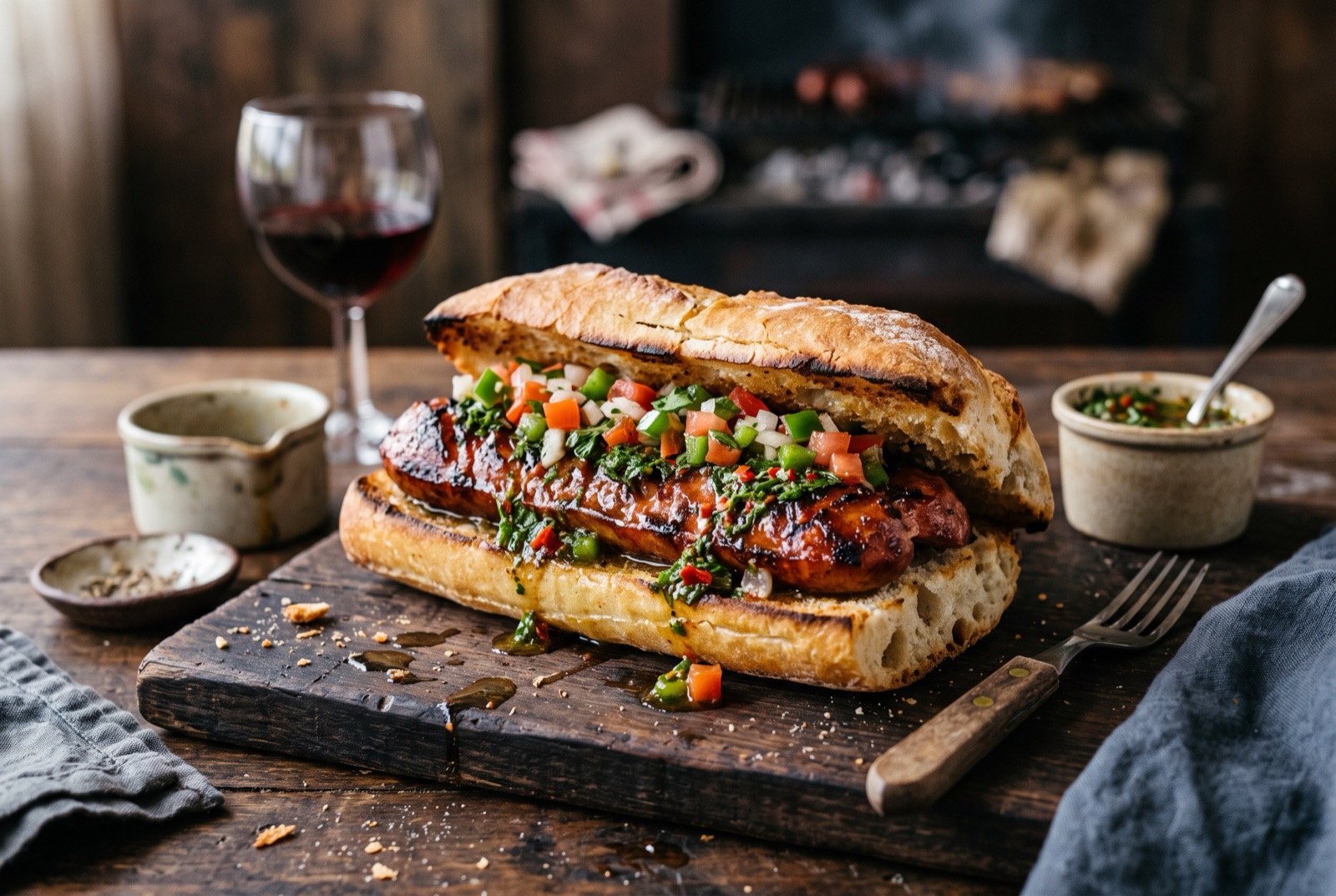
Argentina40 min
Choripán
Argentine Grilled Chorizo Sandwich
Argentina14 hr 15 min
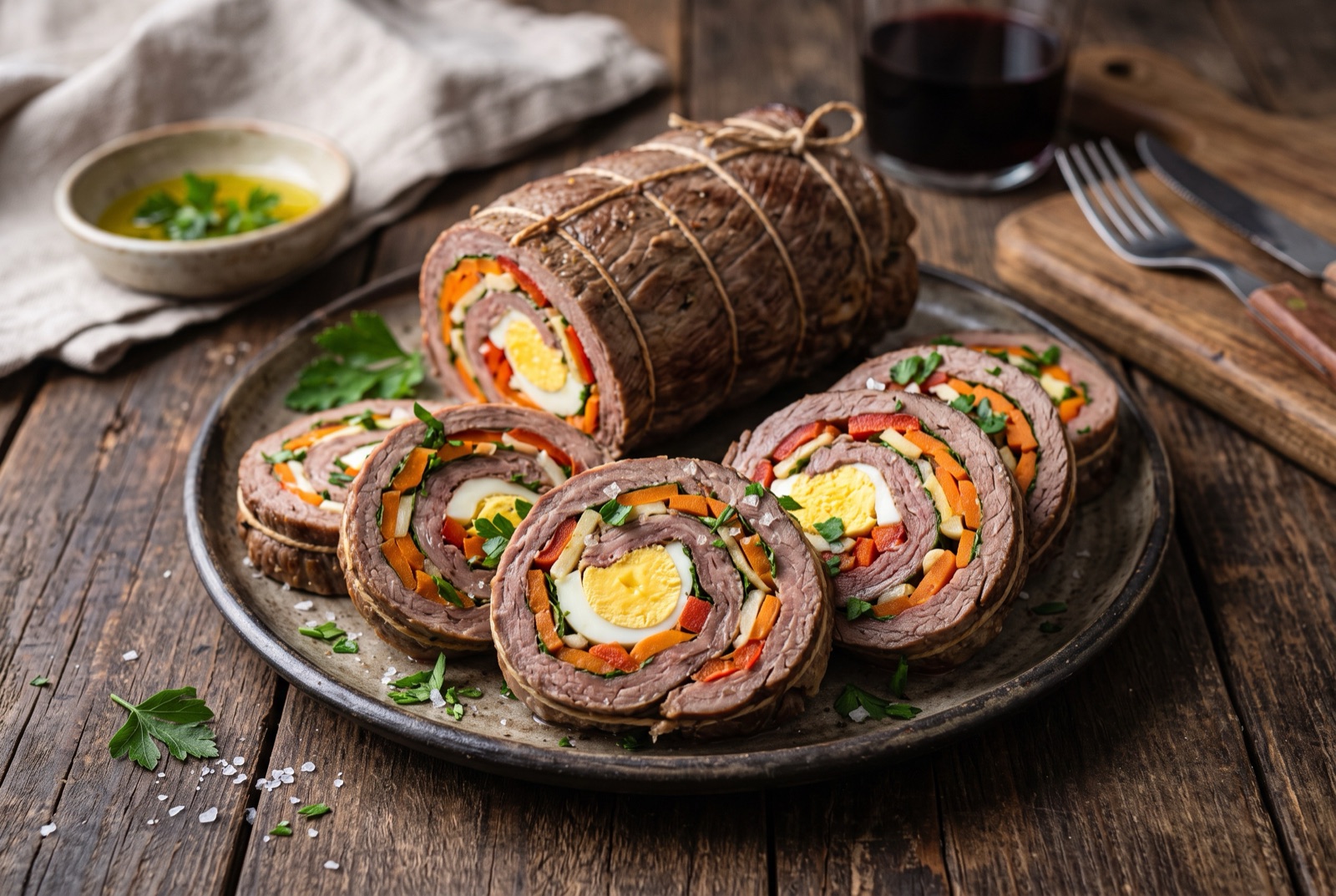
Matambre Arrollado
Argentine Rolled Stuffed Flank Steak
Argentina1 hr 18 min
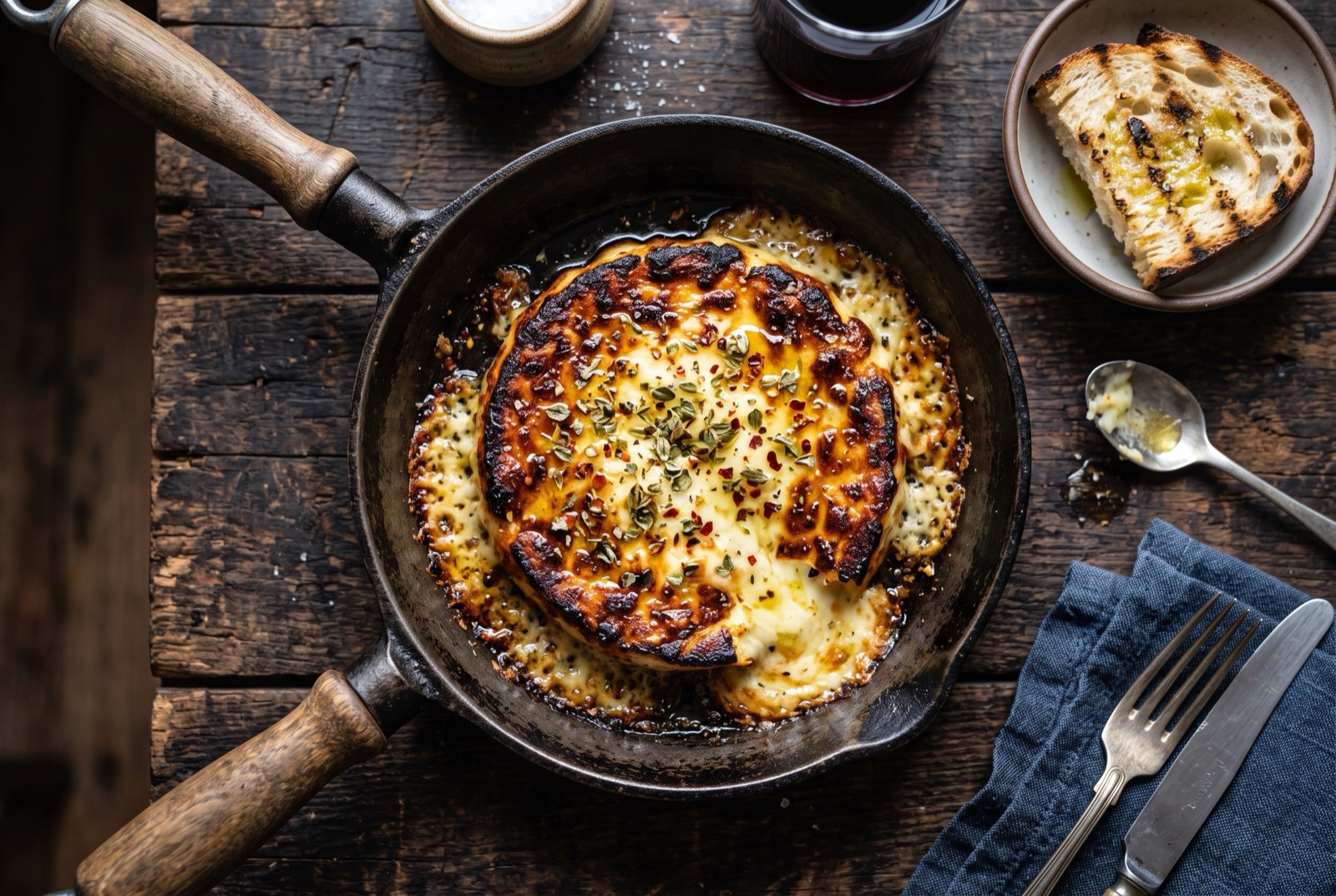
Provoleta
Argentine Grilled Provolone with Oregano
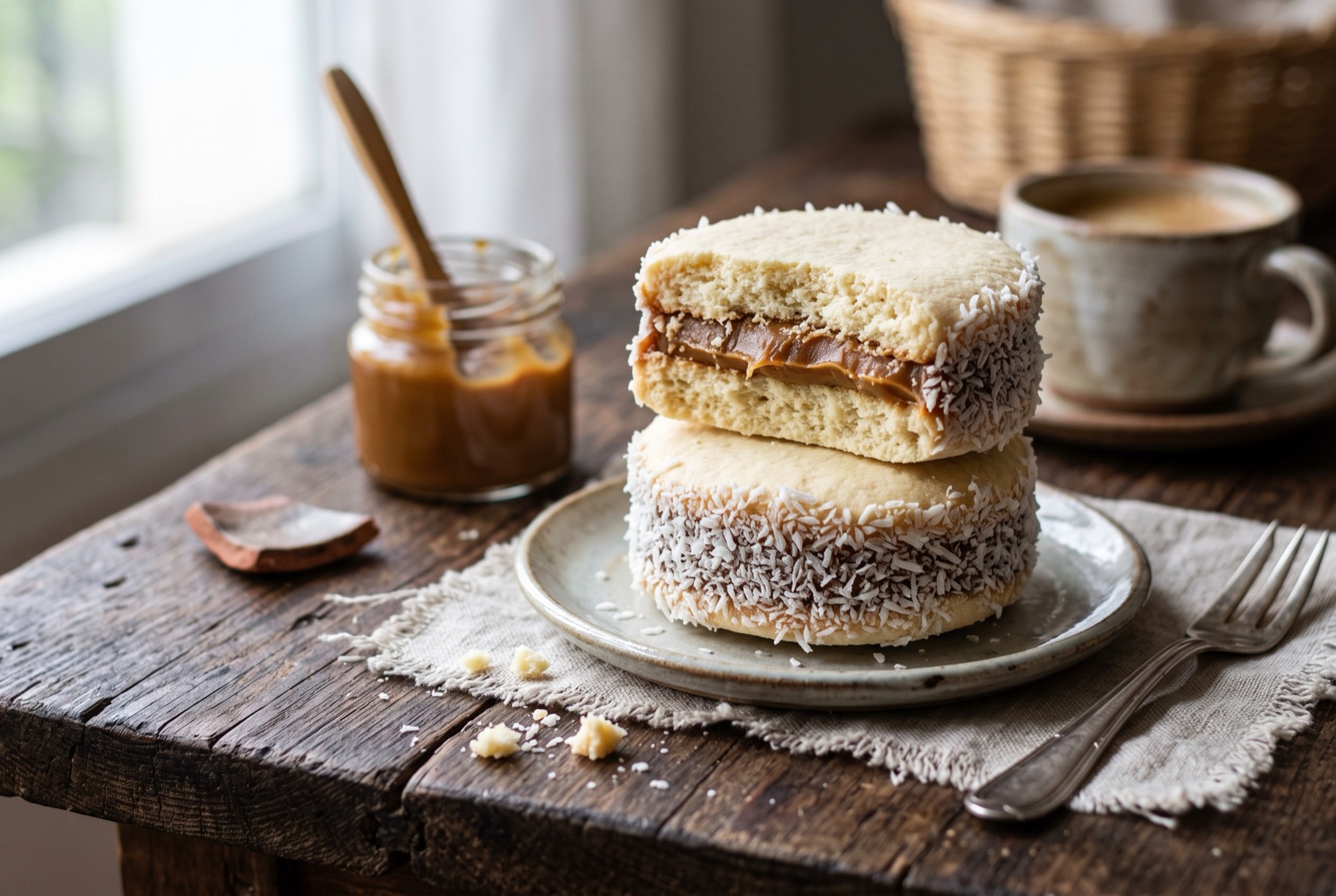
Argentina1 hr 42 min
Alfajores de Maicena
Argentine Cornstarch Cookies with Dulce de Leche
Keep exploring Argentina.
Argentina has 9 more dishes in the atlas — Alfajores de Maicena and Asado, and 7 more.
All Argentina recipes Parsley recipes Garlic recipes Oregano recipes sauceveganvegetariangluten freedairy freeRecipe by The DishRoute Kitchen · published August 20, 2026 · updated August 20, 2026