Souvla.
Cypriot Slow-Grilled Lamb on the Rotisserie
Σούβλα · say it: SOOV-lah
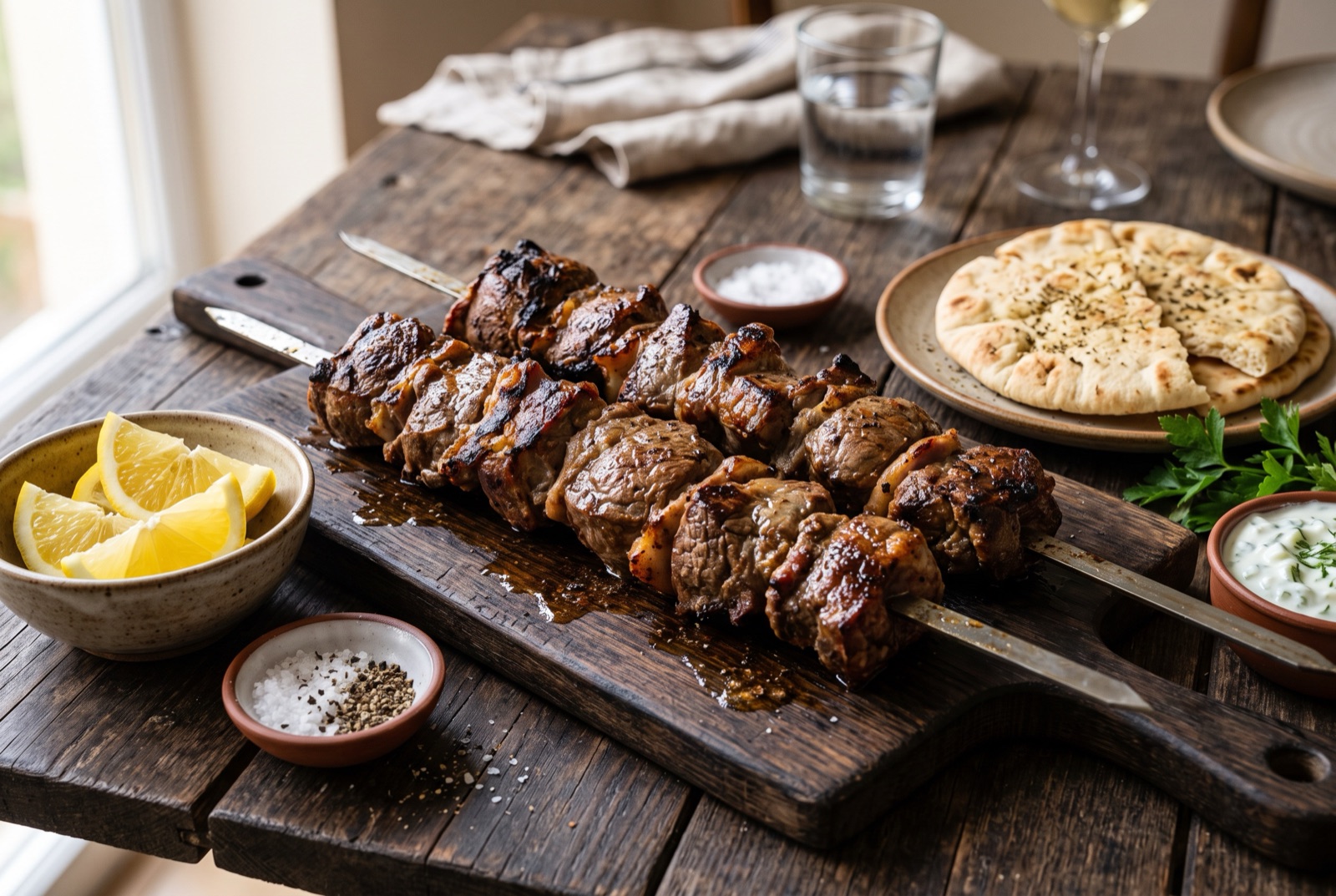
Souvla is lamb cut into pieces the size of a closed fist, threaded onto a long skewer and turned over glowing charcoal for two to three hours until the outside is mahogany and crackling and the inside is still juicy enough to run. The seasoning list is almost insultingly short — coarse salt, black pepper, lemon — because at this cooking length the meat, the smoke and the fat do everything else. What you get is unlike a kebab: the crust is thick and salty, the interior tastes roasted rather than seared, and there is a faint sweetness where rendering fat has basted the surface for hours. Cypriots eat it with pourgouri, lemon wedges and a village salad, standing near the fire while the last pieces come off.

- Gate
- Cyprus
- Prep
- 25 min
- Cook
- 3 hr
- Total time
- 3 hr 40 min incl. 15 min rest
- Serves
- 6
- Status
- Medium
- Nutrition / serving · estimated
- Calories 590 kcal
- Protein 46 g
- Carbs 2 g
- Fat 44 g
- Sodium 980 mg
Why this recipe works.
- Built around the real variable — indirect heat and time — instead of a marinade that souvla has never had.
- Gives you three routes: a proper rotisserie, a covered kettle grill, or a home oven with honest notes on what each loses.
- Explains chunk size and salting timing, the two things that decide whether the meat is juicy or grey.
- Includes the pourgouri and lemon service that makes it a meal rather than a plate of grilled meat.
Ingredients.
6 itemsTo serve
Equipment
- Charcoal rotisserie (foukou) or a kettle grill with a lid
- Long metal skewer
- Tongs
- Instant-read thermometer (optional but useful)
Instructions.
Season the meat early
Rub 2 kg of lamb chunks all over with the coarse salt and cracked pepper, pressing it into the fat cap as well. Leave uncovered on a rack in the fridge for at least an hour, or overnight — the surface should look dry and slightly tacky, which is what gives you crust later.
Build a moderate fire
Light enough charcoal to fill the base of the foukou or to bank along both sides of a kettle grill. Wait until the coals are covered in grey ash with no flames — you should be able to hold a hand at skewer height for four or five seconds. Fierce heat is the enemy here.
Tip Keep a small reserve of unlit coals nearby; you will need to top up around the 90-minute mark.
Load the skewer
Take the meat out of the fridge 30 minutes before cooking. Thread the chunks tightly onto the skewer through the thickest part of each piece, alternating fatty and lean pieces so the fat drips down over the leaner ones. Lock the ends so nothing slides as it turns.
Turn low and slow
Set the skewer 25–30 cm above the coals and start it turning. Cook for 2½ to 3 hours, adding a handful of coals whenever the heat drops. For the first hour the meat will look pale and wet; by the second it should be tightening and going bronze, and only in the last 45 minutes does the deep mahogany crust build.
Tip If flames flare from dripping fat, move coals apart rather than spraying water — steam softens the crust you have been building.
Check for doneness
Push a skewer into the centre of the largest chunk: it should slide in with almost no resistance and the juices should run clear. On a thermometer, aim for 75–80°C in the middle — higher than you would take a roast, because souvla wants that soft, well-roasted texture rather than pink meat.
Rest, then dress
Slide the meat off the skewer into a warm bowl, cover loosely with foil and rest 15 minutes so the juices settle back through the chunks. Only now squeeze the lemon over generously, scatter the oregano if using, and toss so every piece is coated. Serve immediately with pourgouri and salad.
Tips from our kitchen.
- Cut the meat far bigger than feels right — 6 to 8 cm chunks, roughly 200 g each. Small pieces are dry within an hour.
- Salt heavily and at least an hour ahead if you can; the salt needs time to move past the crust that is about to form.
- Keep the meat 25–30 cm above the coals. Souvla is roasted by radiant heat, not grilled; flames touching the meat means the fire is too close or too hot.
- Do not trim the fat cap. It renders slowly and bastes everything below it, and you can leave it on the plate afterwards.
- If the surface darkens too fast in the first hour, rake coals to the sides so the heat comes from the edges rather than directly underneath.
- Squeeze the lemon only after the meat is off the fire and rested — acid on hot crust makes it soggy within minutes.
Substitutions.
- Lamb shoulder → Pork shoulder or pork neck, cut the same size
- Equally traditional in Cyprus and more forgiving: pork neck has enough intramuscular fat to survive three hours even if your fire misbehaves.
- Charcoal rotisserie (foukou) → Kettle grill with the coals banked to both sides and the lid on
- You lose the constant turning, so rotate the meat every 20 minutes by hand. The result is close; the crust is slightly less even.
- Charcoal entirely → Oven at 160°C on a rotisserie attachment, or on a rack for 3 hours, finished under a hot grill
- No smoke, which is a real loss — but the texture of long, gentle roasting is reproduced faithfully. A pinch of smoked paprika in the salt helps a little.
Variations.
- Souvla chirini
- The pork version, using neck or shoulder. Slightly sweeter and fattier, cooks in about the same time, and is the default choice in many families.
- Kotopoulo souvla
- Whole chicken thighs and drumsticks on the skewer instead of lamb — ready in about an hour, and the usual concession when children are eating.
- Souvla with oregano and paprika rub
- A modern taverna habit rather than a village one: a dry rub of dried oregano, sweet paprika and pepper applied before the meat goes on. Traditionalists disapprove; it tastes good anyway.
Storage & reheating.
Leftover souvla keeps 3 days refrigerated. Reheat it covered with a splash of water at 150°C rather than in a pan — the crust has no moisture left to spare and dries out fast over direct heat. Cold souvla is genuinely good shredded into pita with tomato, onion and yoghurt, which is what most Cypriot households do with Monday's leftovers. It freezes acceptably for a month if you freeze it in whole chunks rather than sliced.
Serve with
Pourgouri (cracked wheat pilaf with vermicelli), a village salad of tomato, cucumber and olives, plenty of lemon wedges and warm flatbread.
The story behind Souvla.
Souvla is less a recipe than a piece of household infrastructure. The equipment that defines it — the foukou, a long metal trough with a motorised horizontal spit — is standard in Cypriot back gardens, apartment balconies and village squares, and the cooking is almost always done by men who have strong opinions about coal placement and refuse to be helped. The word itself simply means skewer, and the distinction Cypriots draw is with souvlaki: souvlaki is small cubes cooked fast and hot, souvla is big chunks cooked slow and far from the coals. Confusing the two is the fastest way to be corrected on the island.
The cut matters as much as the fire. Traditionally souvla is lamb shoulder or leg, or pork — pork neck and shoulder are at least as common, and in some families more so — bought from the butcher already cut into souvla-sized pieces without being asked. The chunks are large deliberately: a small piece would dry out over three hours, while a fist-sized one develops a thick crust while the middle stays protected. Nothing is marinated. Cypriot cooks will tell you that acid or oil on the surface burns before the meat is cooked, and that lemon belongs on the finished plate, not in a bowl beforehand.
Around the fire, a whole social rhythm assembles itself. The coals are lit late morning; someone brings beer; the meat goes on and turns for hours while the table fills with halloumi, olives, pickled capers and bread. Lunch happens whenever the meat is ready, which is a moving target nobody complains about. Easter and name days demand it, but so does an ordinary Sunday, and the smell of a whole neighbourhood running souvla at once is one of the more reliable sensory markers of the island. Without a rotisserie the dish is not lost — a covered kettle grill with indirect heat, or an oven rotisserie, gets you most of the way, and the recipe below is built for exactly that.
Questions, answered.
What is the difference between souvla and souvlaki?
Souvlaki is small cubes of meat cooked quickly over high, close heat, usually served in pita. Souvla uses much larger chunks — around 200 g each — set far above the coals and turned slowly for two to three hours, so it roasts rather than sears. They are different dishes that happen to share a root word meaning skewer.
Why is my souvla dry inside?
Almost always because the pieces were cut too small or the meat sat too close to the fire. Chunks need to be fist-sized so the outside can build a crust while the centre stays protected, and the skewer should sit 25–30 cm above the coals. A lean cut like leg without its fat cap will also dry out where shoulder would not.
Can I make souvla without a rotisserie?
Yes. A covered kettle grill with the coals banked to the sides works well if you turn the meat by hand every 20 minutes, and a home oven at 160°C for three hours reproduces the texture even though it cannot give you smoke. Both are normal compromises outside Cyprus and neither ruins the dish.
Should souvla be marinated?
No, and Cypriot cooks are firm about it. Over two or three hours, oil drips and burns and acid dries the surface before the interior is cooked. The meat is seasoned with coarse salt and pepper only, and lemon is squeezed over it after it comes off the fire and has rested.
How do I know when souvla is done without a thermometer?
The crust should be deep mahogany and dry to the touch, and the chunk should feel heavy and yielding rather than springy when pressed with tongs. Pierce the thickest piece: the juices should run clear with no pink tinge, and the meat should offer very little resistance to a skewer pushed through the centre.
You might also like.
All recipes →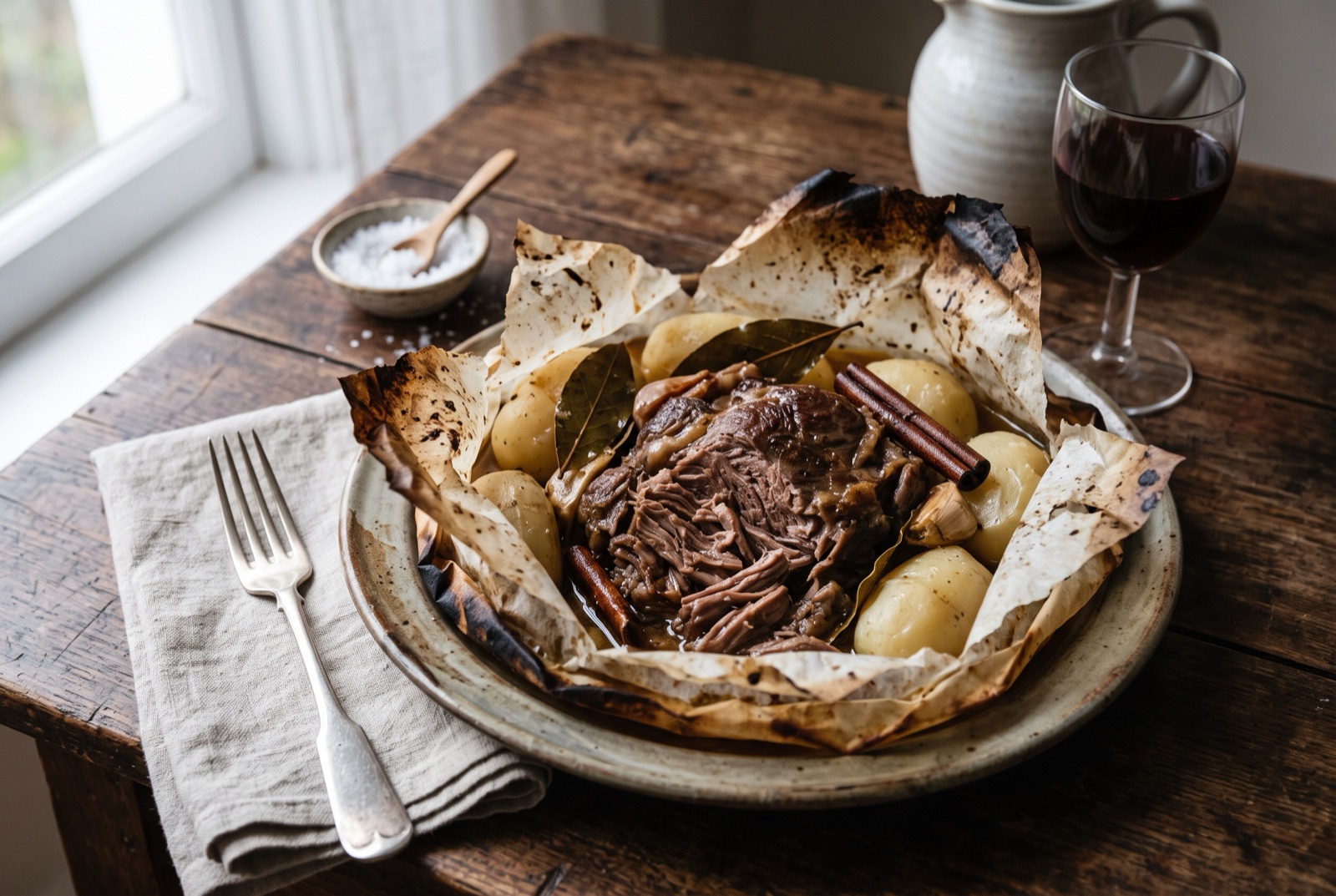
Cyprus5 hr 45 min
Kleftiko
Cypriot Lamb Slow-Baked in a Sealed Parcel
Cyprus1 hr 20 min
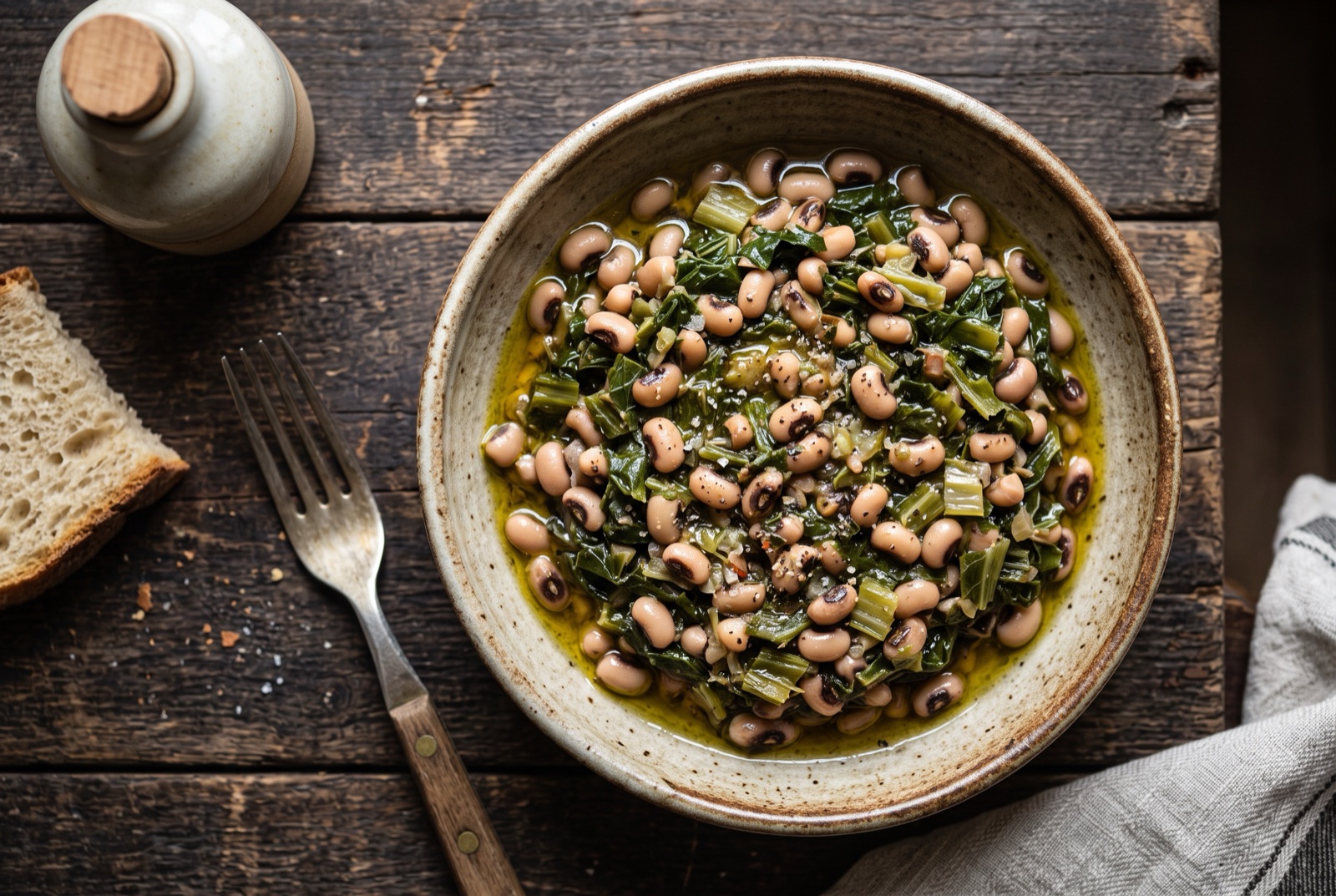
Louvi me Lahana
Cypriot Black-Eyed Peas with Chard
Cyprus2 hr 20 min
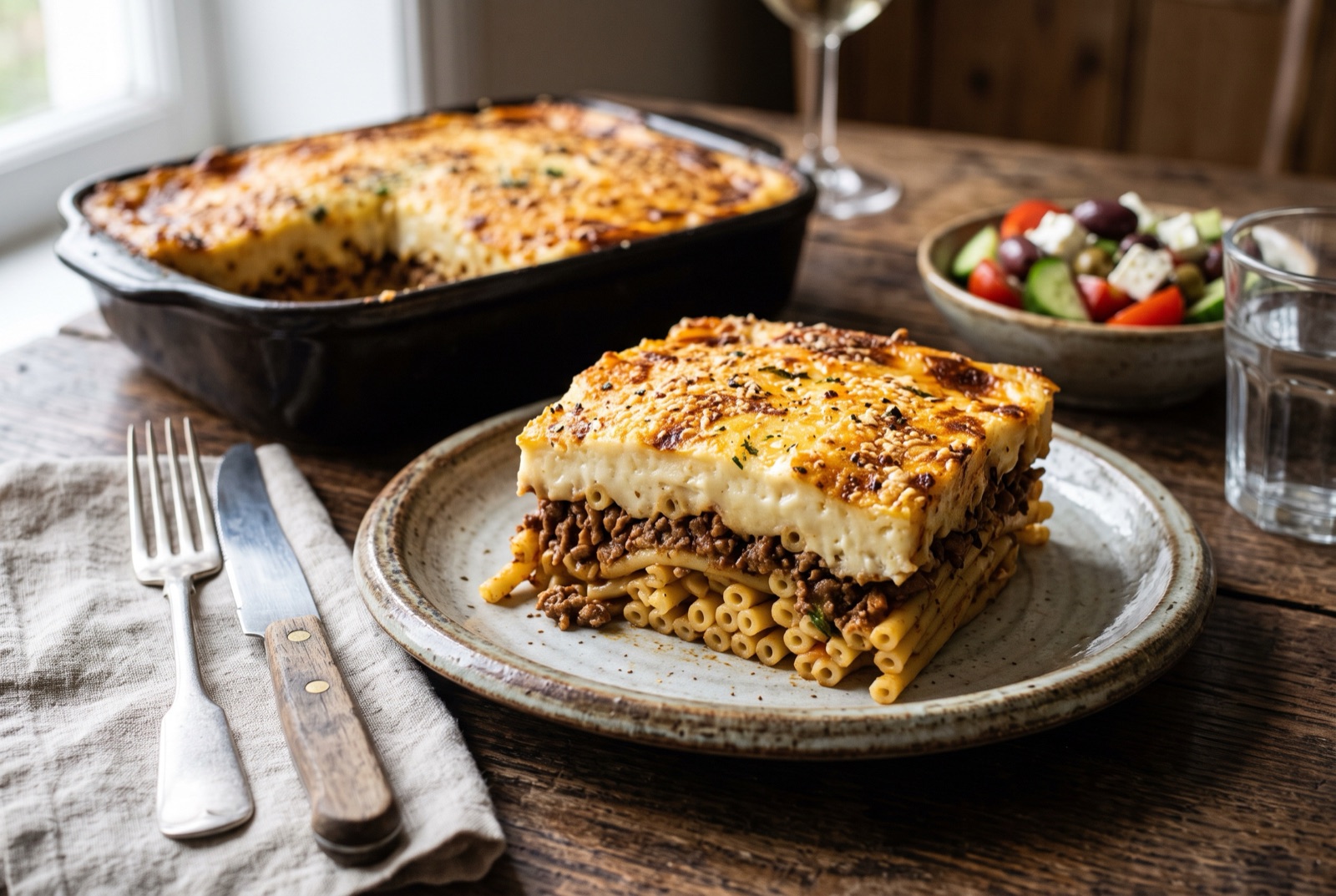
Makaronia tou Fournou
Cypriot Baked Pasta with Halloumi Béchamel
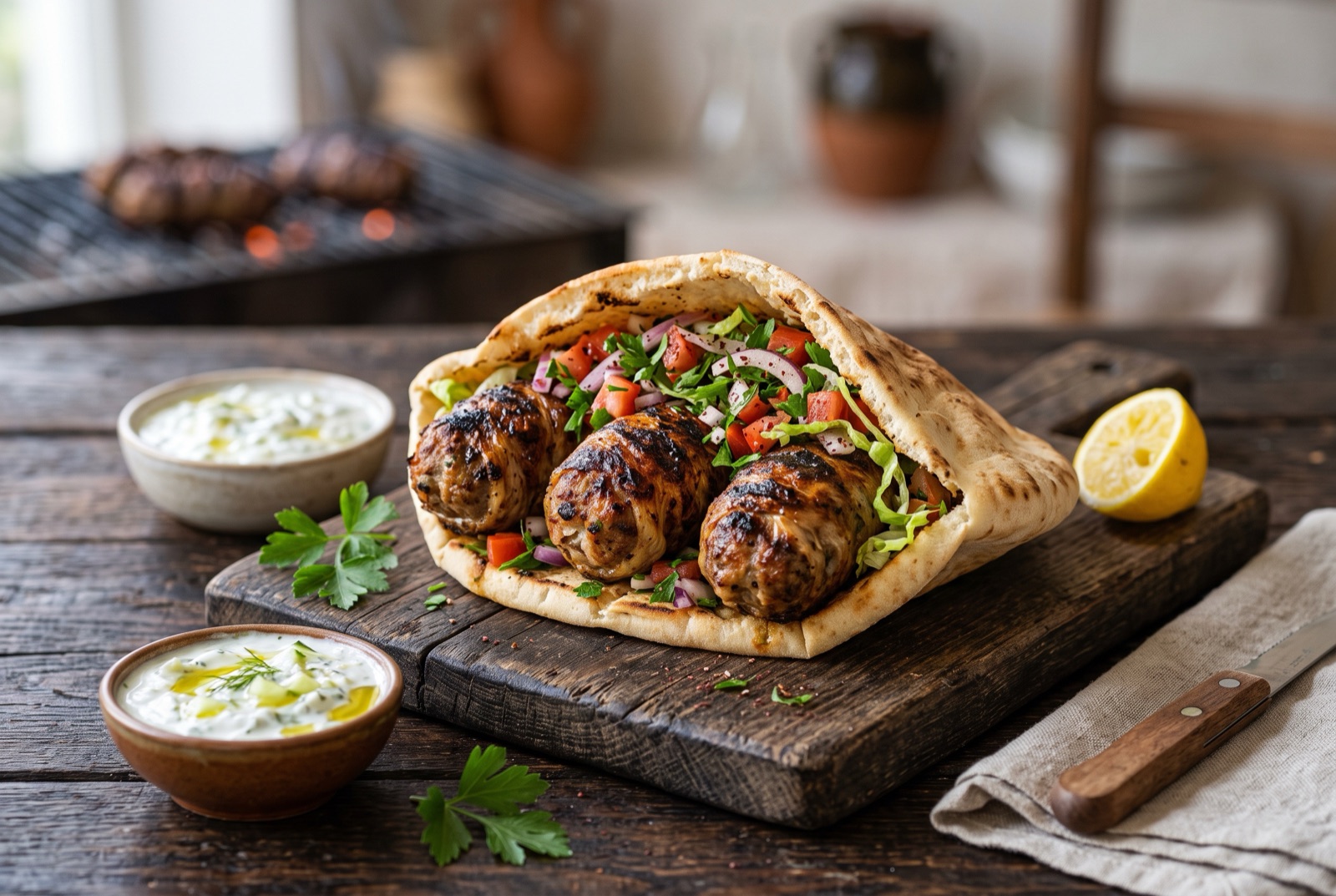
Cyprus1 hr 53 min
Sheftalia
Cypriot Caul-Wrapped Grilled Meat Rolls
Keep exploring Cyprus.
Cyprus has 9 more dishes in the atlas — Afelia and Daktyla, and 7 more.
Recipe by The DishRoute Kitchen · published August 20, 2026 · updated August 20, 2026