Speca me Gjizë.
Albanian Curd-Stuffed Baked Peppers
Speca me gjizë · say it: SPEH-tsah meh GYEE-zuh
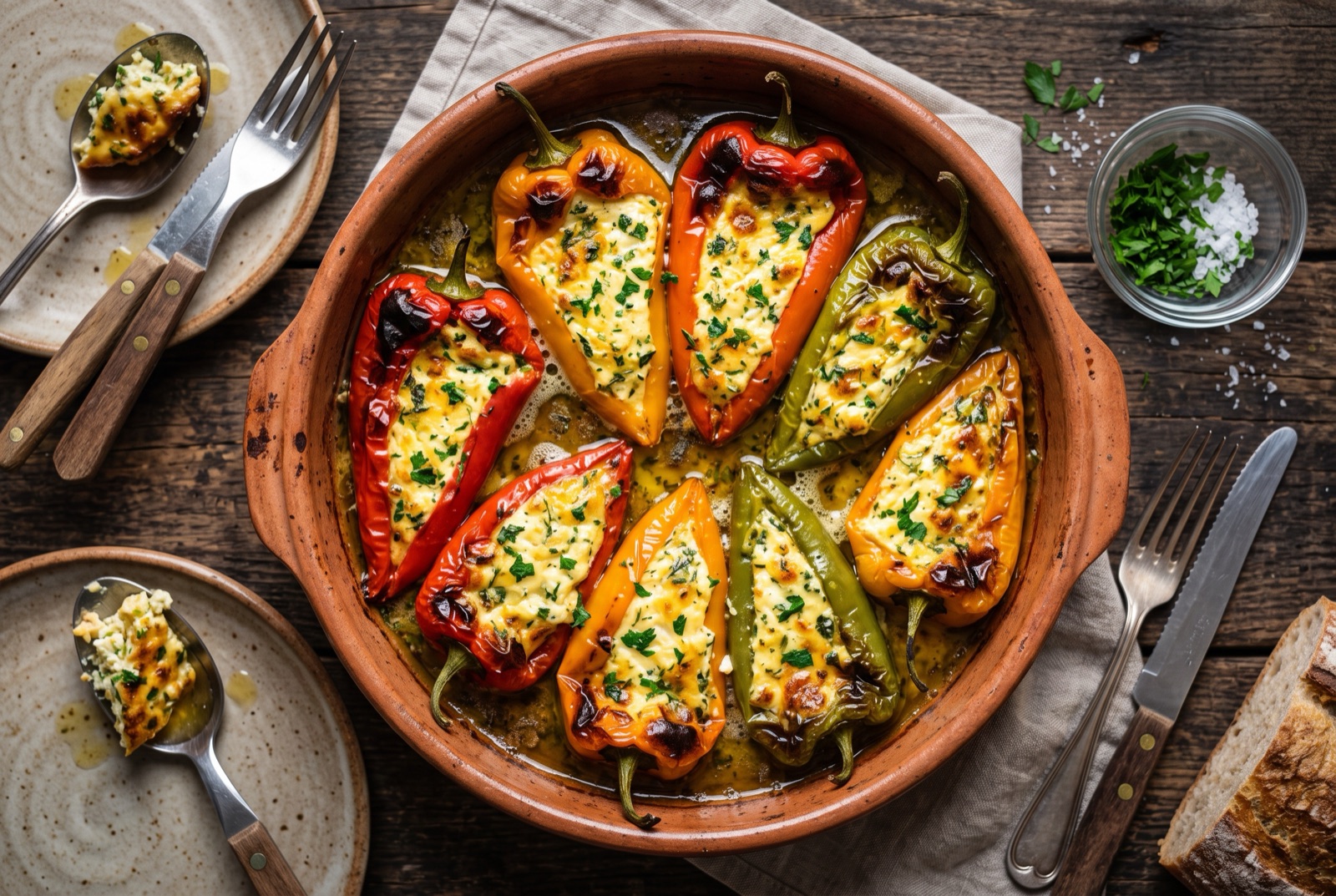
Speca me gjizë is one of the simplest good things in Albanian cooking: long sweet peppers split down one side, stuffed with fresh curd cheese loosened with egg and chopped parsley, and baked in a shallow dish with olive oil until the skins char in patches and the filling puffs and firms. The flavour balance is the whole trick — the peppers turn sweet and jammy in the oven, the curd stays tangy and slightly grainy, and the olive oil in the base picks up both and becomes something you will want to soak bread in. It appears as a hot meze, as a light vegetarian main, and at almost every Albanian summer table when peppers are cheap.

- Gate
- AlbaniaCentral and southern Albania
- Prep
- 20 min
- Cook
- 35 min
- Total time
- 55 min
- Serves
- 4
- Status
- Easy
- Nutrition / serving · estimated
- Calories 380 kcal
- Protein 18 g
- Carbs 12 g
- Fat 29 g
- Fiber 3 g
- Sugar 7 g
- Sodium 610 mg
Why this recipe works.
- Uses thin-walled sweet peppers and explains why they matter more than the filling recipe does.
- Binds the curd with just enough egg to set it without turning the filling into a rubbery omelette.
- A high-oil, shallow-dish bake that gives you blistered skins and a pan of seasoned oil for the bread.
- Entirely vegetarian and made from four core ingredients, with an honest cheese substitution if gjizë is out of reach.
Ingredients.
9 itemsFor the peppers
For the filling
For the dish
Equipment
- Shallow ovenproof dish
- Mixing bowl
- Small knife or teaspoon for filling
Instructions.
Prepare the peppers
Slit each pepper along one side from just below the stem to the tip, leaving the stem attached. Open it gently and scrape out the seeds and pale ribs with a teaspoon without tearing the walls.
Tip Keep the pepper as an open pocket, not two halves — it needs to close back over the filling.
Mix the filling
Crumble the curd into a bowl and mash it lightly with a fork. Beat in the eggs, crumbled white cheese, parsley, salt and black pepper until the mixture is thick and spoonable, with visible grains of curd rather than a smooth paste.
Tip Taste it raw for salt. Curd is bland and the filling needs more seasoning than you expect.
Fill the peppers
Spoon the filling into each pepper, pressing it gently along the length and stopping about three-quarters full so the egg has room to rise. Fold the cut edges back over the filling as best you can.
Arrange in the dish
Pour the olive oil into a shallow ovenproof dish and lay the peppers in slit-side up, in a single snug layer. Brush the tops with oil from the base and dust with paprika if using.
Bake until blistered
Bake at 200°C for 30–35 minutes, until the pepper skins have wrinkled, slumped and taken dark blisters on top, and the filling is puffed and firm to a light press. The oil in the base should be bubbling and stained orange.
Tip If the tops are pale at 30 minutes, grill for 3 minutes instead of extending the bake.
Serve with the pan oil
Let them settle for 5 minutes, then serve two peppers per person with a spoonful of the hot seasoned oil from the dish poured over each. Bread is not optional here.
Tips from our kitchen.
- Choose long, thin-walled sweet peppers of roughly equal size so they cook evenly. Thick bell peppers stay watery and never blister properly.
- Drain the curd in a sieve for 30 minutes if it looks wet — excess whey will leak out and dilute the oil in the base.
- Slit the peppers along one side only and leave the stem attached; a fully halved pepper spills its filling as it softens.
- Do not overfill. A pepper stuffed to bursting will split open in the oven and lose everything into the dish.
- Use more olive oil than feels sensible in the base. It is part of the dish, not just a cooking medium, and gets served with the peppers.
- If the tops are not blistering, run the dish under the grill for the last 3 minutes rather than baking longer, which overcooks the filling.
Substitutions.
- Gjizë (fresh curd) → Dry ricotta, or sieved cottage cheese drained well
- Ricotta is milder, so add an extra pinch of salt or a spoon of crumbled feta to bring the seasoning up to Albanian level.
- Long sweet peppers → Small pointed Romano peppers, or banana peppers
- Both have the thin walls the dish needs. Avoid standard bell peppers unless you halve them and treat the dish as a gratin.
- Egg binder → Two tablespoons of thick yoghurt plus a tablespoon of flour
- For an egg-free version. The filling sets softer and creamier and needs about 5 minutes longer in the oven.
Variations.
- With salty cheese
- Half gjizë and half crumbled white brined cheese, which makes a sharper, saltier filling and a more strongly browned top.
- Speca të mbushur me oriz
- The rice-stuffed cousin, filled with rice, onion, tomato and herbs and baked in tomato juices — a heavier dish and a full main course.
- Grilled first
- Char the peppers over a flame and slip off the skins before stuffing. More work, sweeter and smokier, and the finished dish is meltingly soft.
Storage & reheating.
These keep 3 days in the fridge in their oil and are excellent cold, which is how they usually get eaten the next day. Bring them back to room temperature before serving, or warm them for 10 minutes in a 170°C oven. They do not freeze — the peppers turn to mush and the curd filling weeps water on thawing.
Serve with
Bread for the oily pan juices, a plate of tomatoes with olive oil, and cold yoghurt or ayran alongside.
The story behind Speca me Gjizë.
The dish is a direct product of Albanian dairy culture. Gjizë is the curd that remains after cheesemaking — what Italians would recognise as ricotta and Greeks as mizithra — and for centuries it was a by-product too good to waste and too perishable to keep. Stuffing it into peppers and baking it solved both problems at once, and gave households a protein-rich dish that required no meat, which mattered a great deal in a country where meat was seasonal and expensive well into living memory.
The pepper itself is specific. Albanians use long, thin-walled sweet peppers, the kind sold across the Balkans by the kilo in late summer, not thick-walled bell peppers. The thin walls collapse quickly, blister and take on a sweet, slightly smoky edge, and they hold a slim line of filling rather than a great load of it — the proportion of pepper to curd should be roughly even. In autumn, when the pepper harvest peaks, the same peppers are roasted, peeled and packed in oil, or ground into paste, or strung up to dry for winter.
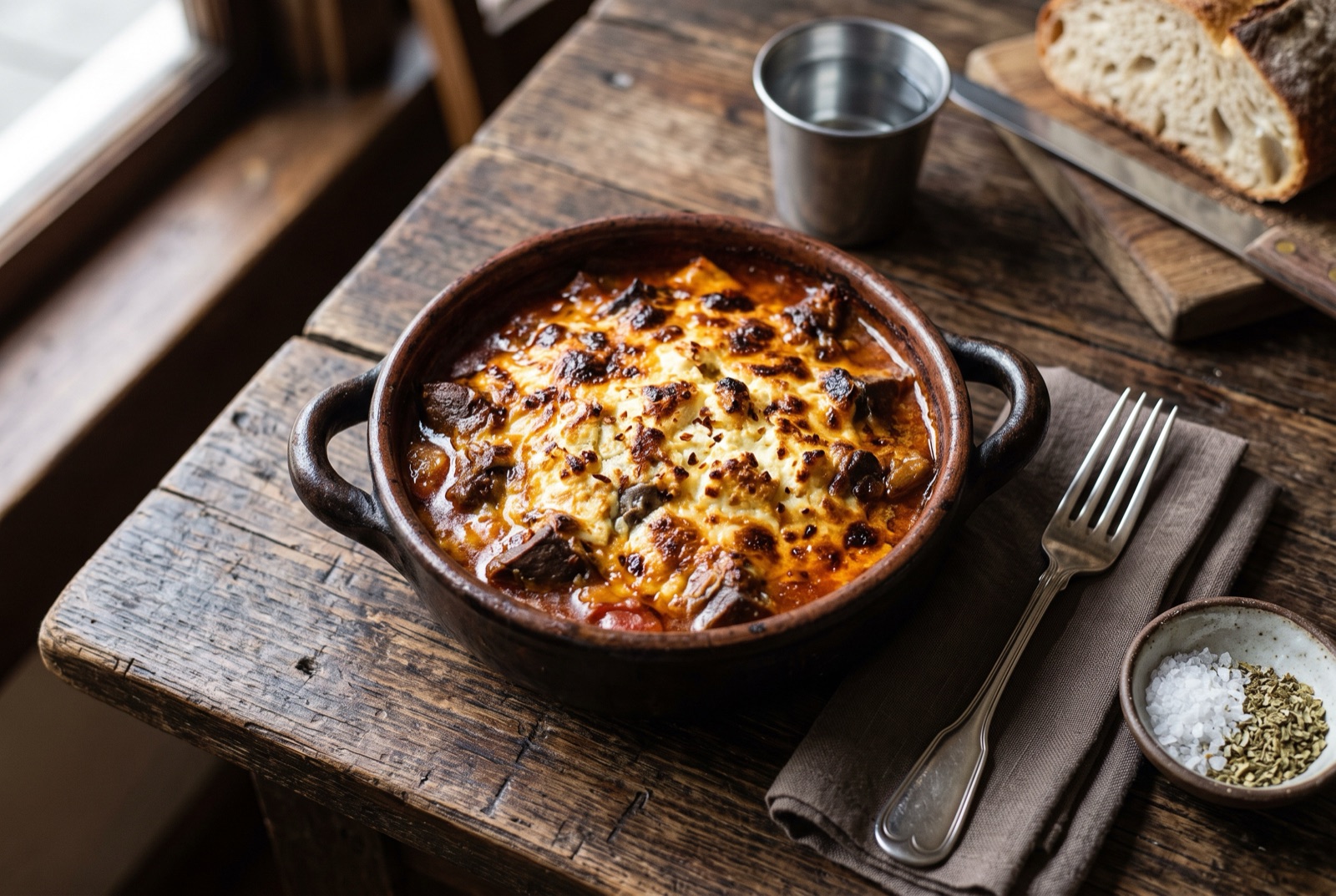
It sits in the middle of the Albanian meze table alongside fërgesë and tavë dheu, and shares their logic completely: a small clay or metal dish, a filling bound with egg or cheese, a hot oven and bread. Some households add a little crumbled salty cheese to the curd for seasoning, some beat in a spoon of yoghurt to loosen it, and southern versions often finish with a spoonful of the baking oil poured back over each pepper. What nobody does is overcomplicate it — the point of the dish is that four ingredients handled properly taste like more than four ingredients.
Questions, answered.
What kind of peppers should I use?
Long, thin-walled sweet peppers, around 12–15 cm, of the type sold across the Balkans and the Mediterranean in late summer. Romano, banana or Turkish sivri peppers all work. Thick-walled bell peppers release too much water, refuse to blister, and change the dish into a heavier baked gratin rather than the light meze it is meant to be.
My filling leaked out during baking. What went wrong?
Either the peppers were overfilled or they were cut too far open. Slit each pepper along one side only, keeping the stem end and the tip intact, and fill to about three-quarters so there is room for the egg to expand. Laying the peppers slit-side up in the dish also helps, since gravity then works with you rather than against you.
Can I make this without eggs?
Yes. Replace the eggs with two tablespoons of thick yoghurt and a tablespoon of flour whisked into the curd. The filling will be softer and creamier rather than set, and needs about five extra minutes in the oven. It will not hold a clean slice, but the peppers are eaten whole anyway so it makes little practical difference.
Is speca me gjizë served hot or cold?
Both, and Albanians are relaxed about it. Straight from the oven it is a hot meze, eaten bubbling with bread. At room temperature or cold from the fridge it becomes part of a summer spread alongside tomatoes, olives and cheese. What it should not be is fridge-cold and hard — let it sit out for twenty minutes first so the olive oil loosens again.
Can I prepare them in advance?
Stuff the peppers, arrange them in the oiled dish, cover and refrigerate for up to a day, then bake when you need them, adding about five minutes to the time. Do not bake them ahead and reheat more than once, since the curd tightens and dries out on a second heating and loses the soft custardy texture that makes the dish worth cooking.
You might also like.
All recipes →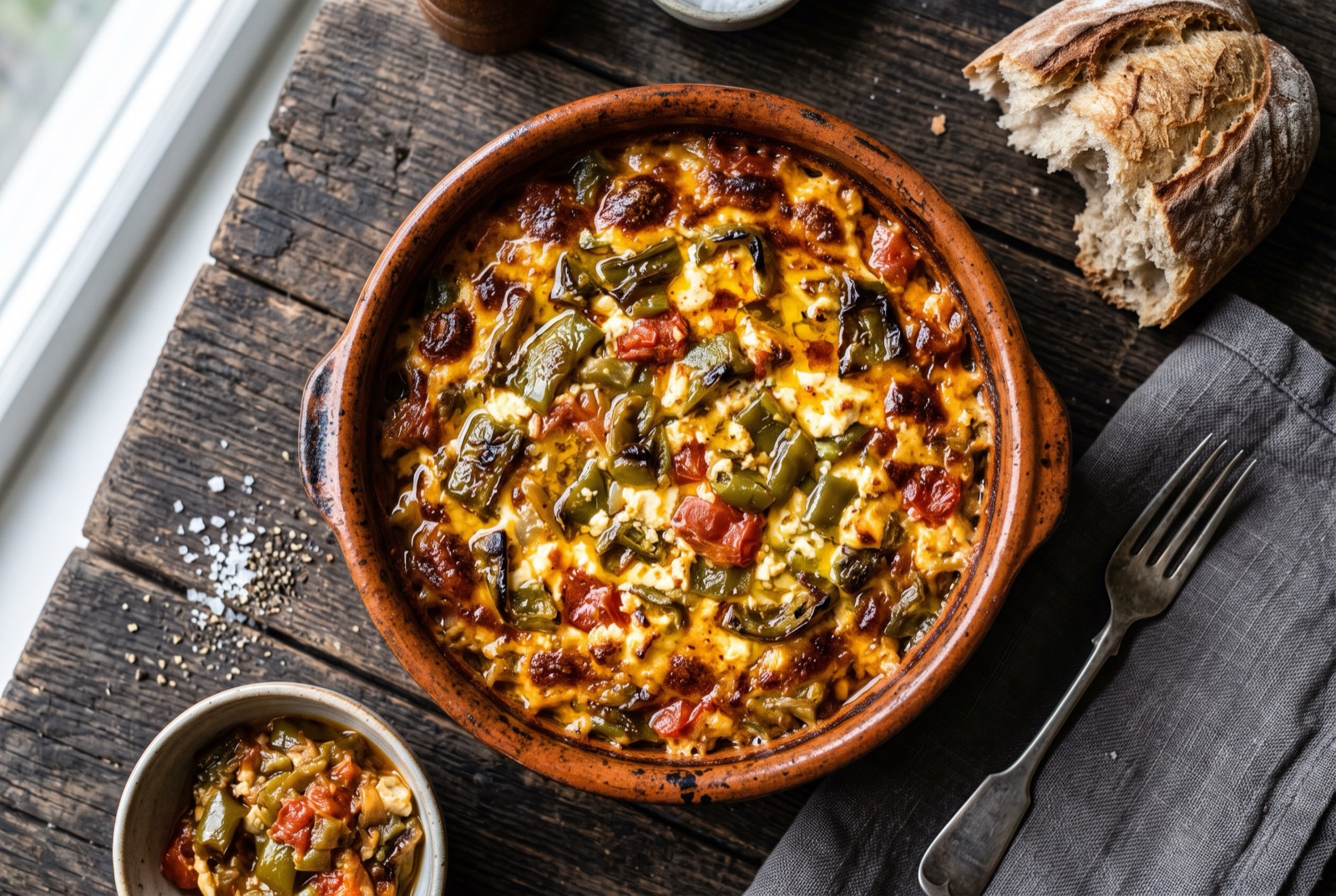
Keep exploring Albania.
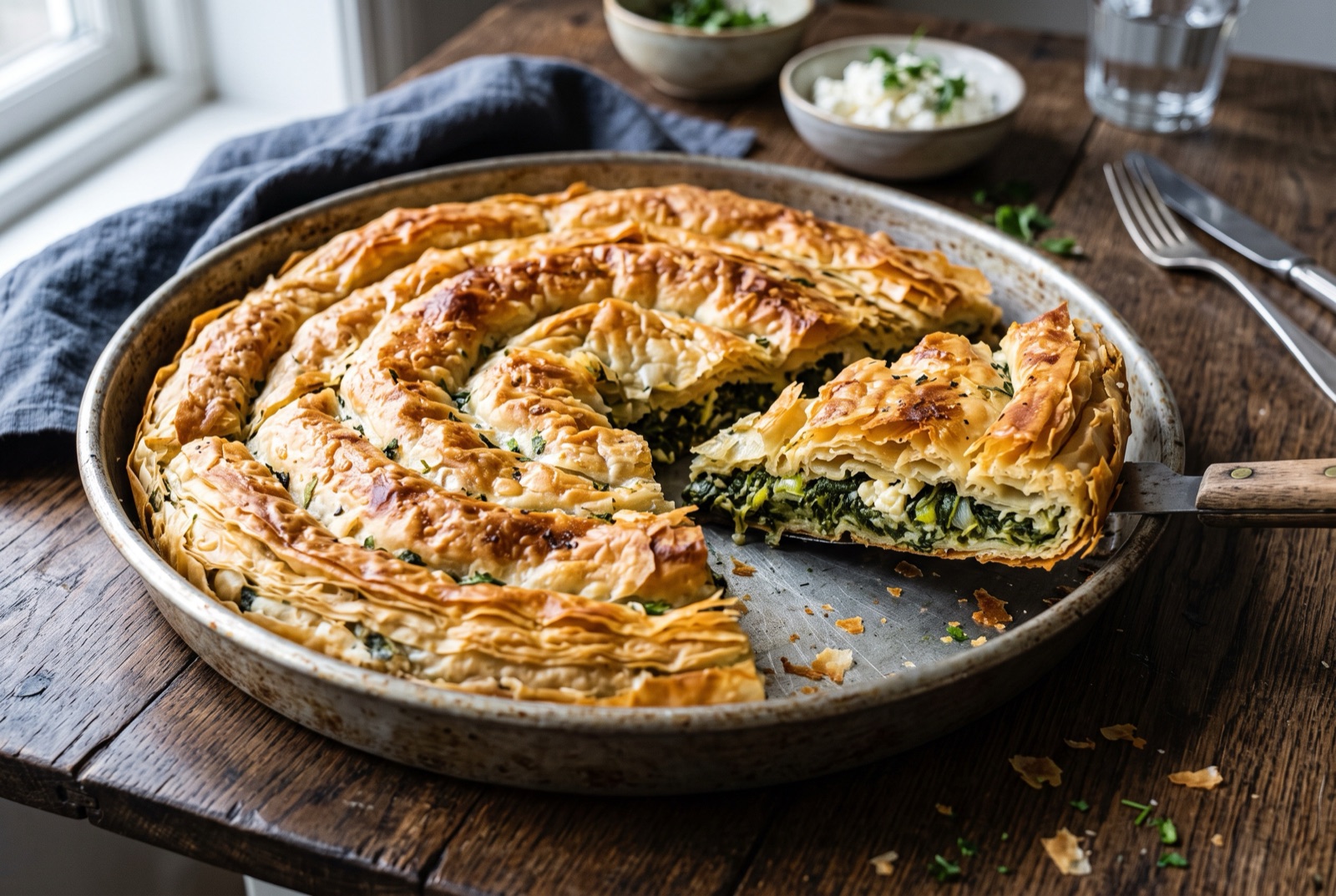
Albania has 9 more dishes in the atlas — Byrek me Spinaq and Fërgesë Tirane, and 7 more.
All Albania recipes Bell pepper recipes Eggs recipes Olive oil recipes mainappetizervegetariangluten freeRecipe by The DishRoute Kitchen · published August 20, 2026 · updated August 20, 2026