Tavë Dheu.
Albanian Clay-Pot Liver with Feta
Tavë dheu · say it: TAH-vuh THEH-oo
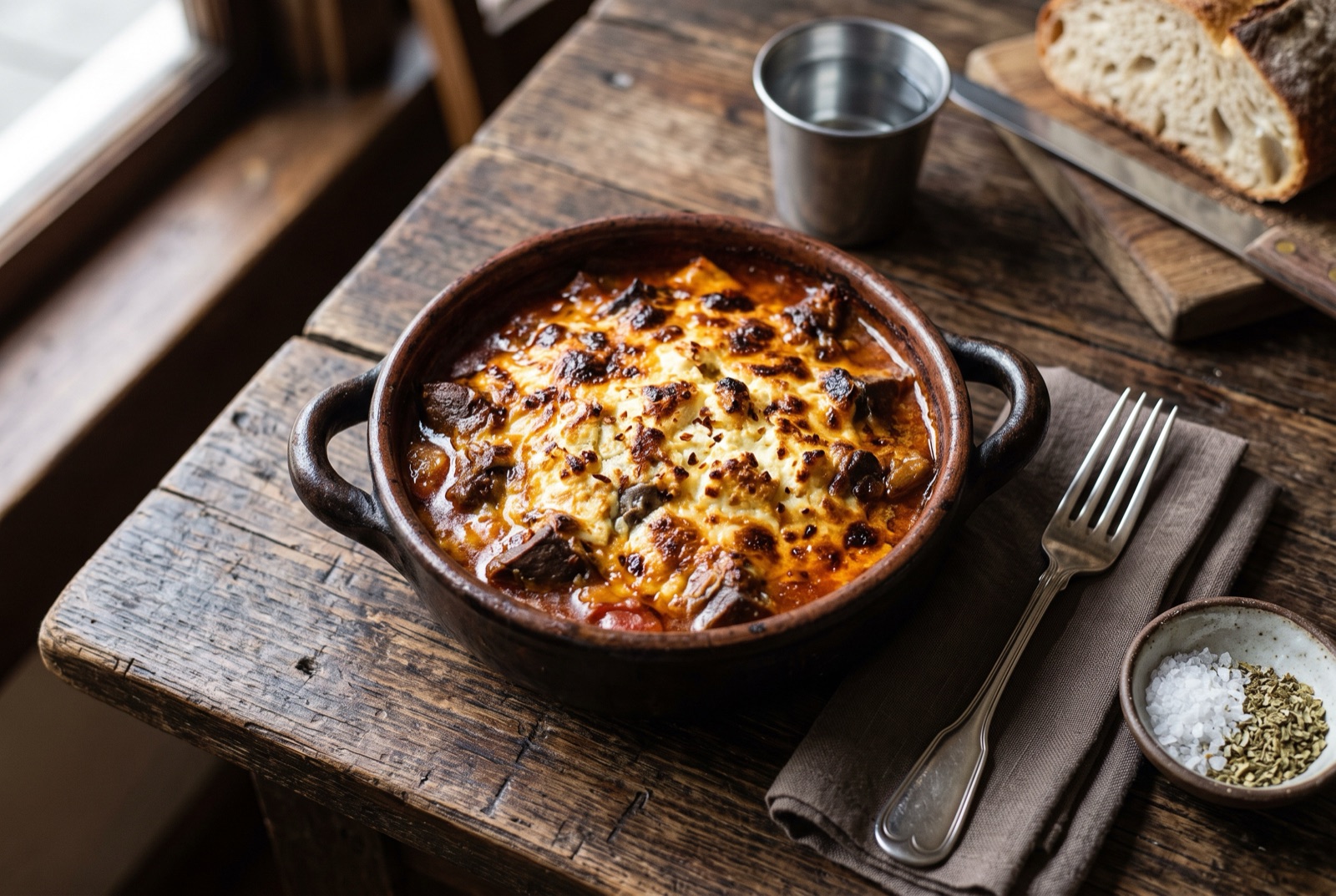
Tavë dheu means, literally, earth dish — the small unglazed clay pot it is baked and served in. Inside is liver, cut into cubes, seared hard so the outside sets before the inside can toughen, then folded into a quick sauce of garlic, tomato and hot pepper and finished in the oven under a snowfall of crumbled white cheese. It is intense food: mineral and slightly sweet from the liver, sharp from the tomato, salty from the cheese, with a chilli edge that keeps it from feeling heavy. Albanians eat it as a hot starter or a small main with bread and raki, in portions deliberately kept modest, because a whole plate of it would be too much of a good thing.

- Gate
- AlbaniaCentral Albania
- Prep
- 20 min
- Cook
- 30 min
- Total time
- 1 hr 20 min incl. 30 min rest
- Serves
- 4
- Status
- Medium
- Nutrition / serving · estimated
- Calories 430 kcal
- Protein 34 g
- Carbs 14 g
- Fat 26 g
- Fiber 2 g
- Sodium 820 mg
Why this recipe works.
- Sears the liver separately and returns it late, so it stays tender instead of going grainy in the sauce.
- A soaking step in milk that takes the metallic edge off supermarket liver without washing out the flavour.
- Builds a proper garlic-tomato base rather than pouring passata over meat and calling it a bake.
- Written for both a clay tavë and an ordinary ovenproof pan, with the timing adjusted for each.
Ingredients.
14 itemsFor the liver
For the sauce
To finish
Equipment
- Small clay tavë dishes or one shallow ovenproof dish
- Wide heavy frying pan
- Sharp knife
Instructions.
Soak the liver
Put the cubed liver in a bowl, pour over the milk to cover and refrigerate for 30 minutes. Drain, rinse briefly and pat every piece completely dry with kitchen paper — any moisture left will stop it browning.
Sear it hard and fast
Toss the dry liver in the flour, shaking off the excess. Heat half the olive oil in a wide pan until it shimmers and sear the liver in two batches for about 90 seconds a side, until browned outside and still rosy within. Lift out onto a plate and season with salt.
Tip Do not crowd the pan and do not stir constantly. Leave the cubes alone long enough to build a crust.
Start the sauce
Add the remaining oil to the same pan, drop the heat to medium and cook the onion for 6–7 minutes until soft and translucent at the edges. Stir in the garlic and hot pepper and cook one minute more, until the garlic smells sweet.
Build the tomato base
Stir in the tomato paste and paprika and fry for 30 seconds to take off the raw edge, then add the grated tomatoes and oregano. Simmer for 10–12 minutes, until the sauce thickens and oil begins to separate at the rim of the pan.
Tip That ring of orange oil at the edge is the signal the tomato has cooked down far enough.
Combine and fill the dishes
Return the liver and any juices to the pan, stir once so every cube is coated, then taste and correct the salt and pepper. Divide between four small clay dishes or spoon into one shallow ovenproof dish.
Bake under the cheese
Scatter the crumbled cheese thickly over the top and bake at 220°C for 10–12 minutes, until the cheese has softened, taken patches of brown and the sauce bubbles up around the edges.
Tip If you are using metal dishes, check at 7 minutes and pull them as soon as the cheese colours.
Serve immediately
Scatter with parsley and carry the dishes straight to the table while they are still spitting, with bread for mopping. Warn everyone that the clay stays scorching for several minutes.
Tips from our kitchen.
- Soak the liver in milk for 30 minutes and pat it bone dry — wet liver steams in the pan and never takes colour.
- Sear in a wide pan in two batches over high heat, no more than 90 seconds a side. The centre should still be rosy at this stage.
- Trim out the tough white membranes and tubes before cubing; they never soften and ruin the texture.
- Salt the liver only after searing. Salt earlier and it draws out moisture, which stops the crust forming.
- Soak a new clay pot in cold water for an hour before its first use and always start it in a cold oven, or it can crack.
- Serve it fiercely hot. Tavë dheu cools quickly into something greasy, so bring it to the table straight out of the oven.
Substitutions.
- Calf liver → Lamb liver, or chicken livers
- Lamb liver is the more traditional choice and stronger in flavour. Chicken livers work well but need only 40 seconds a side and should be left whole.
- White brined sheep cheese → Feta, or a mix of feta and grated kashkaval
- Feta is the closest match. Adding a little kashkaval gives you the browned, stretchy top that Albanian restaurants aim for.
- Fresh hot green pepper → A generous pinch of chilli flakes
- The dish is meant to have a clear chilli bite. Halve the amount if you are serving it to a mixed table and pass extra separately.
Variations.
- Tavë dheu me mish
- Made with cubed veal or lamb instead of liver, browned then baked longer in the same tomato and cheese base. Milder and closer to a small casserole.
- With mushrooms
- A restaurant addition in Tirana: sliced mushrooms browned with the onion, which soak up the sauce and stretch the dish for a bigger table.
- Extra-hot Durrës style
- Coastal versions lean harder on chilli and finish with a spoon of hot pepper paste stirred into the tomato before baking.
Storage & reheating.
Tavë dheu is at its best within minutes of leaving the oven and does not improve with keeping, but leftovers hold 2 days in the fridge. Reheat gently in a covered pan over low heat, adding a splash of water, and stop as soon as it steams — a second hard heating turns the liver dry and chalky. Do not freeze; thawed liver loses its texture entirely.
Serve with
Thick slices of bread for the sauce, a raw onion and parsley salad, and a small glass of raki.
The story behind Tavë Dheu.
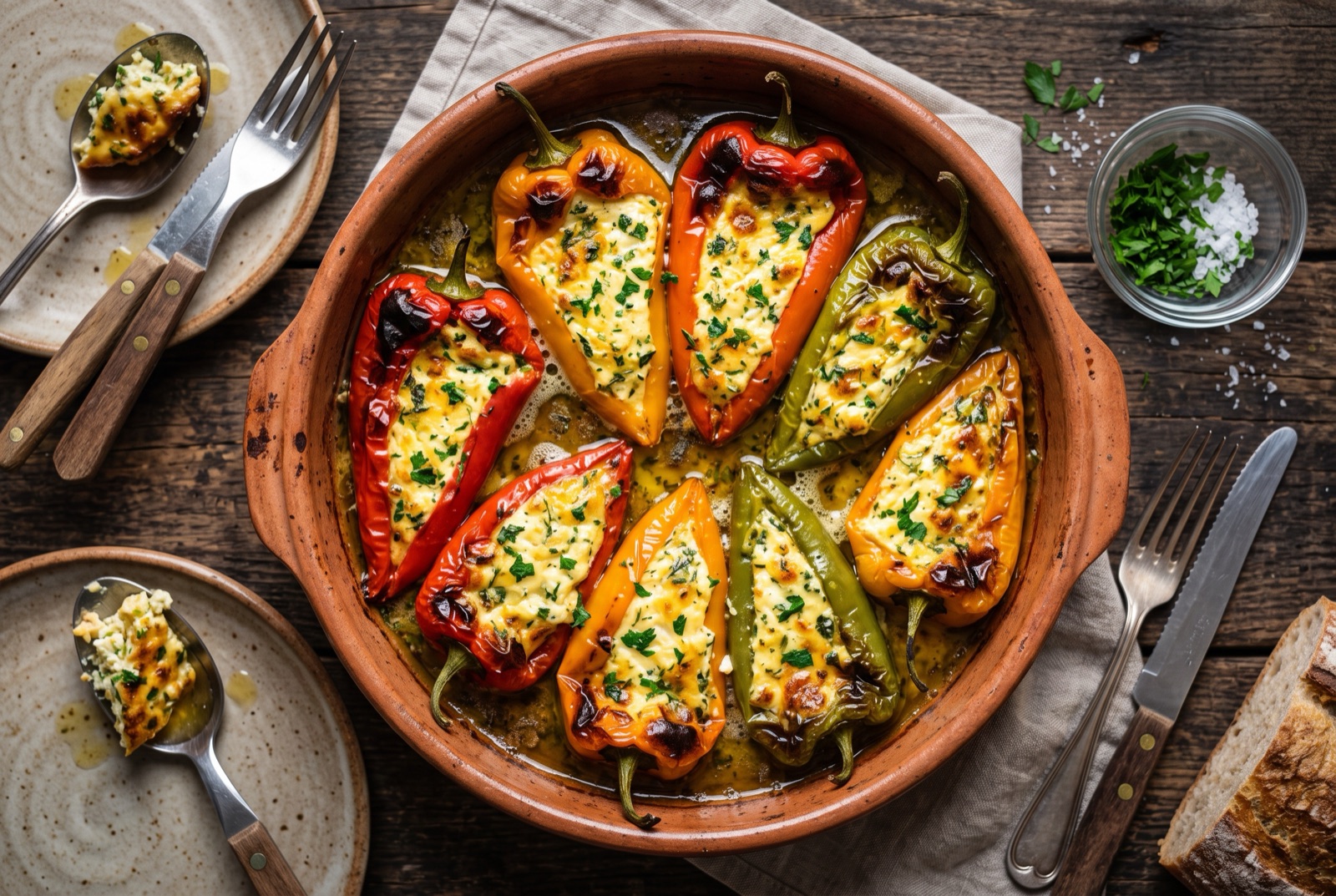
Baked liver in a clay pot belongs to the Ottoman-era tavern tradition that runs all through the southern Balkans, and Albania kept it as a meze rather than promoting it to a main course. Individual portions in small earthenware dishes suit that role exactly: the pot goes from oven to table still spitting, everyone gets their own, and the bread does the rest. Restaurants around Tirana, Durrës and Elbasan serve it alongside fërgesë and speca me gjizë as part of the standard hot-starter lineup, and in many places the two dishes come out of the same oven at the same time.
The clay itself is not decorative. Unglazed earthenware heats slowly, holds that heat for a long time and radiates it evenly, which is why the cheese on top browns without the tomato beneath scorching, and why the dish is still bubbling when it reaches you. Albanian pottery towns produced these small tavë by the thousand, and any household kitchen that cooks the dish regularly owns a stack of them. That said, the technique is what matters more than the vessel — a small cast-iron pan or a shallow ovenproof dish gives most of the same result, and the recipe below is written so it works either way.
Liver is treated with more respect in Albanian cooking than in most of Western Europe. It turns up fried plain with onions, skewered on the grill, tucked inside the feast-day version of tavë kosi, and here, buried in tomato under cheese. The reason is partly economic history — offal was affordable in decades when muscle meat was not — and partly straightforward taste: cooks who grew up with it know that liver cooked fast and pulled off the heat early is tender and sweet, and that liver cooked slowly is a punishment. Everything in this recipe is arranged to keep it on the right side of that line.
Questions, answered.
How do I stop liver from tasting metallic?
Soak it in milk for 30 minutes before cooking, then drain and dry it thoroughly. Milk softens the iron-heavy tang that people find unpleasant, especially in supermarket calf liver. Also trim away every visible membrane and tube, and buy the liver as fresh as you can, since the metallic taste sharpens as liver ages.
Why did my liver turn out tough and grainy?
It was cooked too long. Liver has almost no connective tissue, so there is no slow-cooking payoff — it goes from tender to grainy within about a minute. Sear the cubes for 90 seconds a side while they are still pink inside, take them out, and return them to the dish only for the final oven stage so they finish gently in the sauce.
Do I need clay pots to make tavë dheu?
No, though they are traditional and hold heat far longer at the table. A small cast-iron pan, individual gratin dishes or one shallow ovenproof dish all work. If you use metal instead of clay, cut the oven stage by about 5 minutes, because metal transfers heat much faster and the liver will overcook while you wait for the cheese to brown.
Can I make it with something other than liver?
Yes. Tavë dheu is also made with cubed veal or lamb, which needs a longer simmer in the tomato before baking — around 45 minutes until tender. Mushrooms make a decent vegetarian version using the same garlic, tomato and cheese base, though it becomes a different dish rather than a substitute.
How spicy should it be?
Noticeably hot but not punishing. One fresh green chilli for four portions gives a warm background heat that balances the richness of the liver and the salt of the cheese. Albanian restaurants vary a lot, and some coastal versions are genuinely fiery, so adjust to your own table and offer chilli flakes on the side.
You might also like.
All recipes →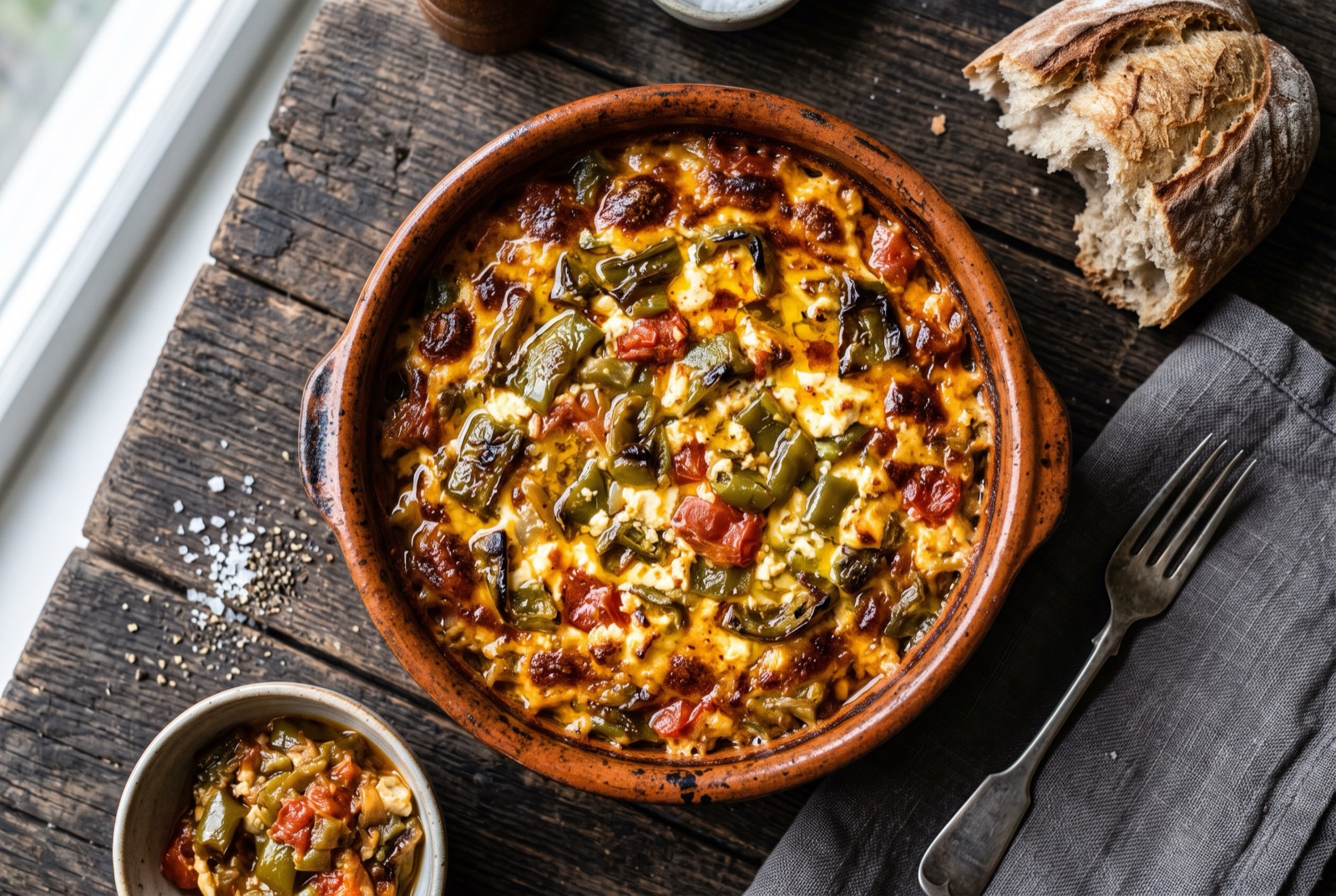
Keep exploring Albania.
Albania has 9 more dishes in the atlas — Byrek me Spinaq and Fërgesë Tirane, and 7 more.
Recipe by The DishRoute Kitchen · published August 20, 2026 · updated August 20, 2026