Sukuma Wiki.
Kenyan Braised Collard Greens
Sukuma wiki · say it: soo-KOO-mah WEE-kee
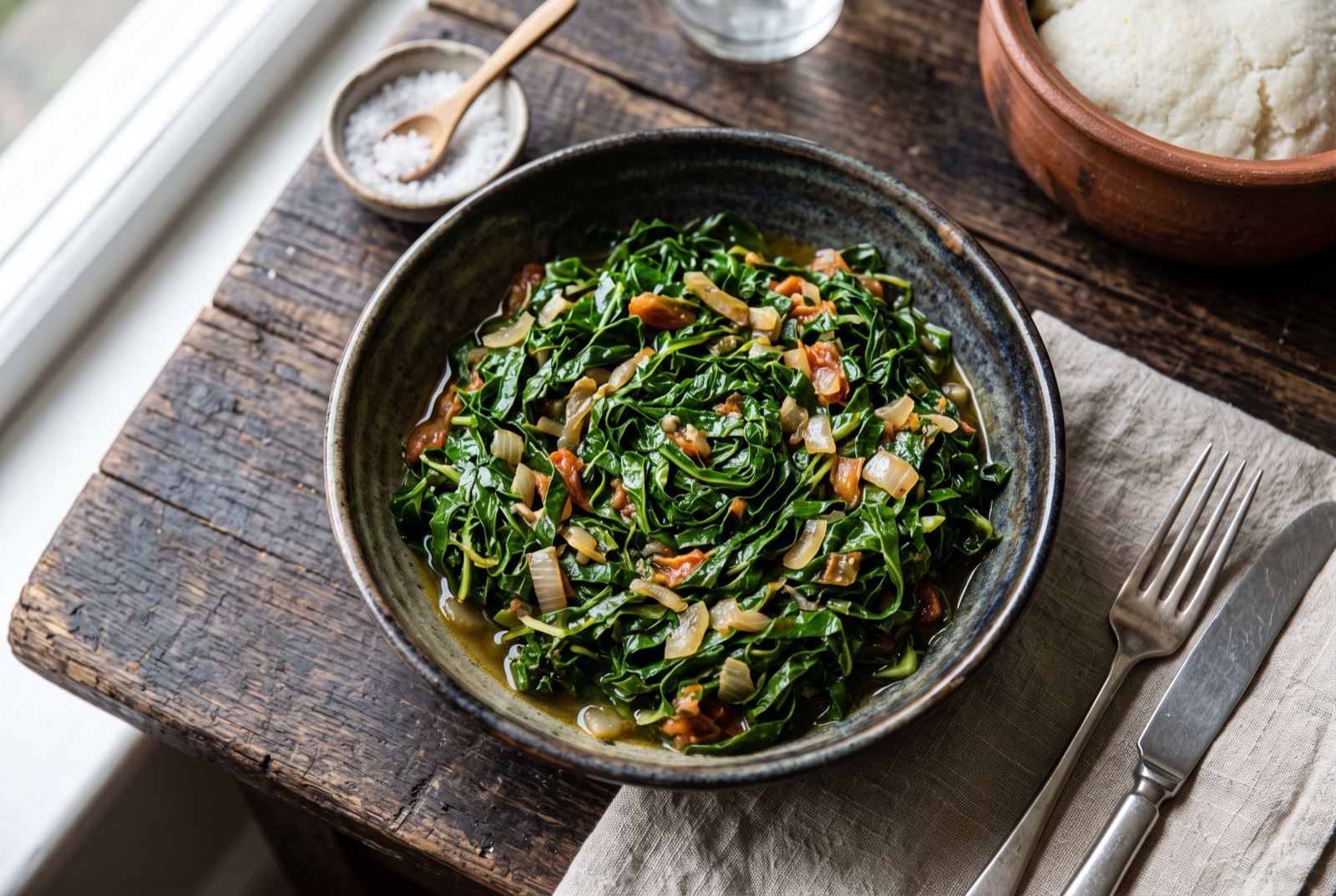
Sukuma wiki is shredded collard greens cooked down with onion and tomato in a few spoons of oil, and it is the most-eaten vegetable dish in Kenya by a wide margin. The flavour is direct: the mineral bitterness of the greens softened by sweet fried onion, cut with a little tomato acidity and salt, with nothing else claiming attention. Cooked well it stays deep green and keeps a slight chew, which is the difference between the dish as Kenyans make it and the grey, stewed greens the name sometimes conjures. It takes about a quarter of an hour, costs almost nothing, and its real purpose is to be scooped up with ugali alongside whatever else is on the table.

- Gate
- Kenya
- Prep
- 10 min
- Cook
- 15 min
- Total time
- 25 min
- Serves
- 4
- Status
- Easy
- Nutrition / serving · estimated
- Calories 130 kcal
- Protein 5 g
- Carbs 12 g
- Fat 8 g
- Fiber 6 g
- Sodium 320 mg
Why this recipe works.
- Keeps the greens green — a short, hot cook rather than the long simmer that turns collards drab.
- Builds the onion base properly first, which is where nearly all the flavour in this dish comes from.
- Explains the collard-versus-kale confusion so you buy the right vegetable in the first place.
- Scales to a big pot without changing the method, which is how it gets cooked in real Kenyan kitchens.
Ingredients.
8 itemsEquipment
- Large sauté pan or wok
- Sharp knife
- Colander
Instructions.
Prepare the greens
Wash the collard leaves well, pull out the thick central ribs, then stack, roll and slice them into ribbons no wider than a pencil. Drain them in a colander and shake off most of the water.
Soften the onion
Heat the oil in a large pan over medium heat and cook the sliced onion for 6 to 7 minutes, stirring occasionally, until it is limp, translucent and just beginning to take colour at the edges. Add the garlic and chilli and give it 30 seconds more, until it smells sweet rather than raw.
Cook down the tomato
Tip in the chopped tomatoes and cook for about 4 minutes, pressing them with the spoon, until they slump into a rough sauce and you can see oil pooling at the edges of the pan. That separation is the sign the base is ready.
Add the greens in batches
Add the shredded collards a large handful at a time, turning each batch through the tomato base until it wilts and makes room for the next. The pan will look impossibly full at first and will be a third of that within two minutes.
Braise briefly and season
Pour in the water, cover and cook for 5 minutes over medium heat, then uncover and let any liquid boil off. The greens should be glossy, still clearly green and tender with a slight bite — taste and add salt and a squeeze of lemon only now.
Tip If the pan looks watery, raise the heat and stir for a minute; wet sukuma wiki tastes diluted.
Serve hot
Turn the greens into a bowl and serve immediately alongside ugali, rice or grilled meat. They are at their best straight from the pan, while the colour is bright and the edges of the onion are still distinguishable.
Tips from our kitchen.
- Stack the leaves, roll them into a tight cigar and slice across into fine ribbons — thin shreds cook fast and stay bright.
- Strip out the thick central ribs before shredding, or chop them separately and add them to the pan two minutes early.
- Get the onions properly soft and edged with gold before the tomato goes in; pale, half-cooked onion leaves the dish tasting sharp.
- Add only a small splash of water. Sukuma wiki is fried greens, not boiled ones, and a wet pan gives you soup at the bottom.
- Season at the end, not the start — collards shrink dramatically and a pan salted while it is still full will taste over-salted once it collapses.
- Wash the leaves thoroughly and shake them fairly dry; grit hides in the ribs and clinging water stalls the frying.
Substitutions.
- Collard greens → Cavolo nero, spring greens or kale
- Spring greens are the closest widely available match. Kale works but has a curlier, drier texture, and cavolo nero cooks softer and tastes sweeter.
- Fresh tomato → 2 tbsp tomato paste loosened with water
- A common shortcut in Kenyan kitchens when tomatoes are expensive or pale. Fry the paste for a minute so it darkens before the greens go in.
- Vegetable oil → Beef dripping or the fat rendered from grilled meat
- Not vegetarian, but a spoonful of meat fat is how the dish is often enriched when nyama choma is on the same table.
Variations.
- Sukuma wiki na nyama
- Greens cooked with small pieces of beef browned first in the same pan, turning the side dish into the main one.
- Managu and other indigenous greens
- African nightshade, spider plant (saga) and amaranth (terere) are cooked the same way and are more bitter, more traditional and increasingly fashionable in Nairobi.
- Coastal version with coconut
- On the Swahili coast the greens are sometimes finished with a splash of thick coconut milk, which mellows the bitterness considerably.
Storage & reheating.
Cooked greens keep 3 days in a covered container in the fridge and reheat well in a hot dry pan, which drives off the water they release overnight. The colour dulls with each reheat, so bright green is a first-day quality only. Do not freeze them: collards turn slimy and lose all texture on thawing. If you are cooking ahead deliberately, shred and wash the leaves in advance and store them dry in a bag, then the actual cooking takes ten minutes at dinner time.
Serve with
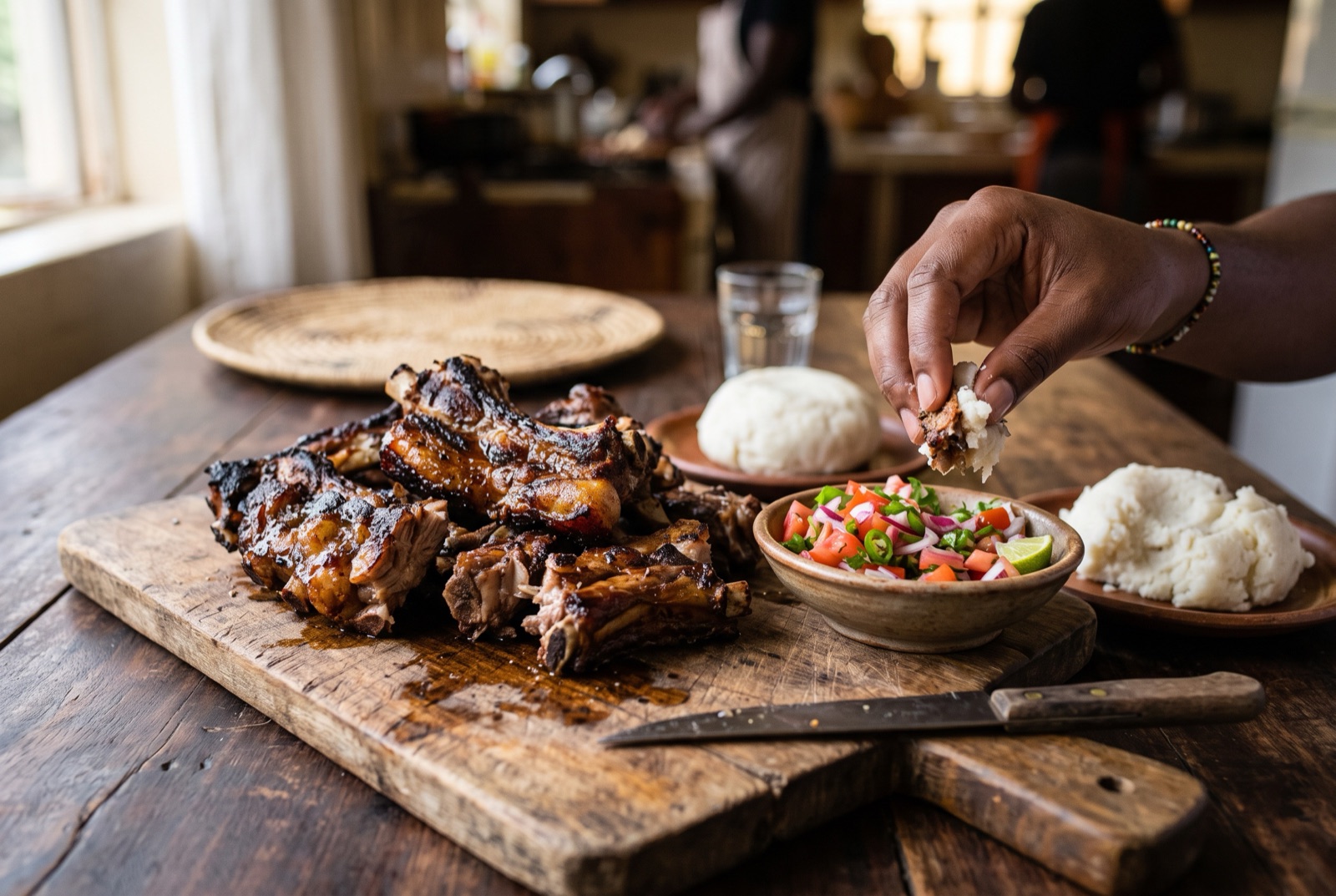
Ugali and a piece of grilled or stewed meat, with the greens used to pad out every mouthful.
The story behind Sukuma Wiki.
The name is a joke that stopped being funny because it is true. Sukuma wiki translates roughly as push the week or stretch the week, and that is the household arithmetic behind it: greens are the cheapest thing in the market, they grow in almost any patch of soil, and a bunch of them plus a tomato and an onion turns a pot of ugali into a meal when the money for meat has run out. In practice the dish now transcends its origin — it appears at wealthy tables and at roadside kibandas alike, and most Kenyans eat it several times a week regardless of budget.
A point of near-universal confusion: sukuma wiki is not kale, despite being described that way in most English-language sources. The plant is collard greens, a flat, broad-leaved brassica sold in fat bundles at every market and shredded to a fine ribbon by the seller if you ask. Kale exists in Kenya and is sometimes cooked the same way, but the two have different textures, and a cook who grew up on collards will notice a kale substitution immediately.
Small-scale cultivation keeps the dish anchored to daily life. Collards are a backyard crop across the highlands and around Nairobi, harvested leaf by leaf rather than pulled whole, so a single plant feeds a household for months. The cooking itself is not fixed: some homes keep it to greens, onion and salt, some add tomato, some finish with a squeeze of lemon or a stock cube, and every family is quietly convinced their version is the correct one. What almost nobody does is cook the greens long. They go into hot fat, wilt fast, and come off the heat while they still taste like a vegetable.
Questions, answered.
Is sukuma wiki made from kale or collard greens?
Collard greens. The name is very widely translated as kale in English recipes and on menus, but the flat, broad, dark leaves sold as sukuma wiki in Kenyan markets are collards. Curly kale can be cooked the same way and tastes fine, though it stays drier and chewier and does not wilt down as smoothly.
Why did my greens turn out bitter?
Two usual causes: overcooking, and skipping the onion. Long stewing concentrates the bitter compounds in brassicas, so keep the cook to a few minutes once the greens hit the pan. Sweetness from properly softened onion and a little tomato acidity are what balance collards, so a pan where the onion was rushed will taste sharper than it should.
Can I make sukuma wiki without tomatoes?
Yes, and many Kenyan households do. The most basic version is greens, onion, oil and salt, which tastes cleaner and more vegetal. Tomato adds moisture, acidity and colour; if you leave it out, add a squeeze of lemon at the end so the dish still has something to lift it.
What do I serve it with?
Ugali is the standard partner, and the two are eaten together by hand — a pinch of ugali, dented with the thumb, scoops up the greens. It is also served alongside rice, chapati, grilled meat or a bean stew, and works as one of two or three sides on a Kenyan lunch plate.
How much do the greens shrink?
Roughly to a quarter of their raw volume. A pan that looks absurdly overfull when the shredded leaves first go in will be a modest portion by the end, which is why you should add them in batches and hold back on salt until they have collapsed.
You might also like.
All recipes →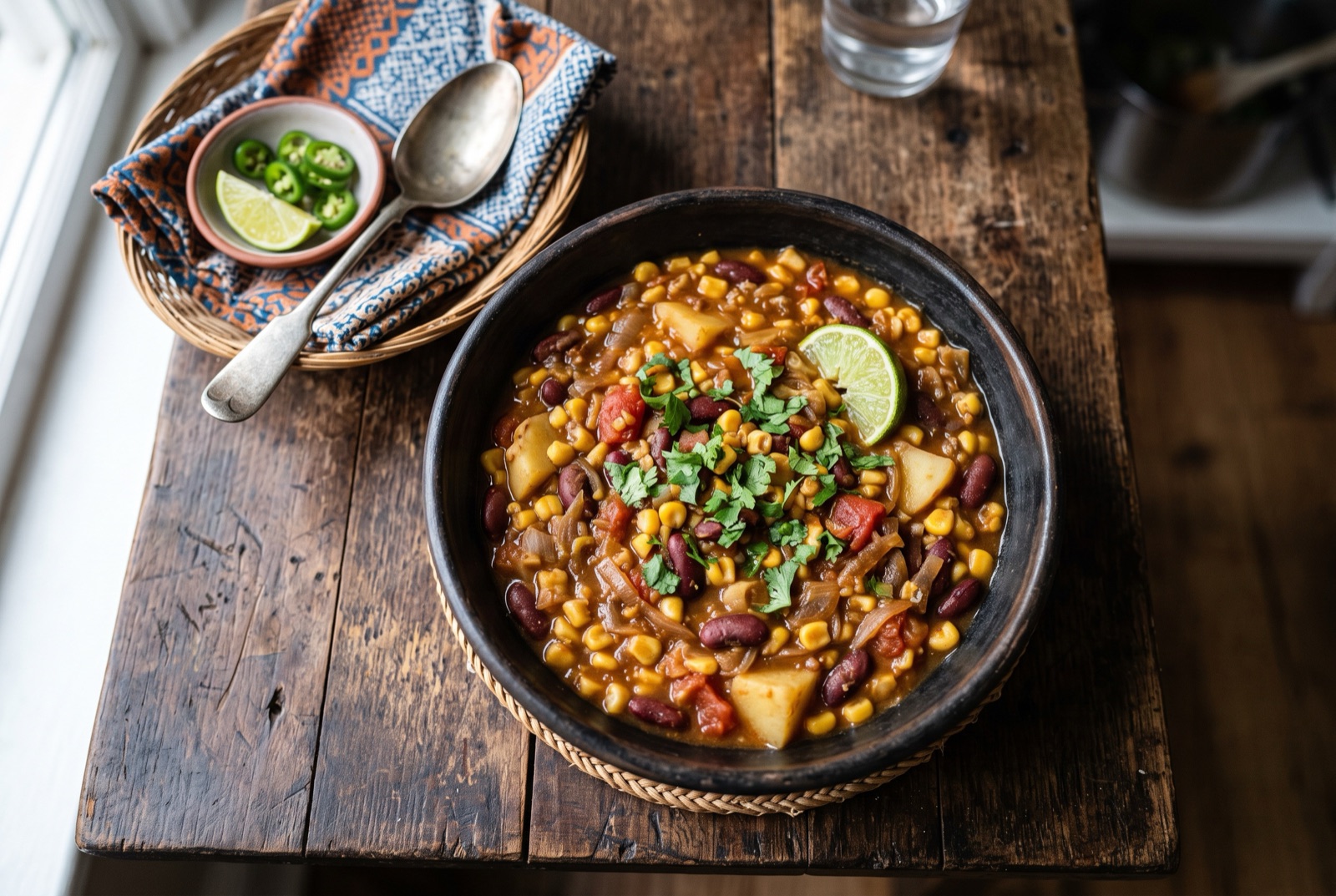
Keep exploring Kenya.
Kenya has 9 more dishes in the atlas — Githeri and Kenyan Chapati, and 7 more.
Recipe by The DishRoute Kitchen · published August 20, 2026 · updated August 20, 2026