Serbia.
Србија
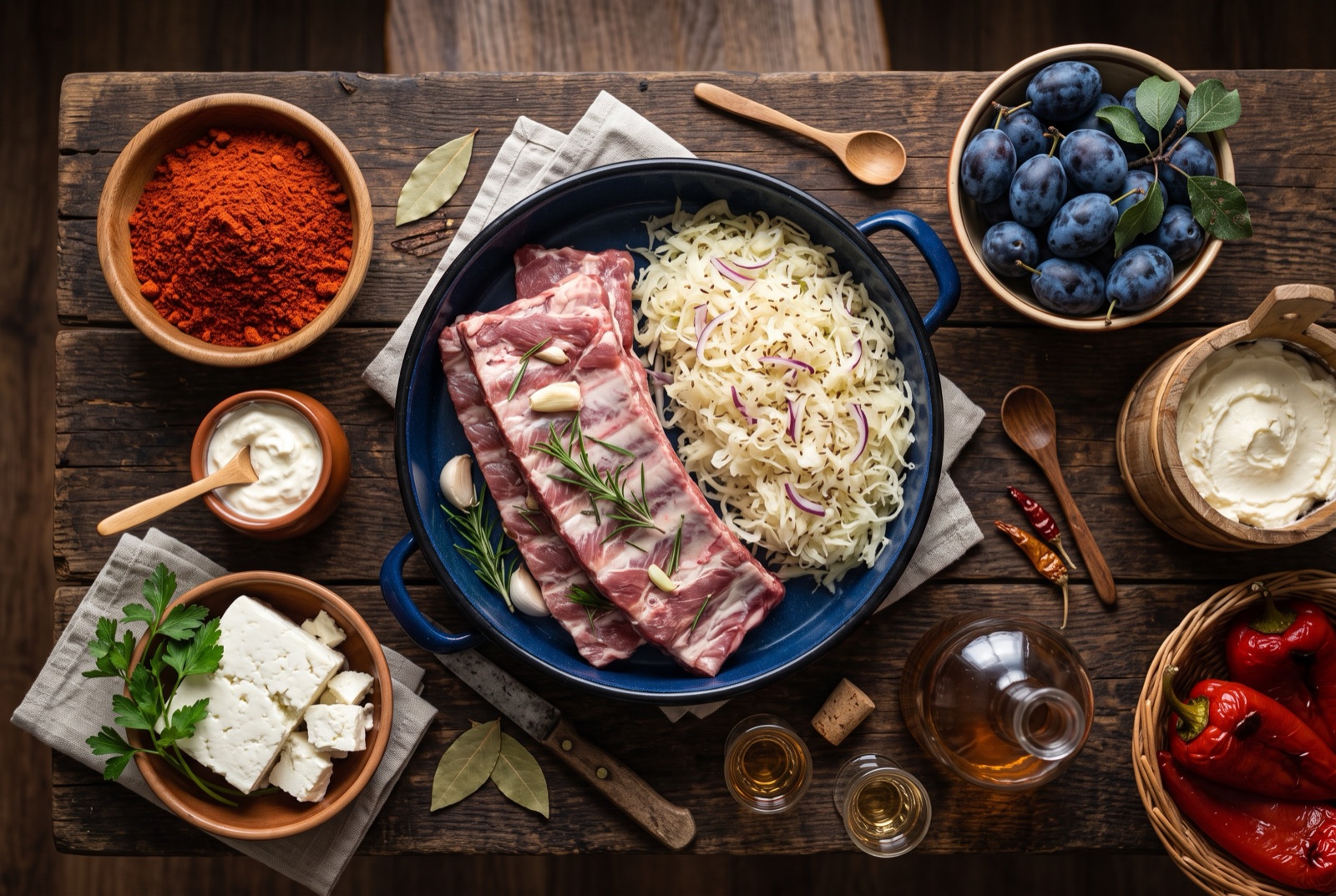
Serbian food sits at the crossroads the country has always occupied: Ottoman grilling and stuffed-vegetable traditions from the south, Austro-Hungarian baking and braising from the north, and a fierce local culture of smoke, pork and preserved vegetables holding it all together. This is unapologetically generous cooking — long-simmered pots designed to feed a table, not portion a plate. Meat matters, especially pork and the grilled minced-meat family led by ćevapi and pljeskavica, but the quiet stars are the preserved things: kajmak ripening in wooden tubs, ajvar roasted and stirred down every autumn, whole heads of cabbage souring in barrels for winter sarma. Hospitality is not a metaphor here; refusing a second helping is a negotiation you will lose. If the Balkans share one table, Serbia insists on hosting it.

- Continent
- EuropeBalkans
- Recipes in atlas
- 10
- Must-try dishes
- 1
- Pantry staples
- 7
Start with the classics.
Must tryThe dishes that explain the Serbia kitchen fastest — if you cook only a few things from this page, cook these.
Inside the Serbia kitchen.
The grill (roštilj) is the public face of the cuisine. Ćevapi — skinless minced-meat sausages of beef, or beef and pork, seasoned with little more than salt, garlic and paprika — are judged on texture and char, served in somun flatbread with raw onion. Pljeskavica is the same idea flattened into a patty; punjena pljeskavica arrives stuffed with kajmak or cheese. The seasoning philosophy is restraint: good meat, salt, fire, and the confidence not to hide any of it.
The braising pot is the private face. Sarma — sour cabbage leaves wrapped around minced meat and rice, buried with smoked pork and simmered for hours — is the ceremonial dish of winter, obligatory at Christmas and slava celebrations, and famously better reheated the next day. Its cousins run through the calendar: punjene paprike (stuffed peppers) in summer, prebranac (slow-baked beans with caramelized onion) as the great meatless standby, podvarak (sauerkraut baked under roast meat) beside holiday roasts.
Paprika is the defining spice, bought in bulk and spooned generously — sweet for color and body, hot for heat — into stews like paprikaš and the fisherman's riblja čorba of the Danube towns. Smoked pork is the defining depth-charge: ribs, hocks and slanina go into beans, cabbage and lentils the way other cuisines use stock cubes.
Dairy runs on its own track. Kajmak — the slowly ripened skin of boiled milk, somewhere between clotted cream and young cheese — is spread on bread, melted over grilled meat, and defended with regional pride (Čačak and Kraljevo claim the best). White brined cheese in the sirene family appears at every meal. Breakfast is the realm of burek — flaky phyllo pie with meat or cheese — bought at dawn from the bakery and eaten with drinkable yogurt, a pairing treated as non-negotiable. Bread accompanies everything, including, without irony, pasta.
Meals begin, on any occasion worth marking, with rakija — fruit brandy, usually plum šljivovica, often homemade and offered as a test of both hospitality and stamina.
Signature pantry.
7 staplesThe ingredients this cuisine cannot function without.
- paprika
- smoked pork
- sauerkraut
- kajmak
- white brined cheese
- peppers (for ajvar)
- plums
How people eat in Serbia.
A guest is fed — resistance is noted and overruled, and an empty plate is refilled without asking. Rakija opens serious meals and seals agreements; you toast looking people in the eye, glasses touched with intent. The slava, each family's patron-saint day, is the most important meal of the year, with sarma, roast pork and žito on the table and the recipe hierarchy strictly maternal. Lunch, not dinner, is the main meal. Coffee after eating is domaća kafa — strong, unfiltered, drunk slowly; suggesting instant coffee to a host borders on insult.
Regional kitchens.
Serbia cooks 3 distinctly different ways depending on where you stand — here is what changes between them.
- R1Vojvodina
- The Pannonian north, shaped by Hungarian and Austrian tables: paprikaš, fish stews on the Danube, strudels and a strong baking culture on some of Europe's most fertile plains.
- R2Šumadija
- The central heartland of plum orchards and pig farming — the spiritual home of rakija, kajmak and the Sunday roast, where the country's self-image of abundance was formed.
- R3The South (Leskovac, Pirot)
- Grill country. Leskovac claims the best roštilj in the Balkans and hosts an annual grill festival; Pirot adds its famous flat sausage (peglana kobasica) and hard sheep's cheese.
All Serbia recipes.
10 recipes and counting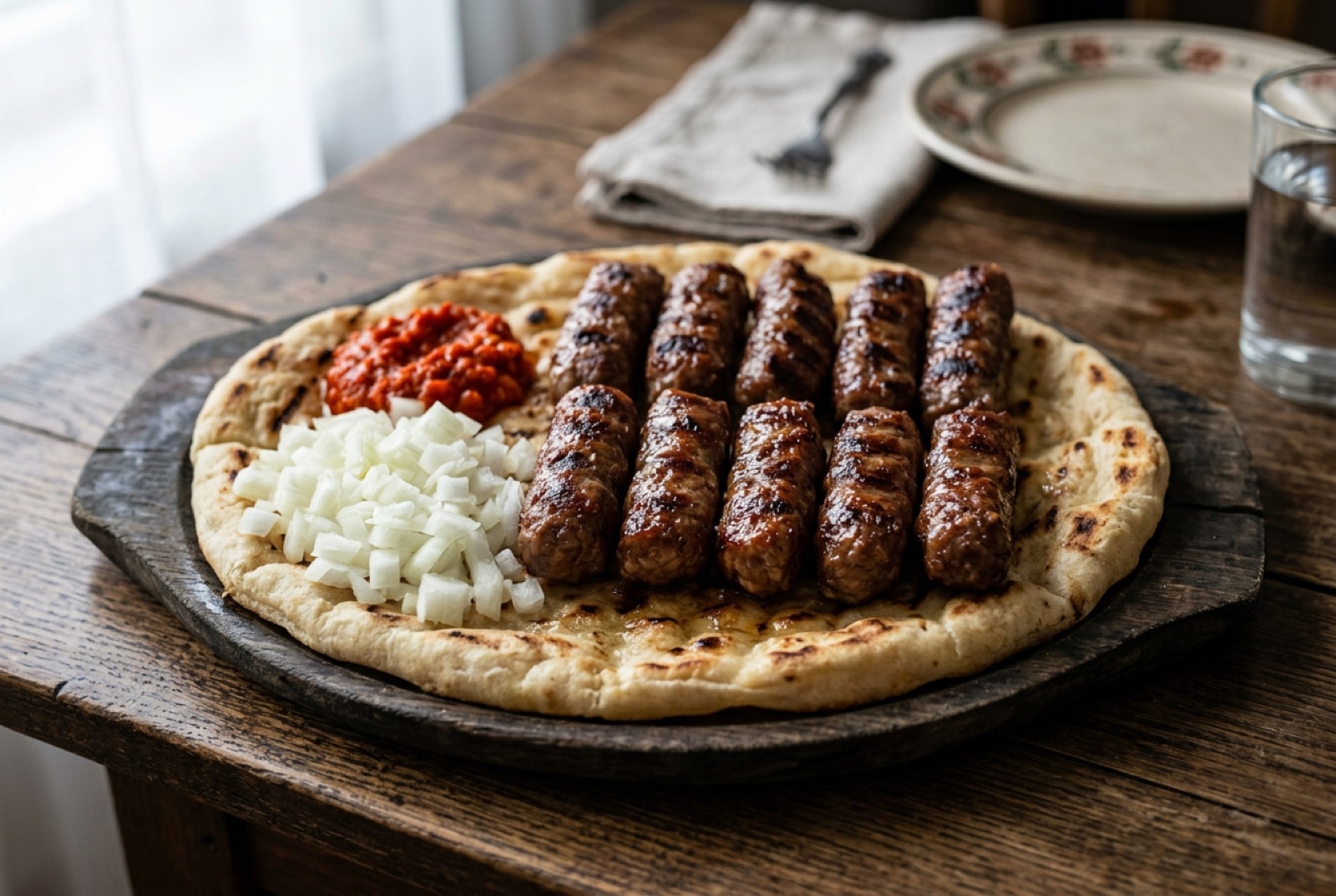
Serbia12 hr 40 min
Ćevapi
Balkan Grilled Minced Meat Sausages
Serbia1 hr 30 min
Gibanica
Serbian Layered Cheese Filo Pie
Serbia2 hr 5 min
Karađorđeva Šnicla
Breaded Veal Roll with Kajmak
Serbia12 hr 37 min
Pljeskavica
Serbian Grilled Meat Patty in Lepinja
Serbia11 hr
Prebranac
Serbian Baked Beans with Caramelized Onions
Serbia1 hr 10 min
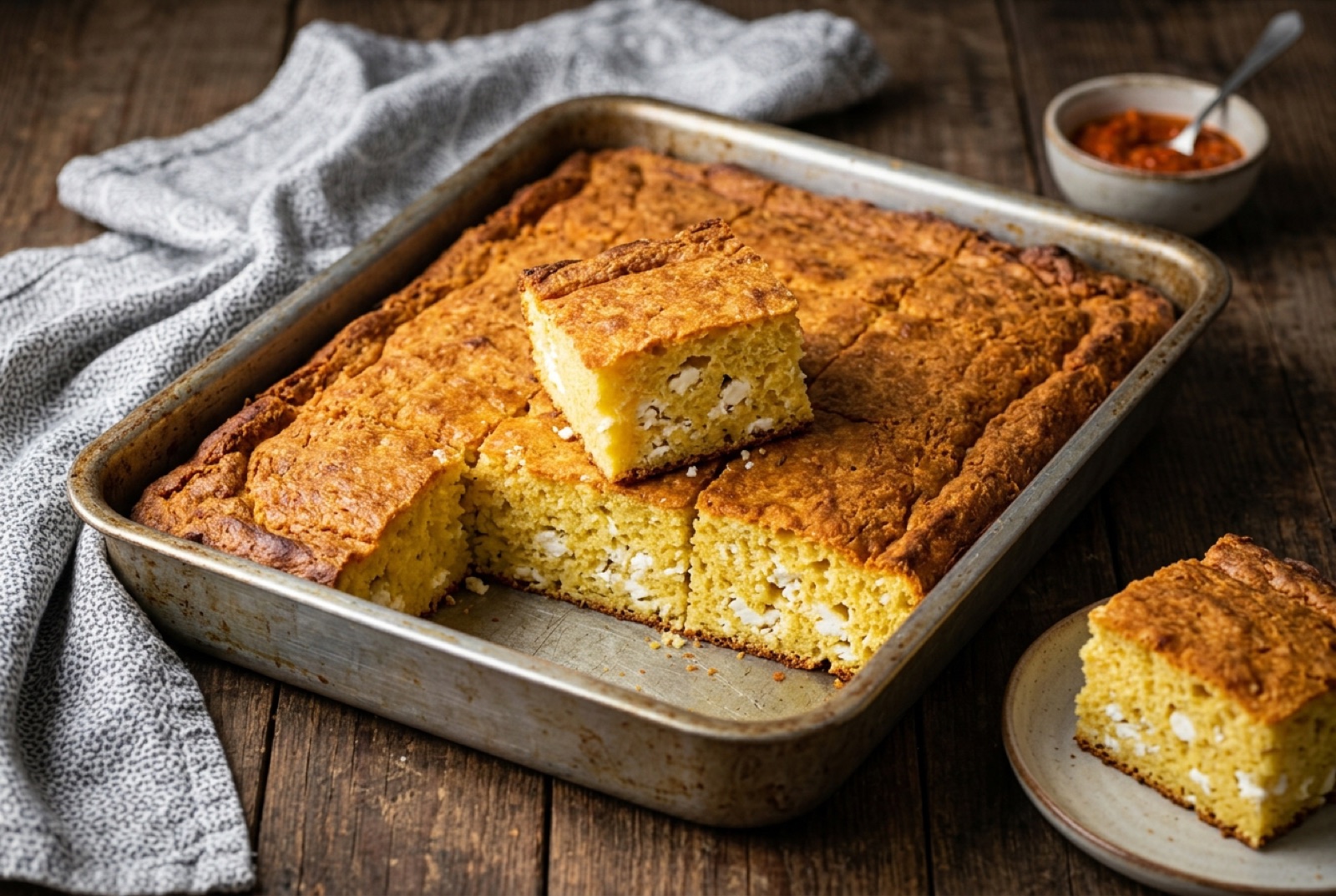
Proja
Serbian Cornbread with White Cheese
Serbia1 hr 45 min
Riblja Čorba
Serbian Danube Fish Soup
Serbia4 hr
Sarma
Serbian Stuffed Sour Cabbage Rolls
Serbia15 hr 30 min
Serbian Ajvar
Roasted Red Pepper Relish
Serbia49 hr 35 min
Vanilice
Serbian Plum Jam Cookies in Vanilla Sugar
Keep traveling.
Serbia sits in Balkans, and its kitchen shares borders as well as ingredients with Albania and Austria.
 Albania
 Austria