Kapunata.
Maltese Aubergine, Caper and Olive Stew
Kapunata · say it: ka-poo-NAH-ta
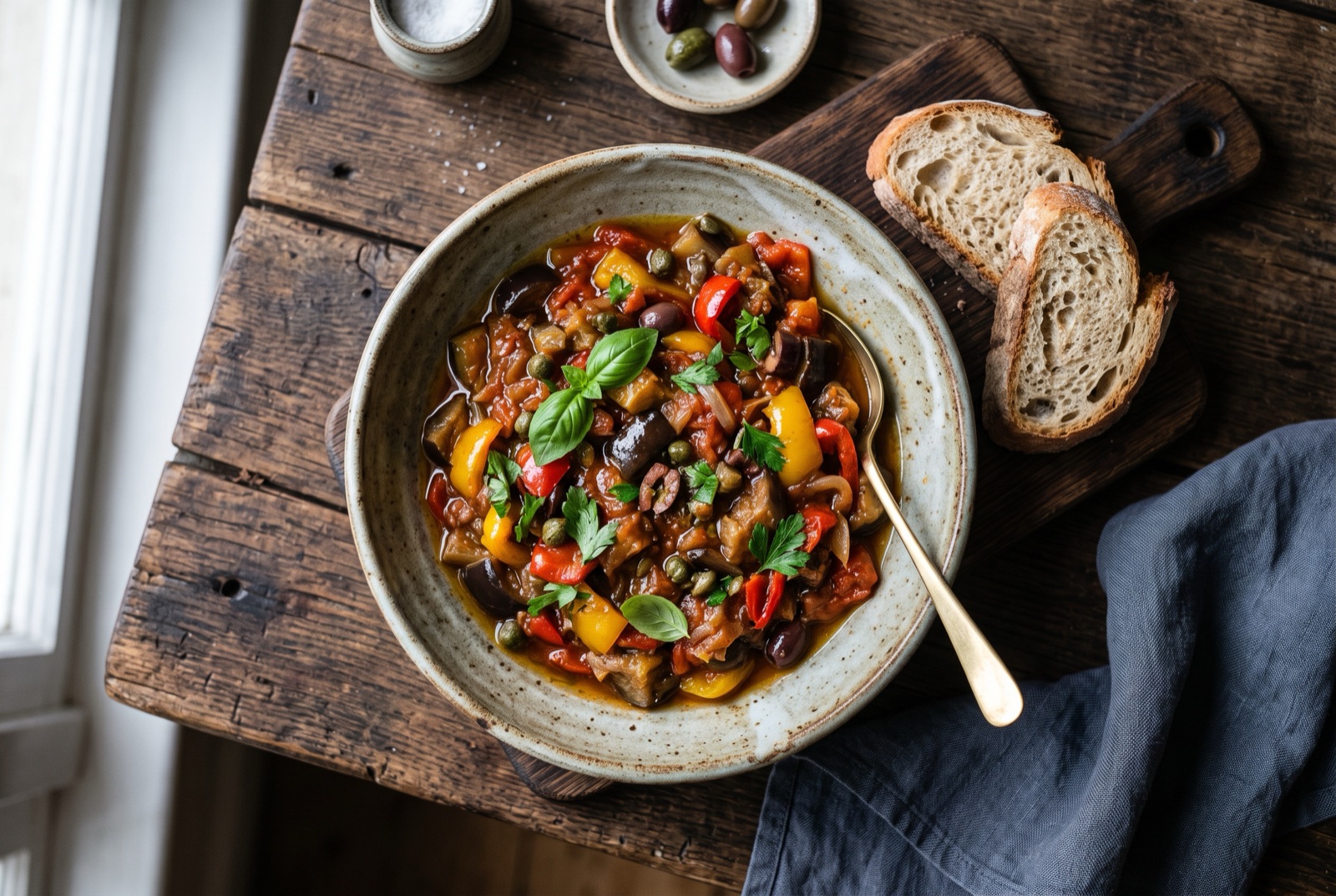
Kapunata is the Maltese version of caponata — aubergine and peppers cooked down in tomato with capers, olives and garlic until everything collapses into a thick, glossy, deeply savoury stew. It is less sweet and less vinegary than the Sicilian original, closer to a vegetable braise than a sweet-and-sour relish, and it leans hard on capers, which grow wild all over the Maltese islands out of dry stone walls. Eaten warm it is a side dish for grilled fish or meat; eaten cold with bread and olive oil it is lunch. It improves for two days in the fridge, and any Maltese cook will tell you not to bother eating it the day it is made.

- Gate
- Malta
- Prep
- 20 min
- Cook
- 45 min
- Total time
- 1 hr 35 min incl. 30 min rest
- Serves
- 6
- Status
- Easy
- Nutrition / serving · estimated
- Calories 240 kcal
- Protein 4 g
- Carbs 18 g
- Fat 17 g
- Fiber 7 g
- Sugar 10 g
- Sodium 640 mg
Why this recipe works.
- Aubergine salted and fried separately, so it stays in defined pieces instead of dissolving into grey mush.
- Restrained vinegar and no sugar — the Maltese balance, not a sweet Sicilian relish.
- Vegetables cooked in stages by density, so nothing is raw and nothing is destroyed.
- Works hot as a side, cold as a starter, and stirred through pasta the day after.
Ingredients.
15 itemsVegetables
Sauce
To finish
Equipment
- Large wide frying pan or sauté pan
- Colander
- Wooden spoon
Instructions.
Salt the aubergine
Toss the aubergine cubes with the coarse salt in a colander and leave to drain for 30 minutes, until beads of moisture stand on the surfaces. Rinse briefly, then squeeze gently and pat completely dry with a clean cloth.
Fry the aubergine
Heat 4 tablespoons of the oil in a wide pan over medium-high heat and fry the aubergine in a single layer, in batches, for about 8 minutes per batch, turning until the faces are deep golden and the flesh has turned silky and translucent rather than squeaky. Lift out onto paper.
Tip Do not crowd the pan. Aubergine that steams stays spongy and never gets that soft, creamy interior.
Soften onion and pepper
Add the remaining oil to the pan and cook the onions over medium-low heat for 10 minutes until sweet and translucent, then add the peppers and cook another 8 minutes until they slump and the edges start to char slightly.
Add garlic and tomato
Stir in the sliced garlic and cook for a minute until fragrant, then add the tomato paste and cook until it darkens. Tip in the chopped tomatoes and the courgette if using, and simmer for 15 minutes until the sauce is thick and no longer watery.
Return the aubergine
Fold the fried aubergine back in along with the capers and olives, and cook gently for 8 minutes so everything comes together and the aubergine takes on the tomato. Stir with a light hand — you want cubes, not purée.
Finish off the heat
Take the pan off the heat, stir in the vinegar, basil and parsley, and season carefully with salt and pepper, tasting first for the salt the capers and olives have already contributed. Leave to sit for 30 minutes before serving warm, or cool and refrigerate overnight.
Tips from our kitchen.
- Salt the aubergine cubes for 30 minutes and pat them dry. It draws out water so they fry rather than steam, and they absorb noticeably less oil.
- Fry the aubergine in a single layer over decent heat until the cut faces are properly browned and the flesh has gone from squeaky to silky. Pale aubergine tastes of nothing.
- Cook the onions slowly until sweet before the tomatoes go in — this is the only sweetness the dish gets, since there is no sugar.
- Rinse salted capers well and taste one. Between capers and olives the dish can easily go too salty before you have added any salt at all.
- Add the vinegar off the heat at the very end so it stays bright instead of cooking down into a dull sourness.
- Make it a day ahead. The flavours need overnight in the fridge to settle into each other, and every Maltese cook treats this as mandatory.
Substitutions.
- Maltese salted capers → Capers in brine, drained and rinsed
- Brined capers are softer and less intense. Use about a third more of them, and add them slightly later so they do not disintegrate.
- Red wine vinegar → Lemon juice or white wine vinegar
- Lemon gives a fresher, less sharp finish that suits the cold version particularly well.
- Frying the aubergine → Roasting at 220°C with olive oil for 25 minutes
- Uses far less oil and gives a drier, slightly smokier result. The texture is firmer, which some people prefer.
Variations.
- Kapunata with tuna
- Good tinned tuna flaked through the cooled stew, which turns it from a side dish into a full lunch with bread.
- Kapunata bil-bajd
- Eggs cracked into wells in the hot stew and covered until just set — a quick supper made from leftovers, similar in spirit to shakshuka.
- Pasta kapunata
- The stew loosened with a little pasta water and tossed through short pasta with grated hard cheese. Standard use for the last of the pot.
Storage & reheating.
Refrigerate in a sealed container with a film of olive oil on top for up to 5 days; the flavour peaks on day two or three. It is meant to be eaten cold or at room temperature as often as hot, so no reheating is needed. Freezes for 3 months, though the aubergine softens further and the texture is looser on thawing — better used for pasta sauce after freezing than served as a stew.
Serve with
Grilled fish or lamb as a side, or plenty of crusty bread and olive oil if you are eating it cold as a starter.
The story behind Kapunata.
Capers are the thread that ties this dish to Malta specifically. The plant grows in cracks in limestone walls and cliff faces across the islands, thriving in heat, salt and no soil to speak of, and the buds have been picked and salted or pickled by Maltese households for as long as anyone can document. They turn up in ftira fillings, in fish dishes, in salads — and in kapunata they are not a garnish but one of the two or three flavours doing the actual work.
The dish's relationship to Sicilian caponata is obvious and undisputed; the name is the same word. But the Maltese version has drifted. Sicilian caponata is properly agrodolce, balanced with sugar and vinegar into something sharply sweet-sour and often served as an antipasto in small quantities. Kapunata usually skips the sugar entirely, uses much less vinegar or none at all, and is served in bowlfuls as a vegetable dish. Pine nuts, celery hearts and cocoa — all found in some Sicilian versions — are largely absent. What you get instead is a plainer, more tomato-forward stew that tastes of aubergine and capers rather than of the dressing.
It is also a dish of summer surplus. Maltese home gardens and the small terraced fields on the islands produce aubergines, peppers and tomatoes at the same time, in more quantity than anyone can eat fresh, and kapunata is what happens to them. Households make it in large pots, eat it hot the first day, cold the second, and stir the last of it through pasta on the third. That flexibility — side dish, starter, spread, pasta sauce — is why it stays in constant rotation rather than being an occasion dish like the rabbit or the pie.
Questions, answered.
What is the difference between kapunata and Sicilian caponata?
They share an origin and a name, but the Maltese version is much less sweet-and-sour. Sicilian caponata is properly agrodolce with sugar and a good hit of vinegar, often with celery and pine nuts. Kapunata usually leaves out the sugar, uses little or no vinegar, and reads as a tomato-based vegetable stew rather than a relish.
Do I really need to salt the aubergine?
Modern aubergines are not bitter, so salting is no longer about bitterness — it is about water. Salted, drained aubergine browns properly instead of steaming, holds its shape in the stew and soaks up considerably less oil in the pan. Thirty minutes is enough, and you should pat the cubes genuinely dry afterwards.
Is kapunata served hot or cold?
Both, and Maltese households do both routinely. Warm from the pot it works as a side for grilled fish or meat. Cold or at room temperature, with bread and olive oil, it is a starter or a light lunch. Many people prefer it cold, since chilling firms up the aubergine and sharpens the capers.
Why does mine taste too salty?
Capers and olives are both preserved in salt, and together they can season the dish entirely on their own. Rinse salted capers under running water, taste an olive before adding it, and hold back all added salt until the very end of cooking. If it is already too salty, stir in extra chopped fresh tomato to dilute it.
Can I make it without frying in so much oil?
Yes. Roast the salted, dried aubergine cubes tossed with 3 tablespoons of oil at 220°C for about 25 minutes, until browned at the edges and collapsed in the centre, then add them to the tomato base. The result is drier and slightly smokier, and it uses roughly half the oil.
You might also like.
All recipes →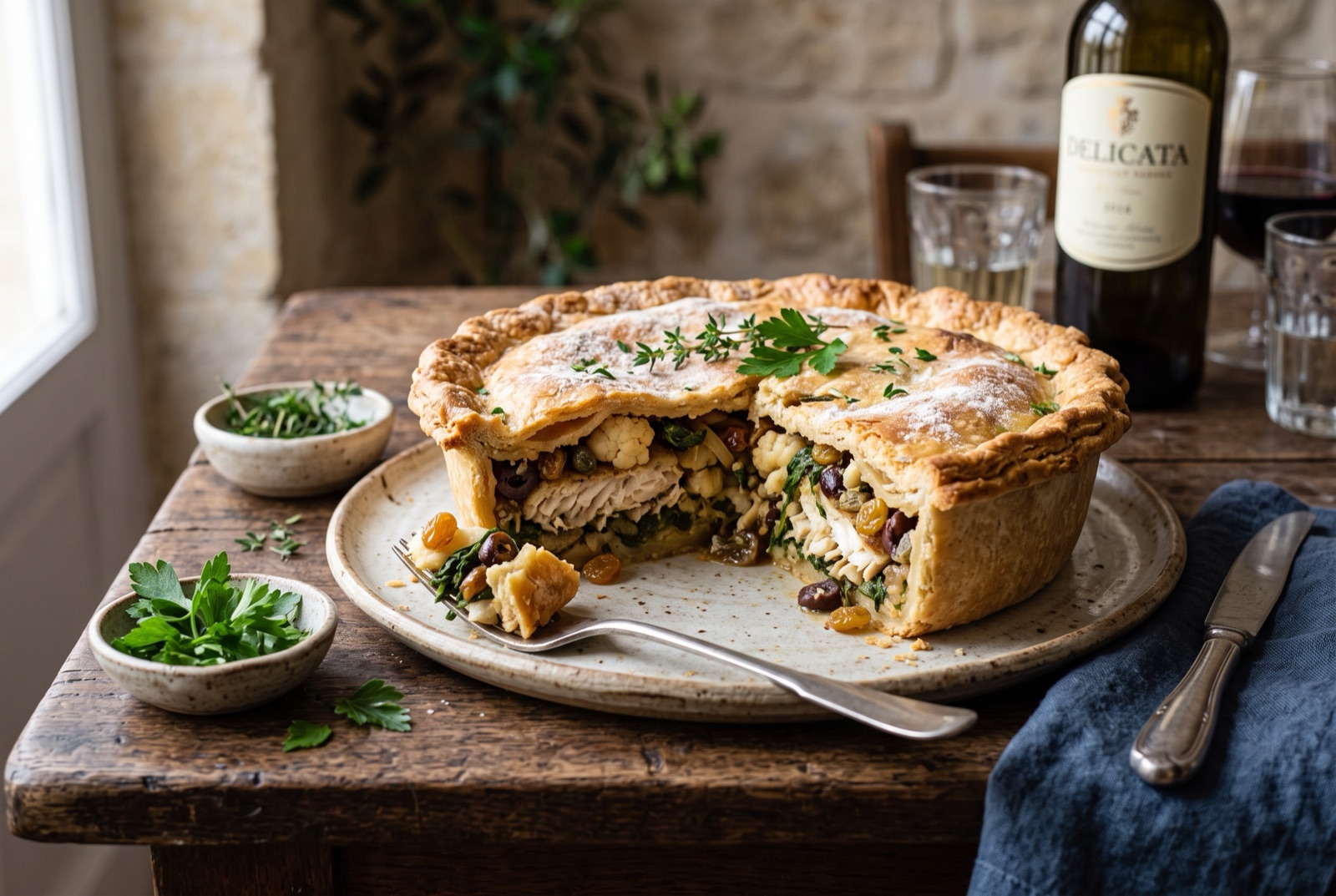
Keep exploring Malta.
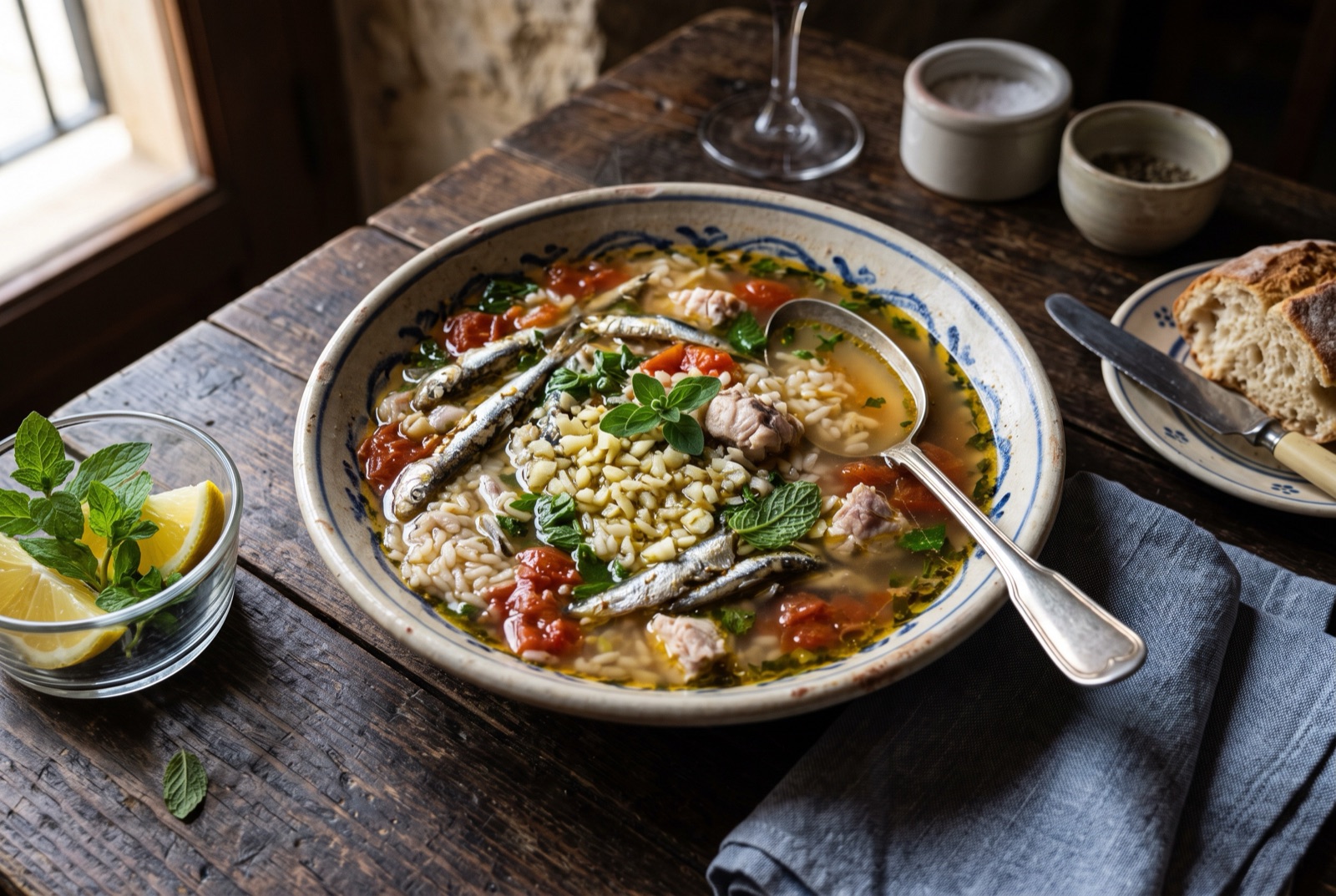
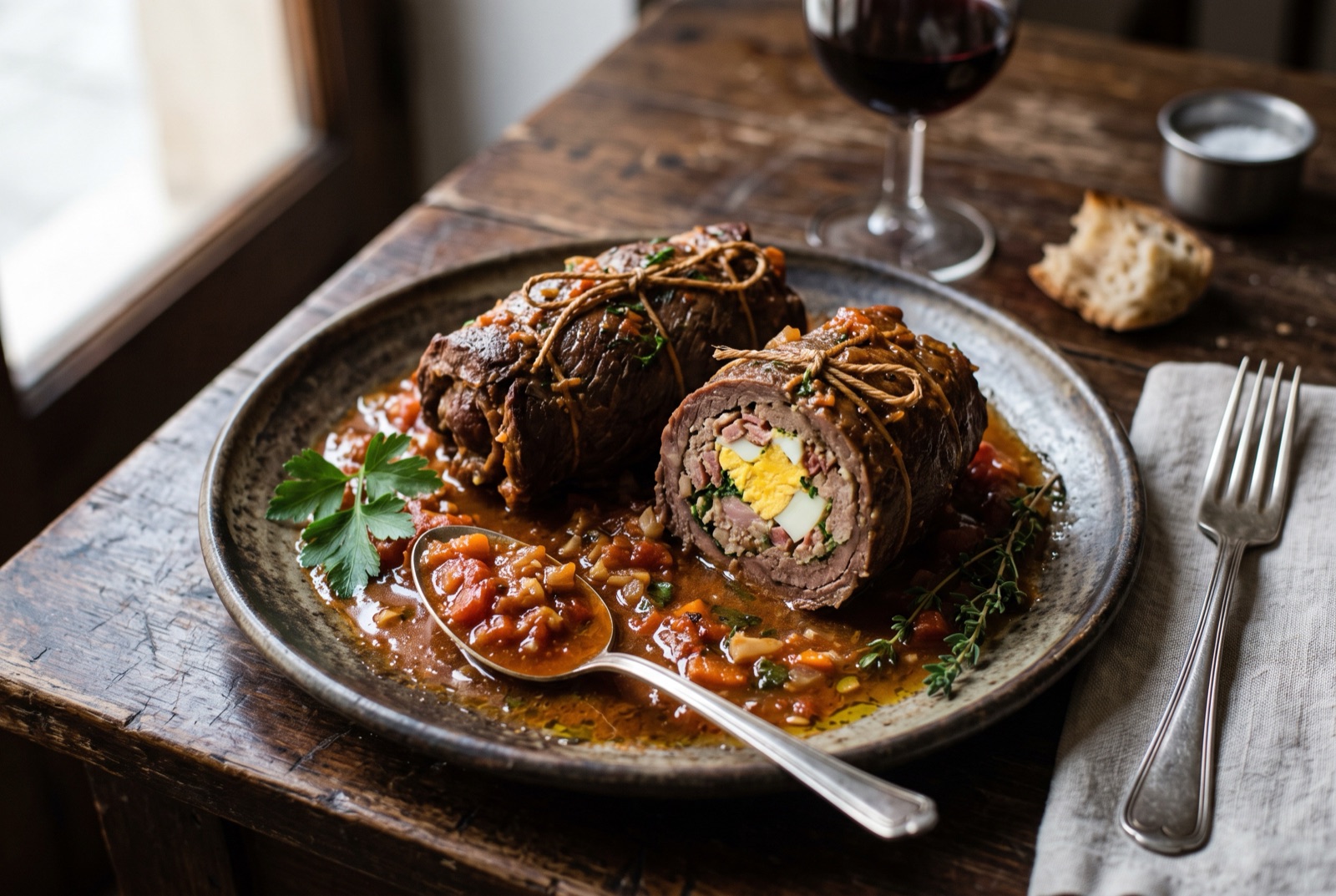
Malta has 9 more dishes in the atlas — Aljotta and Bigilla, and 7 more.
All Malta recipes Eggplant recipes Tomato recipes Capers recipes sideappetizerveganvegetariangluten freedairy freeRecipe by The DishRoute Kitchen · published August 20, 2026 · updated August 20, 2026