Malta.
Maltese cooking is Sicilian at the base, with a North African accent underneath and a century and a half of British habit layered on top — roughly what you would expect from a limestone archipelago sitting between the two. Tomato, olive oil, garlic, capers and dried broad beans do most of the work, and the herbs that matter are marjoram and mint rather than basil or oregano; both turn up in savoury dishes far more freely here than they do in Italy. What separates Malta from Sicily — the comparison everyone reaches for first — is a stubborn preference for baking and braising over grilling. Pasta is bound with beaten egg and set solid in a tray so it can be cut into squares; fish goes into a pastry case with cauliflower, capers and sultanas; rabbit is stewed for hours in red wine and its sauce is eaten first, over spaghetti, as a separate course. It is thrifty, filling, deliberately unfashionable food from a small island that was poor for most of its history and still cooks as though it remembers.

- Continent
- EuropeMediterranean
- Recipes in atlas
- 10
- Must-try dishes
- 5
- Pantry staples
- 10
Start with the classics.
Must tryThe dishes that explain the Malta kitchen fastest — if you cook only a few things from this page, cook these.
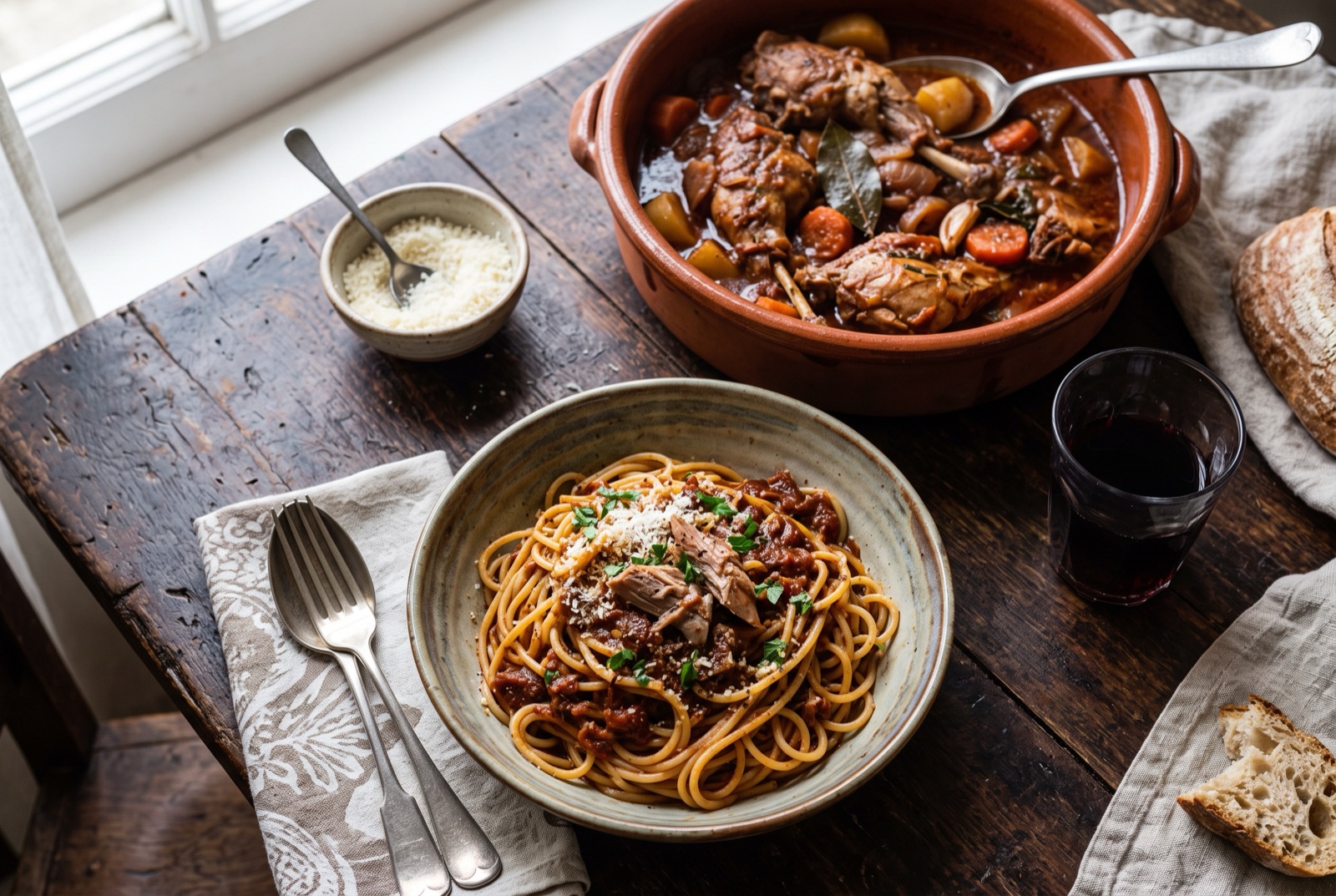
Malta10 hr 15 min
Stuffat tal-Fenek
Maltese Rabbit Stew in Red Wine
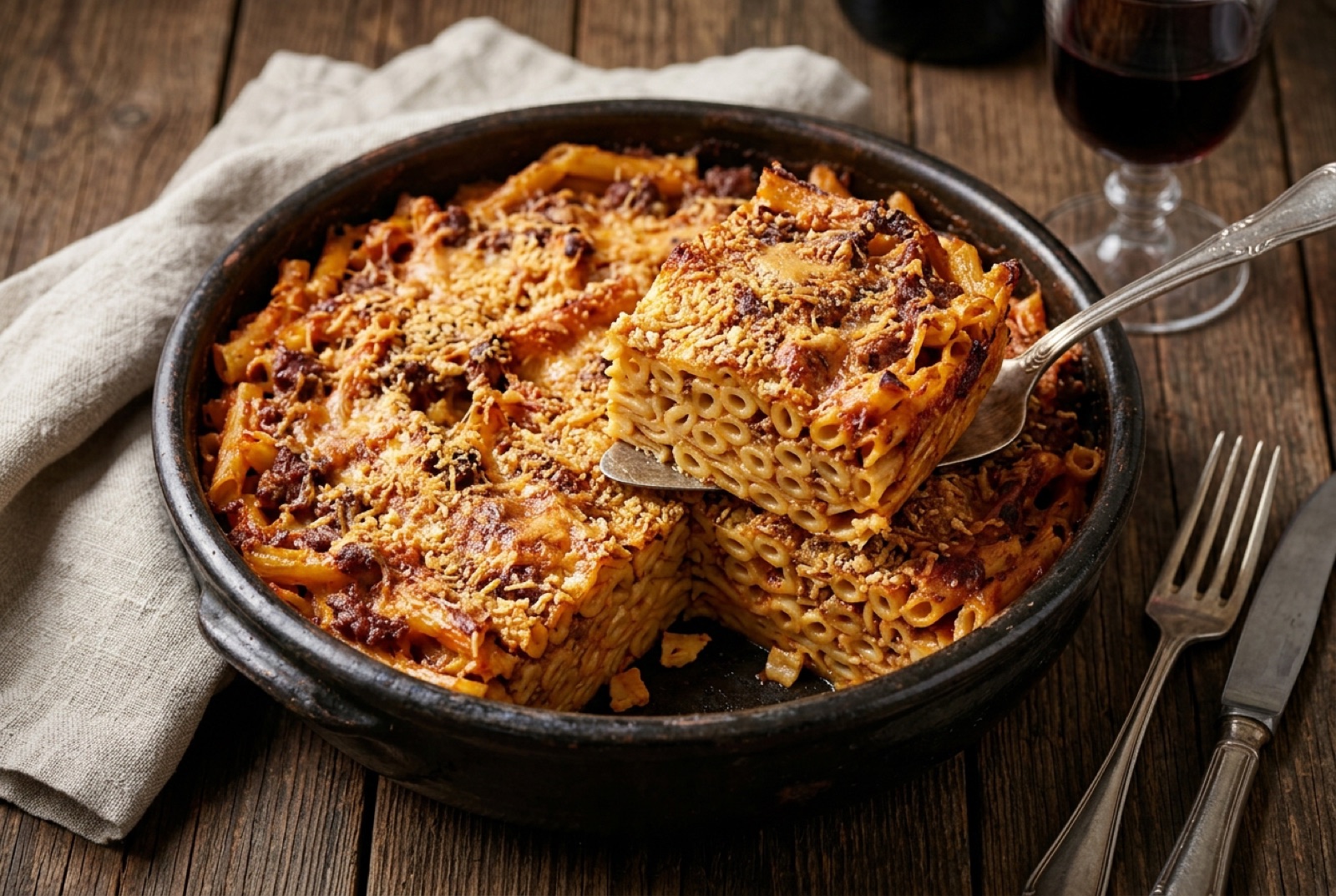
Malta2 hr 45 min
Imqarrun il-Forn
Maltese Baked Macaroni with Meat Sauce
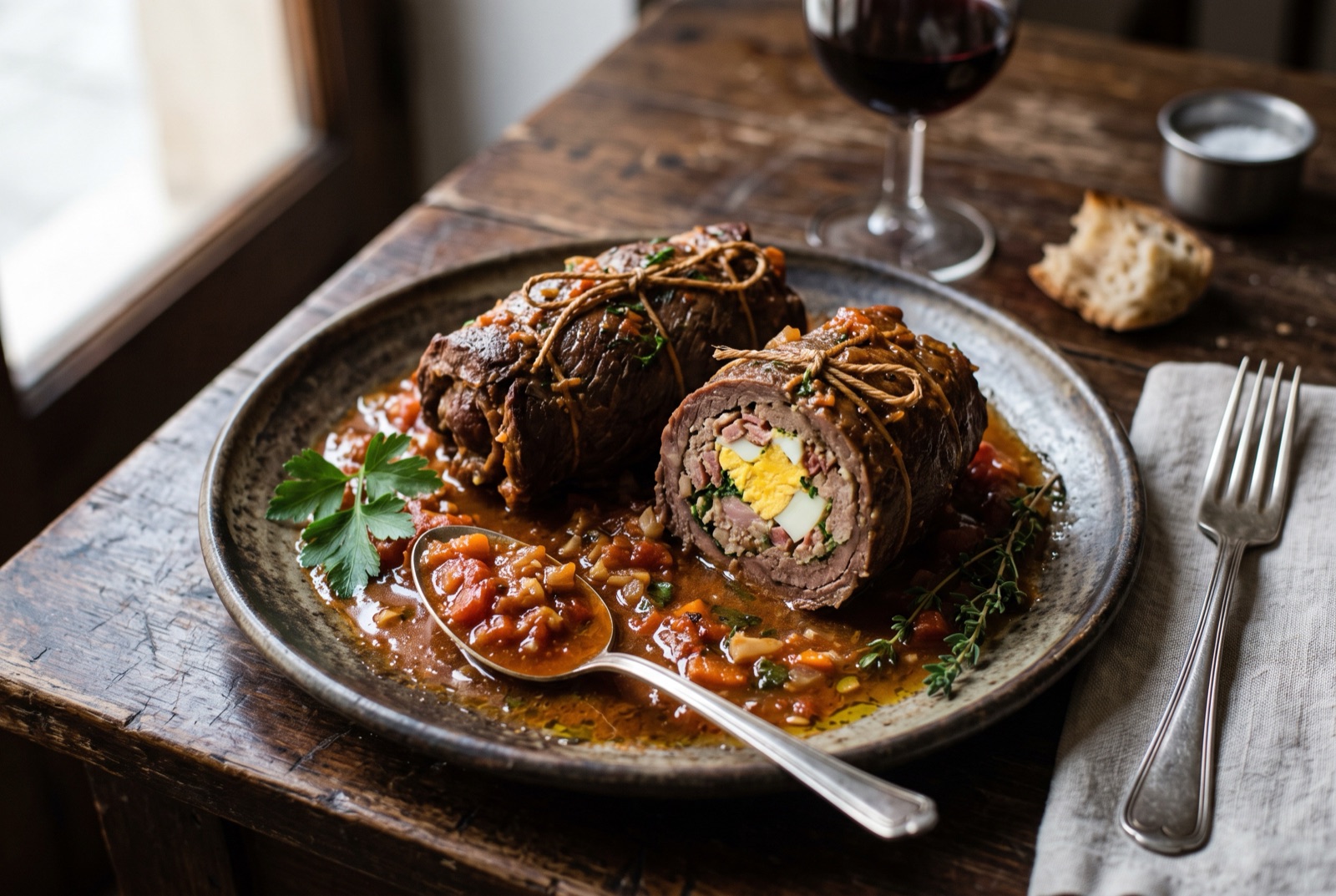
Malta2 hr 20 min
Braġioli
Maltese Beef Olives with Egg and Bacon
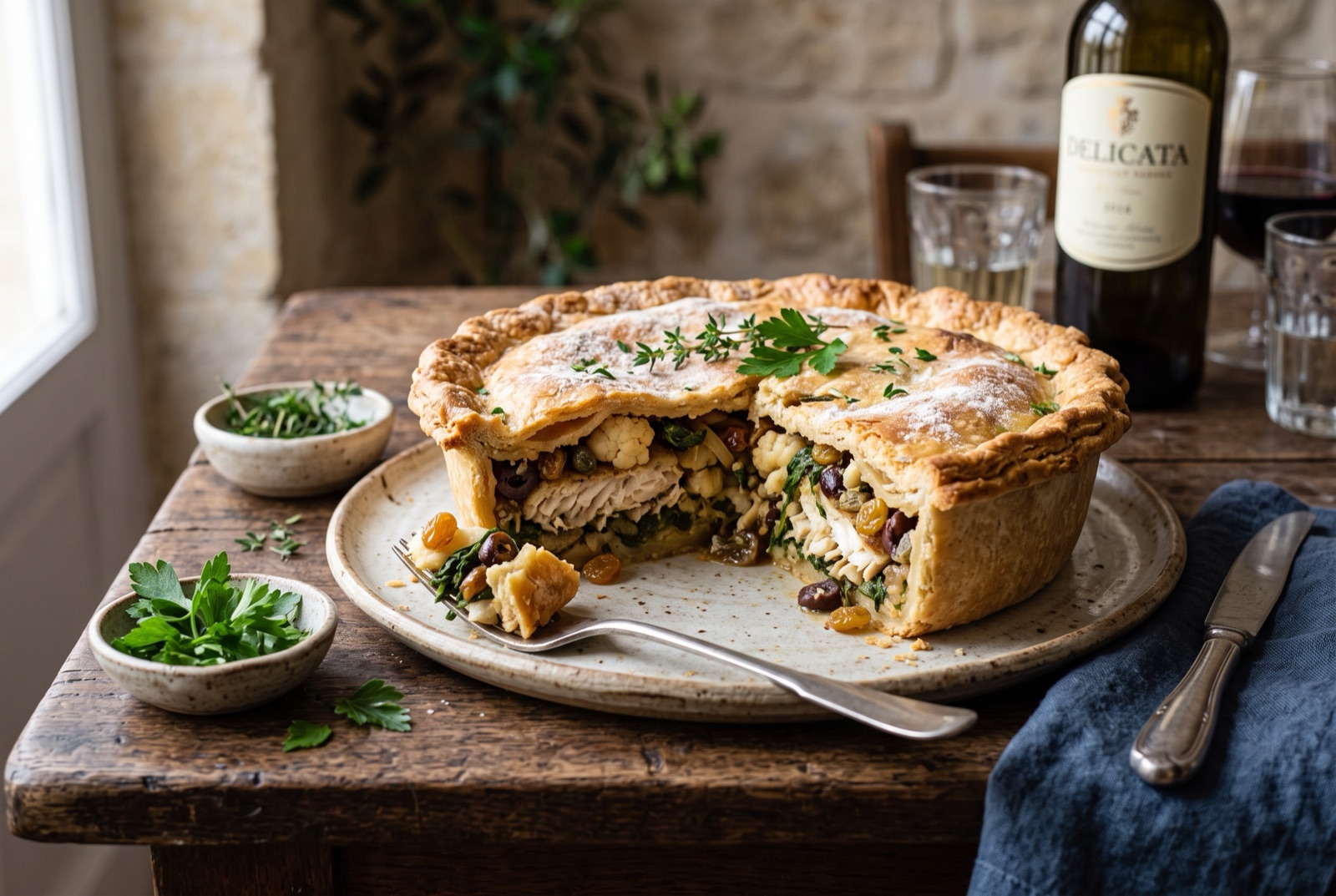
Malta2 hr 35 min
Torta tal-Lampuki
Maltese Dorado and Cauliflower Pie
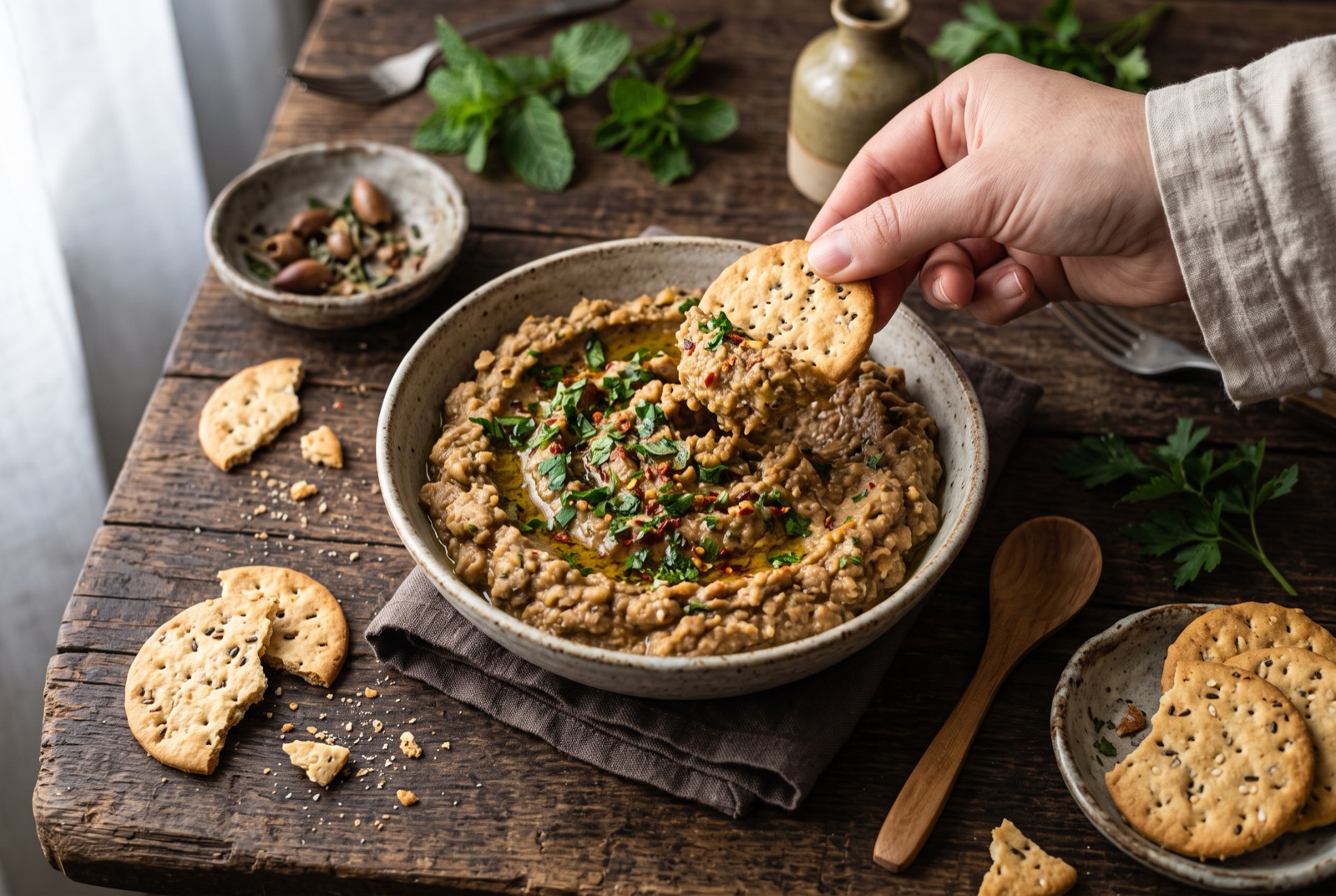
Malta13 hr 45 min
Bigilla
Maltese Broad Bean and Garlic Dip
Inside the Malta kitchen.
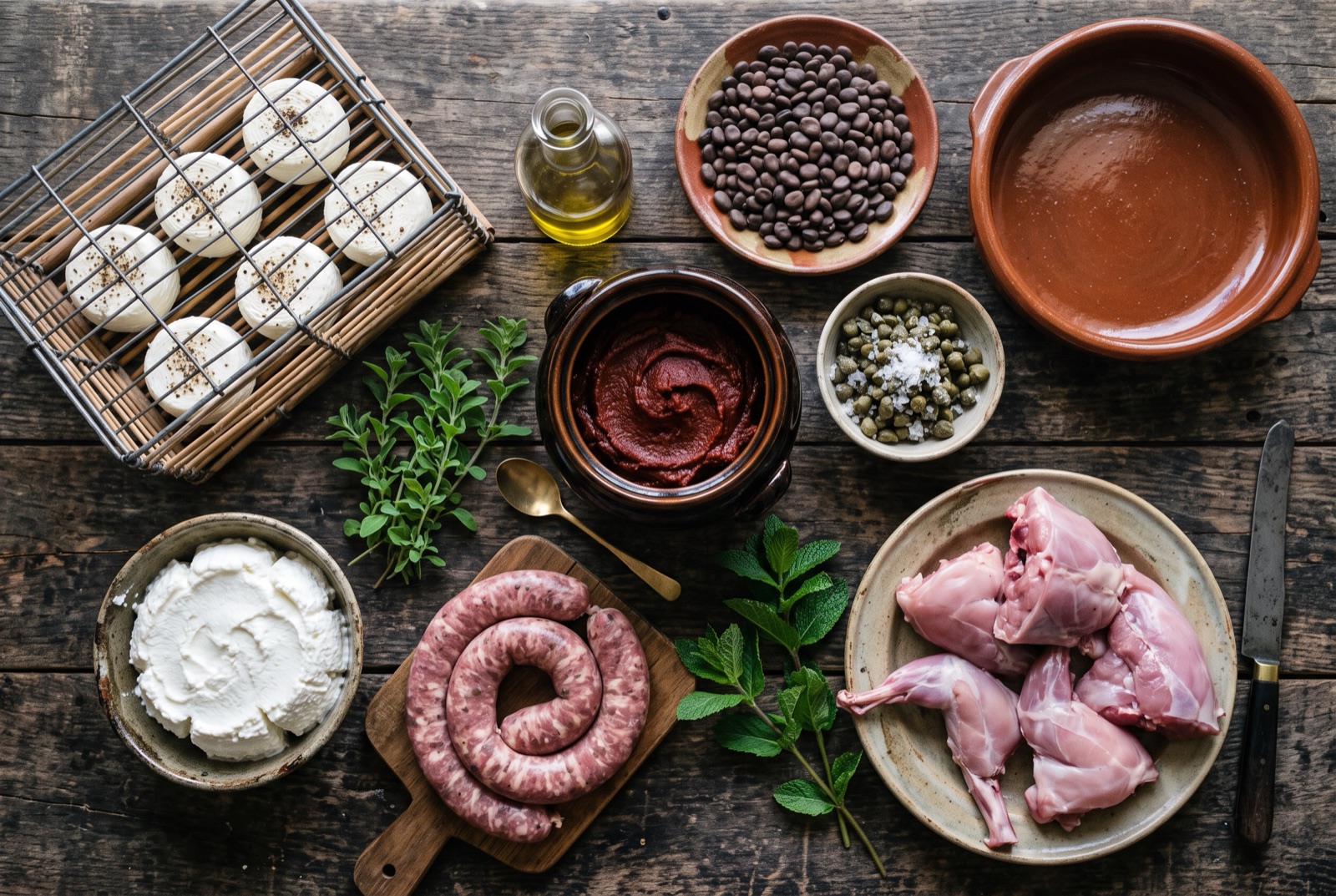
The pantry is short, cheap and repeats constantly. Tomato arrives in two forms: fresh in summer, and kunserva — a dark, almost sweet concentrated paste sold in tubs — for the other nine months. Capers grow wild out of the dry stone walls and are used with a heavy hand, salted rather than pickled. Dried broad beans, the small dark ħabb tal-ful cooked skins and all, were the island's protein when meat was unaffordable and still are the base of bigilla. Dairy means sheep and goats, not cows: irkotta, the fresh ricotta that fills pastizzi and ravjul, and ġbejniet, thumb-sized cheeselets eaten fresh, air-dried, or rolled in cracked black pepper. Bread is taken seriously — ħobż tal-Malti, a sourdough with a thick blistered crust, and ftira, the flat ringed version, which UNESCO added to its intangible heritage list in 2020.
Technique divides along two lines. The first is the oven bake in a deep tray: imqarrun il-forn, ross il-forn and timpana all follow the same logic of sauce, starch, egg and cheese cooked until the top browns and the whole thing sets firm enough to slice cold the next day. The second is the long braise in wine and tomato — stuffat tal-fenek, braġioli — where a small quantity of meat is stretched to feed a table. Frying exists, but it is mostly a preliminary step rather than the finish.
The layers of history are legible in the language on the menu. Maltese is Semitic in structure, descended from the Arabic spoken during the island's rule from Ifriqiya, but written in Latin script and saturated with Sicilian and Italian vocabulary — which is why a dish can be called stuffat tal-fenek and mean stew of rabbit in the same breath. The Knights of St John brought European court cooking and a taste for sweets; two centuries of British rule brought tea, beef olives as a name for braġioli, and an appetite for anything baked in a tray.
The calendar matters more than region does. Lampuki, the dorado that shoal past the islands from late August, define autumn and go into torta tal-lampuki. Spring is broad beans and ġbejniet; summer is kapunata and ħobż biż-żejt, bread rubbed with kunserva and piled with tuna, capers and olives. Festas and Easter bring figolli, imqaret and qagħaq tal-għasel. Honesty demands admitting how much is shared: kapunata is caponata, kannoli are Sicilian, and ħelwa tat-Tork is halva. What is genuinely Maltese is the combination — the egg-set pasta bake, the garlic load in aljotta, the fenkata, and the insistence on marjoram.
Signature pantry.
10 staplesThe ingredients this cuisine cannot function without.
- kunserva (thick sweet tomato paste)
- capers
- ħabb tal-ful (small dark dried broad beans)
- ġbejniet (sheep's milk cheeselets)
- irkotta (fresh sheep's milk ricotta)
- marjoram
- mint
- olive oil
- zalzett tal-Malti (coriander-seeded fresh sausage)
- rabbit
How people eat in Malta.
Sunday lunch is the fixed point of the week, cooked in quantities that assume uninvited arrivals, and the tray bake exists precisely because it survives being reheated for whoever turns up late. A fenkata — an evening built entirely around rabbit, eaten in a village bar or a family kitchen — runs in two courses, spaghetti in the rabbit sauce first and the meat afterwards, with bread and wine throughout and no hurry at any point. Pastizzi are bought hot from a pastizzerija at almost any hour and eaten standing up, from paper, for small change. Bread never leaves the table and is used to finish sauce. Village festas in summer mean nougat stalls, imqaret fried on the street, and food handed round rather than plated.
Regional kitchens.
Malta cooks 4 distinctly different ways depending on where you stand — here is what changes between them.
- R1Valletta and the Grand Harbour
- The Knights' city and the Three Cities across the water, where European court cooking met island ingredients and left behind a taste for pastry, sweets and elaborate feast-day baking. It is also the densest concentration of pastizzerijas in the country.
- R2Marsaxlokk and the South-East Coast
- Malta's fishing heartland, its harbour still full of painted luzzu boats and its Sunday market built around whatever came in that morning. Aljotta, grilled lampuki and salt-cured fish belong here, and the kannizzati rafts used to catch dorado are set out from these villages each autumn.
- R3The Rural West: Mġarr, Rabat and Dingli
- Farmland behind the cliffs, and the home of the fenkata — the communal rabbit meal that Mġarr in particular is known for. Strawberries, broad beans, capers and the indigenous Ġellewża and Girgentina wine grapes all come from this stretch of the island.
- R4Gozo (Għawdex)
- Greener, slower and more agricultural than the main island, and the source of most of the country's ġbejniet, sun-dried tomatoes and sea salt from the pans at Xwejni. The Gozitan ftira is its own thing — a flat sourdough base topped with potato, tomato, olives and anchovy rather than folded shut.
All Malta recipes.
10 recipes and counting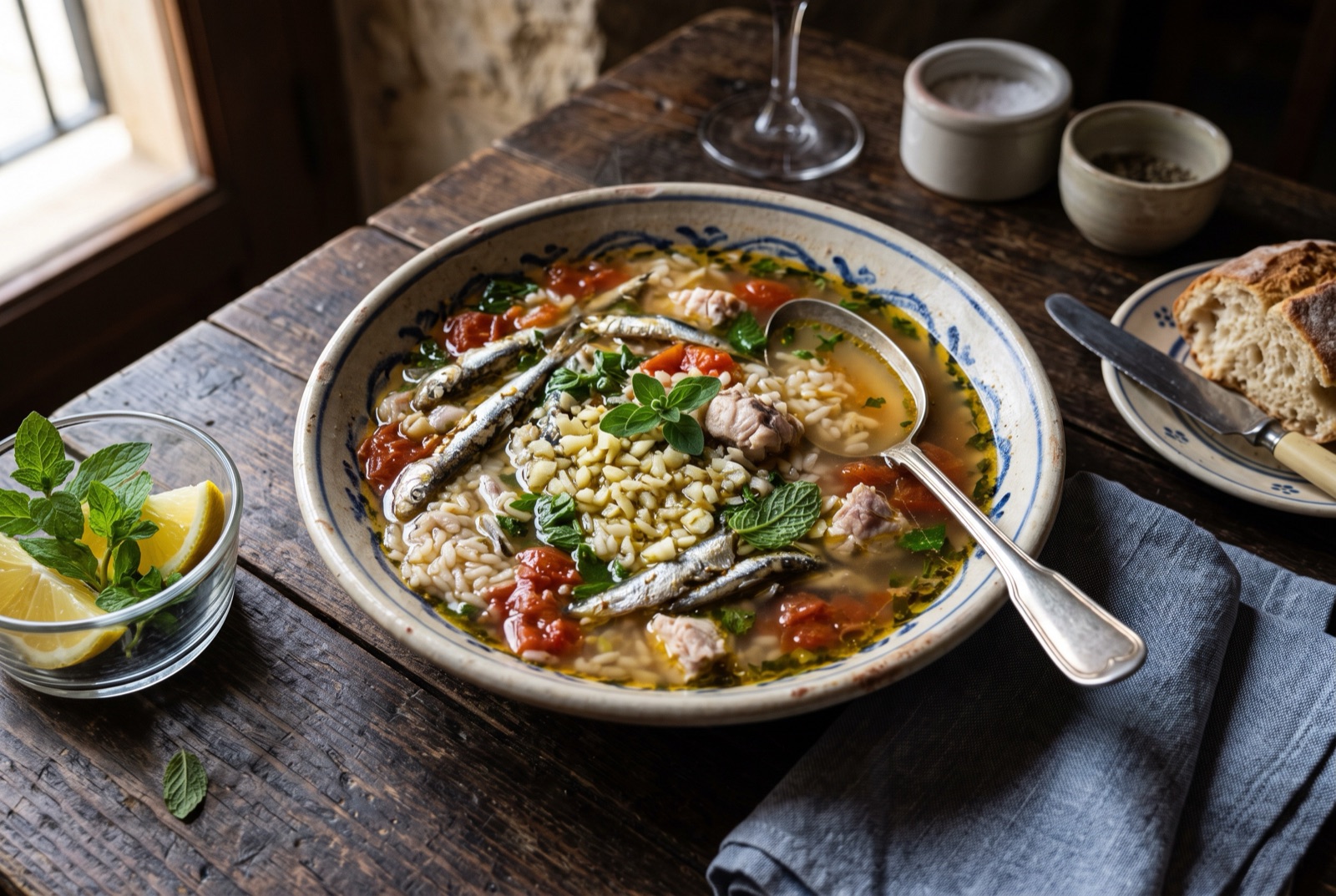
Malta1 hr 20 min
Aljotta
Maltese Garlic and Tomato Fish Broth
Malta13 hr 45 min
Bigilla
Maltese Broad Bean and Garlic Dip
Malta2 hr 20 min
Braġioli
Maltese Beef Olives with Egg and Bacon
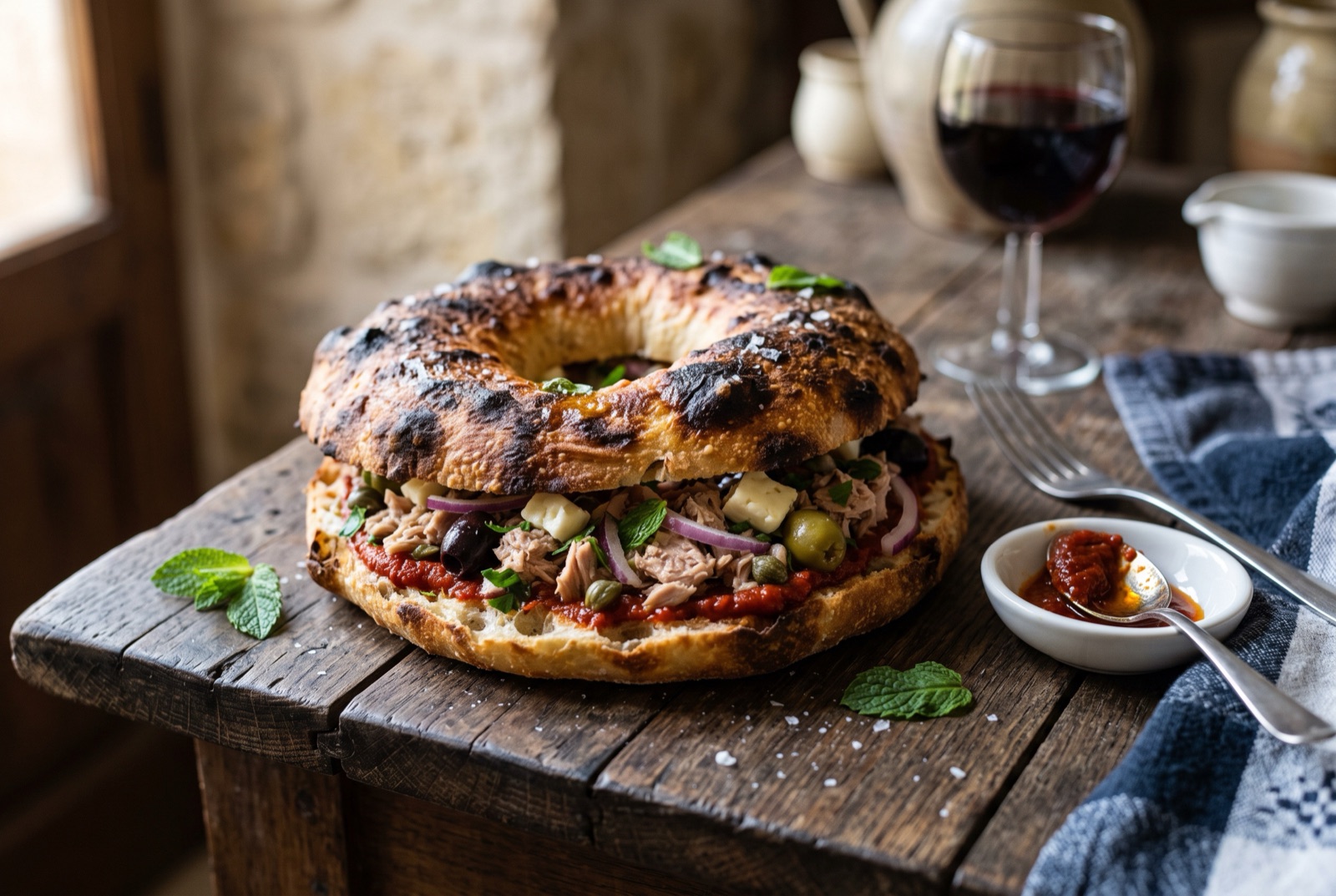
Malta15 hr 50 min
Ftira
Maltese Ringed Sourdough Flatbread
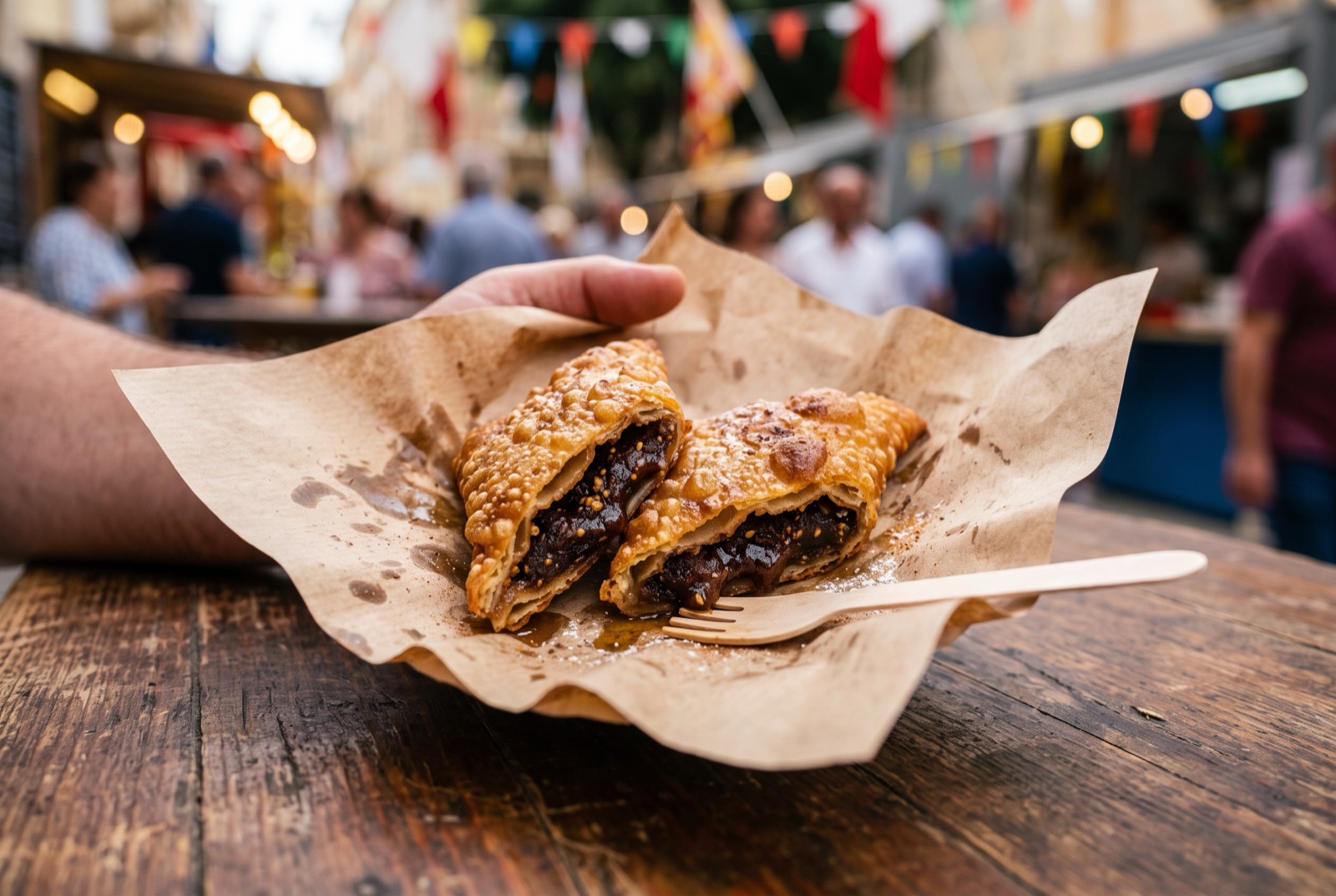
Malta1 hr 45 min
Imqaret
Maltese Fried Date Pastries
Malta2 hr 45 min
Imqarrun il-Forn
Maltese Baked Macaroni with Meat Sauce
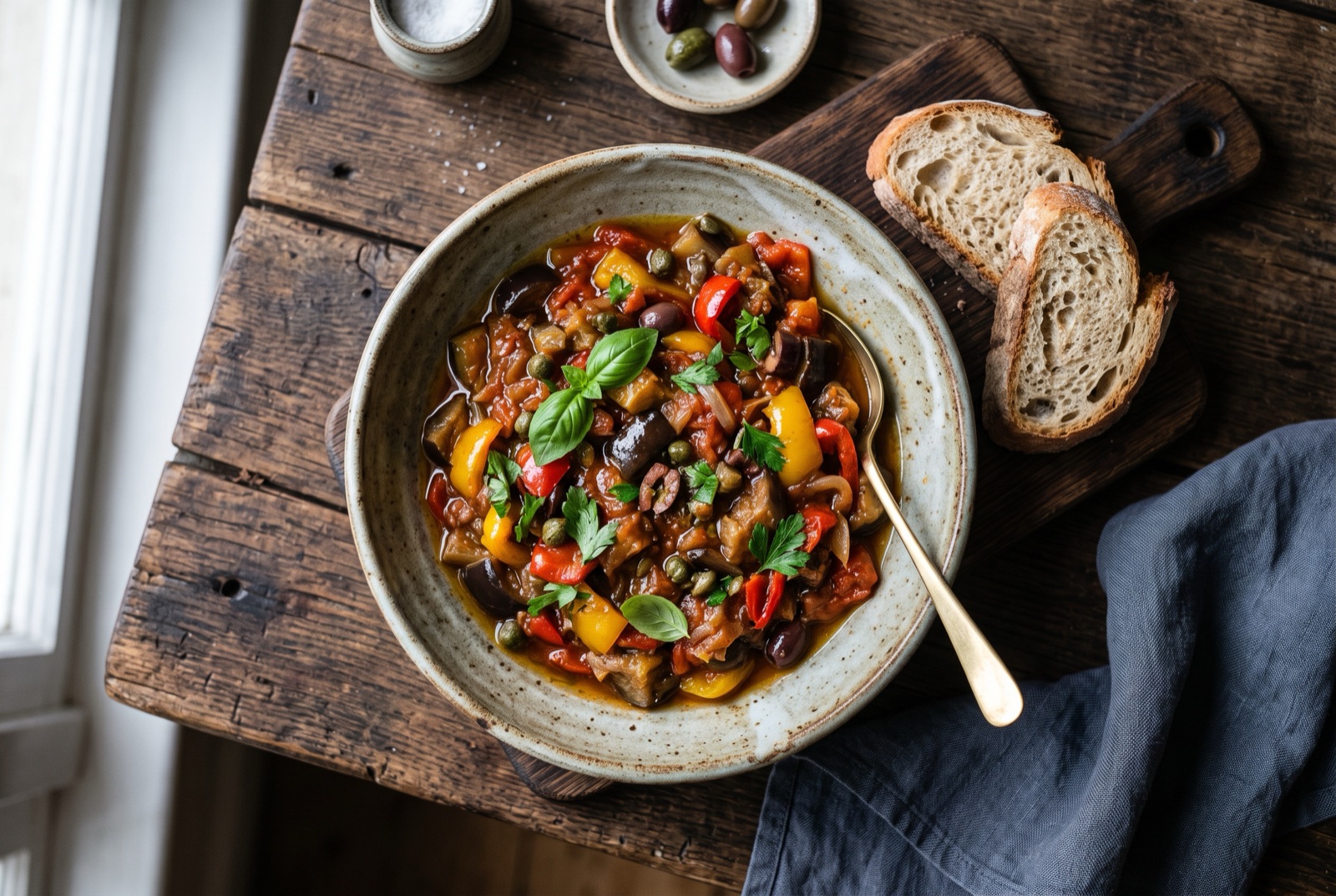
Malta1 hr 35 min
Kapunata
Maltese Aubergine, Caper and Olive Stew
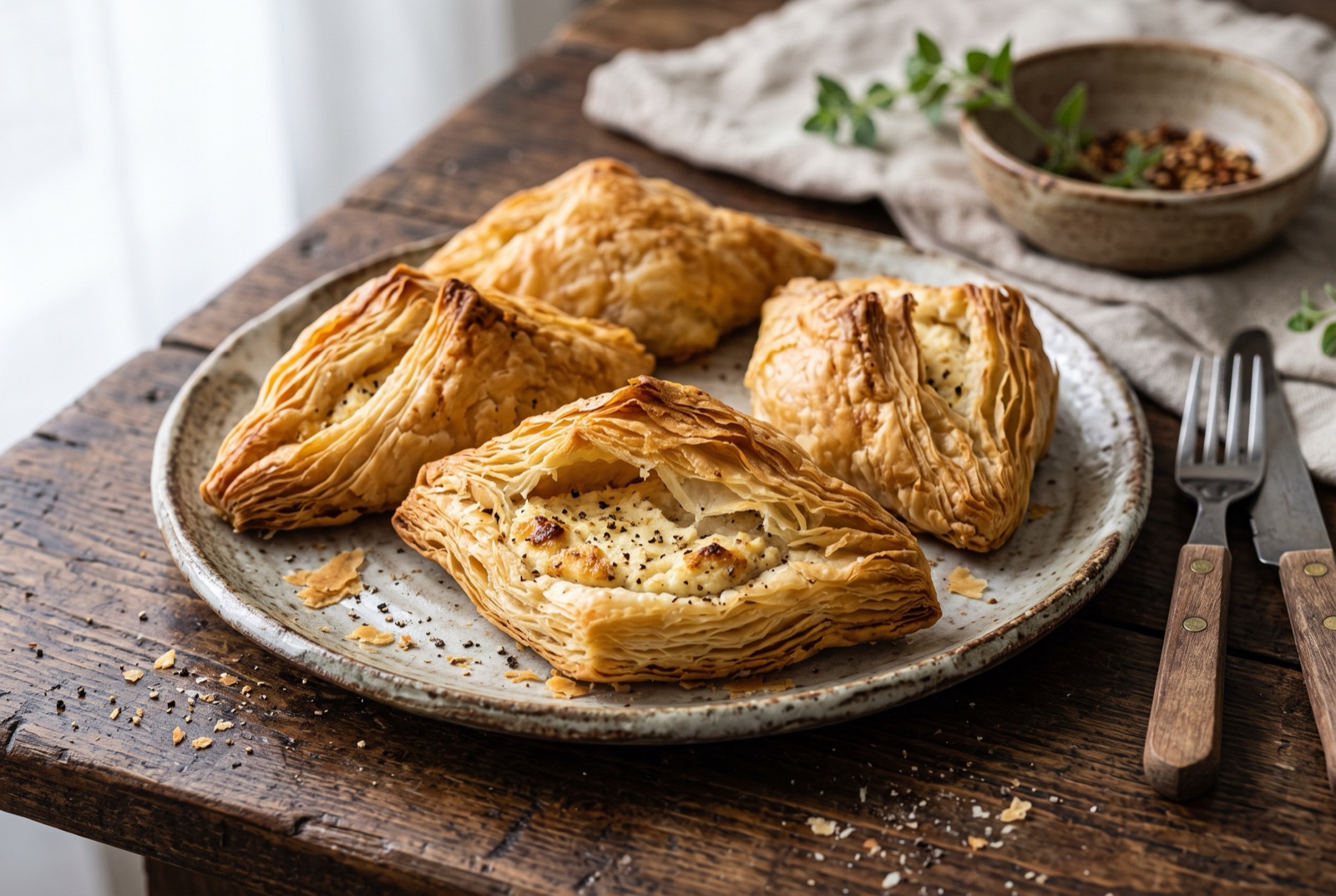
Malta2 hr 30 min
Pastizzi tal-Irkotta
Maltese Flaky Ricotta Parcels
Malta10 hr 15 min
Stuffat tal-Fenek
Maltese Rabbit Stew in Red Wine
Malta2 hr 35 min
Torta tal-Lampuki
Maltese Dorado and Cauliflower Pie
Keep traveling.
Malta sits in Mediterranean, and its kitchen shares borders as well as ingredients with Albania and Austria.
 Albania
 Austria