Sopa de Pata.
Salvadoran Cow Foot and Tripe Soup
Sopa de pata · say it: SOH-pah deh PAH-tah
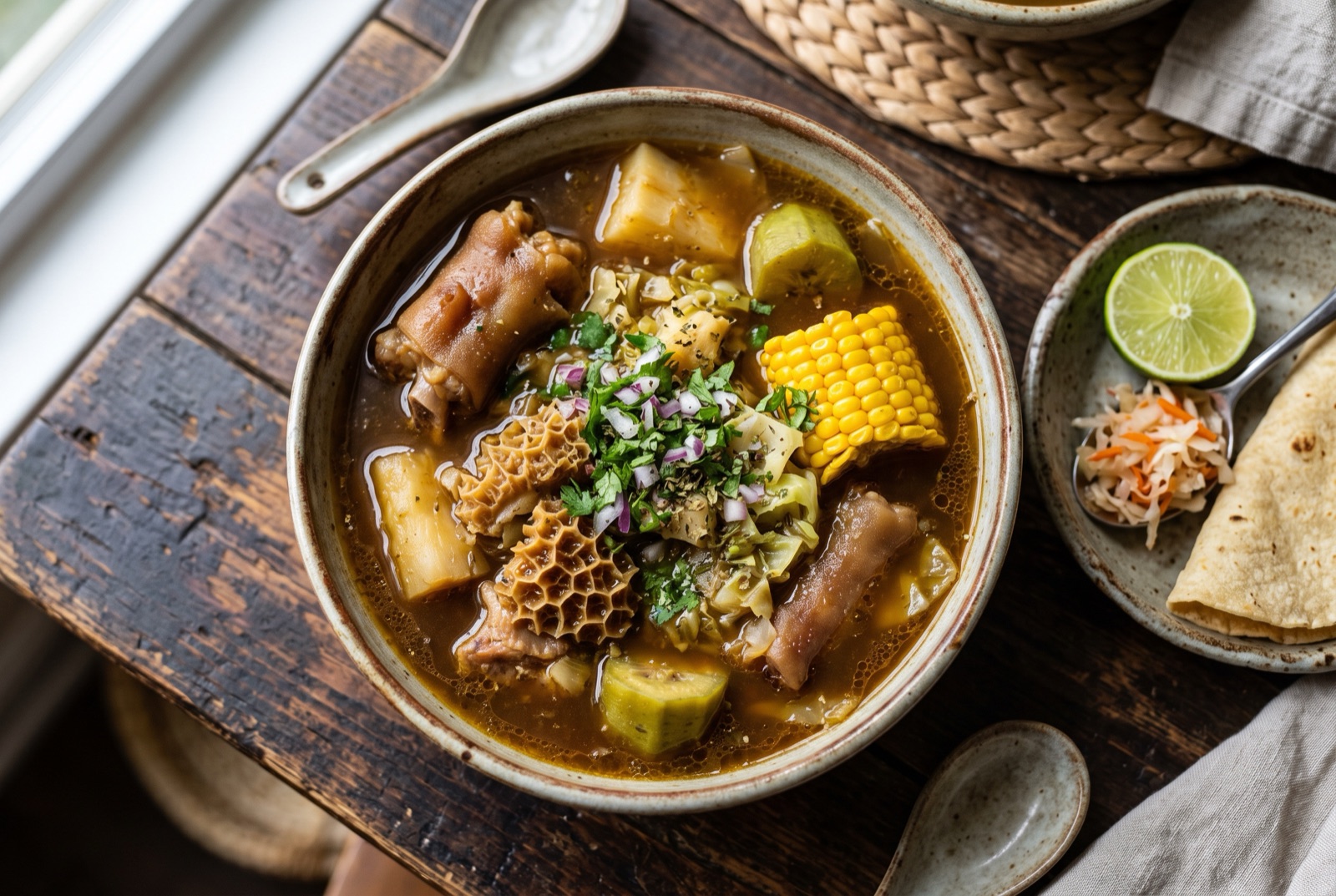
Sopa de pata is a long-cooked soup built on cow foot and tripe, and its defining quality is texture: after four hours the collagen has dissolved into the broth and the liquid becomes faintly sticky on the lips, coating the spoon and thickening as it cools. Around that broth sit chunks of green banana, cassava, corn on the cob and cabbage, all soft enough to break with the side of a spoon. The flavour is deeply beefy, lightly sour from lime squeezed in at the table, and green from culantro. Salvadorans eat it at lunch, at weekends and specifically after a heavy night out.

- Gate
- El SalvadorSan Miguel and the east
- Prep
- 40 min
- Cook
- 4 hr
- Total time
- 4 hr 40 min
- Serves
- 6
- Status
- Takes skill
- Nutrition / serving · estimated
- Calories 540 kcal
- Protein 38 g
- Carbs 46 g
- Fat 22 g
- Fiber 7 g
- Sodium 850 mg
Why this recipe works.
- Blanches and scrubs the offal properly first, which is the difference between a clean beefy broth and one that tastes of the barn.
- Stages the vegetables across three additions so nothing turns to mush waiting for the cow foot to soften.
- Explains the gelatin test — the broth is done when it tacks your lips, not when the clock says so.
- Gives a workable route for cooks who cannot buy cow foot, without pretending the result is identical.
Ingredients.
18 itemsFor the broth
Vegetables
To finish
Equipment
- Very large stockpot
- Skimming spoon
- Sharp knife for the root vegetables
Instructions.
Clean and blanch the offal
Rub the tripe hard with coarse salt and the juice of one lime, rinse well and repeat until it smells neutral. Put it with the cow foot in a big pot of cold water, bring to the boil for 10 minutes, then tip everything out, rinse the pieces and wash the pot.
Tip Do not skip this. Everything you taste in the finished broth was decided here.
Start the long simmer
Return the foot and tripe to the clean pot with the water, onion, garlic and bay. Bring to a boil, skim off the grey foam that rises in the first twenty minutes, then drop the heat until the surface barely trembles.
Cook until the broth turns sticky
Simmer partly covered for 3 to 3½ hours, topping up with hot water if the level drops below the meat. It is ready when the foot meat slips off the bone and a cooled spoonful of broth feels faintly tacky between your lips.
Tip Never let it boil hard — a rolling boil turns the broth cloudy and greasy instead of silky.
Add the hard vegetables
Season the broth properly with salt, then add the cassava, green banana, corn rounds and carrots. Simmer for 20 minutes, until a knife tip enters the cassava with slight resistance still remaining.
Add the soft vegetables
Add the chayote, tomatoes, cabbage wedges and green beans and cook for 10–12 minutes more, until the cabbage is translucent at the edges but still holds its shape and the cassava has turned completely tender.
Finish with culantro and serve
Drop in the culantro leaves, turn off the heat and let the pot stand for 5 minutes so the herb perfumes the broth. Ladle into deep bowls with a piece of foot, some tripe and a share of each vegetable, scatter with cilantro, and serve with tortillas and lime wedges.
Tips from our kitchen.
- Ask the butcher to saw the cow foot into 5 cm sections. Trying to cut it at home is genuinely dangerous and nearly impossible with a domestic knife.
- Blanch the foot and tripe in boiling water for 10 minutes, then discard the water and rinse everything under the tap before the real cooking starts. This one step decides how clean the finished broth tastes.
- Rub the tripe with coarse salt and lime, rinse, and repeat until it smells neutral. Any lingering barnyard smell before cooking will still be there four hours later.
- Keep the pot at a bare tremble, never a boil. A rolling boil emulsifies the fat into the broth and leaves it cloudy and greasy instead of clear and silky.
- Green banana discolours fast once peeled — drop the chunks straight into cold water and add them to the pot within an hour.
- Chill the finished soup and lift the solid fat cap off the top before reheating if you want the richness without the grease.
Substitutions.
- Cow foot → Beef shank on the bone plus 2 split oxtail sections
- Oxtail supplies the gelatin and the shank supplies the meat. The broth will be excellent but slightly less sticky than the original.
- Tripe → Extra beef shank, or leave it out
- Plenty of Salvadoran households make the soup without tripe. You lose the chew, not the character of the broth.
- Culantro → Cilantro, roughly double the quantity, added at the very end
- Culantro is far stronger and stands up to long cooking. Cilantro cannot, so add it off the heat.
- Green banana → Green plantain, in thick chunks
- Plantain is starchier and slightly sweeter. Common in coastal versions and perfectly acceptable.
Variations.
- Sopa de res
- The everyday relative: beef shank and marrow bones instead of foot and tripe, with the same vegetable line-up. Lighter broth, far quicker, and what most families cook midweek.
- With chipilín
- A handful of chipilín leaves stirred in near the end, giving a distinct herbal, faintly bitter note found in the Guatemalan-border regions.
- Sopa de mondongo
- The tripe-only version, without the foot. Chewier and less gelatinous, and the more common form in some parts of Central America.
Storage & reheating.
Sopa de pata keeps 4 days refrigerated and tastes better on day two once the broth has settled. It sets to a firm jelly when cold, which is a sign you extracted the collagen properly — reheat gently and it liquefies again. Freeze in portions for up to 3 months, but freeze the broth and meat separately from the vegetables if you can, since cassava and green banana turn grainy after thawing. Never boil it hard when reheating.
Serve with
Warm corn tortillas, lime wedges, and a small dish of chile en vinagre for each diner to add their own heat.
The story behind Sopa de Pata.
Every cattle country develops a dish for the parts nobody else wants, and in El Salvador that dish is sopa de pata. It belongs above all to the eastern departments — San Miguel, Usulután, Morazán — where cattle ranching shaped the local kitchen, and it is the flagship item at the comedores and market stalls that open early on Sunday morning. The soup is understood to be restorative in a very specific sense: it is the standard hangover cure, and the standard food for someone recovering from illness or childbirth, on the reasoning that a broth this rich in gelatin puts something back.
The vegetables are as characteristic as the meat. Green banana — not plantain, but the unripe eating banana, cooked whole in its skin or peeled into chunks — gives a dense, faintly astringent starch that turns almost waxy in the broth. Cassava adds sweetness, corn on the cob adds a clean note and something to gnaw, and chayote and cabbage go in late so they keep a little bite. Some cooks add tripe, some do not; in most of the country the two go together, and the tripe is cleaned obsessively before it ever meets the pot.
What makes the bowl Salvadoran rather than simply Central American is the finishing. Culantro — the long serrated leaf, much stronger than cilantro — goes in near the end. Lime is squeezed at the table, never in the pot. And a bowl is almost always accompanied by tortillas and, in many places, a small dish of chile en vinagre, so each person can adjust the heat that the cook has deliberately left out. It is not a fast dish and it is not a delicate one, but a properly made sopa de pata is one of the few soups that can genuinely be described as substantial enough to be dinner on its own.
Questions, answered.
Where do I buy cow foot?
Halal, Caribbean, West African and Latin American butchers stock it routinely, usually already sawn into sections and sometimes labelled cow heel or trotter. Ask for it cut into 5 cm pieces. Ordinary supermarkets rarely carry it, but many will order it if you ask the meat counter a few days ahead.
How do I clean tripe properly?
Most tripe sold today is already bleached and partly cleaned, but it still needs work. Rinse it thoroughly, rub it hard with coarse salt and lime or vinegar, rinse again, and repeat until it smells neutral rather than barnyard. Then blanch it in boiling water for 10 minutes and discard that water. Skipping this leaves an odour no amount of simmering will remove.
How do I know when the broth is ready?
Test it with your lips rather than a timer. Dip a spoon in, let it cool for a moment and press your lips together — when the broth is properly extracted it will feel faintly tacky and slightly sticky, and it will set to a wobbling jelly if you refrigerate a spoonful. That usually takes three to four hours at a bare simmer.
Why is my soup cloudy and greasy?
It boiled too hard. Vigorous boiling breaks the rendered fat into tiny droplets that stay suspended, giving a murky, oily broth. Keep the surface at a lazy tremble with barely a bubble breaking, skim the scum during the first thirty minutes, and chill the finished soup to lift off the fat cap if it is still too rich.
Can I use a pressure cooker?
Yes, and it is a reasonable shortcut. Give the blanched foot and tripe 60–75 minutes at high pressure with the aromatics, release naturally, then open the pot and add the vegetables in stages as normal. The texture is very close, though the broth is marginally less clear than a long slow simmer produces.
You might also like.
All recipes →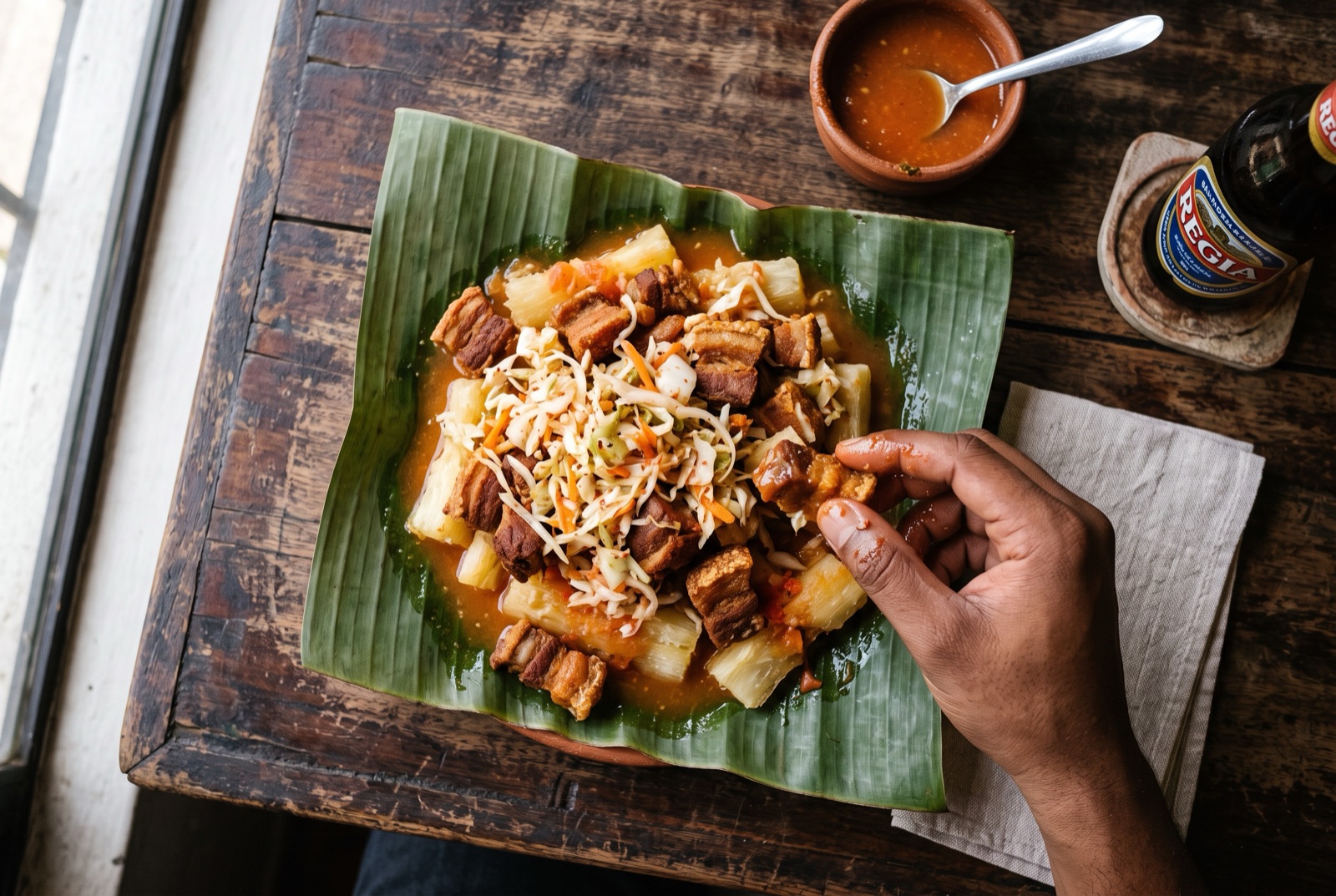
El Salvador1 hr 40 min
Yuca con Chicharrón
Cassava with Fried Pork
El Salvador14 hr 40 min
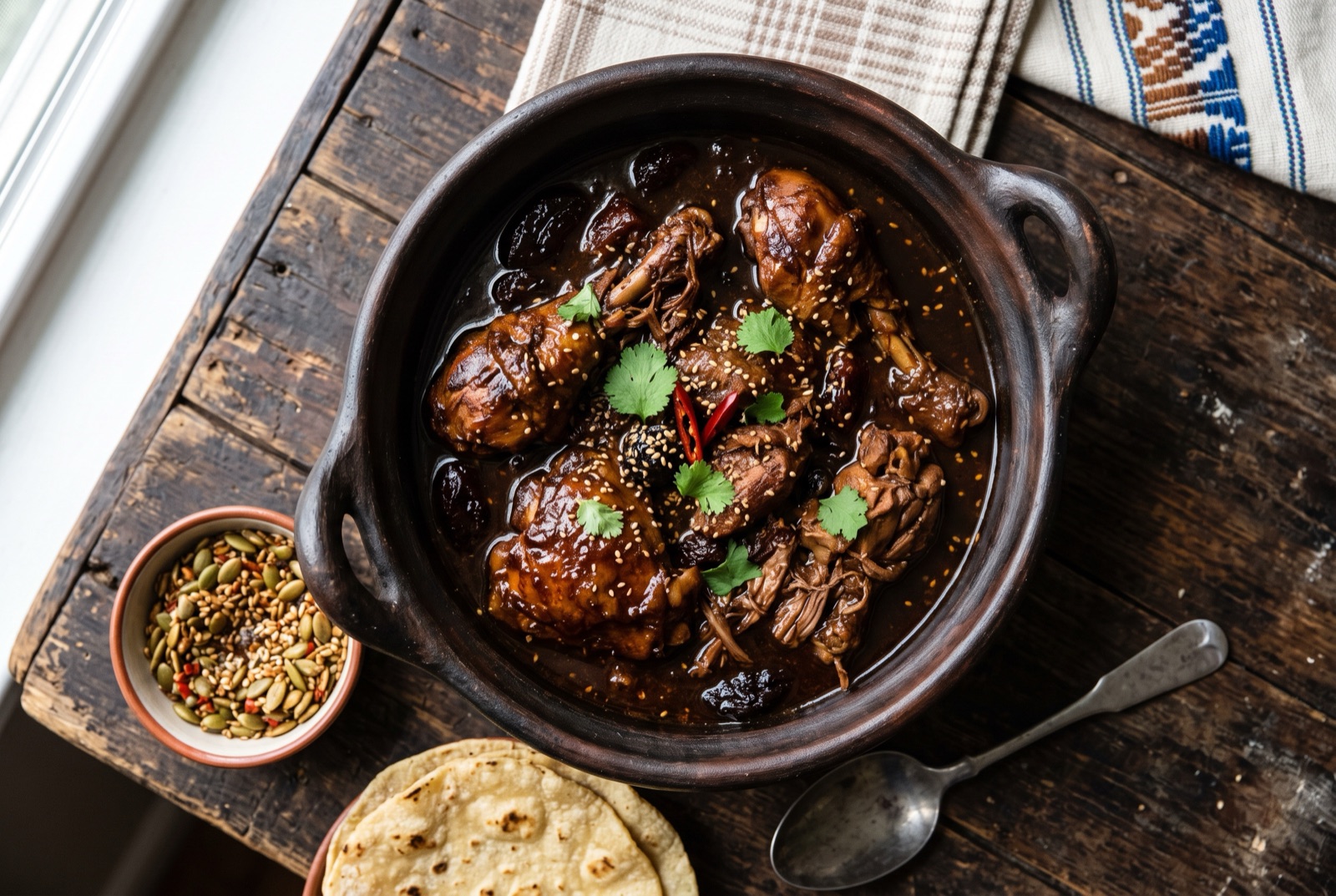
Gallo en Chicha
Rooster Stewed in Fermented Corn Wine
El Salvador24 hr 25 min
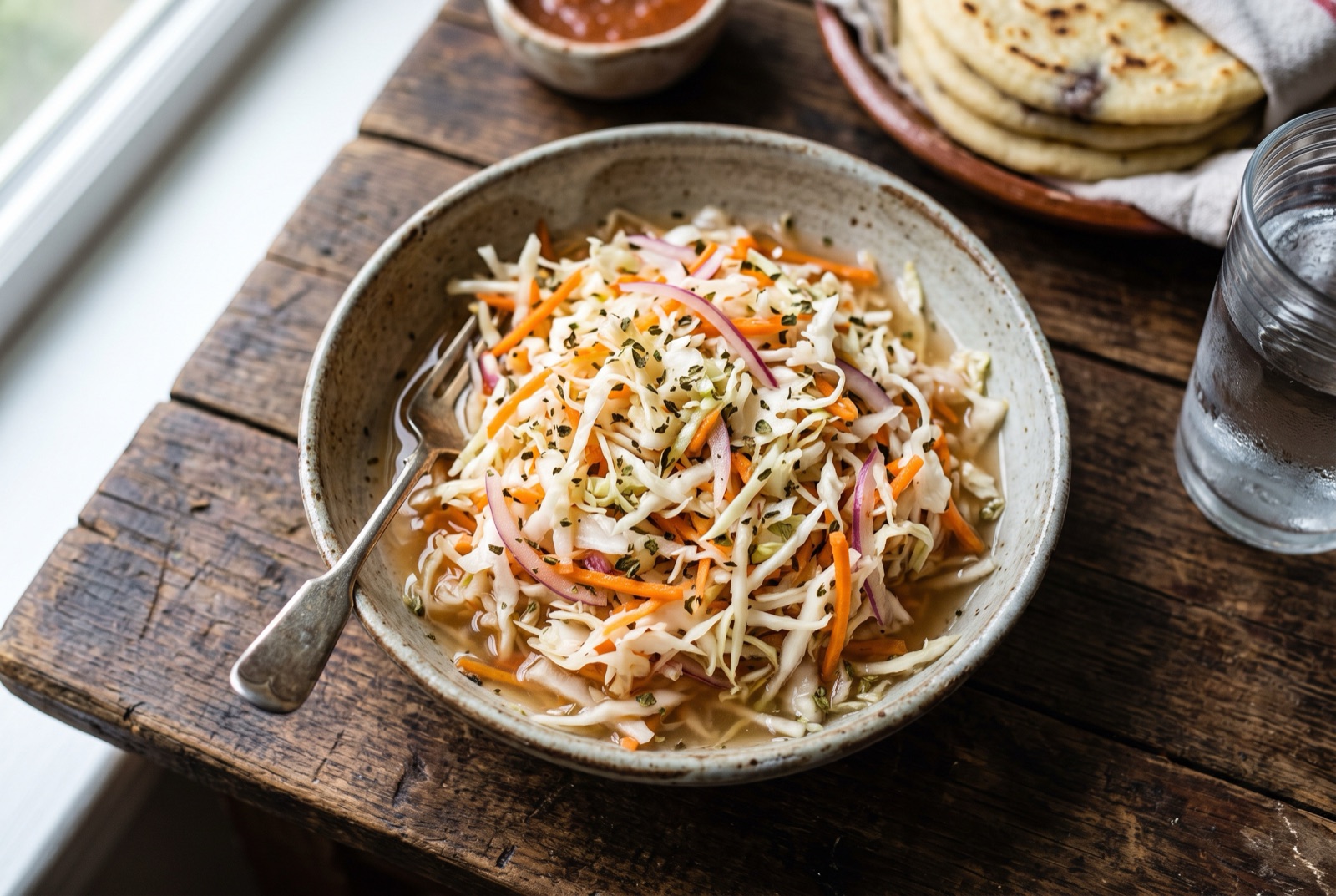
Curtido
Salvadoran Lightly Fermented Cabbage Slaw
El Salvador1 hr 5 min
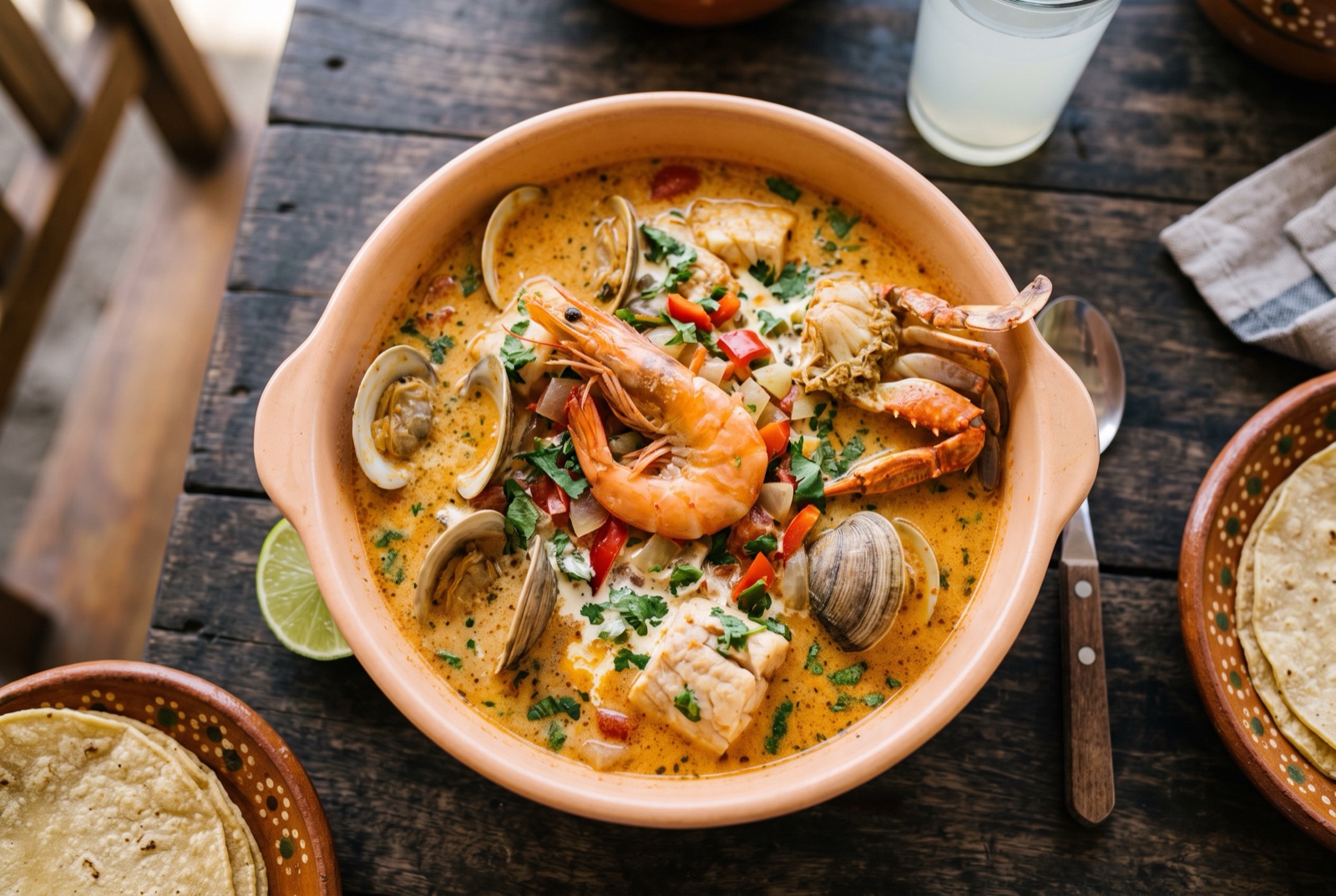
Mariscada Salvadoreña
Creamy Pacific Seafood Stew
Keep exploring El Salvador.
El Salvador has 9 more dishes in the atlas — Casamiento and Curtido, and 7 more.
Recipe by The DishRoute Kitchen · published August 20, 2026 · updated August 20, 2026