Tavë Kosi.
Albanian Baked Lamb under Yoghurt Custard
Tavë kosi · say it: TAH-vuh KO-see
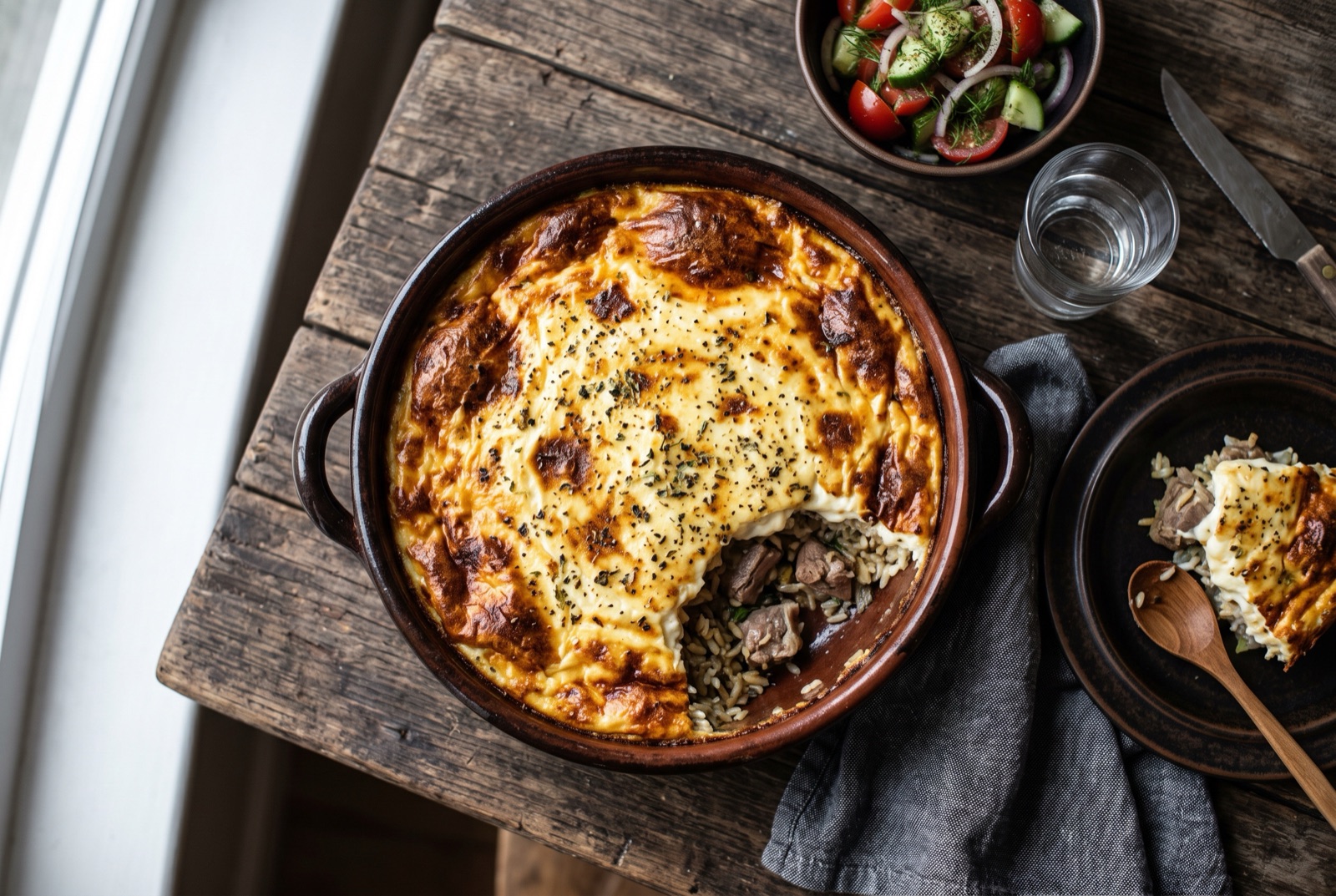
Tavë kosi is lamb baked under yoghurt. Pieces of shoulder are browned with garlic and oregano, scattered with a little rice, then flooded with a custard made by whisking thick yoghurt into eggs and a pale butter-flour roux and baked until the top rises, cracks and turns freckled brown. The taste is unexpected the first time: tangy and savoury at once, the sourness of the yoghurt cutting straight through the fat of the lamb, with the rice underneath soaking up the meat juices. It is soft, spoonable food, served in squares straight from the dish with nothing more than bread and a tomato salad, and it is the one dish Albanians will name without hesitation if you ask what their country cooks.

- Gate
- AlbaniaElbasan
- Prep
- 25 min
- Cook
- 1 hr 10 min
- Total time
- 1 hr 50 min incl. 15 min rest
- Serves
- 6
- Status
- Medium
- Nutrition / serving · estimated
- Calories 620 kcal
- Protein 39 g
- Carbs 25 g
- Fat 40 g
- Fiber 1 g
- Sugar 8 g
- Sodium 780 mg
Why this recipe works.
- Builds the custard on a proper roux, so the yoghurt sets smooth and sliceable instead of curdling into grains.
- Browns the lamb first and reuses its pan juices, which is what keeps the dish savoury under all that dairy.
- Gives the honest ratio — roughly equal weight of yoghurt to meat — that makes it tavë kosi rather than lamb with a topping.
- Works with supermarket Greek yoghurt and a metal baking dish; no clay tavë required.
Ingredients.
14 itemsFor the lamb
For the yoghurt custard
Equipment
- Shallow baking dish, about 25 x 20 cm
- Heavy frying pan
- Whisk
- Small saucepan
Instructions.
Brown the lamb
Heat the butter and olive oil in a heavy pan over medium-high heat and brown 900 g of lamb in batches, without crowding, until the pieces are deep gold on at least two sides. Season with salt as you go.
Tip Crowded meat steams grey. Give each batch room and wait for the sizzle to turn dry and loud before turning.
Add garlic and oregano
Return all the lamb to the pan, drop the heat to medium, add the sliced garlic and oregano and stir for a minute until the garlic smells sweet rather than raw. Pour in the water, scraping the browned bits off the base.
Simmer until tender
Cover and simmer gently for 35–40 minutes, until a piece of lamb gives easily when pressed with a spoon but still holds its shape. Tip the lamb and its juices into a shallow baking dish and stir the rinsed rice through the liquid.
Tip You want roughly 200 ml of liquid left in the dish — enough for the rice to drink. Add a splash of water if it has cooked away.
Make the roux
Melt the butter for the custard in a small saucepan, whisk in the flour and cook over low heat for 2–3 minutes, stirring constantly, until the paste smells nutty and toasted rather than of raw flour. Do not let it colour past pale gold.
Whisk the yoghurt custard
Take the roux off the heat and let it cool for two minutes. Whisk in the yoghurt a spoonful at a time until smooth, then beat in the eggs one by one, followed by the salt and pepper. The custard should pour like thick pancake batter.
Tip If it looks grainy, whisk hard for another 30 seconds — small lumps of roux will smooth out, but curdled egg will not, so keep the roux off direct heat.
Assemble and bake
Heat the oven to 190°C. Pour the custard evenly over the lamb and rice, nudging the meat so the custard settles between the pieces, and dust the surface with paprika. Bake for 40–50 minutes until the top is puffed, cracked at the edges and freckled deep brown.
Tip A knife slid into the middle should come out clean and the dish should wobble as one piece, not slosh.
Rest before serving
Let the tavë stand for 10–15 minutes out of the oven so the custard firms. Cut into squares and lift them out with a spatula, serving straight from the dish with bread and salad.
Tips from our kitchen.
- Use full-fat, thick yoghurt. Thin or low-fat yoghurt carries too much water and will weep a grey layer under the crust.
- Let the roux cool for a couple of minutes before whisking in the yoghurt — hot roux hitting cold yoghurt is the fastest way to split it.
- Season the custard more aggressively than feels right. Yoghurt mutes salt in the oven, and an underseasoned topping tastes chalky.
- Bake until the surface is properly freckled and a knife slid into the centre comes out clean; a pale top means the custard is still slack underneath.
- Rest the dish 10–15 minutes out of the oven before cutting. Straight from the oven it slumps; rested, it holds a clean square.
- If your lamb is very fatty, tip off some of the rendered fat before adding the rice, or the finished dish will taste greasy under the tang.
Substitutions.
- Lamb shoulder → Boneless chicken thighs, in similar-sized pieces
- A completely normal Albanian variation, not a compromise. Reduce the initial browning and oven time by about 10 minutes.
- Thick Greek-style yoghurt → Plain natural yoghurt drained in a sieve for an hour
- Drain it over a bowl until it loses roughly a quarter of its volume, otherwise the custard will not set firmly.
- Rice → Leave it out and serve over bread
- Some southern households skip the rice entirely and rely on bread to catch the juices. The bake sets faster without it.
Variations.
- Tavë kosi me organe
- The feast-day version made with lamb offal — liver, heart and lung — instead of shoulder. Stronger and more traditional, and still what many families cook for Bajram.
- Tavë me pulë
- Chicken thighs in place of lamb, the common weekday version in Tirana households where lamb is saved for occasions.
- Vegetarian tavë kosi
- Roasted courgette, aubergine and peppers baked under the same yoghurt custard. Not traditional, but the custard technique carries it well.
Storage & reheating.
Tavë kosi keeps 3 days covered in the fridge and is genuinely good cold, eaten straight from the dish the next day. Reheat portions in a moderate oven, covered with foil, until warmed through — the microwave works but turns the custard rubbery at the edges. It does not freeze: the yoghurt custard separates on thawing and never recovers its texture.
Serve with
Tomato and cucumber salad dressed only with olive oil and salt, plenty of bread, and a bowl of cold yoghurt on the side.
The story behind Tavë Kosi.
The dish belongs to Elbasan, a town in central Albania on the old road between the Adriatic and Ohrid, and it is often listed on menus as tavë Elbasani for exactly that reason. Elbasan was an Ottoman administrative centre for centuries, and tavë kosi sits squarely in the family of Ottoman-era baked dishes built on yoghurt and lamb — relatives turn up in Turkish and Greek cooking under other names. What Albania did with it was commit: the yoghurt is not a sauce spooned over at the end but a set custard baked as a single mass, and the proportion is generous enough that the topping, not the meat, is what people remember.
The traditional pairing is with lamb, and specifically with the offal-and-organ version served at Bajram and family feasts, but the everyday household version uses shoulder or leg, and plenty of cooks now make it with chicken thighs without apology. Rice is the usual filler; some southern households leave it out entirely and serve the tavë over bread instead. The dish is baked in the shallow round pan that gives it its name — tavë simply means a baking dish, and it is the same word behind tavë dheu, the clay-pot liver dish from the same tradition.
Albanians eat it as the centre of a lunch rather than a dinner, and it is one of the very few dishes that comes to the table still in its pan, because moving it neatly is impossible until it has cooled for ten minutes. Restaurants across Tirana serve it year-round to visitors, but its natural home is a family table where somebody has argued about whether the yoghurt should be sheep's milk, whether the egg count is right, and whether the top browned enough. It also travelled: it is the dish Albanian emigrants in Italy, Greece and the United States cook when they want to explain where they are from.
Questions, answered.
Why did my yoghurt topping curdle?
Almost always heat shock or thin yoghurt. Whisk the yoghurt into the flour-and-butter roux off the heat and once the roux has cooled slightly, and use full-fat yoghurt with at least 8–10 percent fat. The flour in the roux is there specifically to stabilise the eggs and dairy, so do not reduce it, and never let the assembled custard boil on the stove before it goes into the oven.
Can I make tavë kosi ahead of time?
Yes, in stages. Brown the lamb and cook the rice a day ahead and refrigerate them in the baking dish. Make the yoghurt custard fresh on the day, pour it over the cold meat, and add about 10 minutes to the baking time. You can also bake the whole dish a day early and serve it at room temperature, which is how many Albanian households eat the leftovers anyway.
What kind of yoghurt should I use?
Thick, plain, full-fat yoghurt with no added sugar, gelatine or thickeners. Greek or Greek-style strained yoghurt is the closest widely available match to Albanian kos. Sheep's milk yoghurt is more traditional and tangier if you can find it. Avoid anything labelled low-fat or set with starch, as both give a watery, grainy custard.
Is tavë kosi supposed to be sour?
Yes, distinctly. The tang of the yoghurt is the whole point of the dish and is what balances the fat of the lamb. It should taste clean and lactic rather than sharp or acidic. If yours tastes flat, the yoghurt was too mild or the custard was underseasoned; a good pinch more salt in the custard sharpens the sourness rather than dulling it.
Do I need a clay dish to make it?
No. A shallow ceramic, glass or metal baking dish of roughly 25 by 20 centimetres works fine. What matters is that the dish is wide and shallow rather than deep, so the custard layer is around three centimetres thick and can set and brown evenly. A deep dish leaves you with a browned top over an undercooked middle.
You might also like.
All recipes →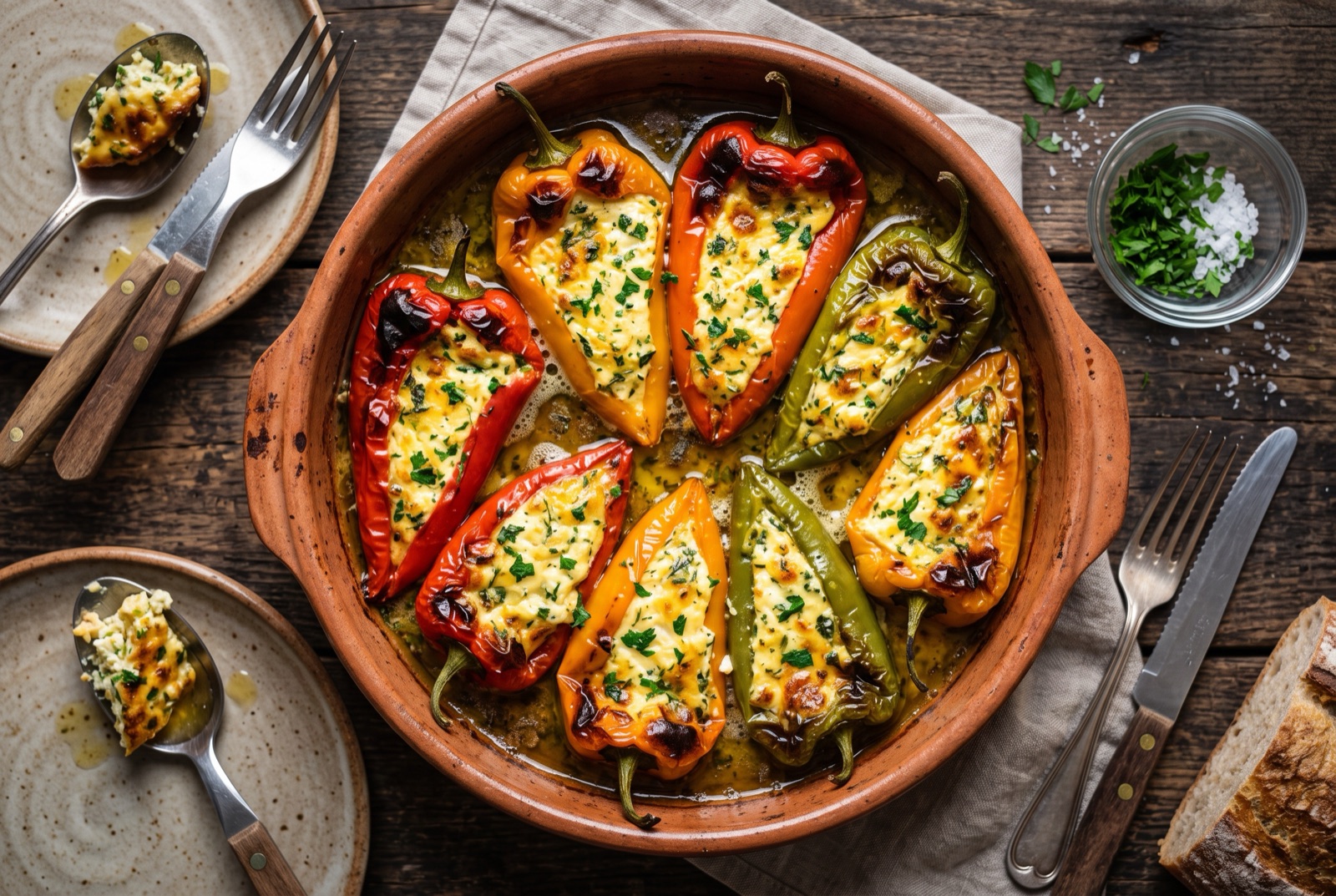
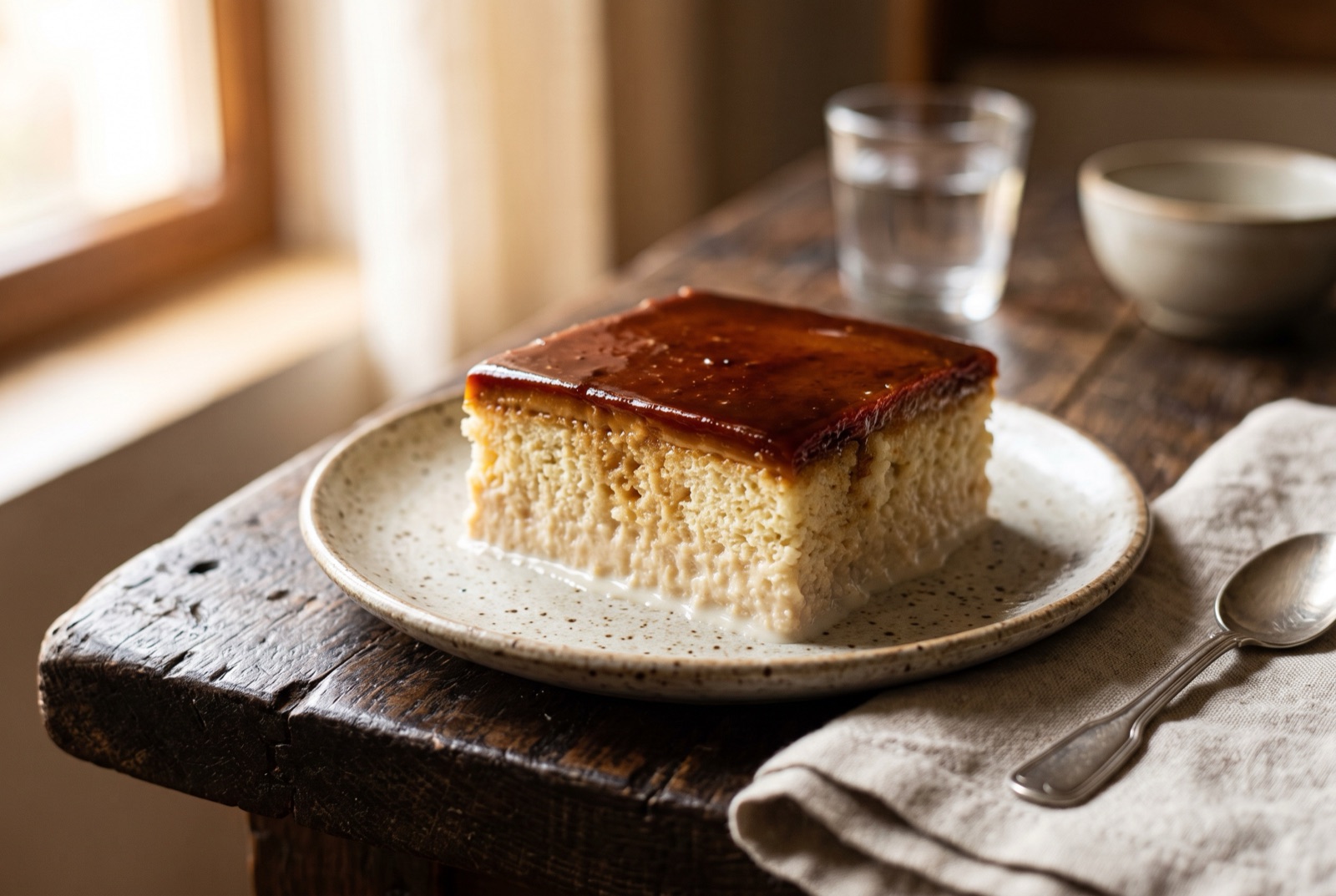
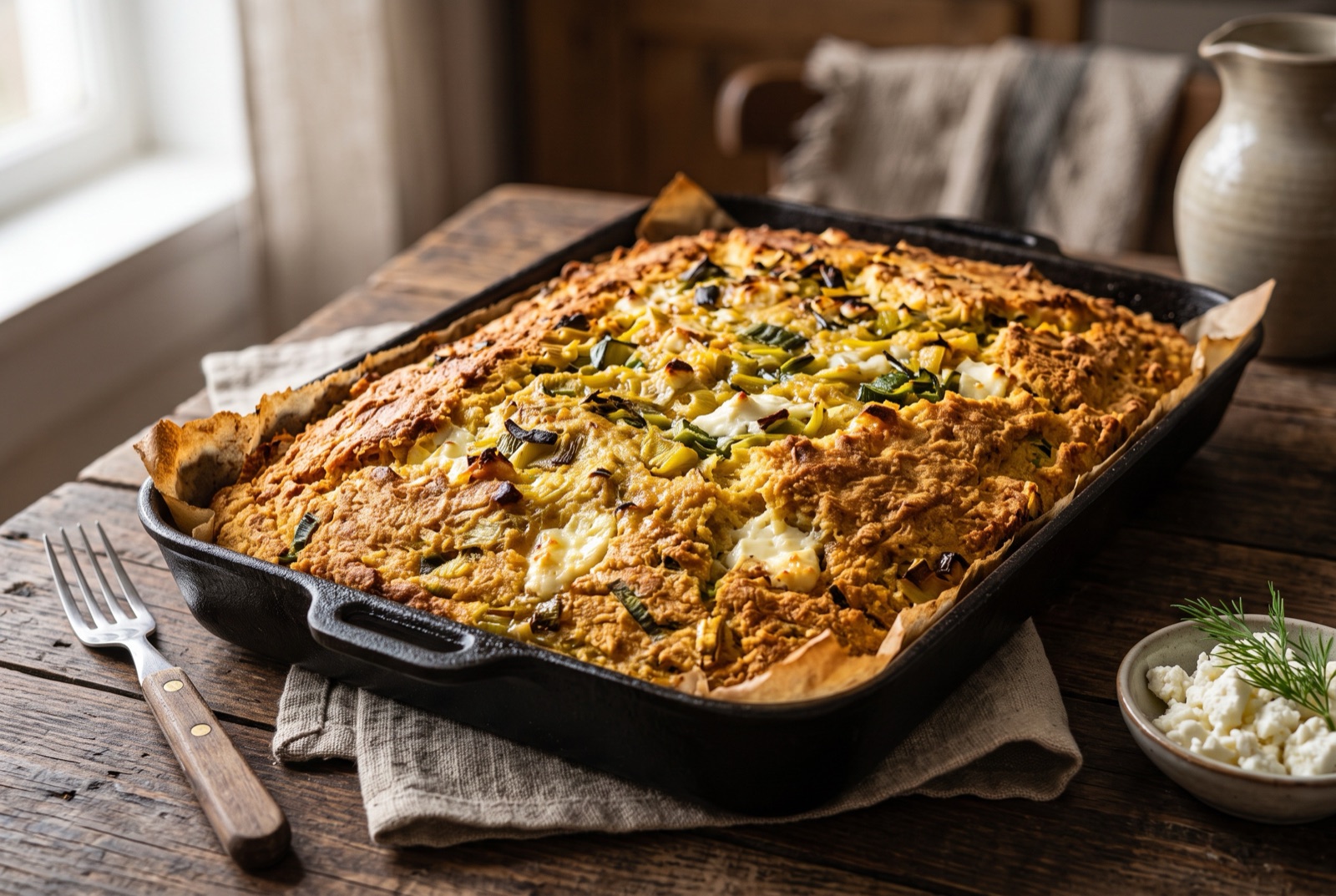
Keep exploring Albania.
Albania has 9 more dishes in the atlas — Byrek me Spinaq and Fërgesë Tirane, and 7 more.
Recipe by The DishRoute Kitchen · published August 20, 2026 · updated August 20, 2026