Portugal.
Portugal
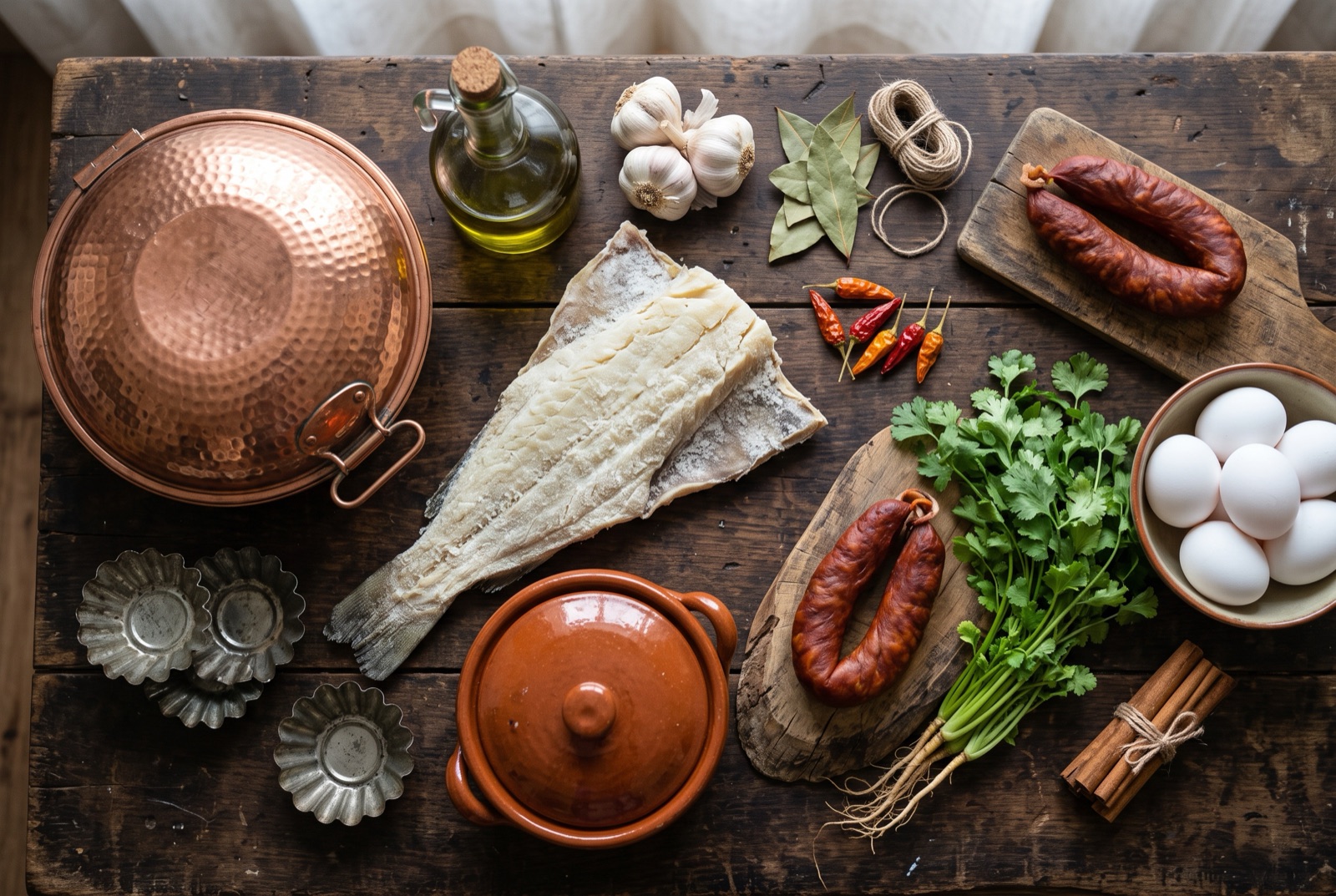
Portuguese cuisine is deceptively humble: olive oil, garlic, onion, bay leaf and coarse salt do most of the talking, and the drama comes from the Atlantic. This is a nation of fish-eaters with a devotion to bacalhau — salted, dried cod — so deep that a folk saying claims there are 365 ways to cook it, one for every day of the year. The Age of Discovery left a quieter mark than you might expect: Portugal ran the world's spice trade for a century, yet kept its own kitchen restrained, absorbing piri-piri chilies, cinnamon and coriander as accents rather than chasing heat for its own sake. What defines the food is honesty — sardines grilled over coals, bread-thickened soups, slow-cooked pork, custard tarts with burnished tops — all cooked with the confidence that good ingredients need very little help.

- Continent
- EuropeIberian Peninsula / Atlantic
- Recipes in atlas
- 10
- Must-try dishes
- 3
- Pantry staples
- 8
Start with the classics.
Must tryThe dishes that explain the Portugal kitchen fastest — if you cook only a few things from this page, cook these.
Inside the Portugal kitchen.
The strangest fact about Portugal's national obsession is that bacalhau does not come from Portuguese waters. Cod lives in the cold North Atlantic, and Portuguese fleets have sailed to fish it off Newfoundland since the early sixteenth century, salting and drying the catch so it survived the voyage home. What began as ship provisioning became identity: the dried, board-stiff fish — affectionately called o fiel amigo, the faithful friend — hangs in every market, and reviving it with a long freshwater soak is a ritual every Portuguese cook knows. The "365 recipes" line is a saying, not an inventory, but the underlying truth is real: bacalhau appears boiled with chickpeas, baked under cream, fried in fritters, and scrambled with eggs and potatoes as bacalhau à Brás.
Almost every savory dish begins the same way, with a refogado: onion and garlic sweated slowly in olive oil, often with a bay leaf, until sweet and translucent. It is the flavor base of the soups, the rice dishes, the bean stews and the tomato-laced seafood pots. Portuguese olive oil is not a garnish but a staple used in quantity, and a final thread of it, raw, finishes everything from caldo verde to boiled fish.
The Age of Discovery shaped the pantry in documented, traceable ways. Chilies are a New World plant, and it was Portuguese traders who carried them along their routes to Africa and Asia in the sixteenth century; in Mozambique and Angola the small, fierce bird's eye variety took the Swahili-derived name piri-piri and eventually came home as marinades and table sauces. Cinnamon from Ceylon settled permanently into Portuguese desserts — dusted over arroz doce and custard — and fresh coriander, rare elsewhere in Europe, is the default herb of the south.
Pork is the inland anchor: cured chouriço and presunto, roast suckling pig in Bairrada, and the black Iberian pigs of the Alentejo fattened on acorns. Bread is taken seriously enough to become the dish itself — açorda and migas are meals built on yesterday's loaf — and dense corn broa is the standard partner for green soup. Sweets are a category of their own: the conventual desserts, built almost entirely on egg yolks and sugar, are traditionally credited to convent kitchens that had yolks to spare, and pastéis de nata from Belém remain the most famous export. Wine is everyday and regional — light vinho verde in the north, serious reds in the Douro and Alentejo, port and madeira for the cellar.
Signature pantry.
8 staplesThe ingredients this cuisine cannot function without.
- bacalhau (salt cod)
- olive oil
- garlic
- bay leaf
- piri-piri chilies
- chouriço
- fresh coriander
- eggs and cinnamon (for sweets)
How people eat in Portugal.
Lunch is the anchor meal, taken seriously and rarely rushed, with dinner on the later side — eight o'clock or after. When you sit down in a restaurant, the couvert arrives unbidden: bread, olives, sometimes cheese or sardine paste. It is not free — you pay for what you touch, and waving it away is perfectly polite. Coffee means a short, strong bica taken standing at the counter, usually after the meal, never with it. Soup opens dinner in many homes year-round, and celebration has its fixed dishes: boiled bacalhau with cabbage and potatoes on Christmas Eve (the consoada), and sardines grilled in the street for the June saints' festivals, most famously Santo António in Lisbon.
Regional kitchens.
Portugal cooks 4 distinctly different ways depending on where you stand — here is what changes between them.
- R1Lisbon
- The capital's kitchen is the country in miniature: bacalhau à Brás from the Bairro Alto, sardines charring in the streets every June, seafood rice houses along the Tagus, and the original pastéis de nata in Belém.
- R2Porto and the North
- Hearty, generous cooking — caldo verde from the Minho, tripe that earned Porto's citizens the nickname tripeiros, the outrageous francesinha sandwich, and vinho verde and Douro wines to wash it down.
- R3Alentejo
- Portugal's slow-food heartland: bread-based açorda and migas, black pork from acorn-fed pigs, fresh coriander in nearly everything, and porco à alentejana's unlikely marriage of pork and clams.
- R4Algarve
- The sunny south lives from the sea — cataplana pots of clams and fish, grilled everything, almond and fig sweets from the Moorish legacy, and the churrasqueiras of Guia, famed for piri-piri chicken.
All Portugal recipes.
10 recipes and counting
Portugal1 hr 10 min
Arroz de Marisco
Portuguese Soupy Seafood Rice
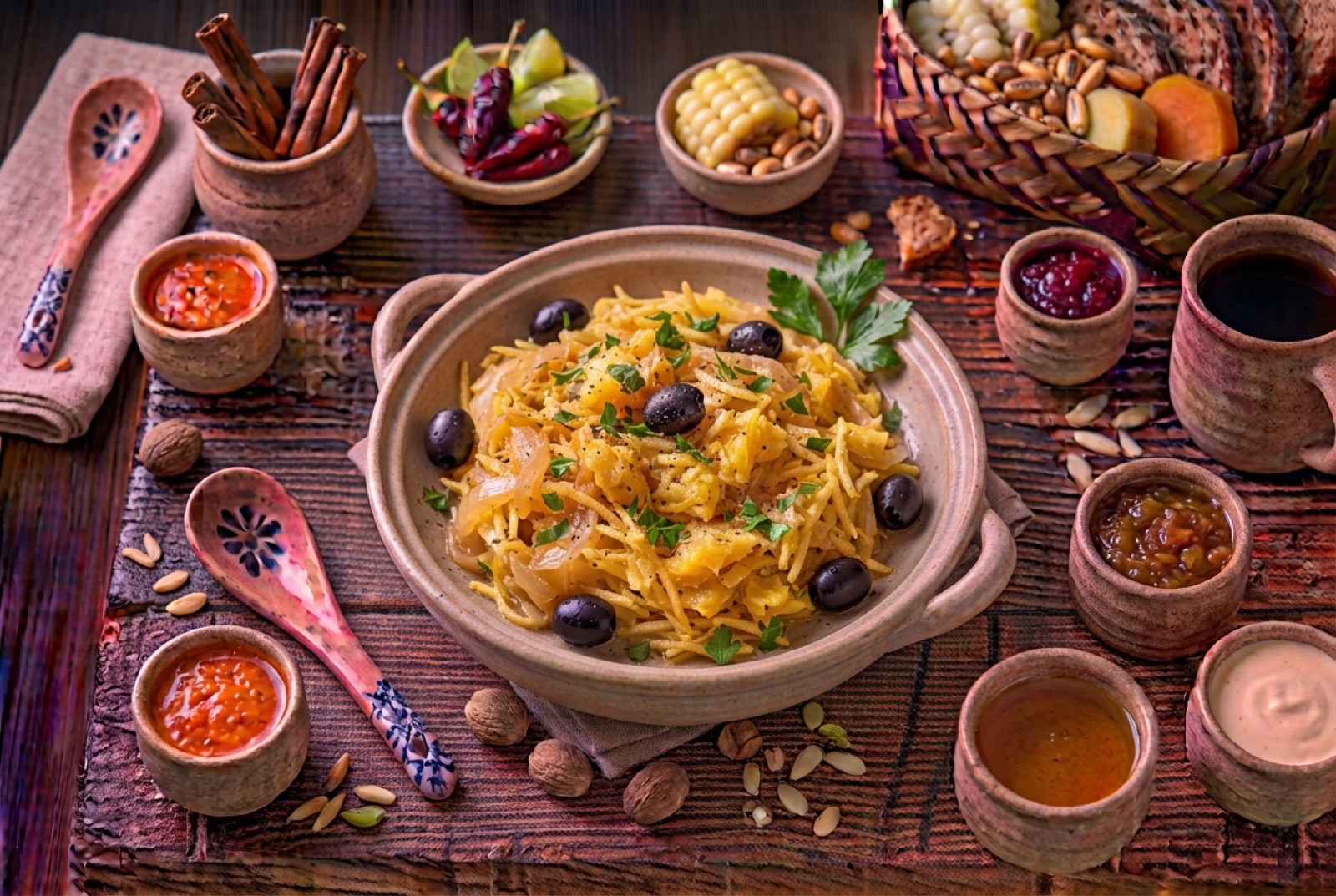
Portugal25 hr
Bacalhau à Brás
Salt Cod with Eggs and Potatoes
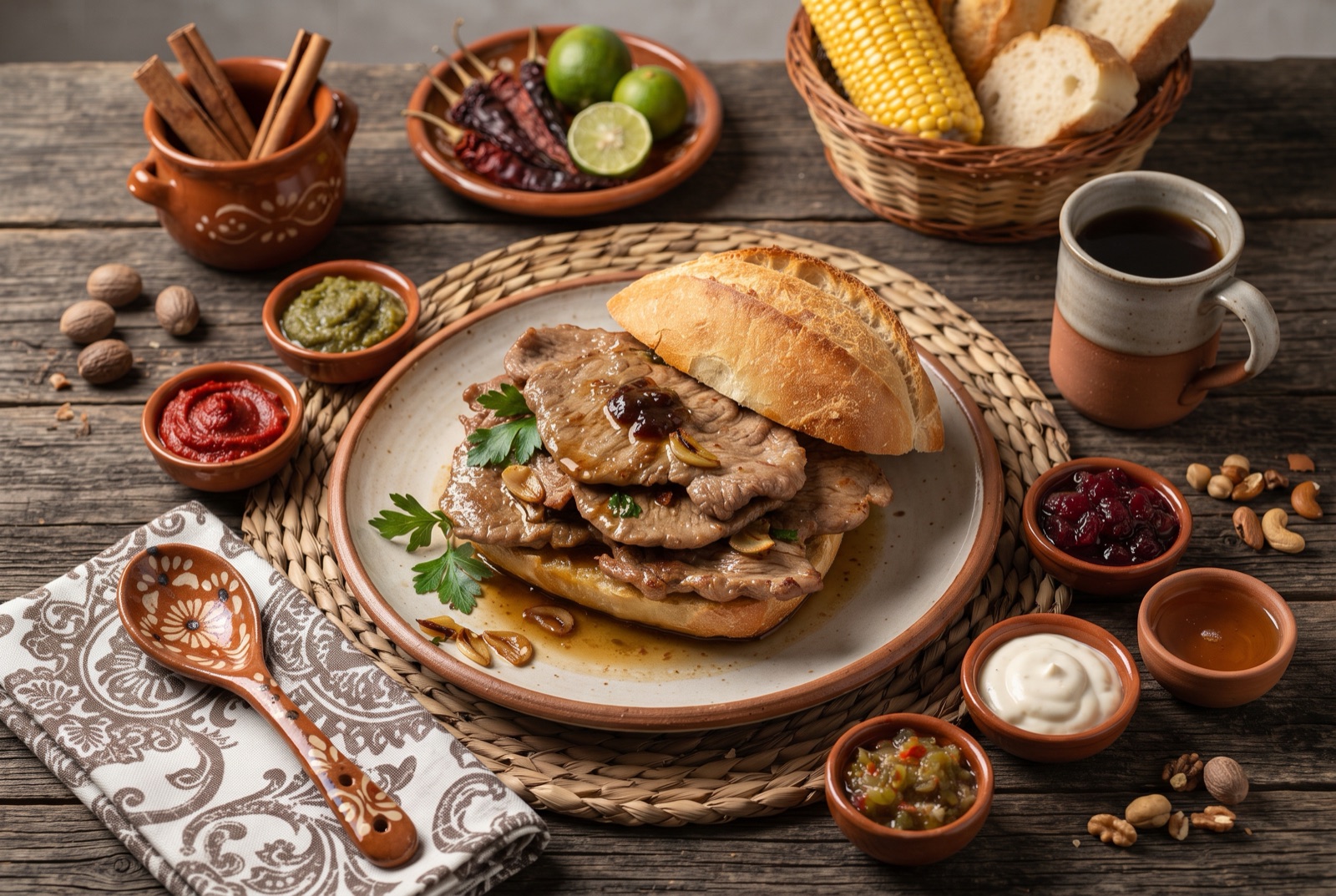
Portugal8 hr 40 min
Bifana
Portuguese Marinated Pork Sandwich
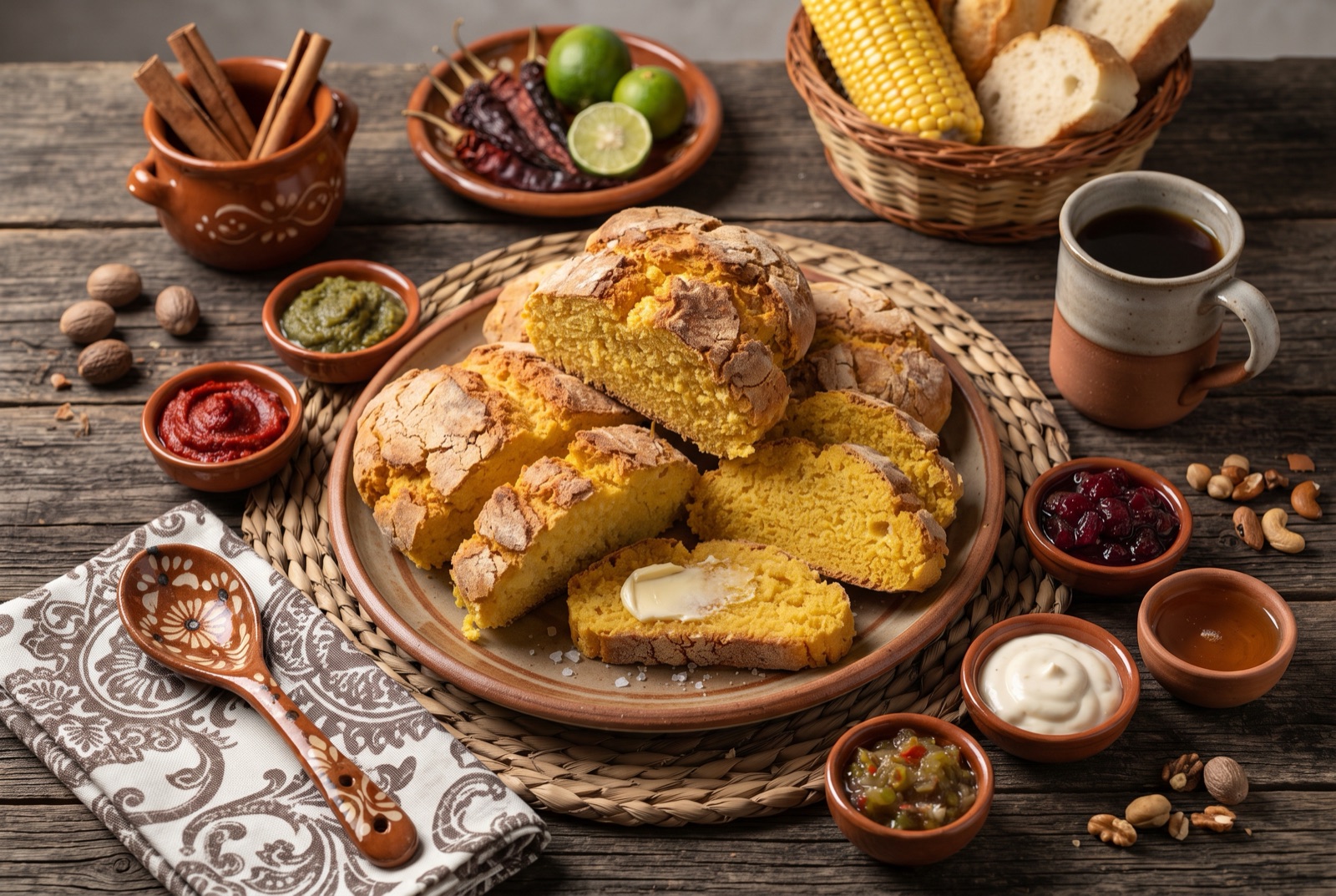
Portugal4 hr 20 min
Broa de Milho
Portuguese Corn and Rye Bread
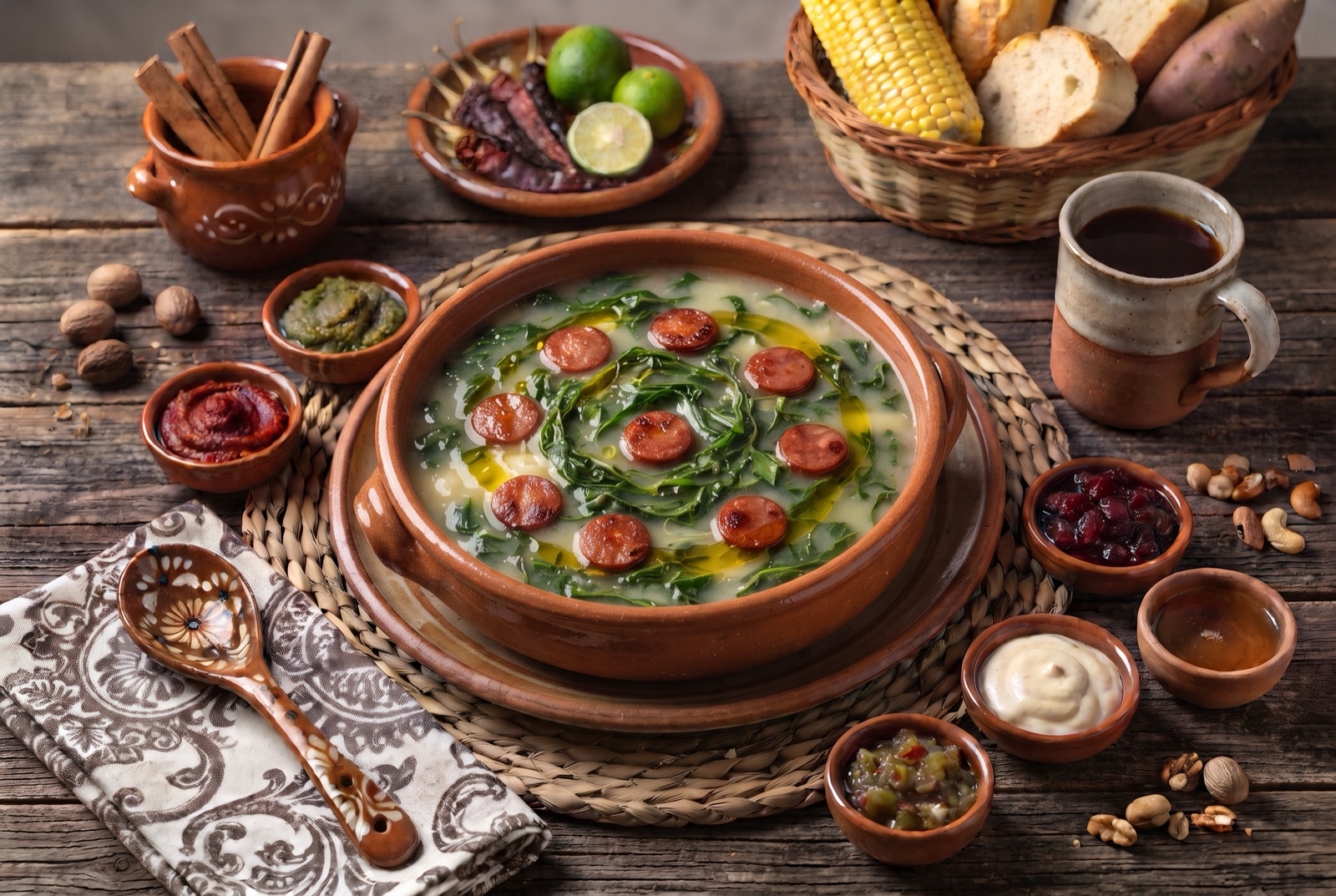
Portugal55 min
Caldo Verde
Portuguese Green Soup
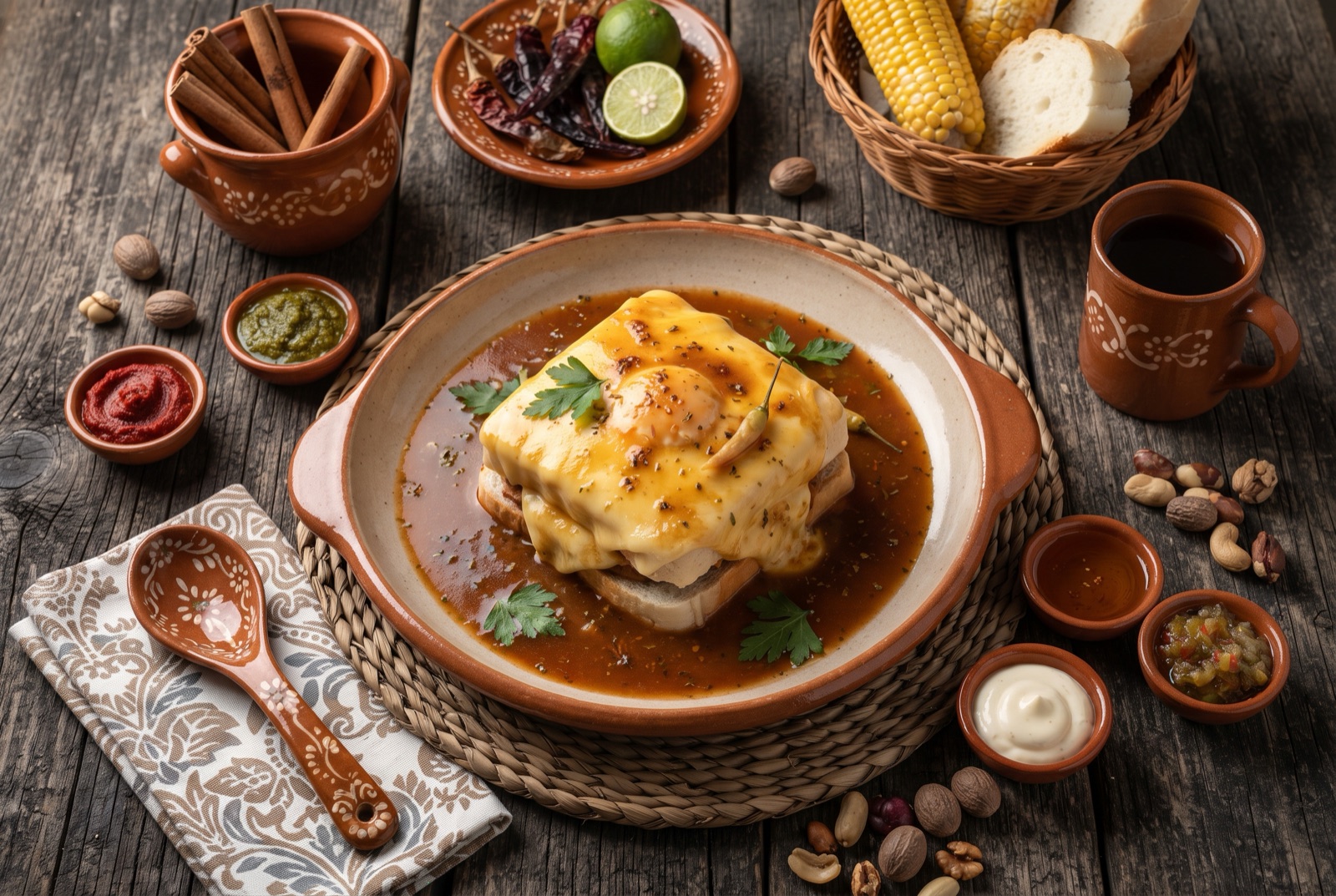
Portugal1 hr 10 min
Francesinha
Porto Sandwich in Beer Sauce
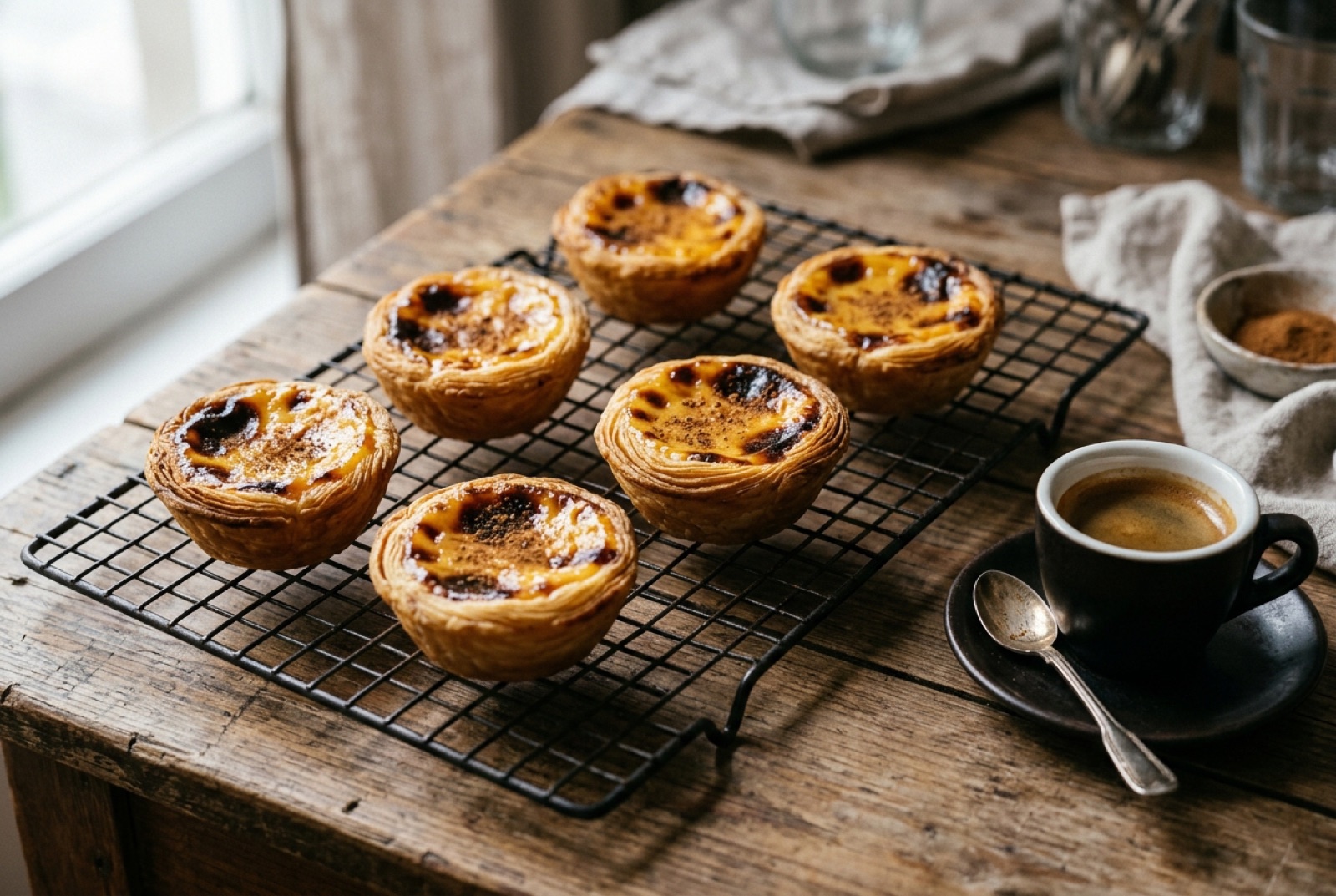
Portugal4 hr 15 min
Pastel de Nata
Lisbon Custard Tart
Portugal1 hr 5 min
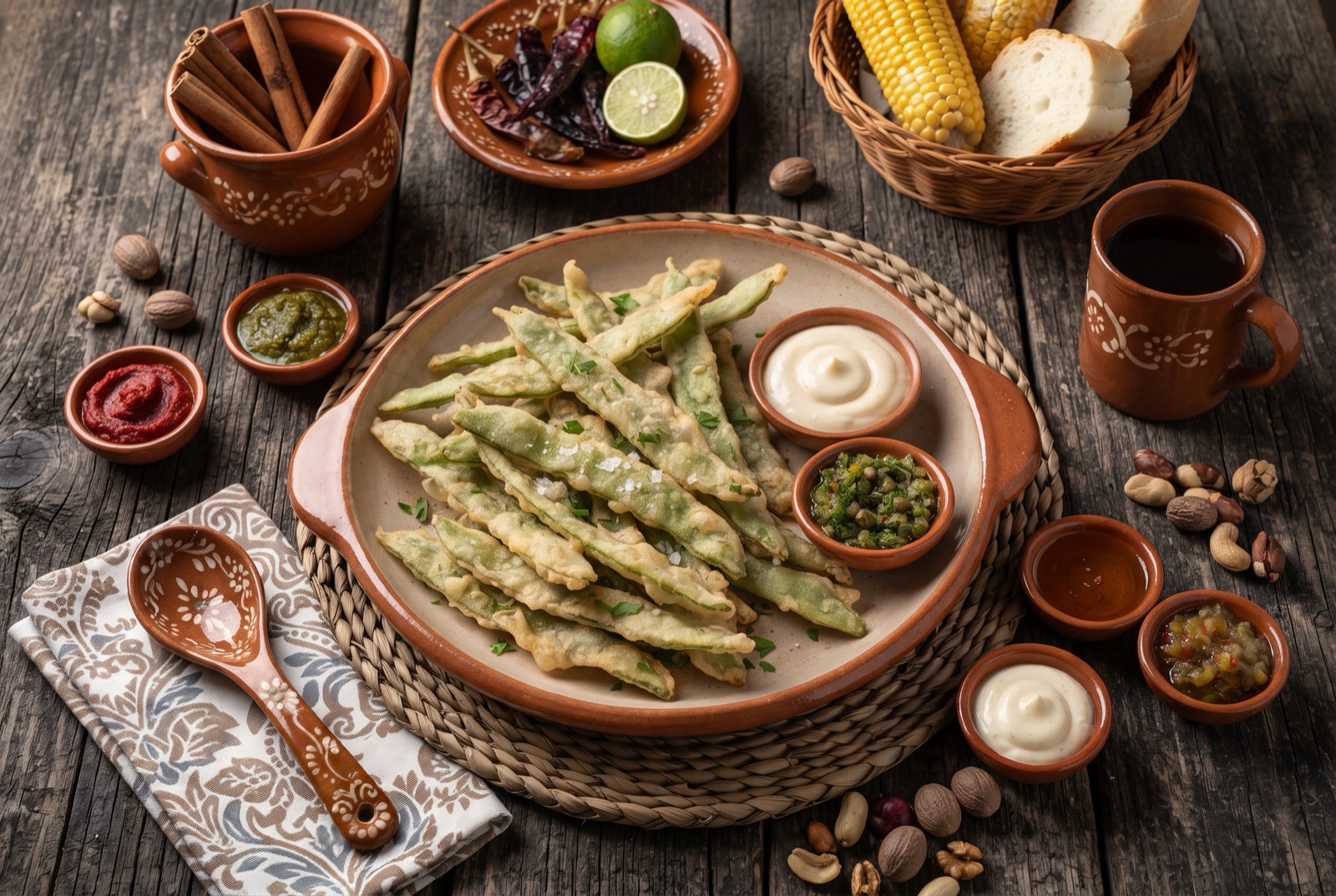
Peixinhos da Horta
Portuguese Battered Green Beans
Portugal5 hr 15 min
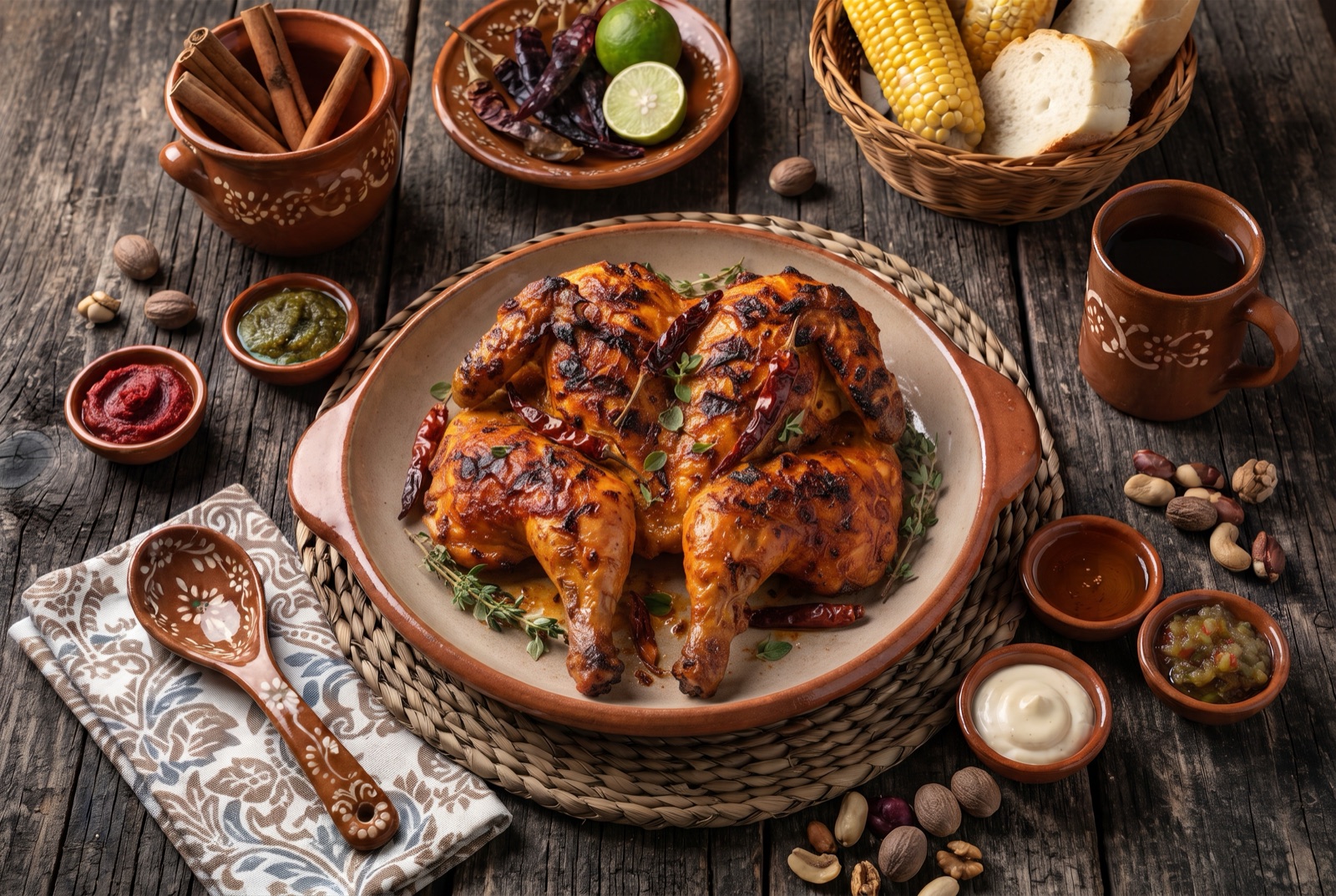
Piri-Piri Chicken
Frango Piri-Piri
Portugal1 hr 27 min
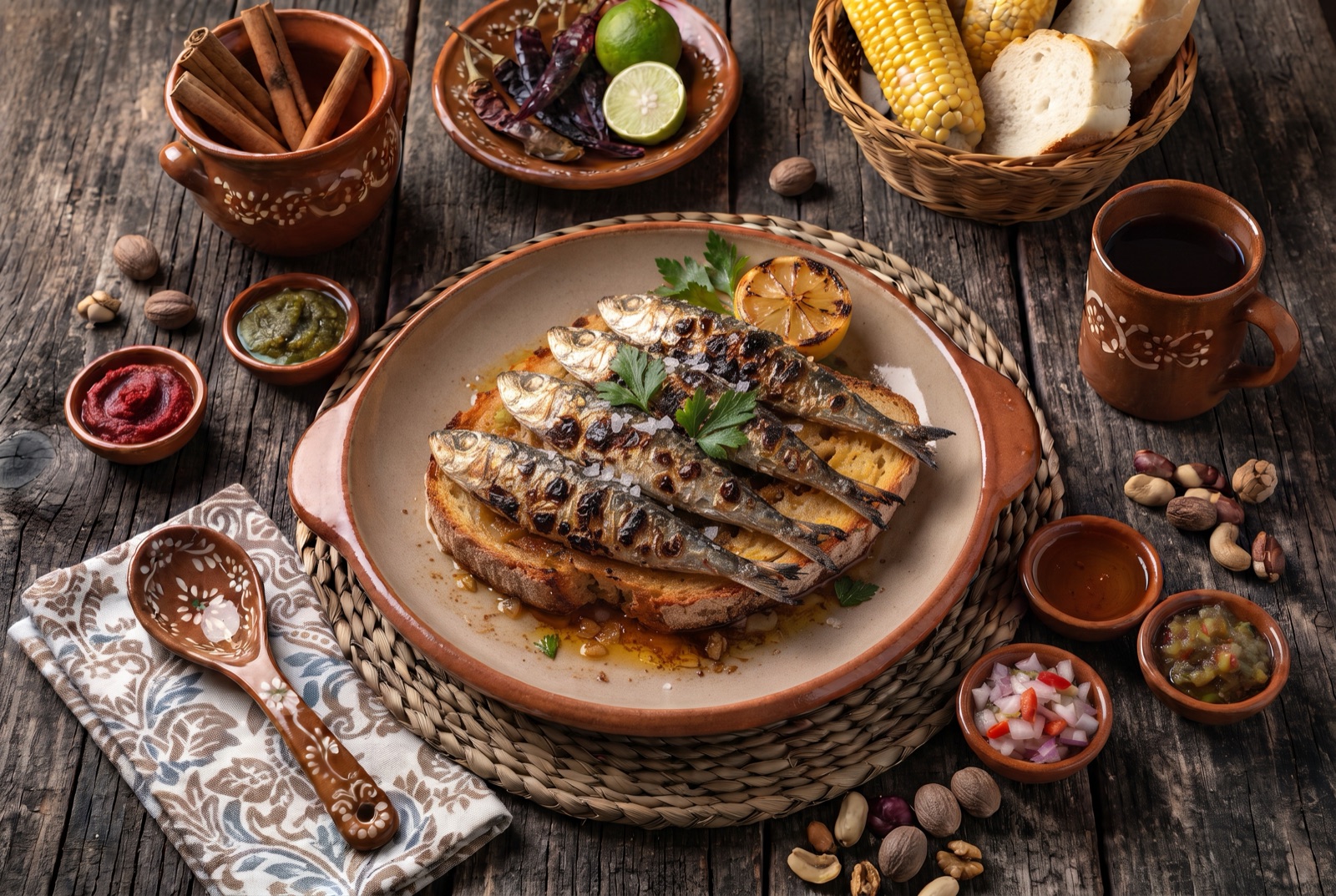
Sardinhas Assadas
Charcoal-Grilled Sardines
Keep traveling.
Portugal sits in Iberian Peninsula / Atlantic, and its kitchen shares borders as well as ingredients with Albania and Austria.
 Albania
 Austria