Curry Goat.
Jamaican Curried Goat
Curry goat · say it: KUH-ree gote
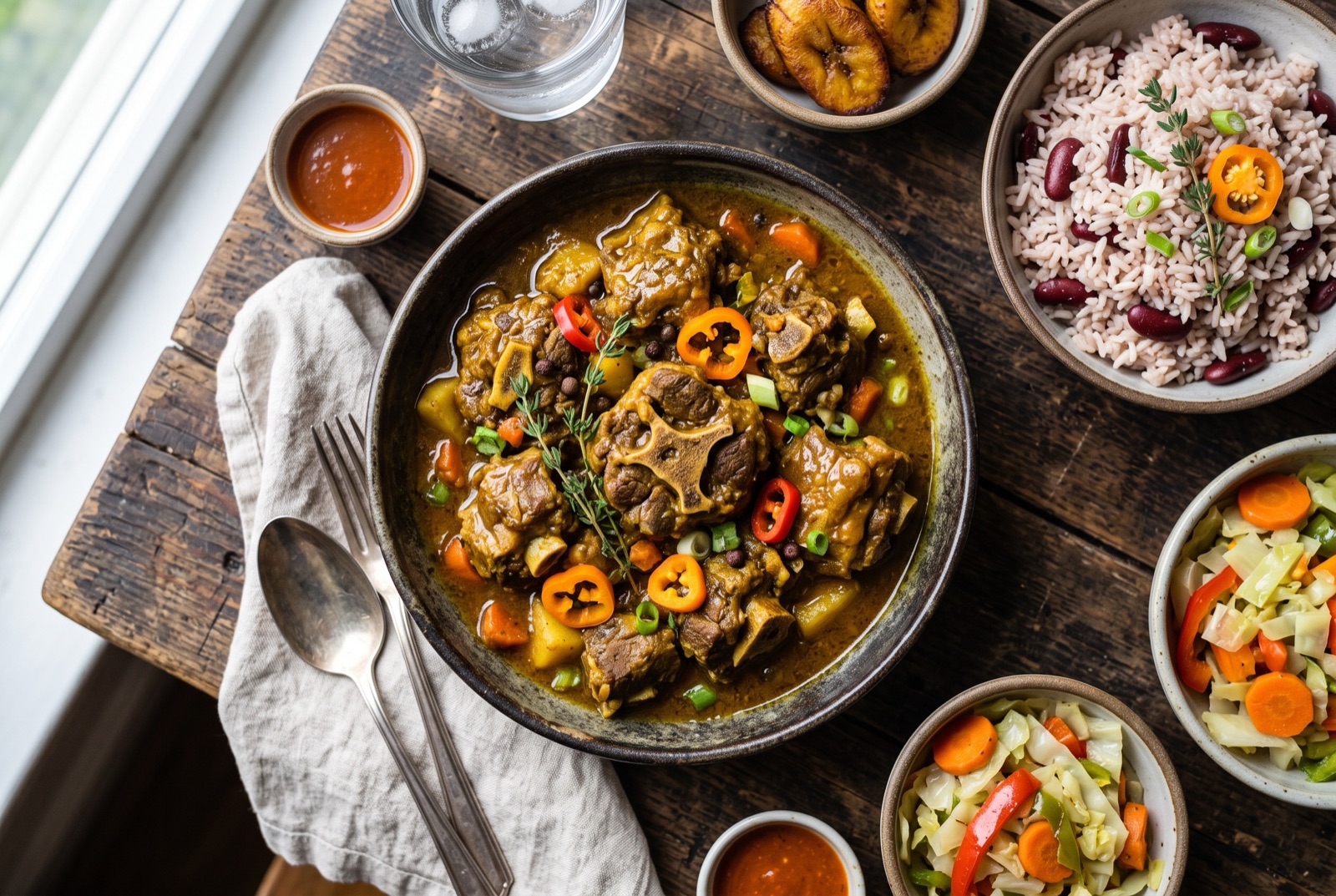
Curry goat is bone-in goat meat slow-simmered in a turmeric-heavy Jamaican curry until the meat slides off the bone and the gravy thickens to a dark yellow, faintly sticky sauce. It does not taste like an Indian curry, despite the shared ancestry: the spice blend leans harder on turmeric and allspice, there is no cream or tomato base, and the aromatics are the same thyme, scallion and Scotch bonnet that run through the rest of the island's savoury cooking. The result is deeply meaty and warm rather than fiery, with the mild gaminess of goat balanced by the pepper and the long cook. It is the dish that shows up at weddings, funerals, church suppers and every large family gathering — cooked in a Dutch pot big enough to feed forty, because nobody makes curry goat for two.

- Gate
- Jamaica
- Prep
- 30 min
- Cook
- 2 hr 30 min
- Total time
- 15 hr incl. 12 hr rest
- Serves
- 6
- Status
- Medium
- Nutrition / serving · estimated
- Calories 480 kcal
- Protein 44 g
- Carbs 20 g
- Fat 24 g
- Fiber 2 g
- Sugar 3 g
- Sodium 850 mg
Why this recipe works.
- Overnight seasoning plus a proper curry burn — the two steps most home versions skip and the two that decide the flavour.
- A cooking time keyed to collagen, not the clock, with a clear doneness test for when the goat is actually ready.
- Uses a whole unburst Scotch bonnet so the heat stays controllable for everyone at the table.
- Works with lamb or mutton if goat is hard to source, with honest notes on how the timing changes.
Ingredients.
16 itemsFor the seasoning
For the pot
Equipment
- Heavy Dutch oven or deep pot with a lid
- Sharp knife
- Large mixing bowl for seasoning
Instructions.
Wash and season the goat
Rub the goat chunks with the cut lime and rinse, then drain well. Toss the meat with 2 tablespoons of the curry powder, the scallions, thyme, garlic, ginger, allspice berries, black pepper and salt until every piece is coated.
Rest overnight
Cover the bowl and refrigerate for at least 8 hours, preferably overnight. The meat will darken and the seasoning will draw out some liquid, which goes into the pot with it.
Burn the curry
Heat the oil in a heavy pot over medium-high heat, then stir in the remaining 2 tablespoons of curry powder. Fry for 60 to 90 seconds, stirring constantly, until it darkens to rusty gold and smells toasted rather than dusty.
Tip If it starts smelling acrid or turns brown-black, it has gone too far — start again, since burnt curry taints the whole pot.
Sear the meat
Tip in the seasoned goat and all its marinade and stir hard so every piece is coated in the dark oil. Let it fry for 8 to 10 minutes, stirring occasionally, until the meat has stiffened and lost its raw pink edges.
Add onion and liquid
Stir in the sliced onions and cook 3 minutes until they soften, then pour in the water or stock so the meat is just covered. Drop in the whole Scotch bonnet and bring to a gentle boil.
Simmer low and long
Turn the heat down until the surface barely trembles, cover, and cook for 2 hours. Stir every 30 minutes and top up with a little hot water if the level drops below the meat.
Tip Check the Scotch bonnet each time you stir and remove it the moment its skin splits.
Add the potatoes
Lift out the Scotch bonnet, add the potato chunks and the optional turmeric, and simmer uncovered for 30 minutes more until the potatoes are tender and the gravy has reduced enough to coat a spoon.
Check and serve
The goat is ready when it pulls off the bone under gentle pressure and the gravy feels faintly sticky on the lips. Taste for salt, pull out the thyme stems, and serve over rice with plenty of gravy.
Tips from our kitchen.
- Buy goat cut through the bone, not boneless. The marrow and connective tissue are what turn the liquid into gravy instead of soup.
- Season the meat the night before. Twelve hours in the fridge with thyme, scallion, garlic and curry powder does more than any amount of extra simmering.
- Burn the curry powder in hot oil for a full minute before the meat goes in — it should darken to a rusty gold and smell toasted, not dusty.
- Drop the Scotch bonnet in whole and unpierced, and lift it out before serving. If it bursts in the pot the dish becomes seriously hot.
- Add the potato only in the last 30 minutes. Any earlier and it dissolves completely into the gravy.
- If the gravy is thin at the end, lift the meat out and boil the liquid hard for five minutes rather than adding flour or cornstarch.
Substitutions.
- Goat → Bone-in lamb shoulder or mutton, same weight
- Lamb is fattier and cooks faster — check it at 90 minutes. Mutton behaves almost identically to goat and needs the full time.
- Jamaican curry powder → Madras curry powder plus 1 tsp extra turmeric and 1 tsp ground allspice
- Jamaican blends are more turmeric-forward and contain pimento. This gets close, though the colour will be slightly less yellow.
- Scotch bonnet → Whole habanero, or half a red bell pepper for no heat at all
- The bell pepper contributes nothing but a little sweetness — the dish stays authentic in method if not in bite.
Variations.
- Curry chicken
- The weeknight version. Same seasoning and curry burn with bone-in chicken thighs, simmered 35 to 40 minutes instead of two hours.
- Curry mutton
- Older Jamaican cooks often prefer mutton for its stronger flavour. Treat it exactly like goat, allowing an extra 20 to 30 minutes.
- Pressure cooker curry goat
- Season and burn the curry as written, then pressure cook for 35 minutes at high pressure. Reduce the gravy uncovered afterwards to get the texture back.
Storage & reheating.
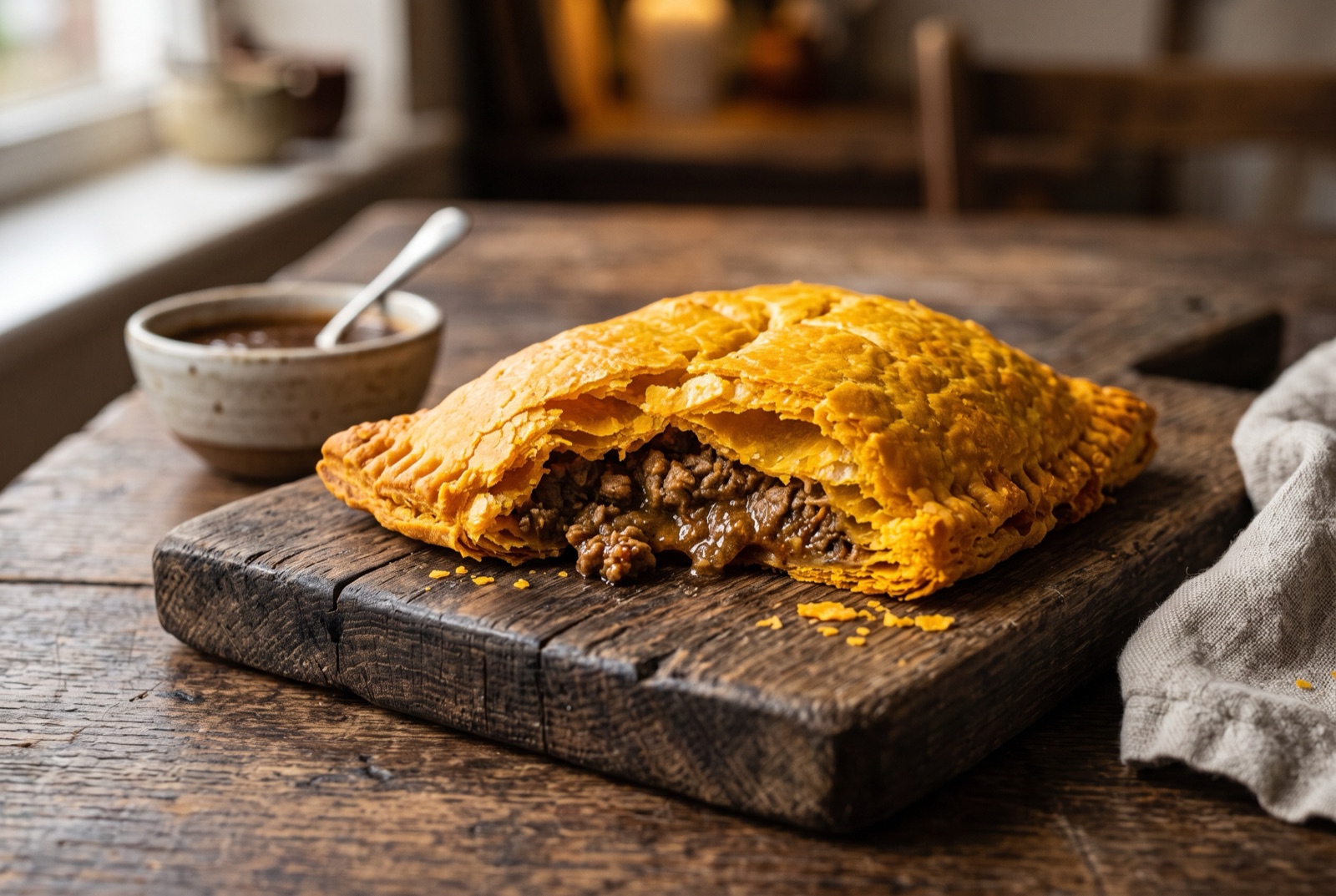
Curry goat improves overnight and keeps 4 days refrigerated — the gravy sets to a soft jelly when cold, which is a sign you got the collagen right. Reheat gently on the stove with a splash of water, stirring so the bottom does not catch. It freezes very well for up to 3 months; freeze it with plenty of gravy so the meat does not dry out, and thaw in the fridge before reheating. Leftover meat picked off the bone makes an excellent patty filling.
Serve with
White rice or rice and peas, fried plantain and a slice of hard dough bread to mop the gravy.
The story behind Curry Goat.
Curry arrived in Jamaica with indentured labourers from India, brought to the island in large numbers after the abolition of slavery in the 1830s to work the sugar estates. They carried their spice blends, their techniques and their cooking pots, and over generations those blends were reworked with what Jamaica already had. The commercial Jamaican curry powders sold today — Betapac, Chief and their competitors — are the descendants of that adaptation: much more turmeric, allspice folded in, and generally milder ground chile than a South Indian blend, because heat in Jamaica comes from fresh Scotch bonnet rather than dried pepper.
Goat became the meat of choice for practical reasons. Goats thrive on rough hillside land that will not support cattle, they were affordable, and the tougher cuts reward exactly the kind of long, low simmering that Jamaican cooks were already doing with oxtail and other hard-working muscle. The bone matters as much as the meat: neck, shoulder and leg cut through the bone release marrow and gelatin that give the gravy its body, which is why butchers in Jamaican neighbourhoods sell goat pre-cut into chunks rather than boned out.
The technique that separates a good pot from a flat one is burning the curry. The powder goes into hot oil alone, or with the seasoned meat immediately after, and is stirred for a minute or two until it darkens, loses its raw dusty smell and starts to smell toasted. Skip that step and the finished gravy tastes chalky no matter how long it simmers. Beyond that, the dish is about patience — two to three hours at a bare simmer — and about the whole Scotch bonnet dropped in unburst, fished out before serving, so the pot gets the pepper's fruit and aroma without the full weight of its heat. Served over white rice or rice and peas with a hunk of bread, it is Jamaica's celebration food.
Questions, answered.
What does it mean to "burn" the curry powder?
It means frying the dry curry powder in hot oil for one to two minutes before anything else goes in the pot, until it darkens from bright yellow to rusty gold and the smell changes from dusty to toasted. This cooks off the raw starch and volatilises the spice oils. Skipping it leaves a chalky, powdery taste that no amount of simmering will fix.
How long does goat actually need to cook?
Two to three hours at a bare simmer, depending on the age of the animal and the cut. The test is not the clock but the meat: it is ready when a piece pulls away from the bone with gentle pressure from a spoon and the gravy has gone slightly sticky on the lips from dissolved collagen. Undercooked goat is chewy and springy, and the only cure is more time.
Will the whole Scotch bonnet make the dish too hot?
Not if it stays intact. Left whole and unpierced, the pepper releases its fruity aroma and only a moderate amount of heat into the liquid. Remove it before serving. If it splits during cooking, the capsaicin floods the pot and the curry becomes much hotter, so lift it out the moment you see the skin break.
Where do I find goat meat?
Caribbean, halal, West African and South Asian butchers all carry it, usually cut through the bone into stewing chunks and sometimes labelled mutton in older shops. Ask for shoulder, neck or leg pieces on the bone. If nothing is available locally, bone-in lamb shoulder is the closest substitute and needs about 30 minutes less cooking.
Can I make it the day before?
Yes, and it is better for it. Cook the curry completely, cool it and refrigerate overnight so the spices settle and the gravy thickens. Reheat over low heat with a splash of water. This is exactly how it is handled for large gatherings, where the pot is cooked a day ahead and warmed through on the day.
You might also like.
All recipes →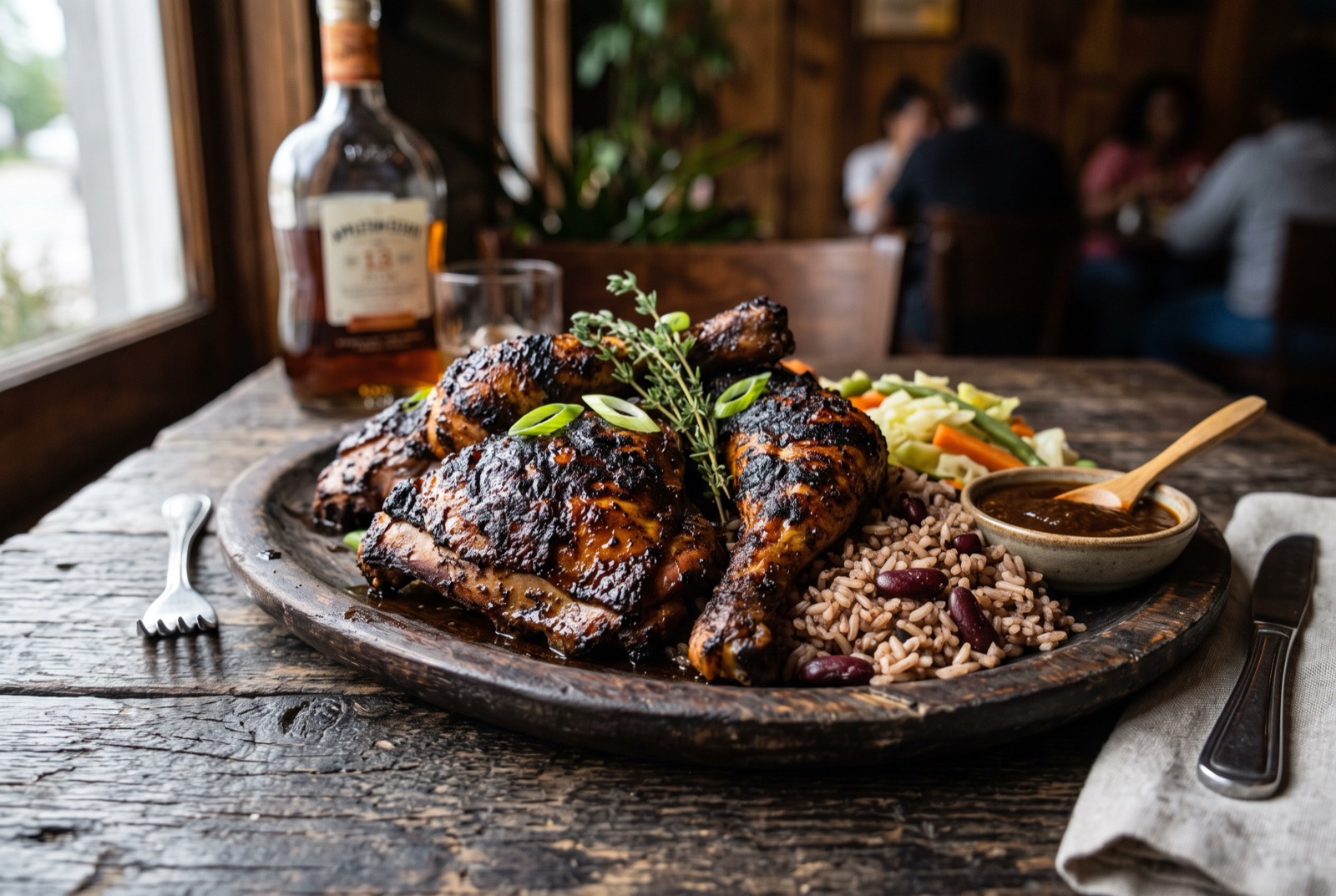
Keep exploring Jamaica.
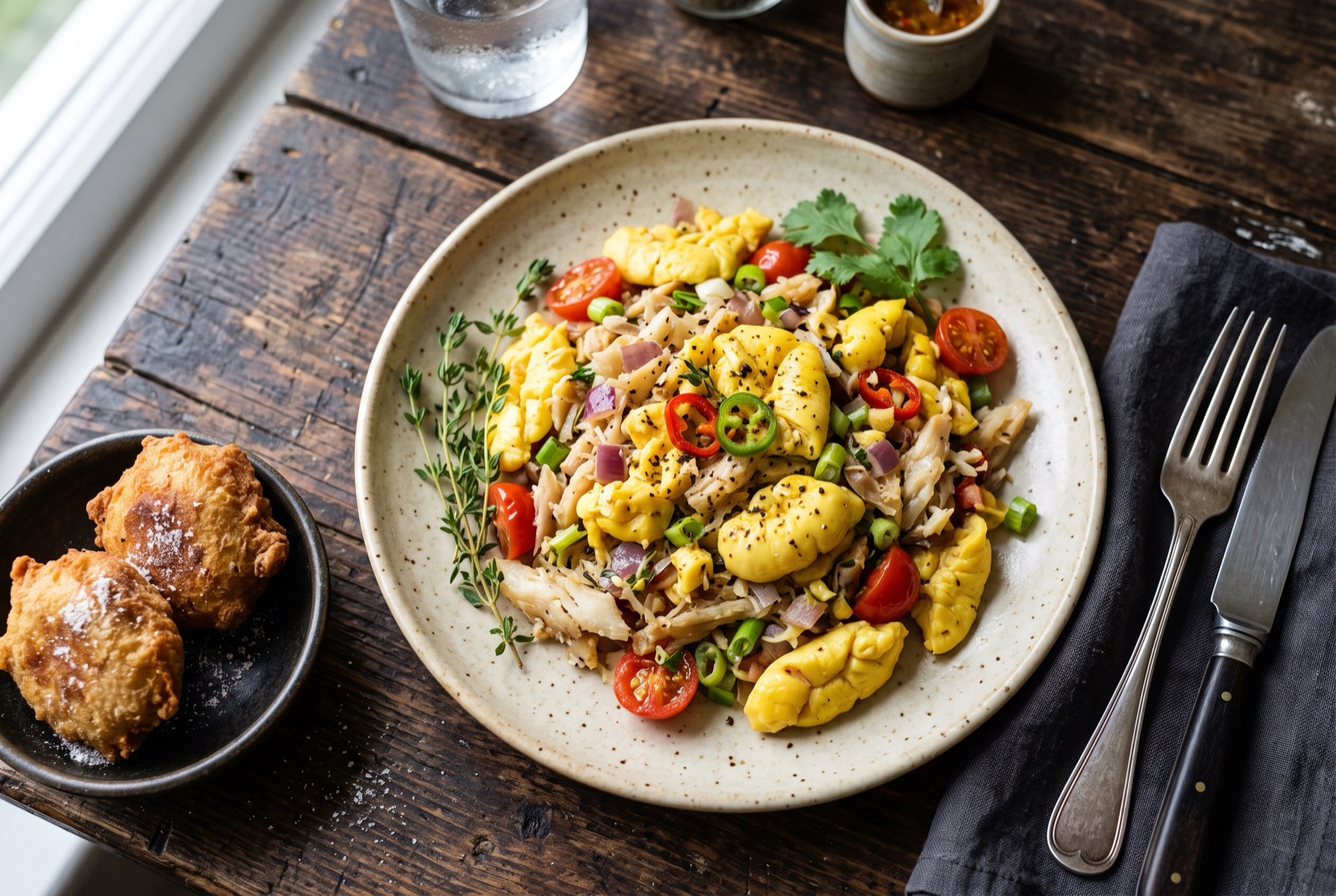
Jamaica has 9 more dishes in the atlas — Ackee and Saltfish and Brown Stew Oxtail, and 7 more.
All Jamaica recipes Goat recipes Curry powder recipes Scotch bonnet recipes maindairy freegluten freehalal friendlyRecipe by The DishRoute Kitchen · published August 20, 2026 · updated August 20, 2026