Ugali.
Kenyan Maize Meal Staple
Ugali · say it: oo-GAH-lee
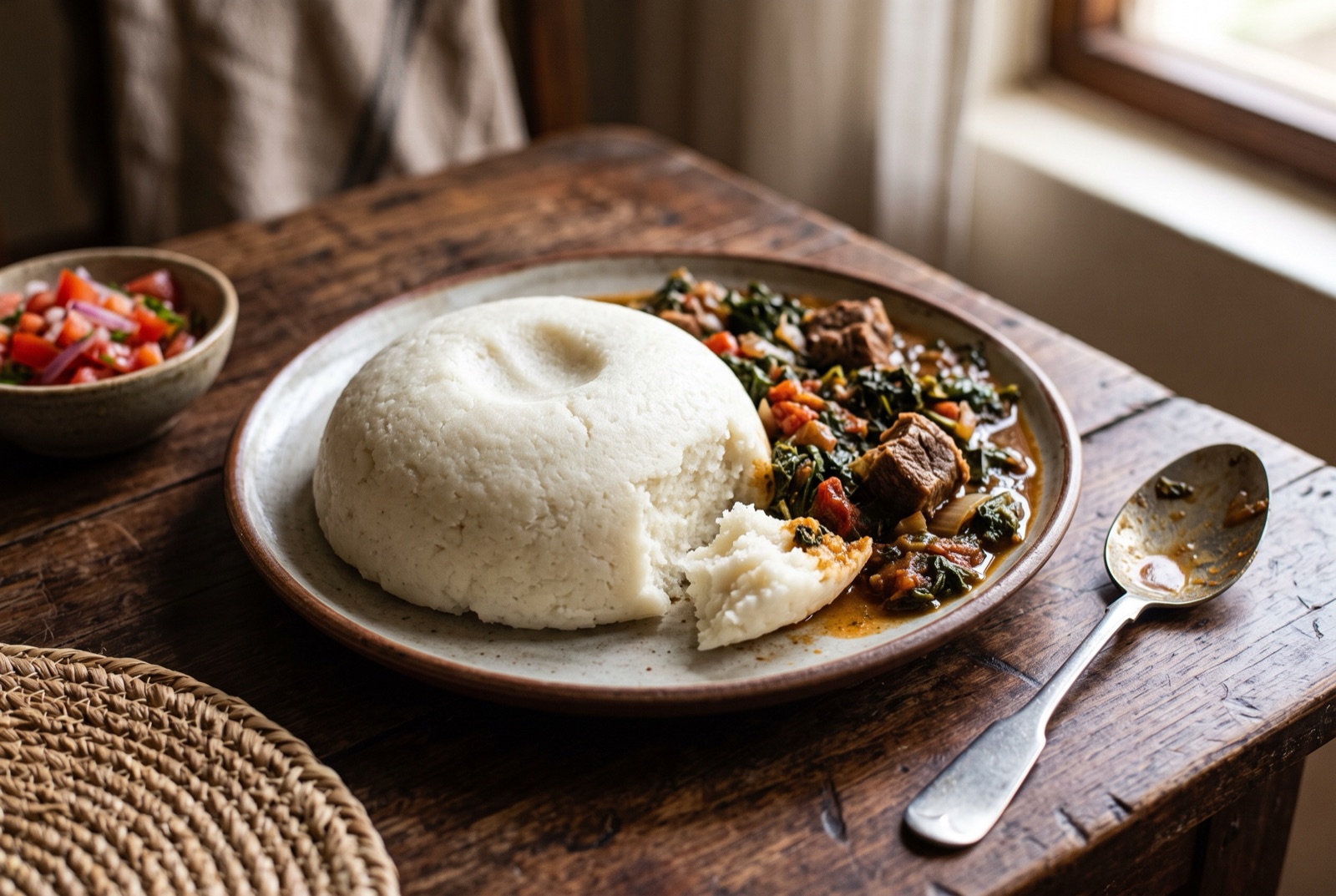
Ugali is white maize flour cooked into water until it becomes firm enough to slice, and it is the plate rather than a dish on it. Made properly it is smooth, dense and faintly sweet, with the clean grain flavour of maize and no salt at all in most Kenyan homes — its job is to carry the seasoning of whatever it is eaten with. Two ingredients and one technique are all it takes, but the technique is real work: the flour goes in gradually and gets pressed and folded against the sides of the pan until the mixture stops smelling raw and starts pulling away in one mass. Torn off in pieces, dented with a thumb and used as a scoop, it turns braised greens, beans or grilled meat into a full meal.

- Gate
- Kenya
- Prep
- 2 min
- Cook
- 20 min
- Total time
- 25 min incl. 3 min rest
- Serves
- 4
- Status
- Easy
- Nutrition / serving · estimated
- Calories 290 kcal
- Protein 6 g
- Carbs 64 g
- Fat 2 g
- Fiber 4 g
- Sodium 10 mg
Why this recipe works.
- Two-stage method — a smooth slurry first, then the bulk of the flour — which is how lumps are avoided.
- Names the exact texture cues Kenyan cooks use rather than relying on a timer.
- Gives the flour-to-water ratio for firm eating ugali and tells you how to shift it softer.
- Explains what to do with the leftover slab, which is a genuine second meal rather than a waste.
Ingredients.
4 itemsEquipment
- Heavy-based saucepan
- Balloon whisk
- Flat wooden spoon or ugali paddle (mwiko)
- Round-bottomed serving bowl
Instructions.
Boil the water
Bring the water to a hard, rolling boil in a heavy saucepan over high heat. It must be moving vigorously before any flour goes in, or the maize will seize into lumps the moment it lands.
Whisk in a slurry
Rain in about a third of the maize flour in a thin stream, whisking without stopping, until the mixture is completely smooth and looks like thin porridge. Let it bubble for 3 minutes, whisking now and then, so the starch begins to swell.
Add the rest of the flour
Lower the heat to medium and add the remaining flour in three or four handfuls, swapping the whisk for a flat wooden spoon. After each addition the mass should thicken noticeably and start clumping around the spoon.
Tip Keep a little flour back — different brands absorb differently and you may not need all of it.
Press and fold
Work the ugali for 10 to 12 minutes, pressing it against the side of the pan and folding it back on itself so every part meets the hot metal. It is ready when it smells toasty rather than raw, comes away in one mass and leaves the pan almost clean.
Tip A wooden spoon stood upright in the centre should stay standing. If it leans over, keep working.
Shape and turn out
Wet a round-bottomed bowl with cold water, scrape the ugali into it and press it down firmly, rotating the bowl to smooth the surface. Rest for 3 minutes, then invert onto a plate — it should drop out as a clean dome.
Serve hot
Bring it to the table whole and let people tear pieces off with the right hand. Serve with sukuma wiki, a bean stew or grilled meat, and eat it while it is still warm and pliable, since ugali stiffens fast as it cools.
Tips from our kitchen.
- Use fine white maize flour sold as unga or maize meal. Coarse cornmeal and polenta behave differently and give a gritty, porridge-like result.
- Add the first portion of flour to water that is at a full rolling boil and whisk immediately; lukewarm water is the main cause of lumps.
- Switch from a whisk to a flat wooden spoon or paddle once it thickens, and press the mass against the side of the pan rather than stirring in circles.
- Judge doneness by smell and pull: no raw flour smell, and the ugali comes away leaving the pan almost clean.
- Wet the serving bowl before turning the ugali into it and the finished dome will slide out without sticking.
- Keep the cooked pan soaking in water straight away — dried maize starch sets like plaster.
Substitutions.
- White maize flour → Yellow maize meal, or fine millet flour
- Yellow meal gives a sweeter, more corn-forward ugali. Millet flour makes the older western Kenyan style: darker, denser and slightly tangy.
- Plain water → Half water, half whole milk
- Not traditional, but a soft milk-cooked version is sometimes made for young children and for anyone who finds plain ugali too austere.
Variations.
- Ugali wa mtama
- Made with sorghum or finger millet flour instead of maize, giving a grey-brown cake with a faint sourness. Common in western Kenya and considered more nutritious.
- Soft ugali
- Slacker in texture, cooked with roughly a quarter more water and eaten with a spoon rather than pinched by hand — usual for breakfast and for children.
- Fried ugali slices
- Yesterday's slab cut into fingers and fried in a little oil until the outsides crisp and blister — the standard fate of leftovers.
Storage & reheating.
Cooked ugali keeps 2 days covered at room temperature in a cool kitchen, or 4 days refrigerated, though it firms up considerably and loses its softness. Reheating it as a slab rarely works well; the standard approach in Kenyan homes is to slice it thick and fry the pieces in a film of oil until they crisp, or to crumble it into hot milk or tea. It freezes poorly, turning crumbly and dry once thawed, so cook the amount you plan to eat and treat the remainder as tomorrow's fried breakfast.
Serve with
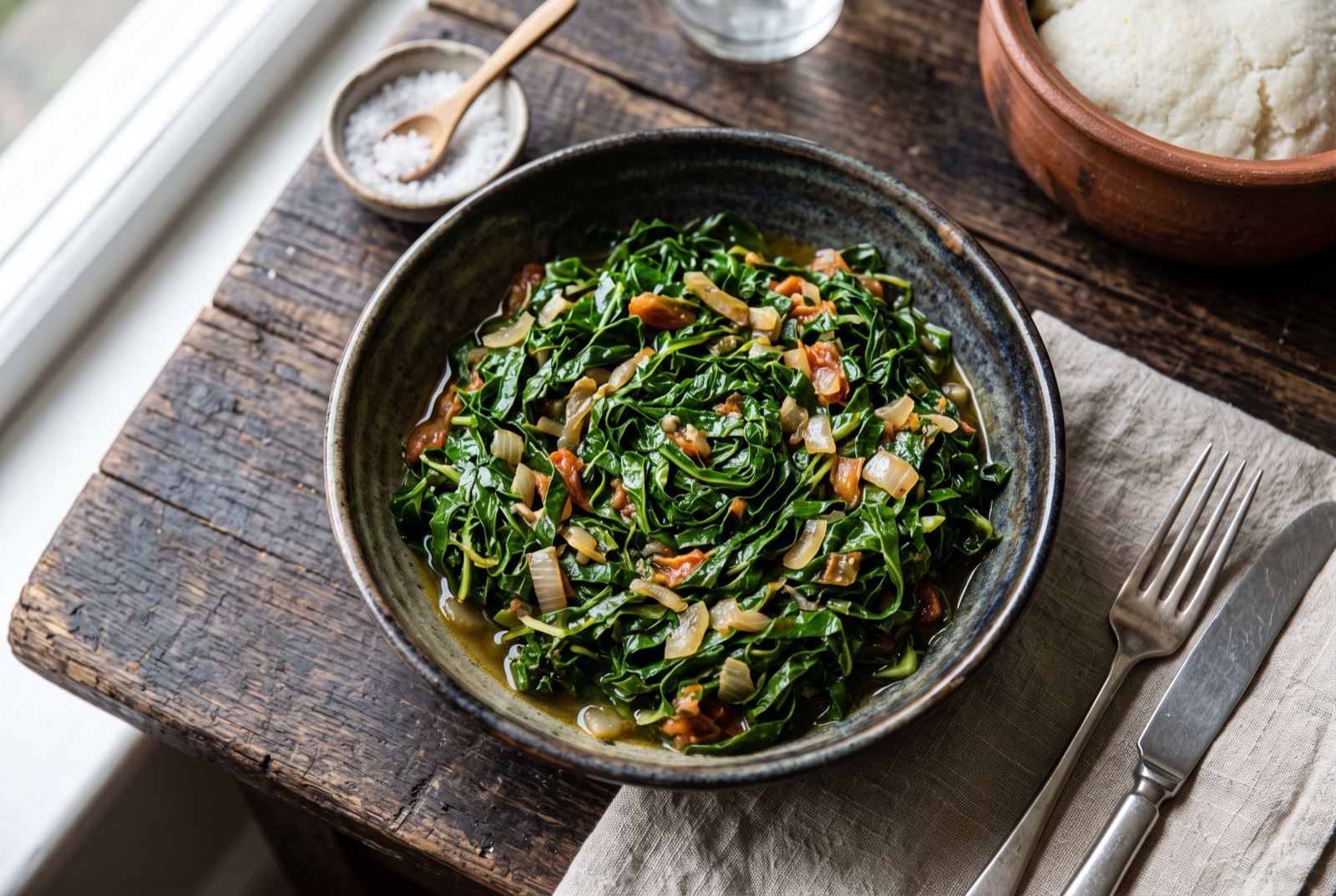
Sukuma wiki and a bean or meat stew, with any sauce spooned over the ugali as you go.
The story behind Ugali.
Maize is not an ancient African crop, which makes ugali's dominance a fairly recent development. Sorghum, finger millet and cassava fed East African households for centuries, and stiff porridges were made from all of them long before maize existed on the continent. Maize spread through the region after Portuguese contact and then became the crop the colonial administration promoted and the milling industry was built around, until white maize flour — unga — was cheap, everywhere, and the thing people meant when they said food. Older ugali made from millet still appears in western Kenya, darker and more sour-tasting, and many cooks consider it the better version.
The name shifts with the language. Ugali is Swahili; it is ngima in Kikuyu, kuon among the Luo, obusuma in Luhya kitchens and posho across the border in Uganda, while neighbouring countries know close relatives as nsima, sadza and pap. What varies with them is the stiffness. Western Kenya generally likes it firm enough to stand a wooden paddle in and slice like a cake, while a softer, wetter version turns up elsewhere and gets quietly judged for it.
The cultural weight is out of proportion to the ingredient list. A meal without ugali is widely felt not to count as a proper meal, however much meat or rice was on the plate, and the phrase for the household budget in much of Kenya is simply the price of unga — a figure political enough to bring people into the streets when it rises. Cooking it is also one of the first kitchen skills children are given, because the only way to learn how stiff is stiff enough is to feel the paddle drag.
Questions, answered.
Why is my ugali lumpy?
The flour hit water that was not boiling hard enough, or it went in too fast. Bring the water to a genuine rolling boil, rain in the first portion of flour in a thin stream while whisking constantly, and let that slurry bubble before adding the rest. Any lumps that survive can be crushed against the side of the pan with a wooden spoon while it cooks.
How stiff should ugali be?
Firm enough to hold a shape and be torn with fingers, but not dry or crumbly. The test cooks use is the paddle: stand a wooden spoon upright in the middle of the mass and it should stay there. If yours slumps, cook a few minutes longer or work in a little more flour; if it is dense and cracking, you have gone too far and need slightly more water next time.
Is ugali the same as polenta, pap or nsima?
They are relatives, not twins. All are maize-based porridges, but Kenyan ugali is made from fine white maize flour and cooked much stiffer than Italian polenta, which uses coarser yellow grain and stays soft. South African pap and Malawian nsima are far closer, differing mainly in how finely the maize is milled and how stiff each country prefers the result.
Should I add salt or butter to ugali?
Traditionally no. Ugali is cooked plain because it functions as the neutral carrier for salty, fatty stews, and salting it flattens that contrast. Adding a small pinch of salt is not a scandal and some households do it, but butter or oil changes the texture and stops it holding together properly for scooping.
How do I eat ugali by hand?
Tear off a piece about the size of a walnut with your right hand, roll it briefly between the fingers, then press a hollow into it with your thumb. That dent is the scoop: use it to pick up greens, beans or stew, and eat the whole mouthful together. The ugali should be handled at the fingertips rather than the whole palm.
You might also like.
All recipes →
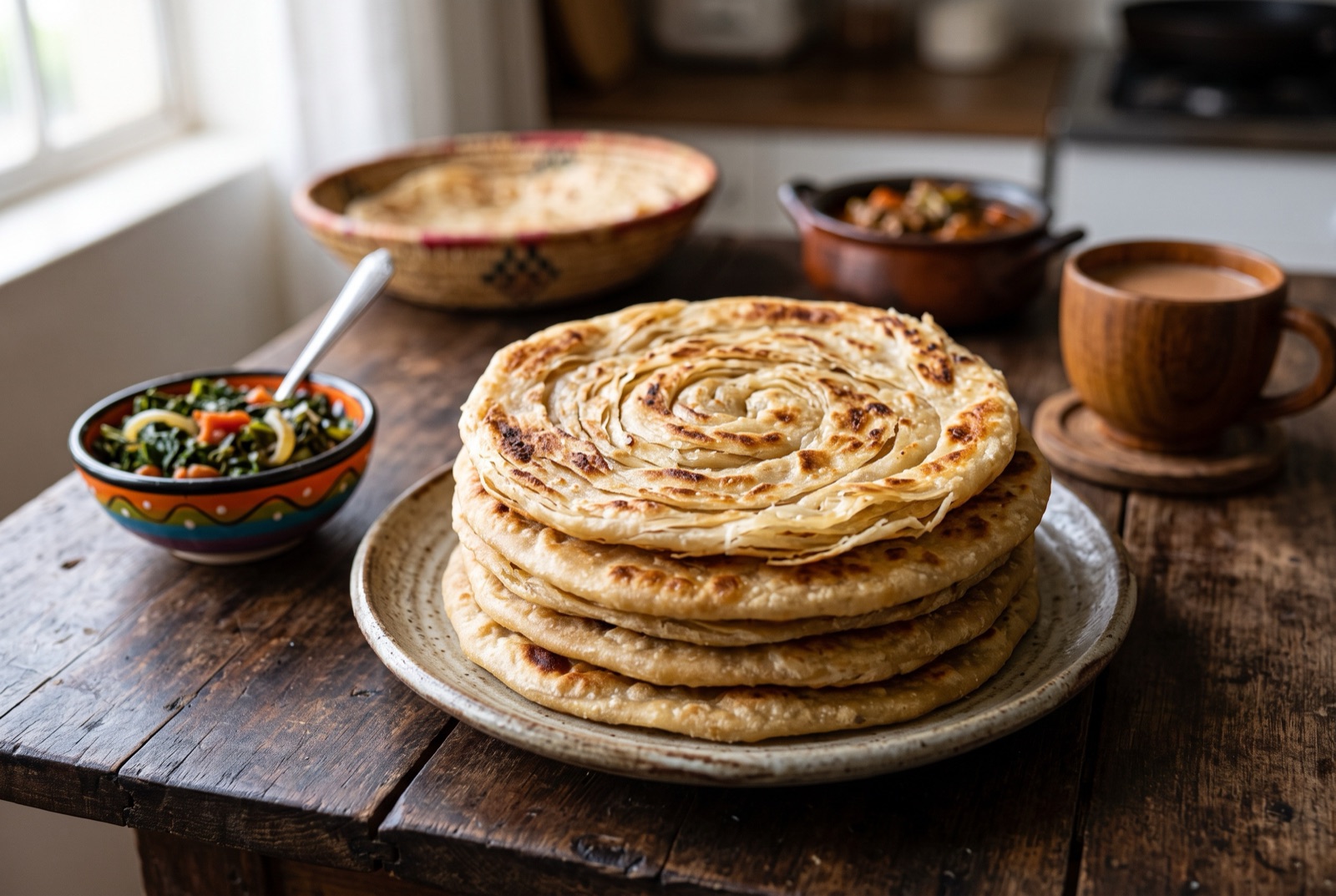
Keep exploring Kenya.
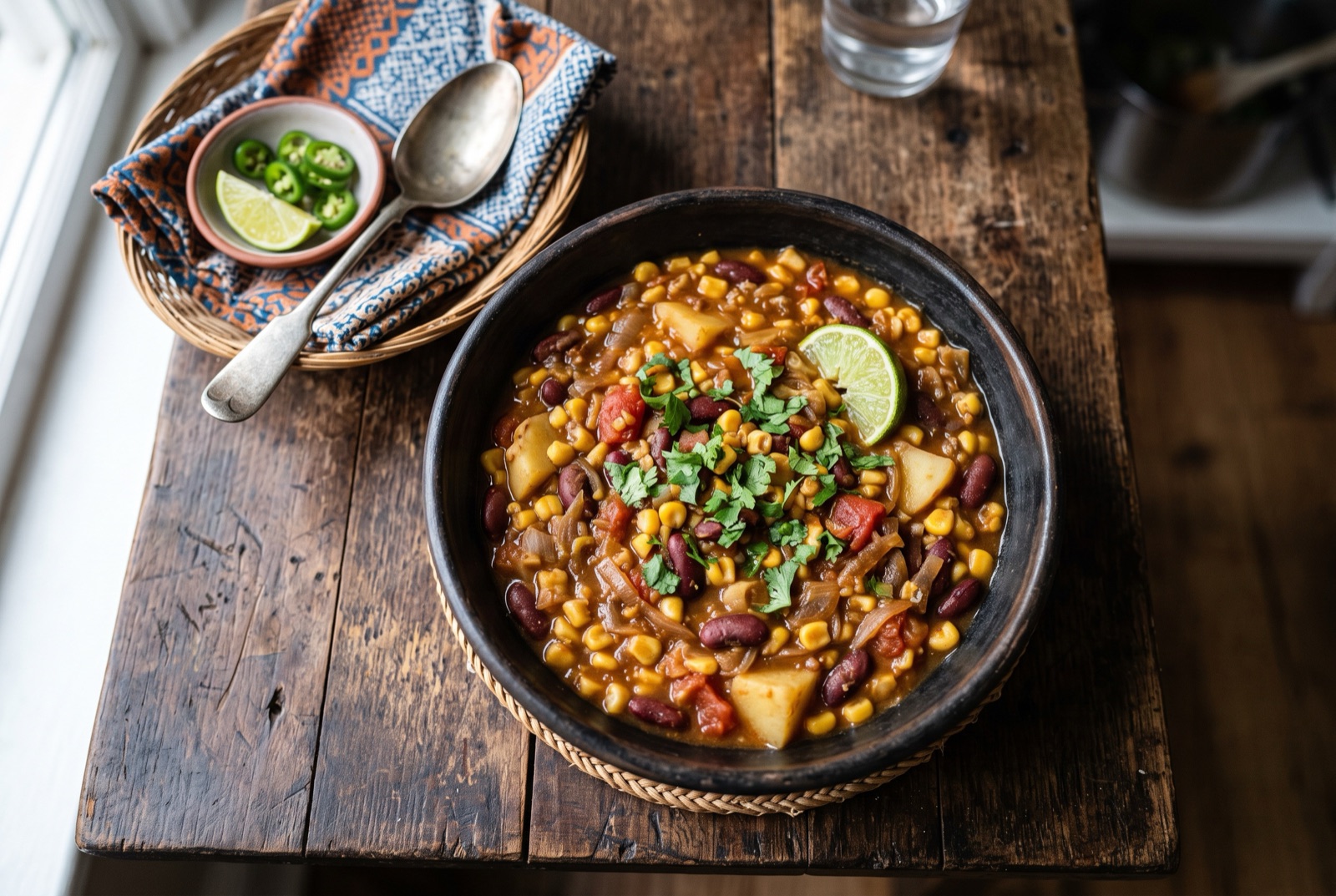
Kenya has 9 more dishes in the atlas — Githeri and Kenyan Chapati, and 7 more.
Recipe by The DishRoute Kitchen · published August 20, 2026 · updated August 20, 2026