Momo.
Nepali Steamed Dumplings with Tomato Achar
मम · say it: MO-mo
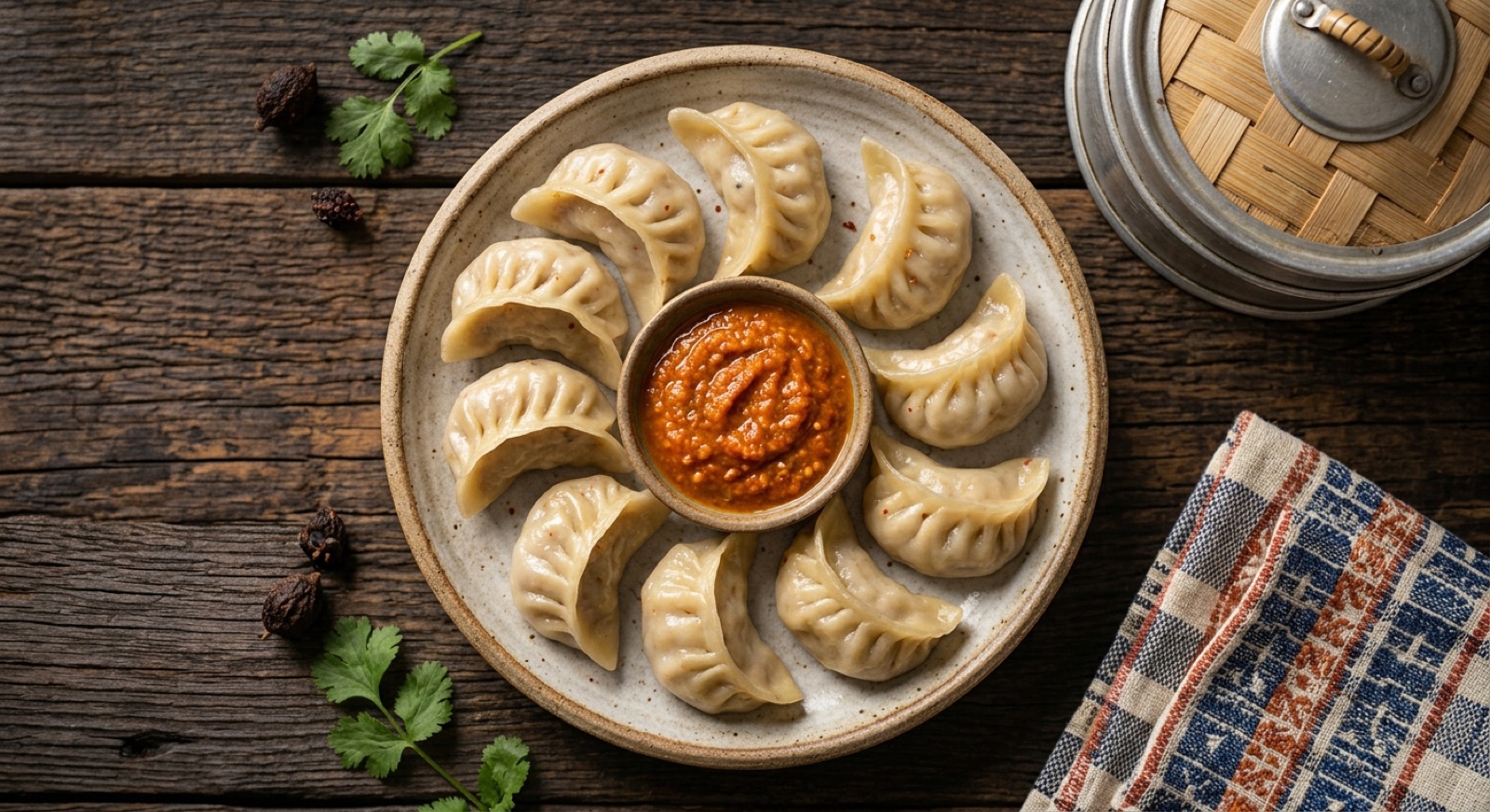
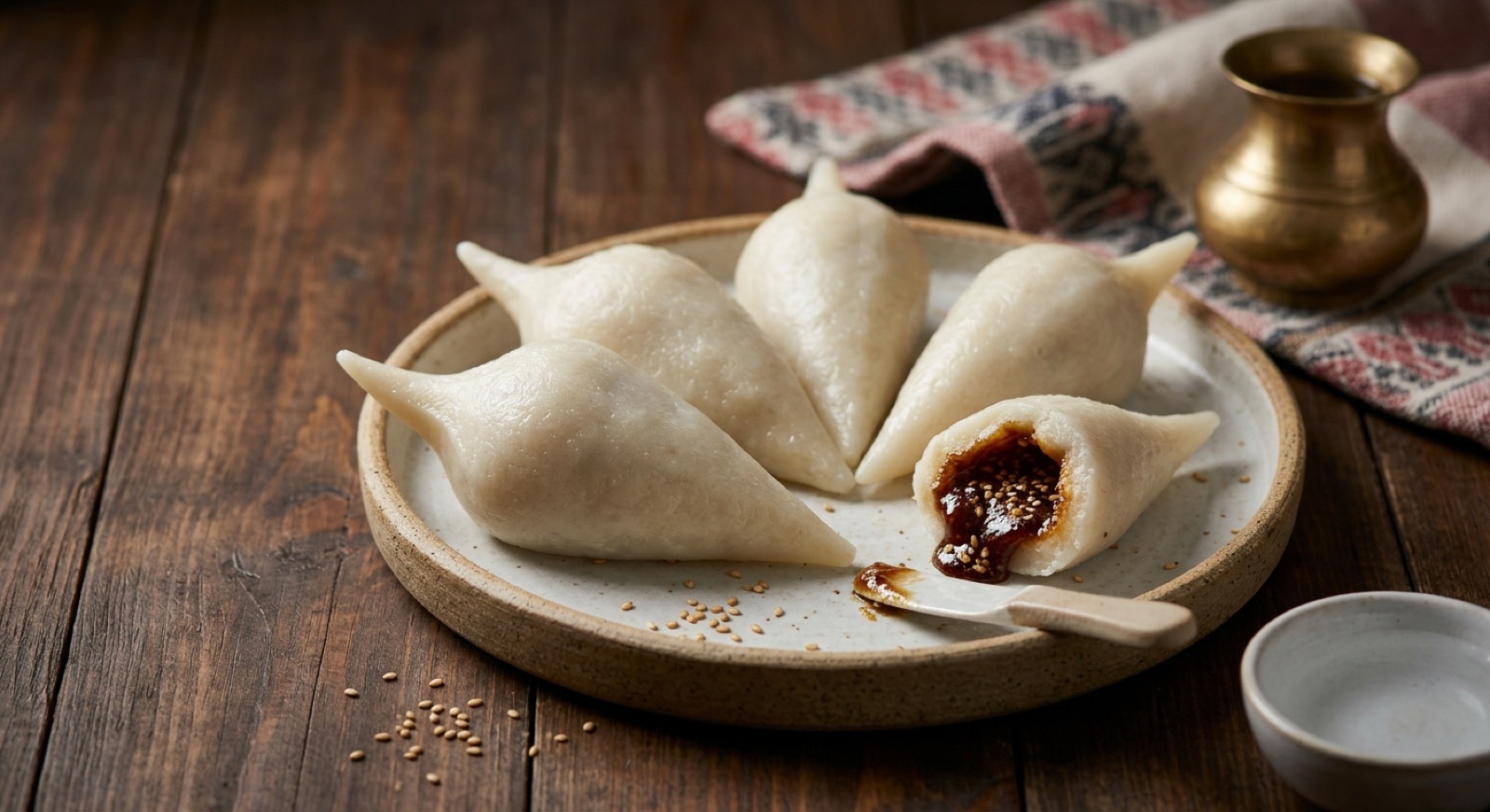
Momo are steamed dumplings, and in Kathmandu they are the closest thing the city has to a national obsession. A thin round of plain wheat dough is filled with minced buffalo or chicken cut with a large amount of onion, ginger, garlic, cilantro and timur — the citrusy, lip-tingling Himalayan pepper — then pleated shut and steamed in a stacked metal steamer. The filling stays juicy because the onion releases water as it cooks, so biting into a good momo means a small spill of broth. But the dumpling is only half the dish: every momo arrives with achar, a roasted tomato sauce ground with sesame and dried chile, and Nepalis judge a momo shop on the achar first.

- Gate
- NepalKathmandu Valley
- Prep
- 50 min
- Cook
- 25 min
- Total time
- 1 hr 45 min incl. 30 min rest
- Serves
- 4
- Status
- Medium
- Nutrition / serving · estimated
- Calories 520 kcal
- Protein 30 g
- Carbs 58 g
- Fat 19 g
- Fiber 4 g
- Sodium 980 mg
Why this recipe works.
- Filling ratio tuned so the onion releases juice into the dumpling instead of leaking flat, dry mince.
- The tomato-sesame achar is treated as a real recipe, not a dipping-sauce afterthought.
- A pleating method described in physical steps, so a first-timer gets closed dumplings rather than burst ones.
- Honest about buffalo versus chicken and what each one actually changes about the taste.
Ingredients.
19 itemsFor the wrappers
For the filling
For the achar
Equipment
- Stacked steamer or a steamer basket with a lid
- Rolling pin
- Heavy pan for toasting sesame and roasting tomatoes
- Mortar or small blender for the achar
Instructions.
Make and rest the dough
Mix 300 g of flour with the salt, then add the warm water in stages, working it into a shaggy mass. Knead for 8 minutes until it is smooth and springs back slowly when pressed. Cover and rest 30 minutes so the gluten relaxes and the dough rolls thin without pulling back.
Mix the filling
Combine the mince, chopped onion, garlic, ginger, cilantro, scallions, ground timur, cumin, oil and salt in a bowl. Mix hard with your hand for a full minute, until the mixture turns slightly sticky and holds together when you squeeze a lump — that stickiness keeps the filling in one piece inside the dumpling.
Roast the achar base
Char the tomatoes and unpeeled garlic in a dry heavy pan over high heat, turning until the tomato skins blister and blacken in patches and the flesh collapses, about 10 minutes. In the same pan toast the sesame seeds and dried chiles until the seeds smell nutty and start jumping.
Tip Blackened patches are the point. A pale tomato makes a sweet, flat achar with no smoke behind it.
Grind the achar
Peel the garlic, then blend the tomatoes, garlic, toasted sesame and chiles to a coarse, slightly grainy sauce — it should have body, not be a smooth soup. Season with lemon juice and salt until it tastes sharp and savoury on its own, since it has to stand up to the dumplings.
Roll the wrappers
Divide the dough into 30 balls. Roll each into a round about 9 cm across, thin at the rim and slightly thicker in the centre. Keep the finished rounds stacked under a damp cloth with a dusting of flour between them.
Fill and pleat
Place a heaped teaspoon of filling in the centre of a round. Hold it in a cupped palm and fold small pleats along the rim with your thumb and index finger, walking around the circle and pressing each pleat into the same central point until the dumpling is sealed shut. Pinch the top firmly to close.
Tip If the seam refuses to stick, your hands are greasy from the filling — wipe them and keep the rim clean.
Steam
Oil the steamer trays well and arrange the momo with a finger-width gap between them. Steam over rapidly boiling water for 10 to 12 minutes, until the wrappers turn slightly translucent, look tight and no longer feel tacky.
Serve straight away
Lift the momo off the tray with a light twist rather than a pull so they do not tear, pile them into a warm bowl and serve immediately with the achar and a small cup of the steaming water as broth.
Tips from our kitchen.
- Squeeze the chopped onion lightly but do not wring it dry — that water becomes the juice inside the finished momo.
- Keep the dough rounds thin at the edge and slightly thicker in the middle, so the base can hold the filling without tearing.
- Oil the steamer tray properly. Momo glue themselves down within seconds and tear open when you lift them.
- Steam over water at a strong rolling boil; a lazy simmer makes gummy, pale wrappers instead of translucent ones.
- Toast the sesame seeds for the achar until they smell nutty and start to hop in the pan — untoasted sesame makes a flat, chalky sauce.
- Rest the pleated momo under a damp cloth while you shape the rest, or the exposed dough dries and cracks in the steamer.
Substitutions.
- Buffalo mince → Minced chicken thigh, or 80/20 minced pork
- Chicken thigh is the standard shop substitute and stays juicy; breast does not. Pork is not traditional in the valley but behaves well.
- Timur (Himalayan pepper) → Sichuan peppercorns, lightly toasted and ground
- Timur is a close botanical cousin of Sichuan pepper with a more citrus-forward smell. Sichuan pepper gets you most of the way; plain black pepper does not.
- Homemade wrappers → Shop-bought round dumpling wrappers
- Buy the thinnest ones you can and keep them covered. The texture is slightly springier than hand-rolled, but the dish still works.
Variations.
- Jhol momo
- Steamed momo served floating in a thin, sour sesame-tomato soup rather than dipped into thick achar — the Kathmandu winter version.
- Kothey momo
- Steamed first, then fried flat-side down in a hot oiled pan until the base is crisp and lacquered brown while the top stays soft.
- Vegetarian momo
- Filled with finely chopped cabbage, carrot, mushroom and paneer, salted and drained first so the filling does not flood the wrapper.
Storage & reheating.
Uncooked momo freeze better than they refrigerate: arrange them apart on a floured tray, freeze solid, then bag them and steam straight from frozen with 4 extra minutes. Steamed leftovers keep 2 days refrigerated and are best revived by re-steaming for 4 minutes rather than microwaving, which turns the wrapper rubbery. The achar keeps 5 days in a sealed jar and its flavour deepens overnight.
Serve with
Tomato-sesame achar, a bowl of the clear steaming water as broth, and sliced raw onion with a wedge of lemon.
The story behind Momo.
Momo came into Nepal along the trade routes over the Himalaya, carried by Newar merchants who ran the Kathmandu–Lhasa trade and by Tibetan communities settled across the hills. The name itself is Tibetan, and the dumpling family it belongs to stretches across the whole plateau and into Central Asia. What Kathmandu did with it was make it Nepali: the filling picked up ginger, garlic, cilantro, cumin and above all timur, and the dumpling stopped being eaten with plain broth and started arriving under a blanket of tomato-sesame achar that no Tibetan momo shop would recognise.
For a long time momo were Newar home food and a specialty of the valley. That changed within living memory. Momo shops multiplied through Kathmandu and Pokhara, then followed Nepali migrants to India, the Gulf, Europe and North America, until momo became the dish that announces a Nepali kitchen abroad the way pho announces a Vietnamese one. Along the way the dumpling mutated cheerfully — kothey momo browned on one side in a pan, jhol momo swimming in a thin sesame-tomato soup, C-momo tossed in a chile-butter sauce, fried momo, cheese momo, and in the last decade paneer and mushroom versions for a growing vegetarian audience.
Buffalo remains the classic filling in the valley, for reasons that are both religious and practical: cows are protected in Nepal, buffalo is not, and buffalo mince has the fat and the mineral depth that makes momo taste like Kathmandu rather than like a generic dumpling. Chicken is the common substitute in shops that cater to visitors and to communities that avoid buffalo. At home, either works. What does not work is a lean, dry filling — Nepali cooks add oil or fat deliberately, because a momo without juice is just a wrapper with a problem inside.
Questions, answered.
Why did my momo burst open in the steamer?
Almost always overfilling or a wet seam. Use no more than a heaped teaspoon of filling for a 9 cm round, keep the sealing edge free of filling and grease, and press the pleats firmly against a central point. A dough that is too dry also cracks under steam, so knead until it is soft and springy, not stiff.
What is timur and is it the same as Sichuan pepper?
Timur is the dried berry of a Himalayan prickly ash, botanically in the same genus as Sichuan pepper. It gives the same numbing tingle but smells sharper and more citrusy, almost like grapefruit peel. Toasted, ground Sichuan peppercorns are the best substitute; black pepper is a different sensation entirely and will not tingle.
Can I make momo without buffalo meat?
Yes. Buffalo is traditional in the Kathmandu Valley and gives a deeper, more mineral flavour, but minced chicken thigh is used in a large share of momo shops and works well at home. Keep the fat content up whichever meat you choose, because lean mince steams into a dry, crumbly filling.
How long do momo need to steam?
Around 10 to 12 minutes over rapidly boiling water for meat-filled dumplings of about 25 grams each. They are done when the wrapper turns from opaque white to slightly translucent and feels tight rather than soft. Frozen momo need roughly 15 minutes and should not be thawed first.
Can I prepare the filling in advance?
Yes, up to a day ahead, kept covered in the fridge. Stir it again before shaping, since liquid separates out as it sits. Do not fill the wrappers more than about 30 minutes before steaming, though, because the salted filling keeps drawing water and will soften the dough from the inside.
You might also like.
All recipes →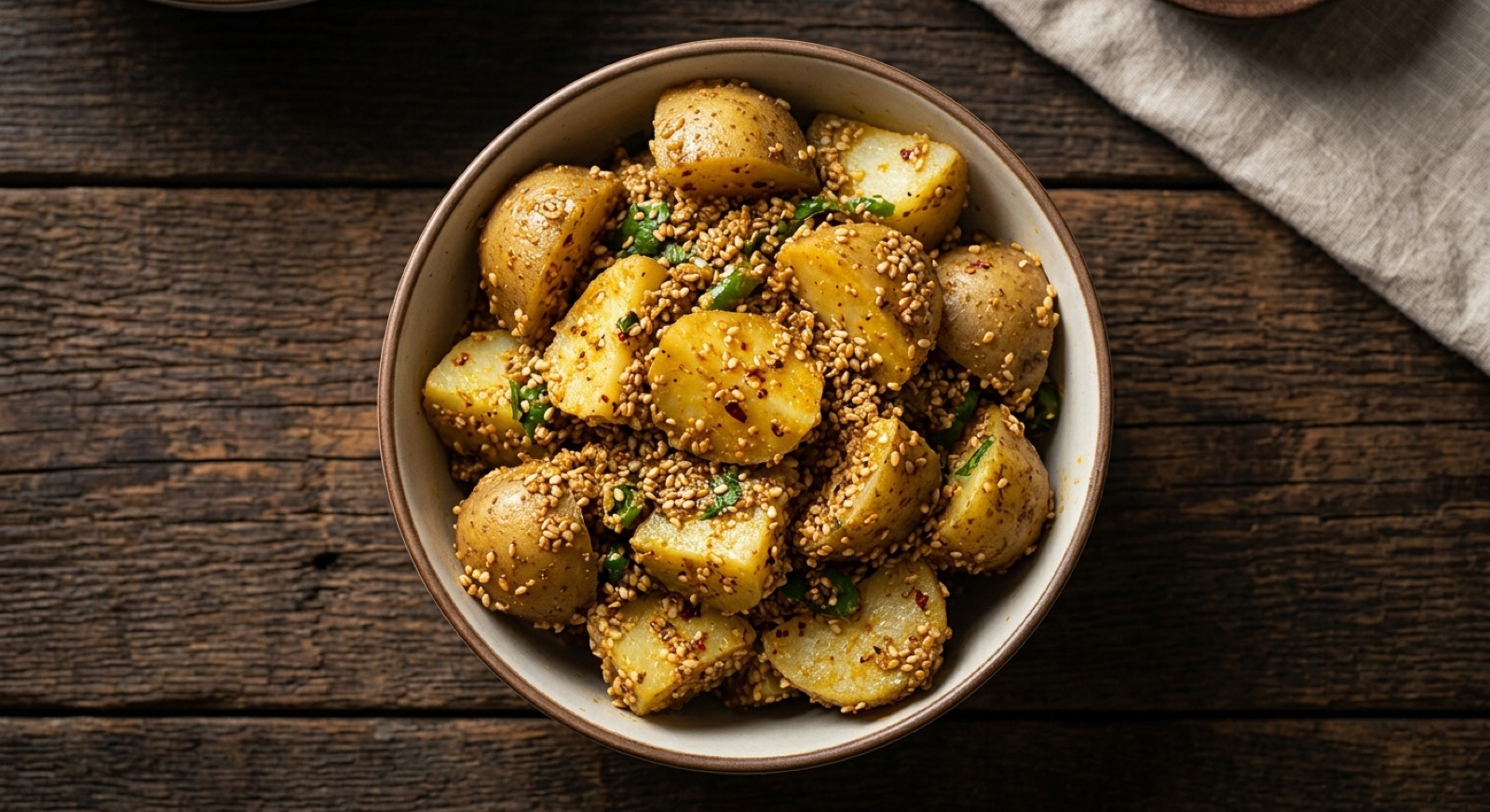
Keep exploring Nepal.
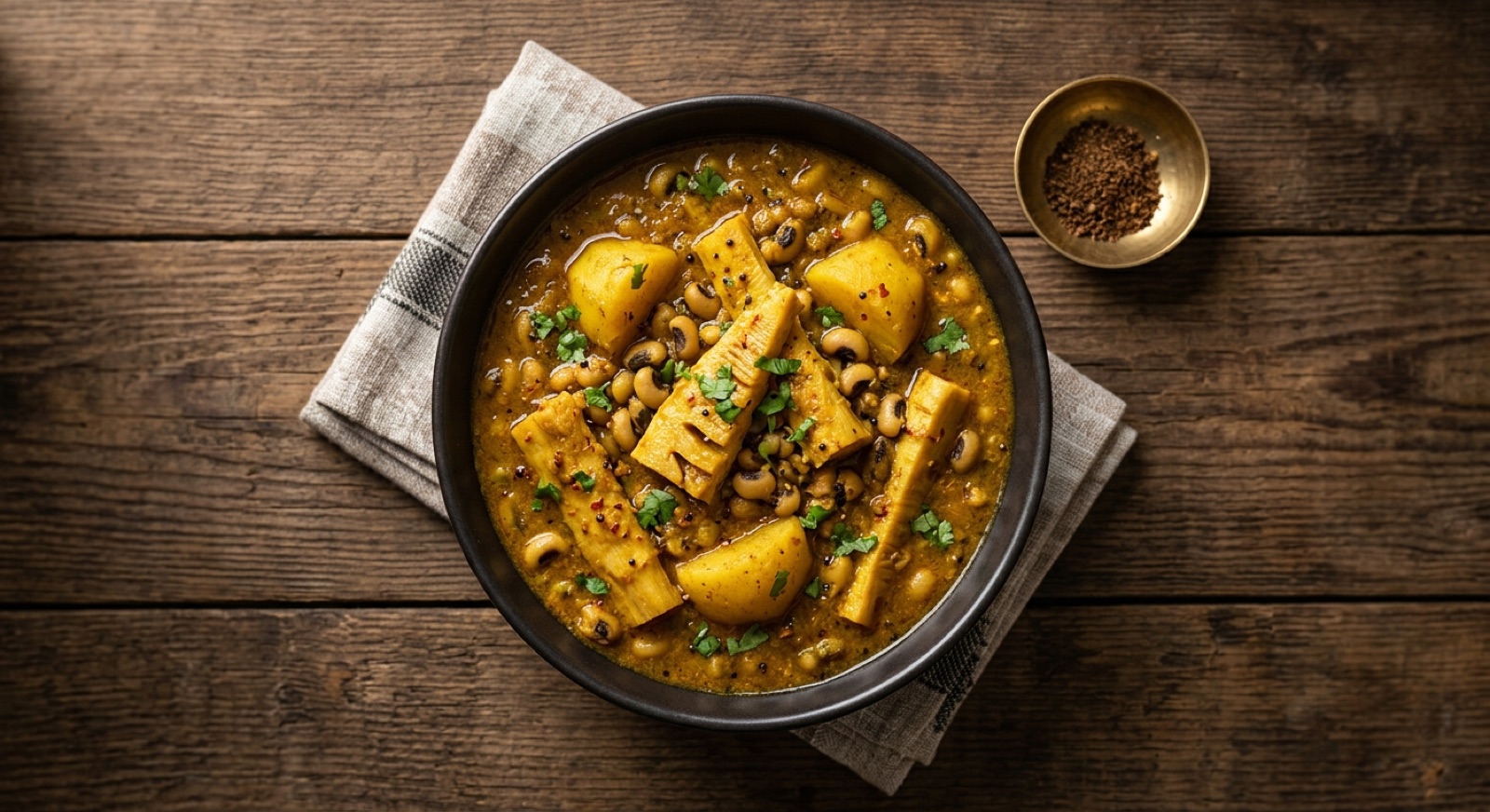
Nepal has 9 more dishes in the atlas — Aloo ko Achar and Aloo Tama, and 7 more.
Recipe by The DishRoute Kitchen · published August 20, 2026 · updated August 20, 2026