Sutlijaš.
Macedonian Cinnamon Rice Pudding
Сутлијаш · say it: soot-LEE-yash
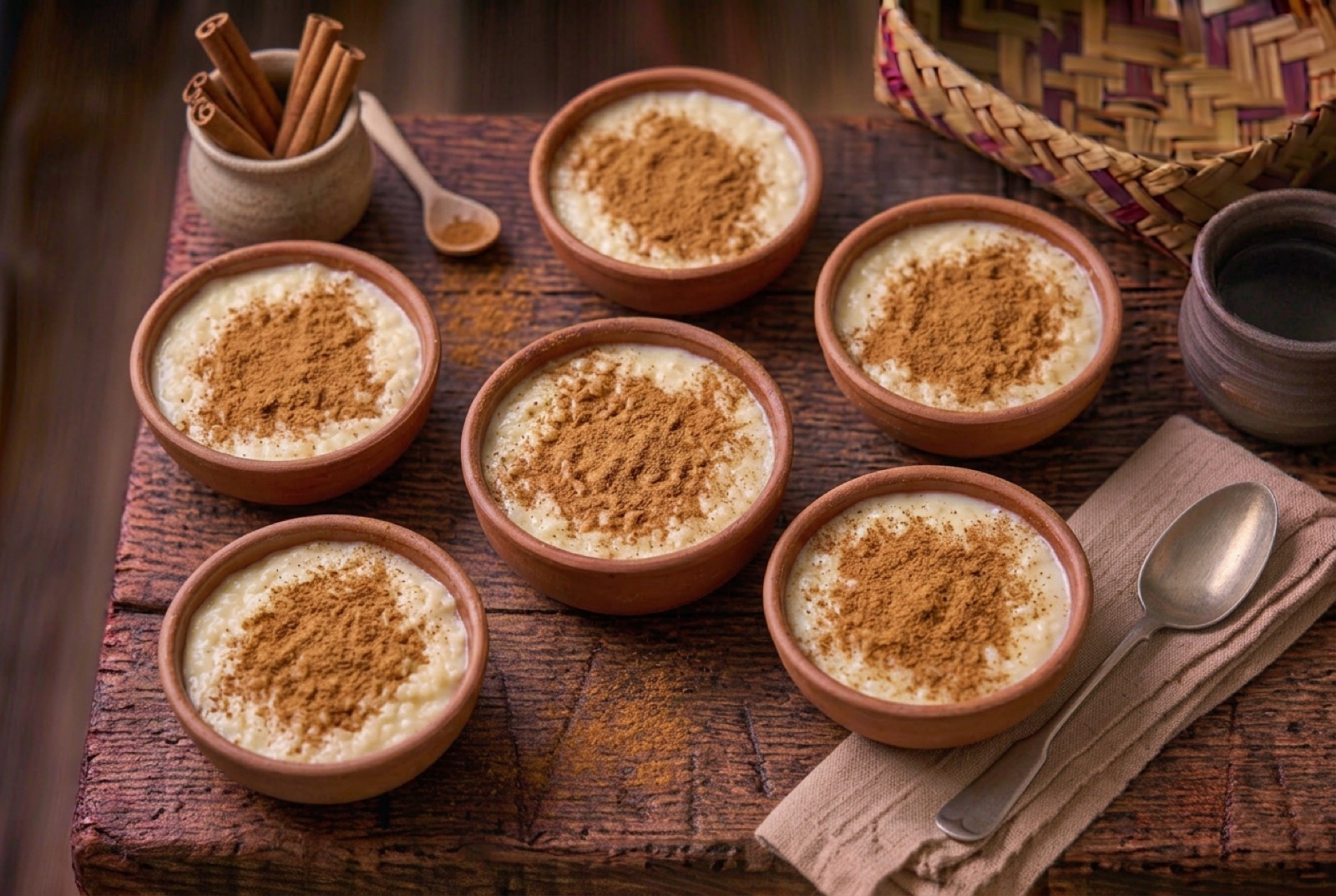
Sutlijaš is rice pudding made the Ottoman way: short-grain rice cooked first in a little water until it collapses, then simmered in milk with sugar until the whole thing thickens to the consistency of loose custard. It is poured hot into small individual bowls, left to set as it cools, and served cold with a thick dusting of ground cinnamon on top drawn into stripes or a spiral. There is no cream, no egg and no baking — the body comes entirely from starch released by the rice, which is why the choice of rice and the patience of the simmer matter more than anything else in the recipe.

- Gate
- North MacedoniaSkopje Old Bazaar, Bitola and the Turkish quarters
- Prep
- 5 min
- Cook
- 45 min
- Total time
- 3 hr 50 min incl. 3 hr rest
- Serves
- 6
- Status
- Easy
- Nutrition / serving · estimated
- Calories 280 kcal
- Protein 8 g
- Carbs 48 g
- Fat 6 g
- Fiber 1 g
- Sugar 30 g
- Sodium 110 mg
Why this recipe works.
- Softens the rice in water first, the classic step that lets the grains break down instead of staying separate in the milk.
- Thickens with rice starch alone, so the pudding tastes of milk rather than of cream or egg custard.
- Sets in individual bowls as it cools, which is how it is actually sold and eaten in the bazaar.
- Explains both the chilled stovetop finish and the scorched oven version without pretending one is more correct.
Ingredients.
8 itemsFor the pudding
To finish
Equipment
- Heavy-based saucepan
- Flat wooden spatula
- Six small serving bowls or glasses
Instructions.
Soften the rice in water
Put the unwashed rice and the water in a heavy saucepan, bring to a boil, then lower the heat and simmer uncovered for about 15 minutes, until the water is almost gone and the grains have swollen and started to split at the edges.
Tip Skipping this step and going straight into milk means the grains take far longer to break down and the milk catches on the bottom in the meantime.
Add the milk
Pour in the milk and add the pinch of salt. Bring it slowly back to a bare simmer over medium-low heat, stirring often and scraping along the base of the pan with a flat spatula so nothing settles and scorches.
Simmer until it thickens
Cook at a lazy simmer for 25 to 30 minutes, stirring every couple of minutes, until the rice has collapsed and the mixture coats the back of a spoon. Add the sugar only in the last 10 minutes, since sugar added early slows the grains from softening.
Judge the consistency
Pull the pan off the heat while the pudding still looks slightly looser than you want it, roughly the thickness of pouring custard. If you want a firmer set, stir in the slaked cornflour now and cook for a further 2 minutes.
Tip Cold pudding is at least two stages thicker than hot pudding. This is the step people get wrong.
Fill the bowls
Divide the hot pudding between six small bowls or glasses, tapping each one on the worktop to settle the surface flat. Leave them uncovered at room temperature for about 30 minutes, then move them to the fridge.
Chill until set
Refrigerate for at least 3 hours, or overnight, until the pudding is cold and holds a spoon mark. Dust each bowl heavily with ground cinnamon just before serving, and scatter chopped walnuts over if you are using them.
Tips from our kitchen.
- Use short-grain or pudding rice, never basmati or long grain. The pudding is thickened by starch released from the grain, and low-starch rice will leave you with sweet milk and loose rice in it.
- Do not rinse the rice. Washing removes exactly the surface starch you are relying on to thicken the milk.
- Stir along the bottom of the pan with a flat wooden spatula, not a spoon. Milk and rice starch scorch in the corners within seconds and a burnt note runs through the whole batch.
- Pull it off the heat while it still looks slightly too loose. It thickens noticeably as it cools, and a pudding that looks right in the pan sets to a solid block in the bowl.
- Cover the surface with cling film pressed directly onto the pudding if you dislike skin, or leave it uncovered if you want one, which is the traditional preference.
- Add the cinnamon only when serving. Dusted on while the pudding is warm it sinks in and turns grey and damp rather than staying a dry, dark line on top.
Substitutions.
- Whole milk → Full-fat oat or almond milk
- Plant milks work but thicken less, so add an extra teaspoon of cornflour slaked in cold liquid. Almond milk also makes the dish unsuitable for anyone avoiding nuts.
- Short-grain pudding rice → Arborio or other risotto rice
- Risotto rice is high in starch and works well, though it holds its shape more, giving a pudding with distinct grains rather than a fully collapsed texture.
- Ground cinnamon → Cinnamon with a pinch of ground cloves, or chopped walnuts
- Cinnamon alone is standard. Walnuts on top are a common home addition in Macedonian households but are not what a bazaar shop serves.
Variations.
- Furnaliski sutlijaš
- The oven-finished version, closer to Turkish fırın sütlaç: filled into small ovenproof dishes, set in a water bath and grilled hard until the top scorches in dark patches.
- With rose water or mastic
- A few drops of rose water, or a crushed grain of mastic stirred in at the end, both Ottoman-era additions still found in the older bazaar shops.
- Thicker, set version
- A tablespoon of cornflour slaked in cold milk stirred in for the last two minutes, producing a firmer pudding that can be turned out of the bowl. Common in commercial kitchens.
Storage & reheating.
Keeps 4 days covered in the fridge and is arguably better on day two, once the starch has fully set and the flavour has settled. It will continue to thicken as it sits; loosen it with a tablespoon or two of cold milk stirred in before serving if it has gone stiff. Do not freeze it — the starch network breaks on thawing and the pudding turns grainy and weeping. Dust the cinnamon on immediately before it goes to the table rather than storing it dusted, since the cinnamon absorbs moisture and turns into a dark damp film overnight.
Serve with
Turkish coffee, or a glass of cold water. Served cold, in small bowls, at the end of a meal or in the afternoon.
The story behind Sutlijaš.
The dish arrived with the Ottoman kitchen and kept its Turkish name: sütlaç, from süt, milk, becomes sutlijaš across the southern Balkans. It belongs to the sweet end of a repertoire that in North Macedonia is still associated above all with the bazaar quarters and with Turkish households — the same shops in the Skopje Old Bazaar that sell baklava, tulumbi and boza have kept sutlijaš in the chilled cabinet in small glass or ceramic bowls for generations. It is sold by the portion rather than made at home for guests, which puts it in a different social category from a cake.
What makes it a sweet of the poorer end of the pastry trade is that it is made of nothing. Milk, rice and sugar were the three things a town household could reliably find, and unlike baklava it needs no filo, no nuts and no syrup work. That economy shows in how it is eaten: sutlijaš is an afternoon or after-dinner sweet taken with coffee, small in portion, not rich, and cheap enough that it was never reserved for a celebration. During Orthodox fasting periods a milk pudding is off the table entirely, which is one reason it belongs more strongly to the Muslim and Turkish parts of the country's food calendar, where it appears through Ramadan as a light finish after iftar.
The method splits into two schools and both are correct. The stovetop version, which is the common one in North Macedonia and the one below, is poured into bowls and chilled until it sets to a soft spoonable pudding. The oven version, closer to Turkish fırın sütlaç, goes into small dishes set in a tray of water and is blasted under high heat until the surface scorches in dark patches. The oven finish is more dramatic; the stovetop one tastes purely of milk and cinnamon, which is what most people who grew up with it are actually after. Nearly every neighbouring country makes a version — sutlijaš in Bosnia and Serbia, sutlijash in Bulgaria and Albania — and none of them invented it.
Questions, answered.
What is sutlijaš?
Sutlijaš is a Balkan rice pudding of Ottoman origin, made by simmering short-grain rice in sweetened milk until the starch thickens it, then chilling it in small individual bowls and dusting the top with ground cinnamon. It contains no eggs or cream, and its name comes from the Turkish sütlaç, itself from süt, meaning milk.
Which rice should I use for rice pudding?
Short-grain or pudding rice, or failing that risotto rice such as arborio. These varieties are high in the surface starch that thickens the milk as it cooks. Long-grain and basmati rice release very little starch and will leave you with loose sweet milk containing separate grains rather than a pudding.
Why is my rice pudding runny?
Either the rice was low in starch, it was rinsed before cooking and lost that starch down the sink, or it was not simmered long enough for the grains to break down. Keep it at a bare simmer and stir until the mixture coats the back of a spoon, remembering that it thickens considerably as it cools.
Is sutlijaš served hot or cold?
Cold, in almost all cases. It is poured hot into small bowls, left to cool to room temperature and then chilled until it sets to a soft spoonable texture, which is how bazaar shops in Skopje and Bitola sell it. The oven-browned version is sometimes eaten warm, but the standard stovetop one is a chilled sweet.
Can sutlijaš be made without dairy?
Yes. Full-fat oat milk gives the closest result, since it is naturally slightly sweet and thickens reasonably well; coconut milk works but pushes the flavour somewhere else entirely. Plant milks thicken less than whole milk, so add a teaspoon of cornflour slaked in cold liquid near the end of cooking.
You might also like.
All recipes →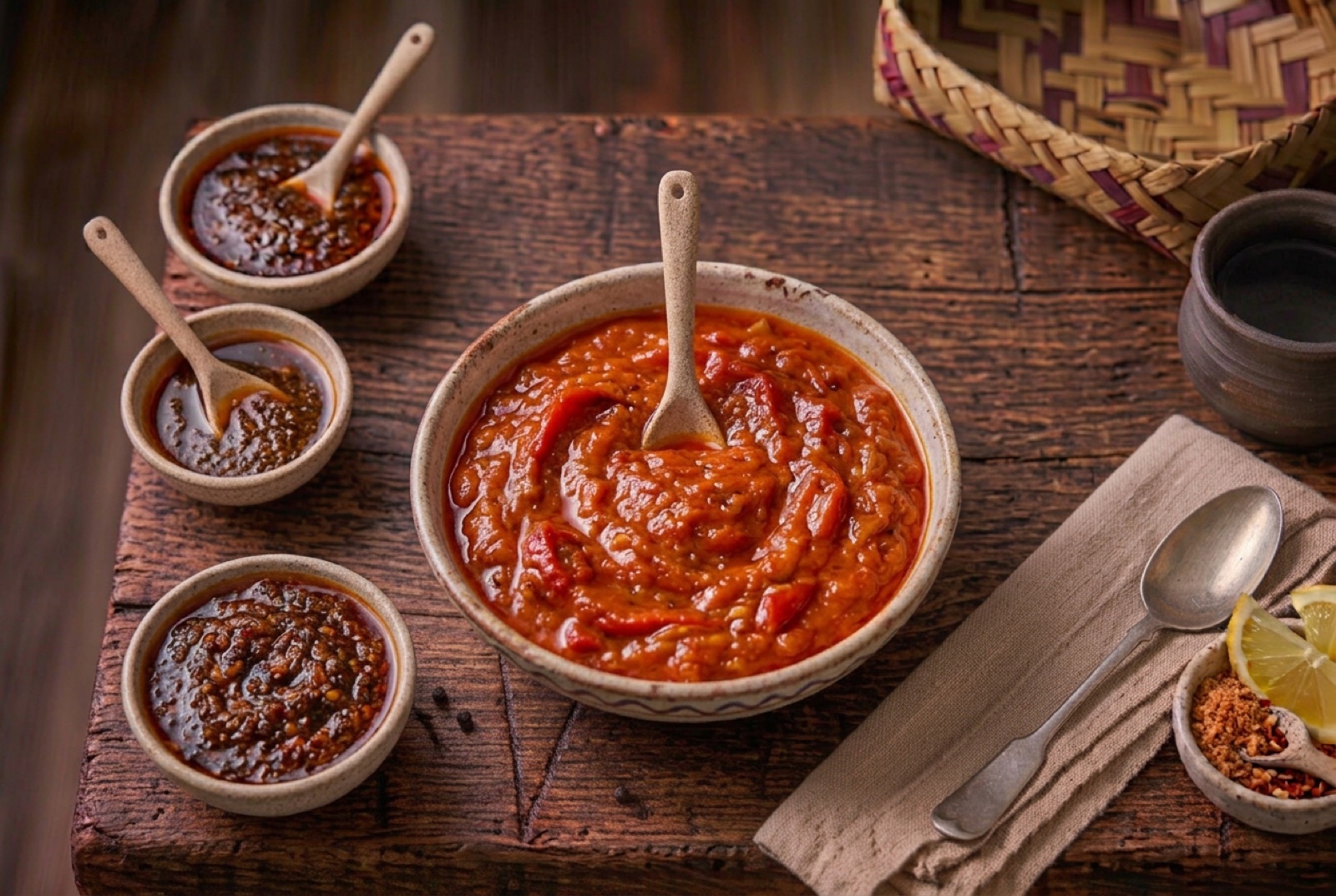
North Macedonia3 hr 45 min
Macedonian Ajvar
Roasted Red Pepper Relish
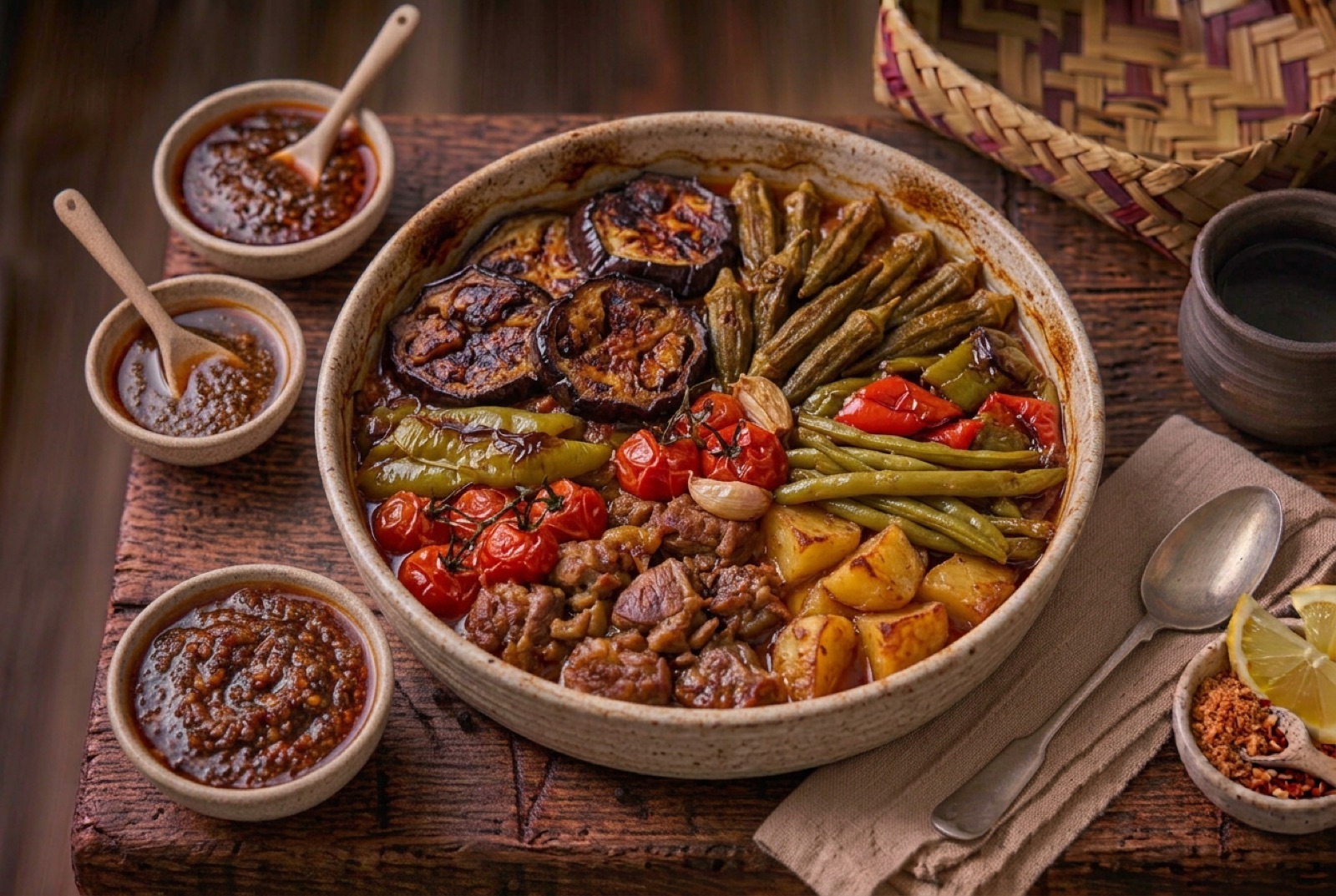
North Macedonia2 hr 55 min
Turli Tava
Macedonian Mixed Vegetable and Meat Bake
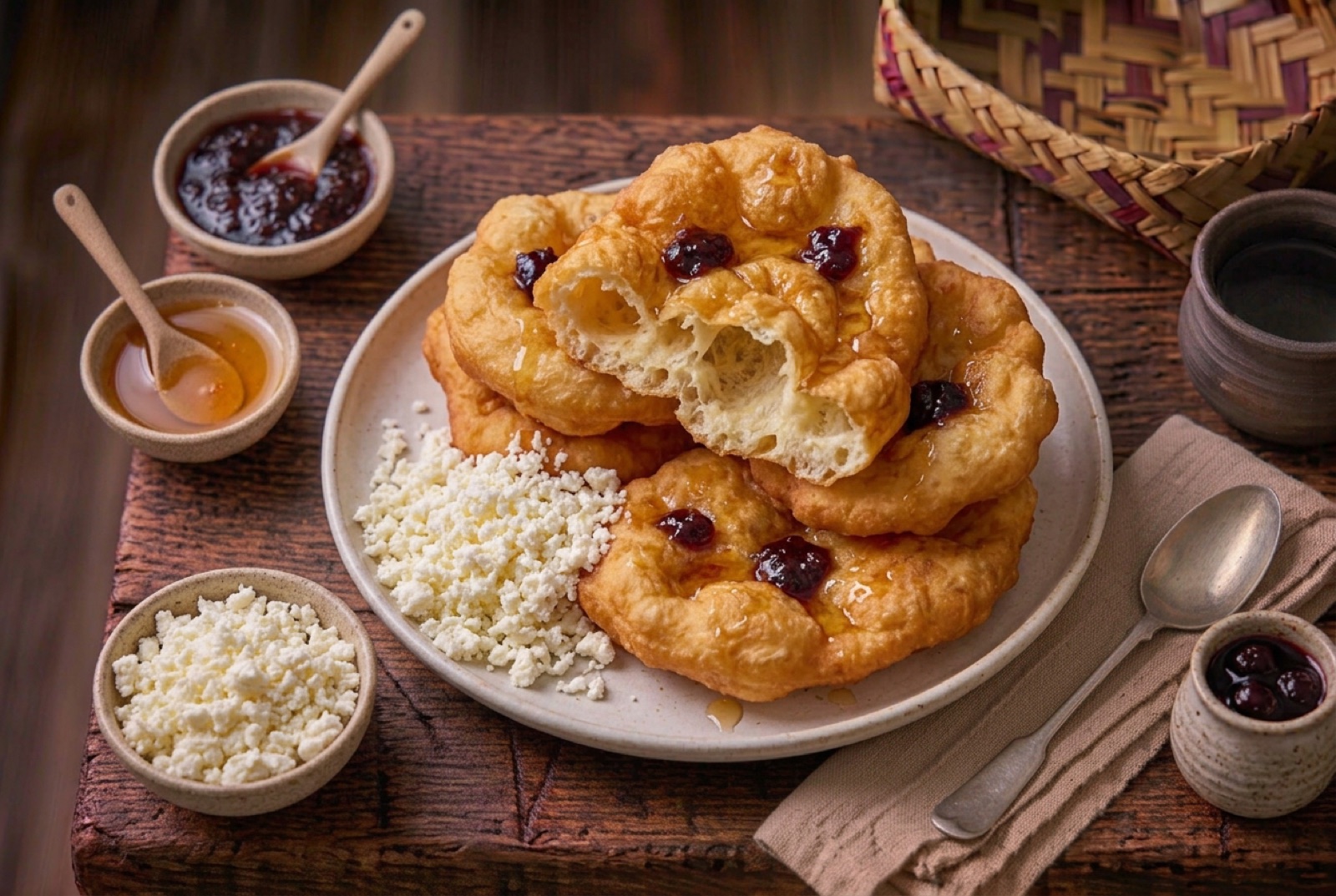
North Macedonia1 hr 35 min
Mekici
Macedonian Fried Breakfast Dough

North Macedonia2 hr 55 min
Pastrmajlija
Macedonian Boat-Shaped Meat Flatbread
Keep exploring North Macedonia.
North Macedonia has 9 more dishes in the atlas — Macedonian Ajvar and Mekici, and 7 more.
All North Macedonia recipes Short-grain rice recipes Milk recipes Cinnamon recipes dessertvegetariangluten freenut freeRecipe by The DishRoute Kitchen · published August 21, 2026 · updated August 21, 2026