Czechia.
Česko
Czech cooking is landlocked, seasonal and unapologetically built around sauce. The country has no coast, a short growing season and a long history of cold winters, so the kitchen learned to get everything it needs from pork, root vegetables, cabbage, wheat and dairy — and then to make those things taste like more than the sum of their parts. The defining move is the omáčka: a thick, glossy sauce, often sweet-sour, often thickened with roux or blended vegetables or soured cream, poured generously over meat and served with something starchy engineered specifically to absorb it. That something is usually the knedlík, the boiled dumpling, sliced into discs and treated as a utensil rather than a side dish. Seasoning is quiet and specific: caraway in almost everything savoury, marjoram in soups and potato dishes, bay and allspice in braises, dill by the handful in summer. Sweet-and-sour is not an exotic idea here but the everyday balance point, and vinegar, cream and sugar meet in the same pot without anyone finding it strange. Beer is not a drink alongside the food; it is part of the recipe and part of the meal.

- Continent
- EuropeCentral Europe
- Recipes in atlas
- 10
- Must-try dishes
- 3
- Pantry staples
- 10
Start with the classics.
Must tryThe dishes that explain the Czechia kitchen fastest — if you cook only a few things from this page, cook these.
Inside the Czechia kitchen.
Start with the dumpling, because everything else on a Czech plate is arranged in relation to it. The houskový knedlík — bread dumpling — is a soft yeasted or egg-raised dough studded with cubes of stale white roll, steamed or boiled as a long loaf, then cut into rounds with a thread or a knife. It has no flavour ambitions of its own; its job is to arrive dry and porous and leave the plate soaked. The bramborový knedlík, made with potato and coarse flour, is denser and pairs with fattier meats and smoked pork. Sweet dumplings made with quark dough wrap whole fruit and cross the line into dessert, or in summer become the entire meal. If a Czech sauce seems too abundant for the meat it accompanies, that is not an error — the dumplings are counting on it.
The sauces themselves come in a small family with clear members. Svíčková is root vegetables and cream, blended smooth and finished sweet-sour. Koprovka is dill and soured milk. Rajská is tomato, sweet and slightly sharp. Křenová is horseradish. Guláš, thicker and darker than the Hungarian original, is the onion-heavy exception that thickens itself. Almost all of them are built the same way: fat, aromatics, a jíška (roux) or a blend, then a long patient simmer and a correction with vinegar and sugar at the end. Czech cooks taste for that final balance the way Italians taste for salt.
Pork is the default meat and the whole animal gets used — roast shoulder with caraway, smoked knuckle boiled with cabbage, belly rendered into cracklings, coarse smoked sausages pickled in jars behind the bar. Beef appears in guláš and in svíčková, poultry mostly roasted or fried in breadcrumbs. Freshwater carp is the great exception and appears once a year, at Christmas, fried in breadcrumbs and served with potato salad. Cabbage arrives either as fresh braised zelí sweetened with a little sugar and thickened with flour, or as sauerkraut cooked with caraway and often a spoon of fat.
Breadcrumbs deserve their own paragraph. The Austro-Hungarian habit of breading and frying runs deep here: pork cutlets (řízek), chicken, cauliflower, mushrooms, and most famously a fat block of Edam-style cheese, all coated in flour, egg and strouhanka and fried until the crust is the point. It is what a Czech pub kitchen does when it needs to feed you in twelve minutes, and it is the reason a vegetarian can eat well in a pub that otherwise offers nothing but pork.
Regionally the differences are real but subtle to outsiders. Bohemia in the west is the land of bread dumplings, sweet-sour sauces and the pilsner brewing tradition; South Bohemia adds carp ponds, wild mushrooms and dill-heavy soups. Moravia in the east tilts towards wine rather than beer, uses more paprika and garlic, and makes its dumplings from potato. The far north and Silesia carry Polish and German fingerprints — more potato, more smoked meat, sourer cabbage. And every region agrees on soup: a proper lunch begins with one, and a Czech cook is judged on their broth before anything else reaches the table.
Signature pantry.
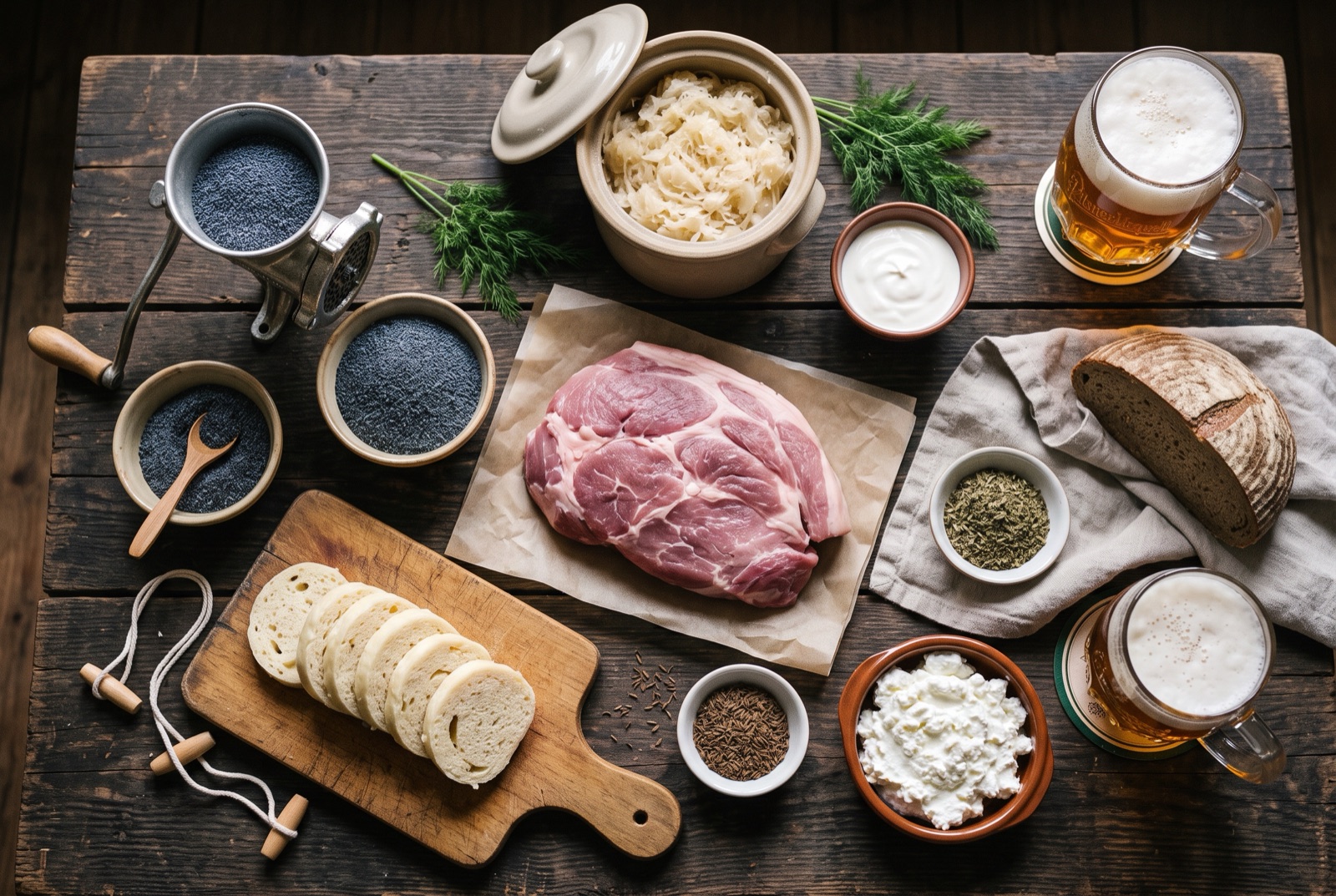
10 staplesThe ingredients this cuisine cannot function without.
- caraway seed
- marjoram
- pork
- sauerkraut
- sour cream
- dill
- bread dumplings
- quark (tvaroh)
- poppy seeds
- pilsner beer
How people eat in Czechia.
Lunch is the main meal and it starts with soup — skipping it marks you as a foreigner or someone in a hurry. Everyone waits and says "dobrou chuť" before the first bite. Beer arrives with the food rather than before it, is ordered by the half-litre, and a fresh glass appears the moment the old one empties unless you put a beer mat on top. Bread dumplings are cut with the side of a fork, never sawn with a knife, and it is expected that you push them through the remaining sauce until the plate is clean. Afternoon svačina — an open sandwich, a pastry, something small — bridges the gap to a lighter supper. In pubs the bill is chalked on a slip of paper at your table and settled at the end, rounded up rather than tipped by percentage.
Regional kitchens.
Czechia cooks 4 distinctly different ways depending on where you stand — here is what changes between them.
- R1Prague and Central Bohemia
- The pub canon in its most familiar form: goulash with bread dumplings, fried cheese, roast pork, and svíčková as the Sunday centrepiece. Also the home of the tourist trdelník stall, which locals will tell you is not really Czech.
- R2South Bohemia
- Carp ponds, forests full of mushrooms and the sourest, dilliest soups in the country. Kulajda comes from here, as does the Christmas carp that reaches the whole nation each December.
- R3Moravia
- Wine country rather than beer country, with Slovak and Hungarian influence in the seasoning — more paprika, more garlic, more potato dumplings. Home of the plum brandy slivovice and of Moravian sparrow, a caraway-roasted pork shoulder.
- R4Czech Silesia and the North
- Border cooking shaped by Polish and German neighbours: heavier on potato and smoked meat, sharper sauerkraut, and thick sour soups built to sit through a mining or mill shift.
All Czechia recipes.
10 recipes and counting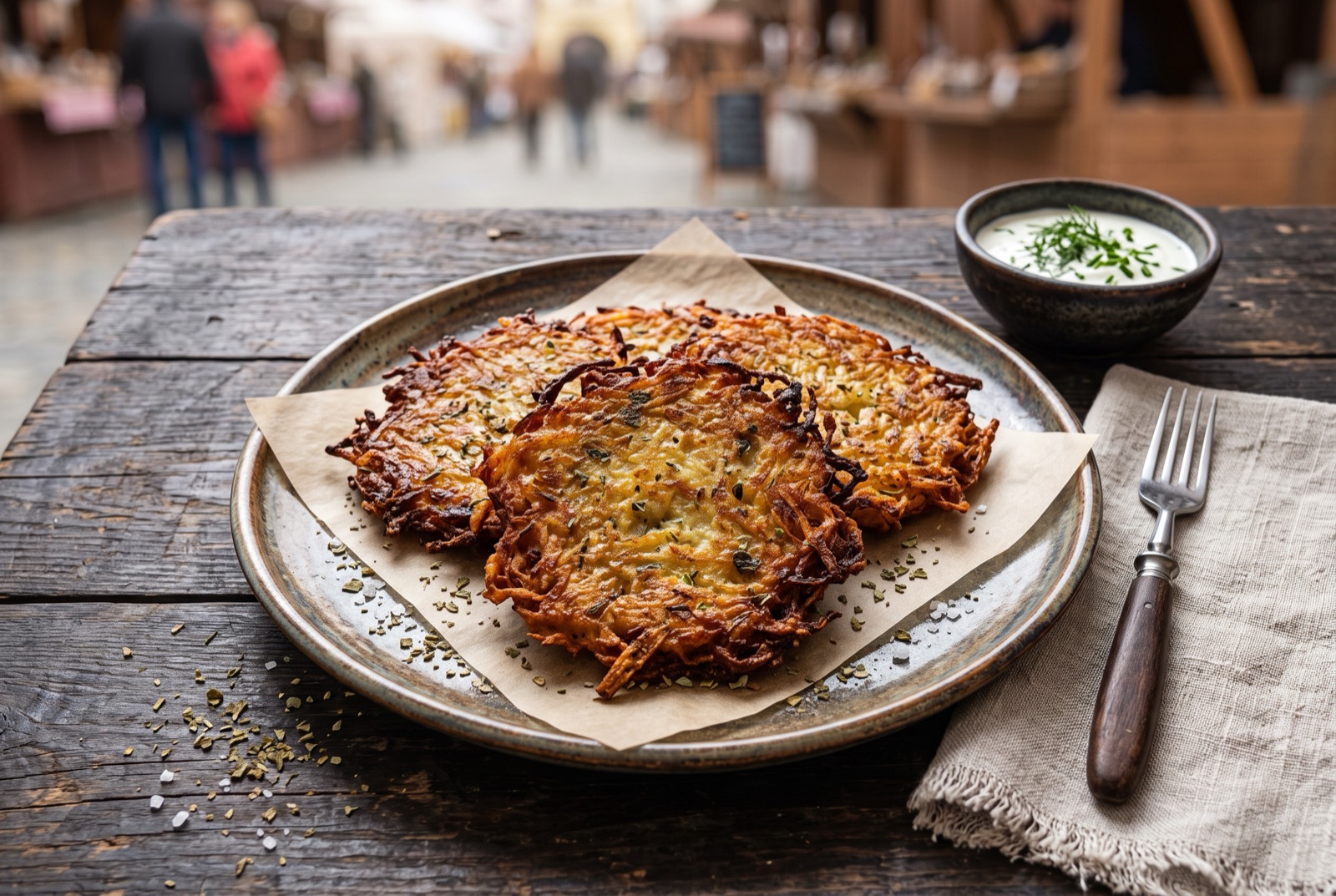
Czechia35 min
Bramborák
Czech Garlic and Marjoram Potato Fritter
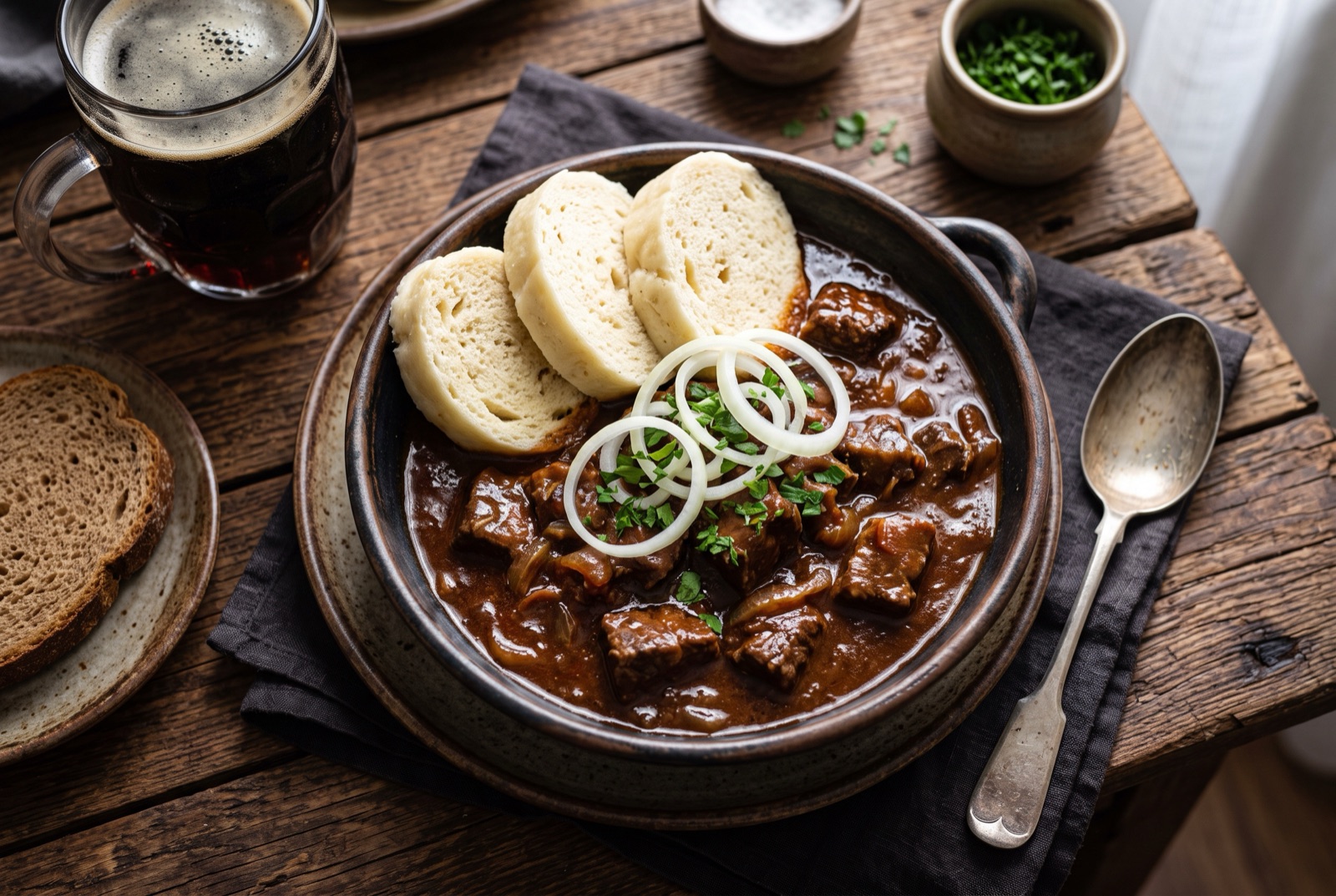
Czechia2 hr 55 min
Hovězí Guláš
Czech Beef Goulash with Bread Dumplings
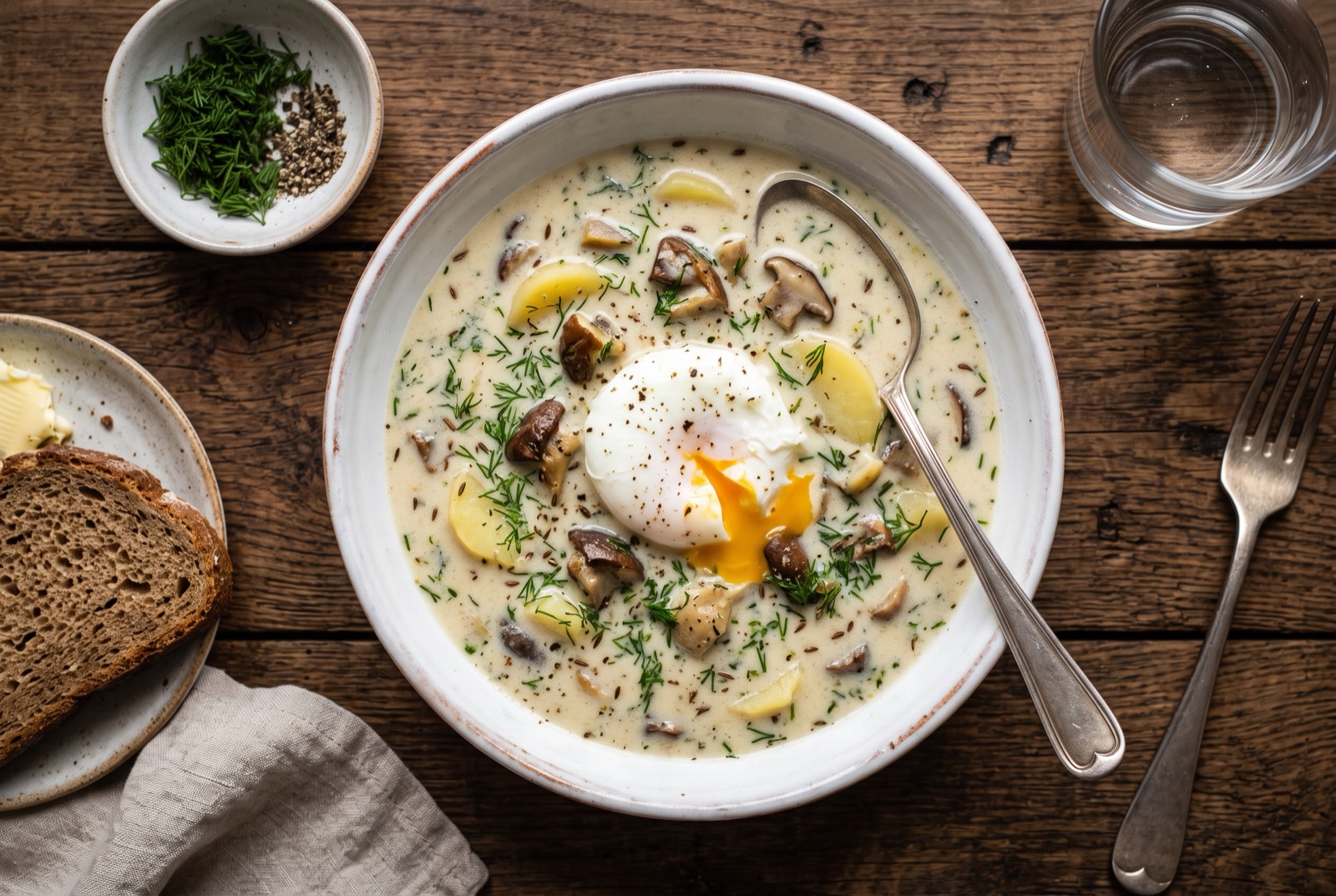
Czechia45 min
Kulajda
South Bohemian Dill, Mushroom and Potato Soup
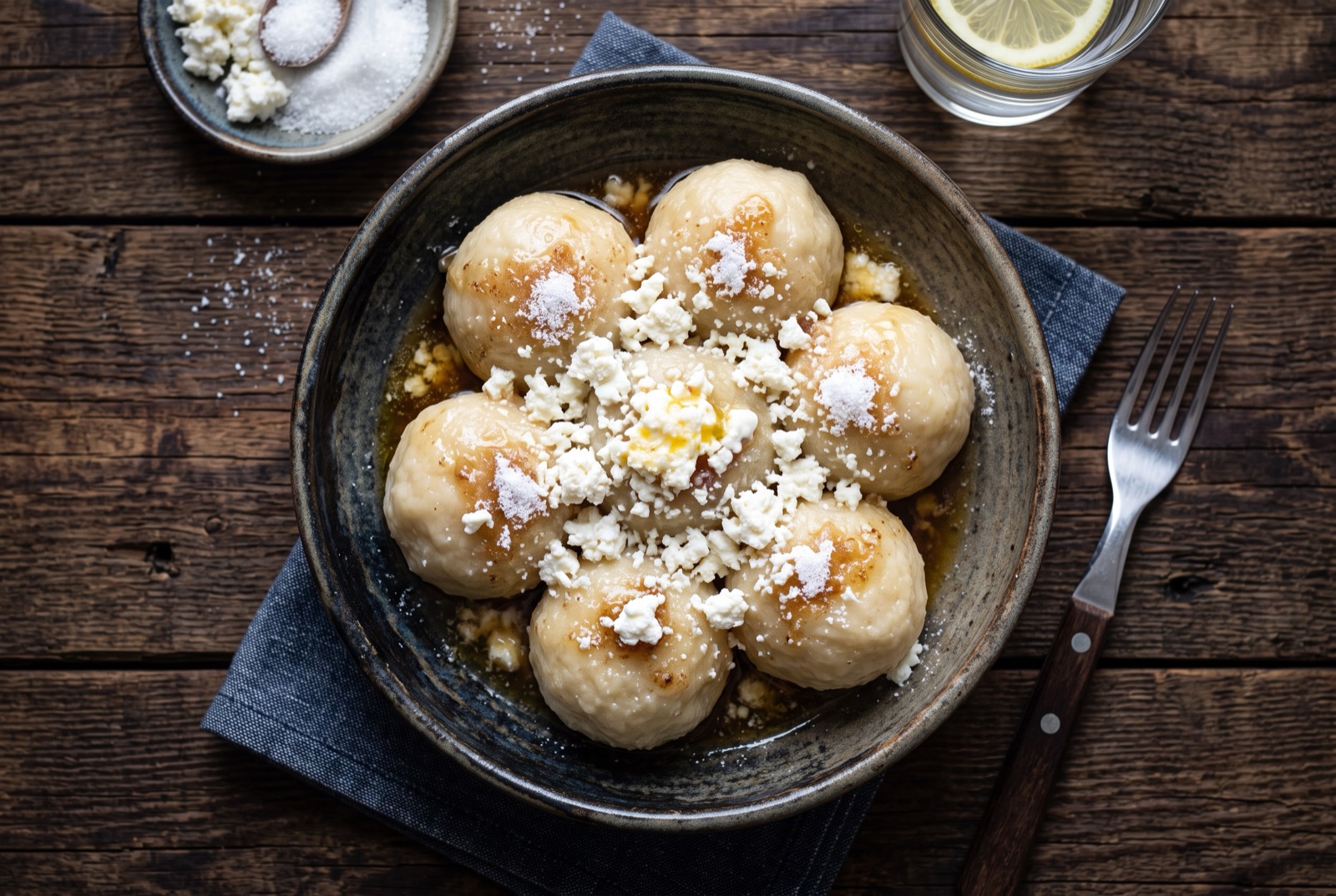
Czechia1 hr 20 min
Ovocné Knedlíky
Czech Fruit-Filled Quark Dumplings
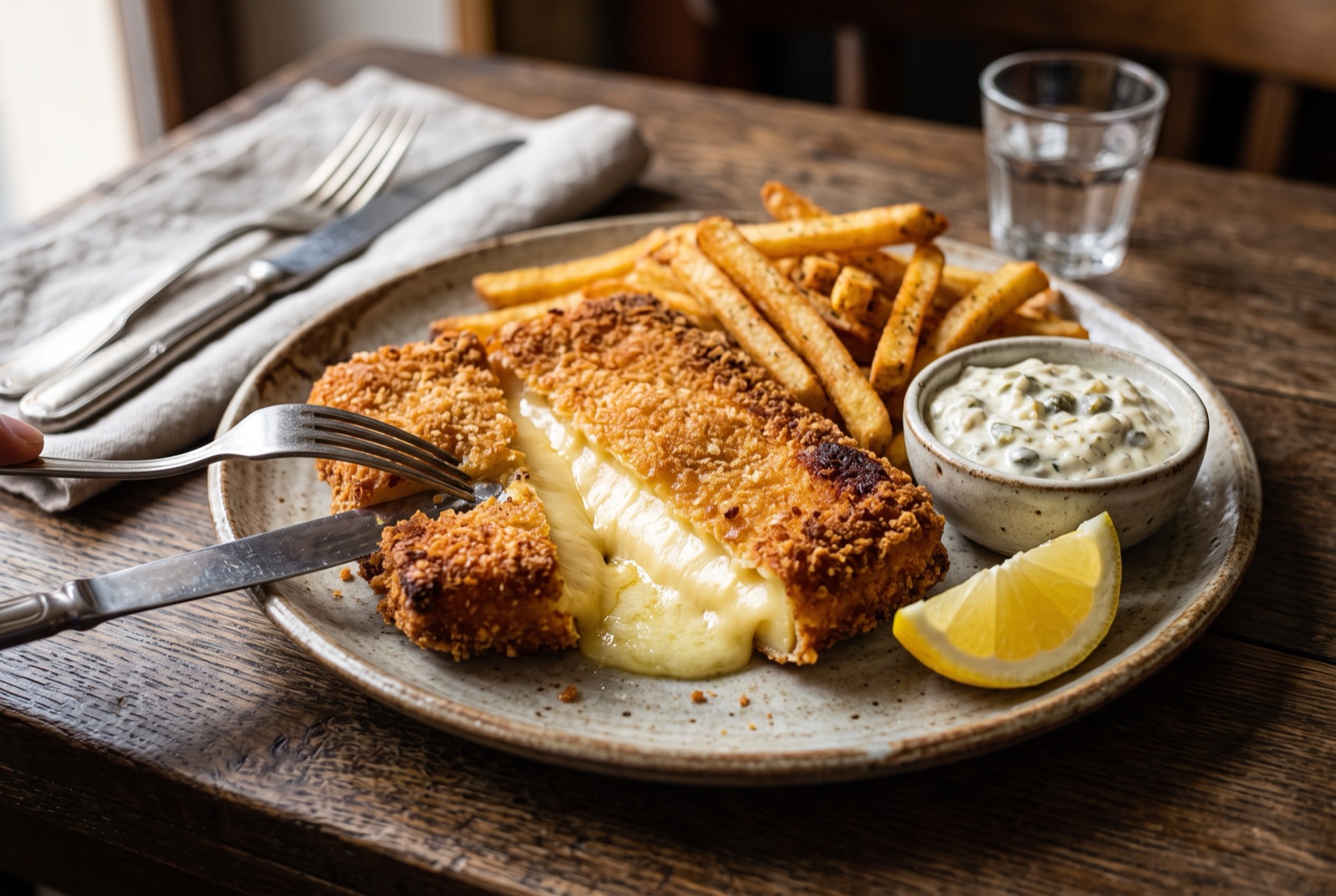
Czechia50 min
Smažený Sýr
Czech Deep-Fried Cheese with Tartare Sauce
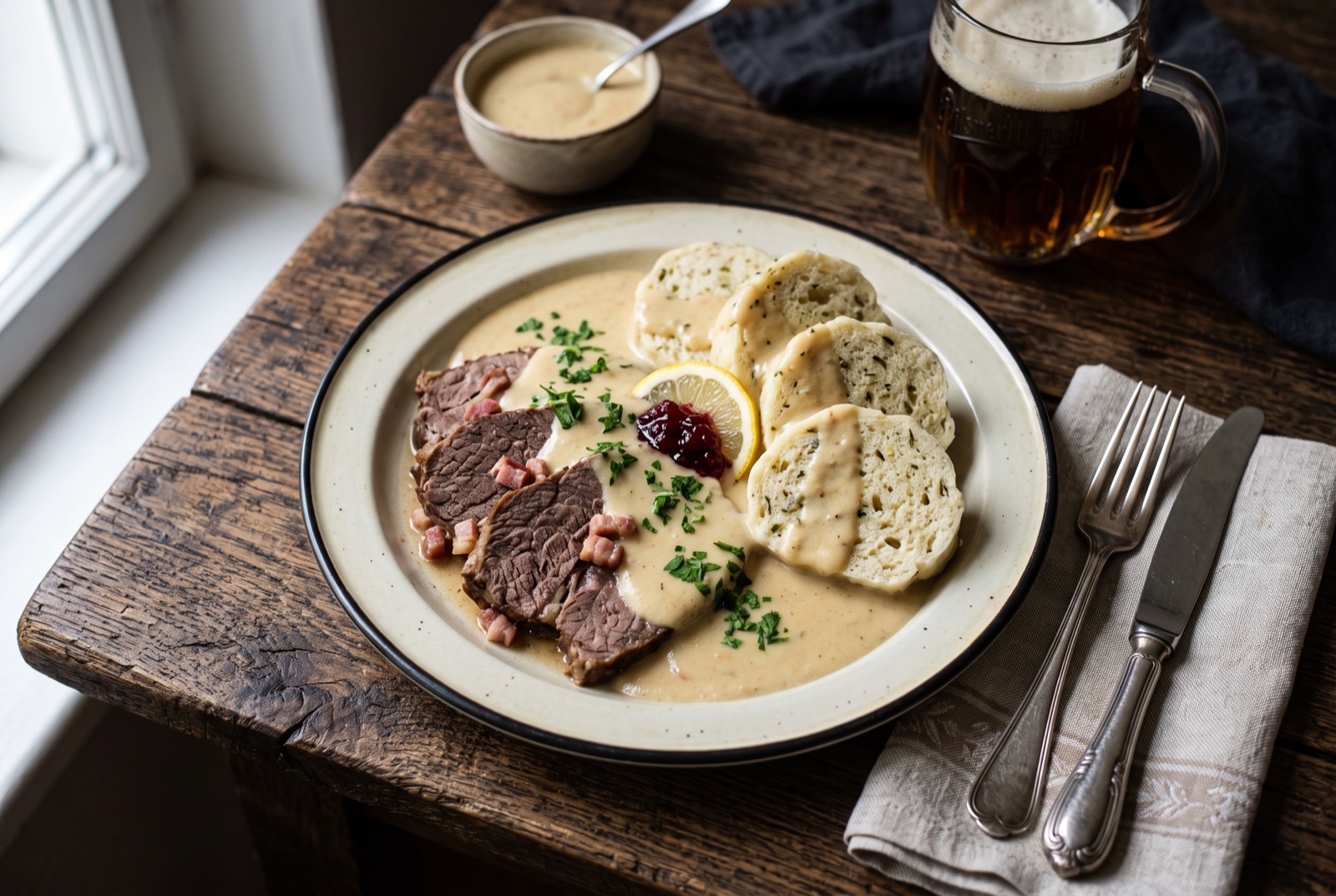
Czechia3 hr 55 min
Svíčková na Smetaně
Beef in Root Vegetable Cream Sauce
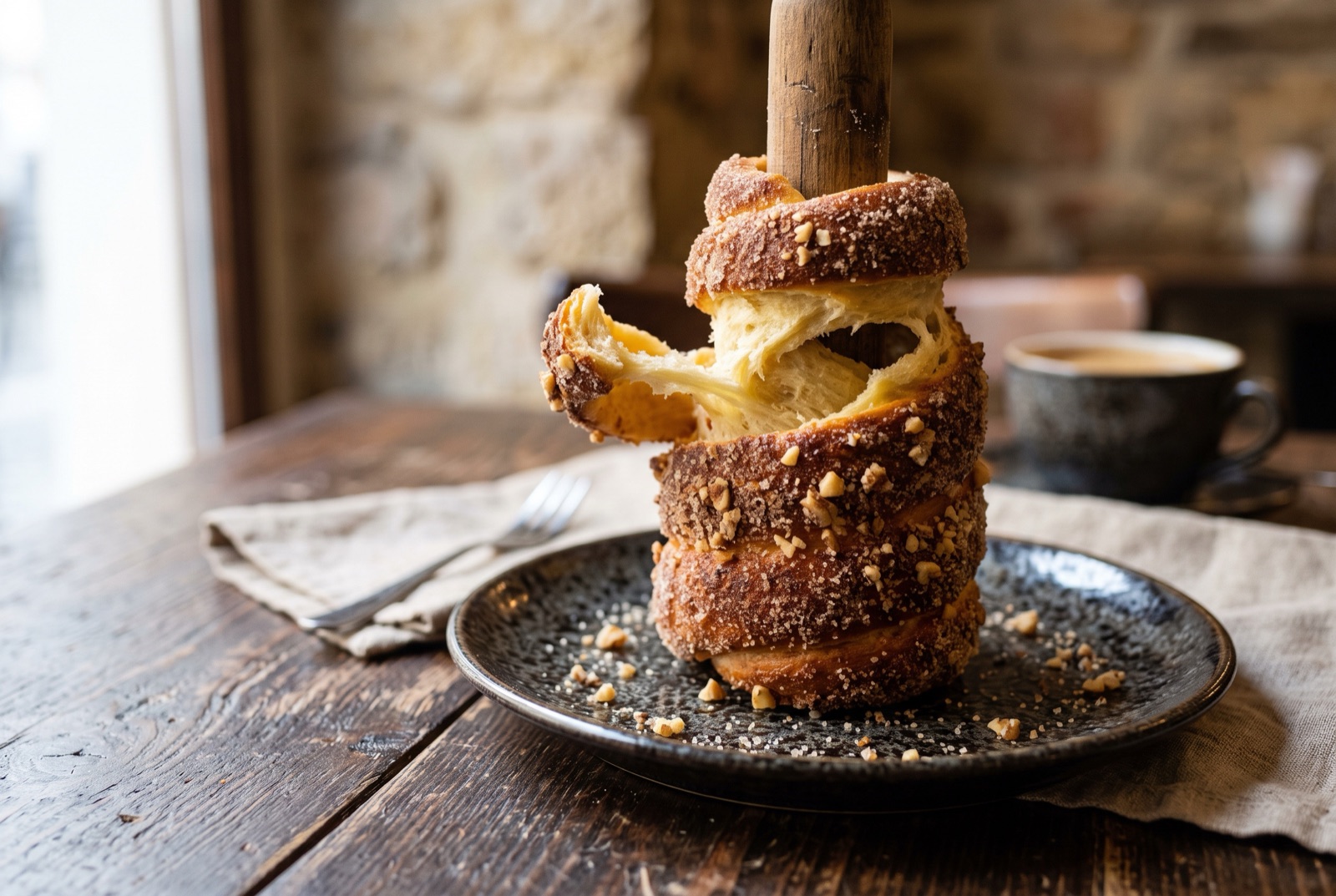
Czechia2 hr 40 min
Trdelník
Sugar-Crusted Czech Chimney Cake
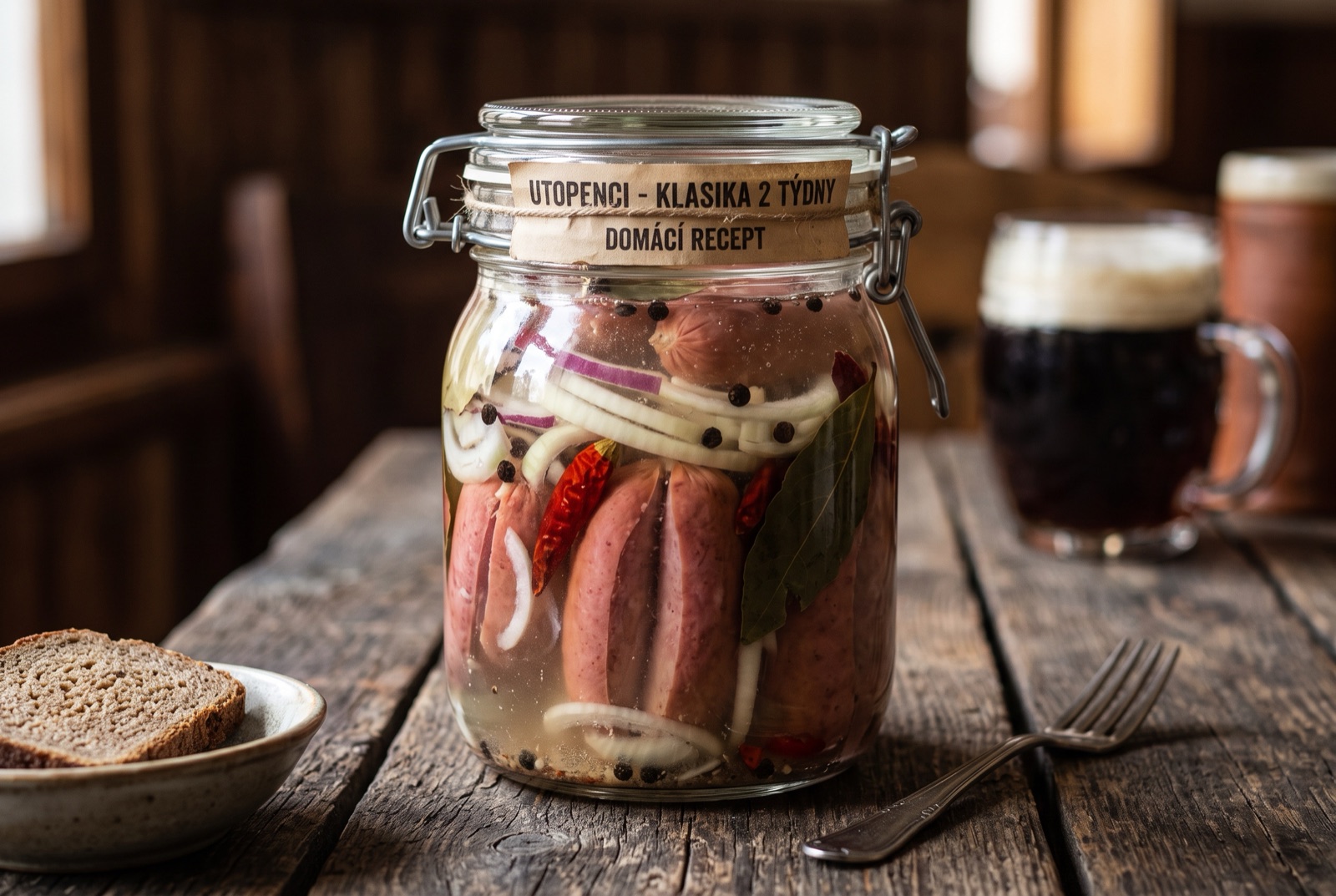
Czechia336 hr 30 min
Utopenci
Czech Pickled Sausages with Onion
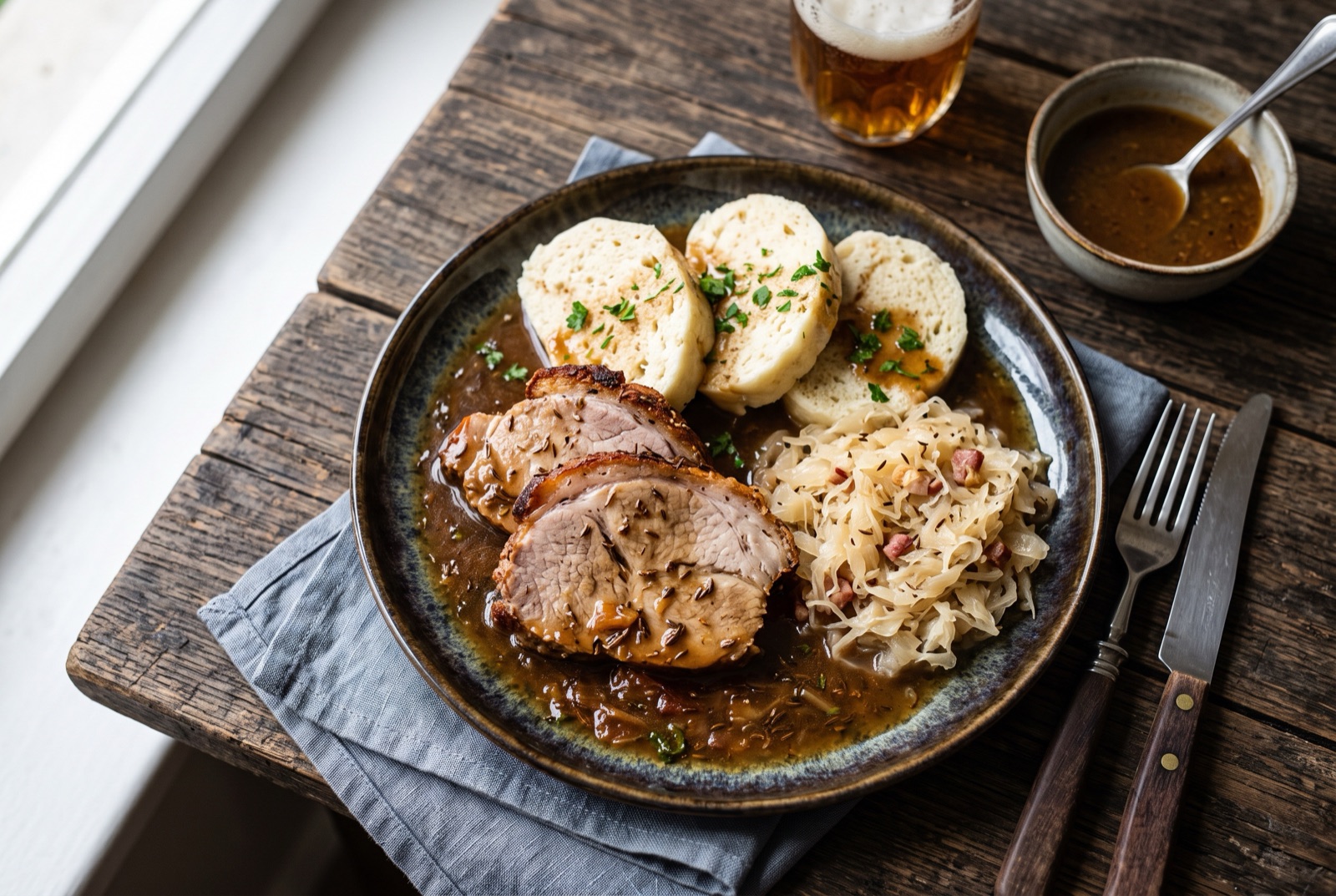
Czechia4 hr 55 min
Vepřo Knedlo Zelo
Roast Pork with Dumplings and Sauerkraut
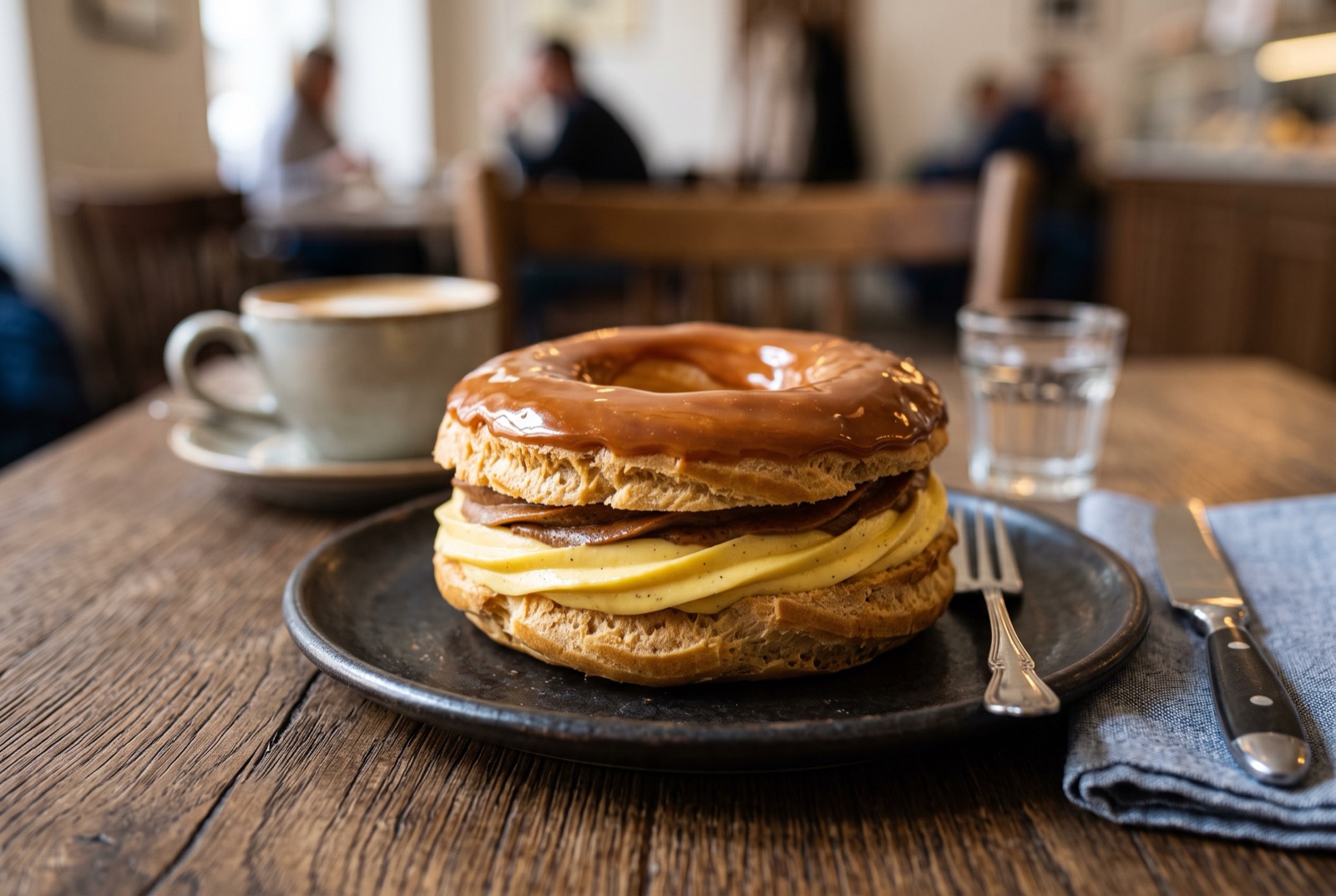
Czechia3 hr 25 min
Větrník
Czech Caramel Choux Pastry Wheel
Keep traveling.
Czechia sits in Central Europe, and its kitchen shares borders as well as ingredients with Albania and Austria.
 Albania
 Austria