Moldova.
Moldovan cooking is Romanian cooking with the volume turned up on a few specific things: sourness, garlic, dairy and wine. The base is shared — mămăligă instead of bread, pork through the winter, vegetables put into brine rather than vinegar — but the details diverge. Soup here is soured with borș, a cloudy liquid fermented at home from wheat bran, then finished off the heat with leuștean, the lovage that grows in every garden and tastes like celery amplified. Garlic is used in quantities that read as a typo: a whole head goes into a pot of ostropel without comment. Smântână, thicker and sharper than most Western soured creams, arrives by the spoonful rather than the dot. And because this is a country that measures itself in vineyards, sarmale are wrapped in brined grapevine leaves at least as often as in cabbage, and rolled small — thumb-sized, five or six to a portion. It is frugal food with a loud finish, and very little of it needs anything a household could not grow.

- Continent
- EuropeEastern Europe
- Recipes in atlas
- 10
- Must-try dishes
- 5
- Pantry staples
- 10
Start with the classics.
Must tryThe dishes that explain the Moldova kitchen fastest — if you cook only a few things from this page, cook these.
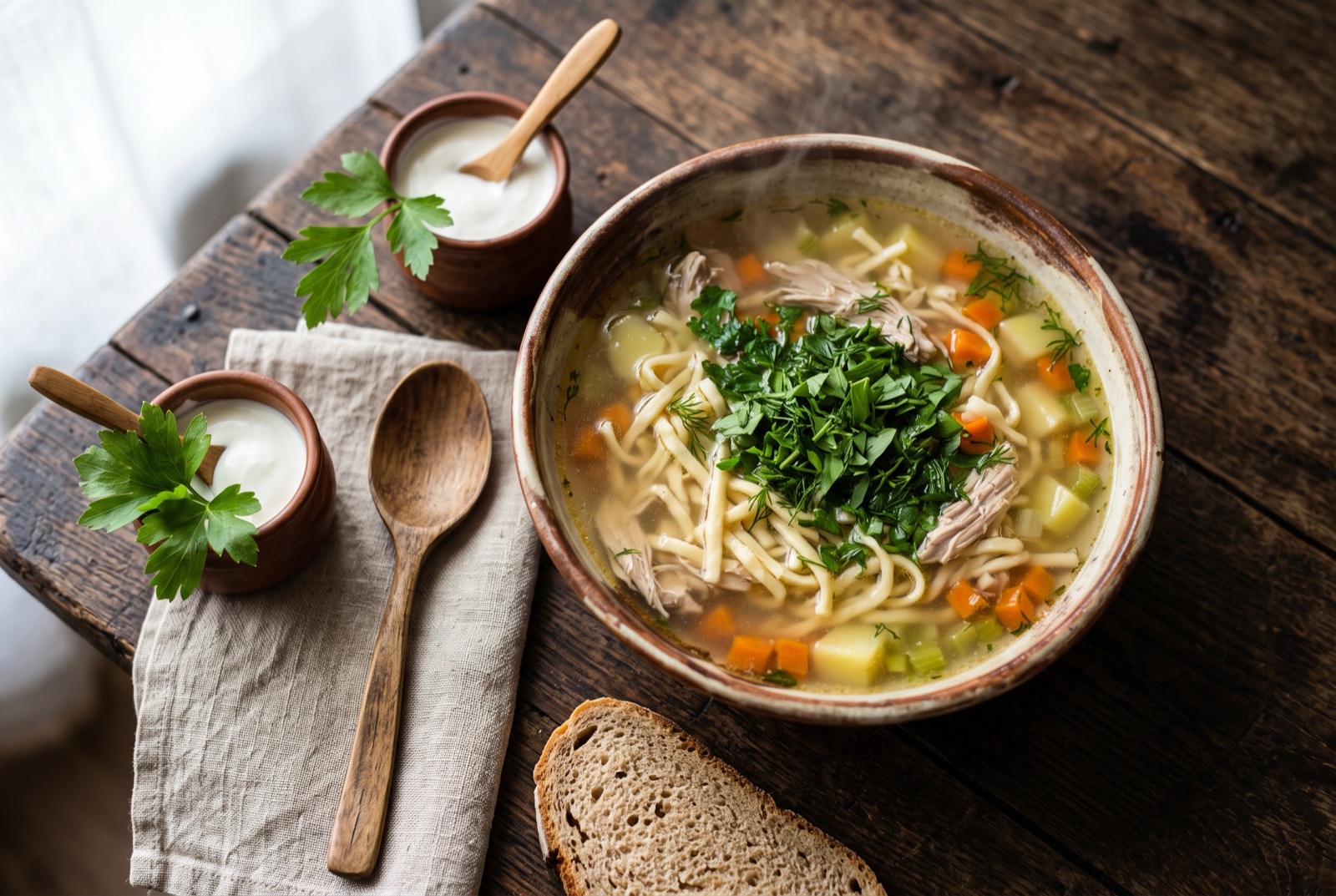
Moldova1 hr 55 min
Zeamă
Moldovan Sour Chicken Noodle Soup
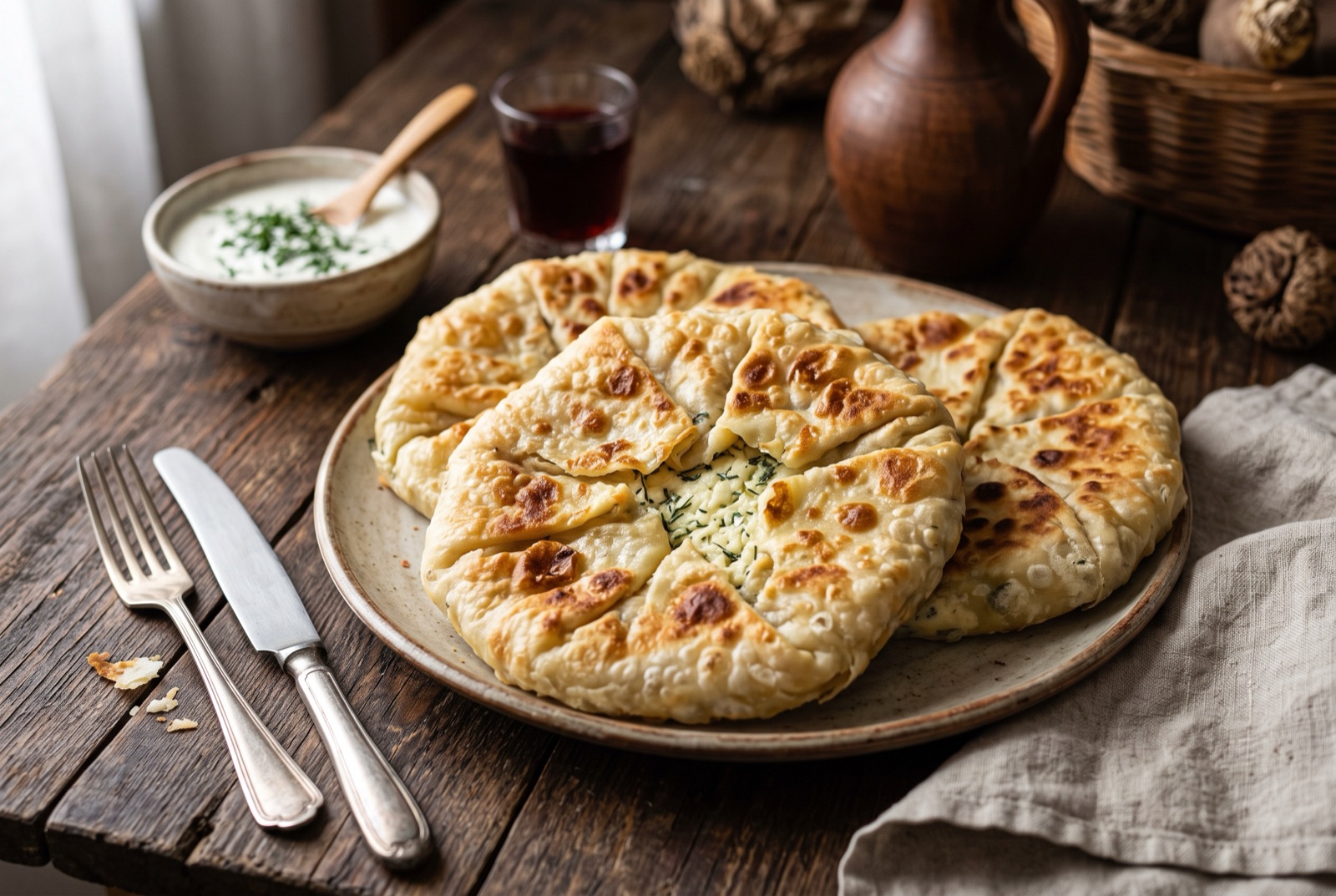
Moldova2 hr
Plăcinte cu Brânză
Moldovan Pan-Fried Cheese Pastries
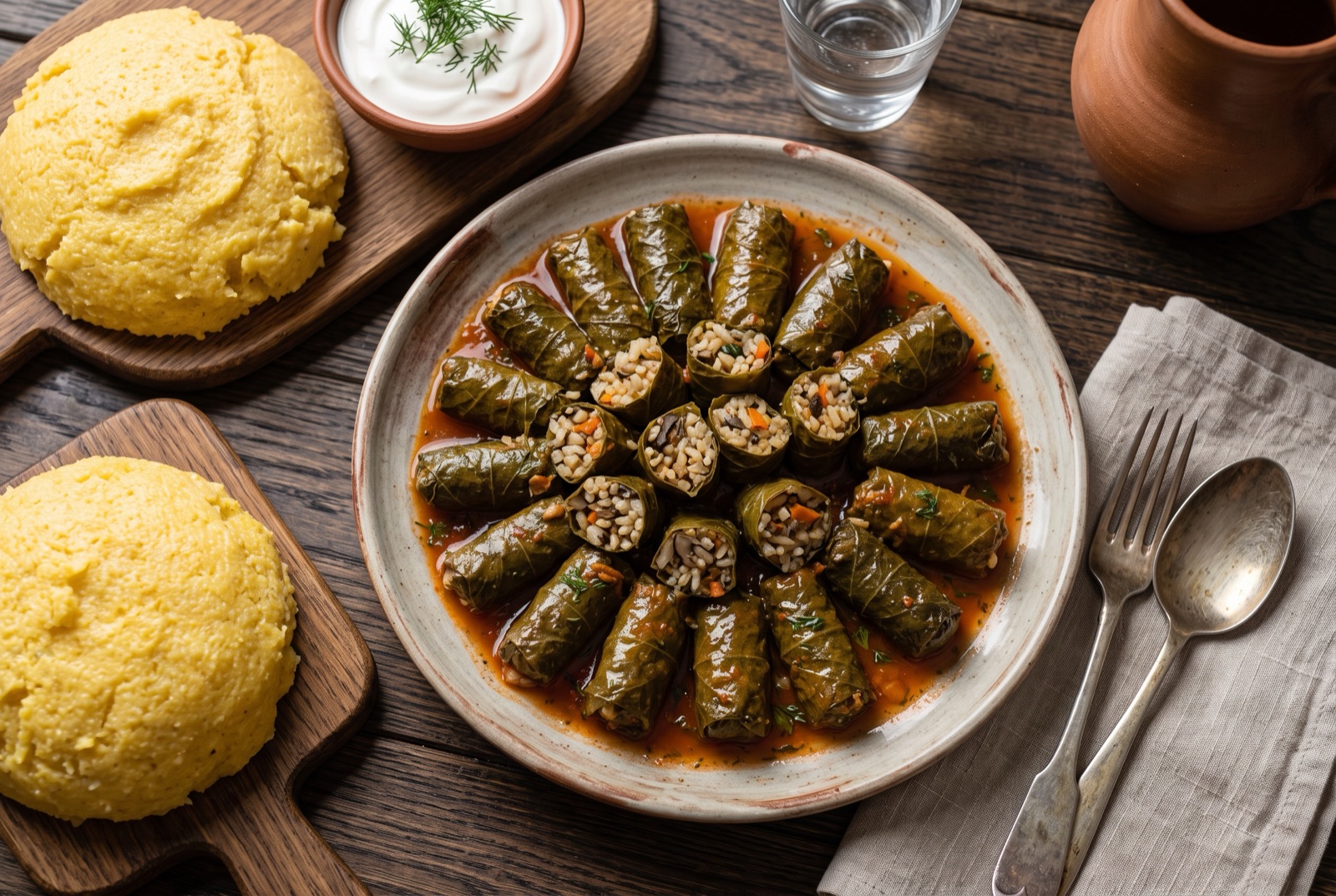
Moldova2 hr 30 min
Sarmale de Post
Vine Leaf Rolls with Rice and Mushrooms
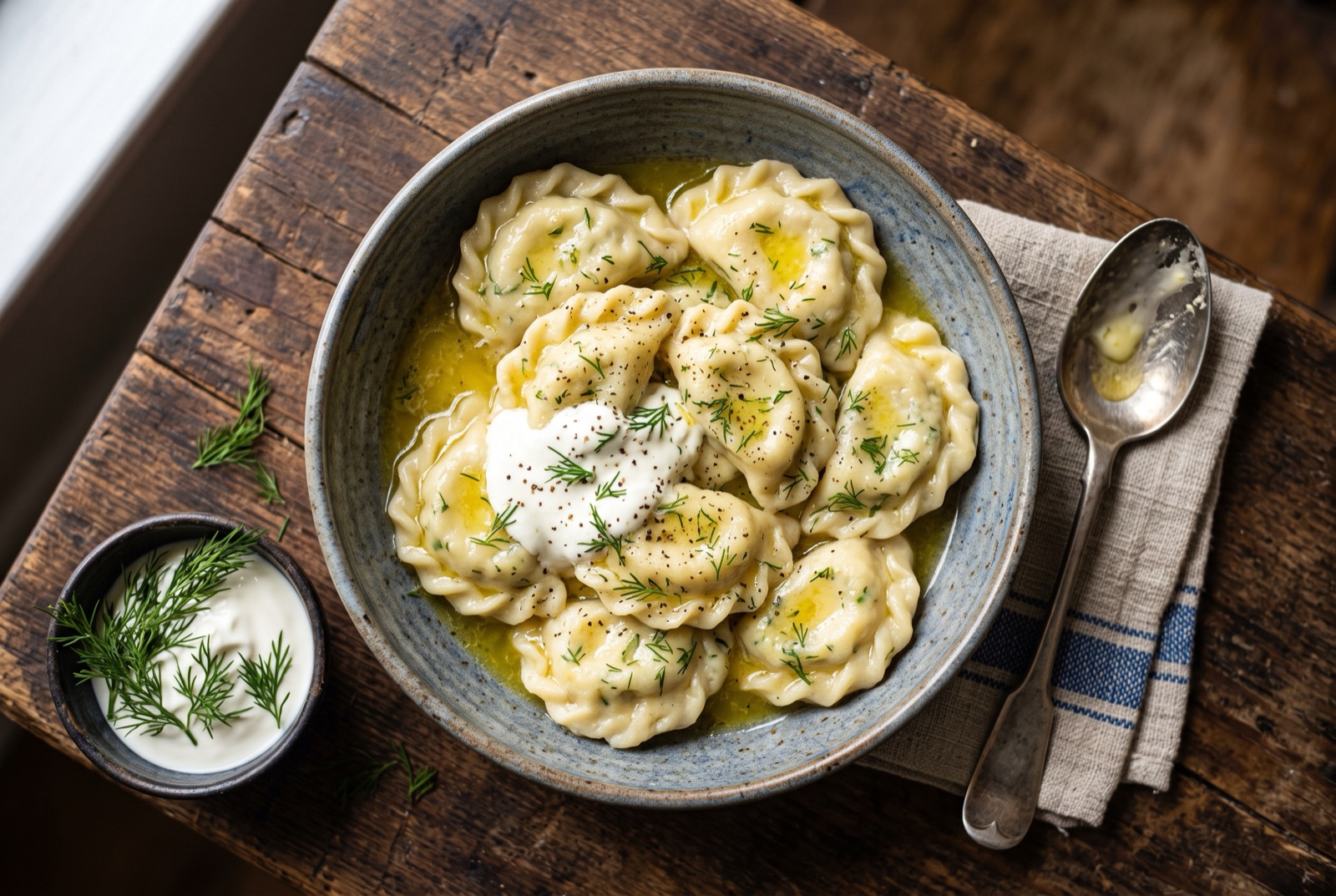
Moldova1 hr 30 min
Colțunași cu Brânză
Moldovan Curd Cheese Dumplings
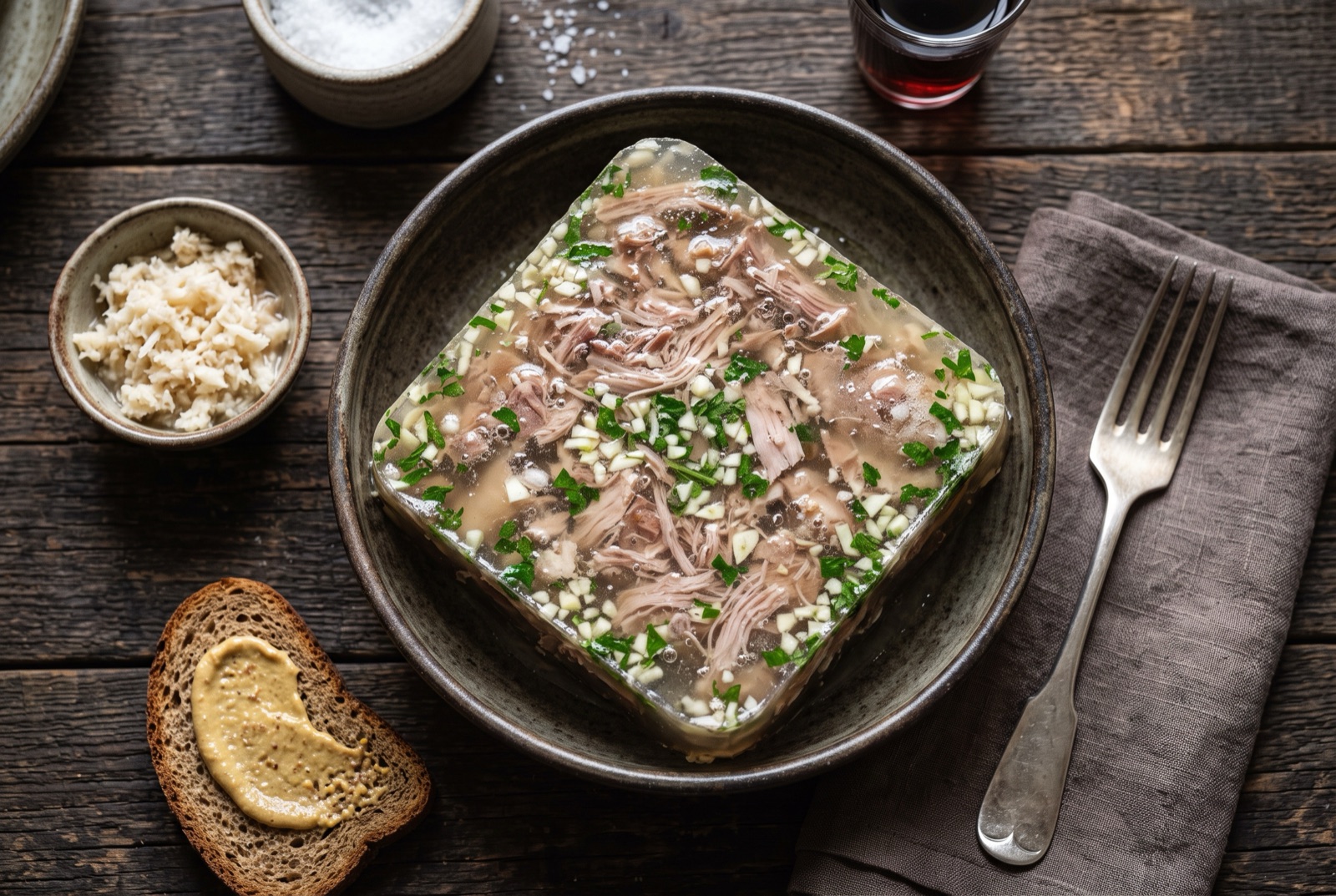
Moldova16 hr 10 min
Răcitură
Moldovan Jellied Pork with Garlic
Inside the Moldova kitchen.
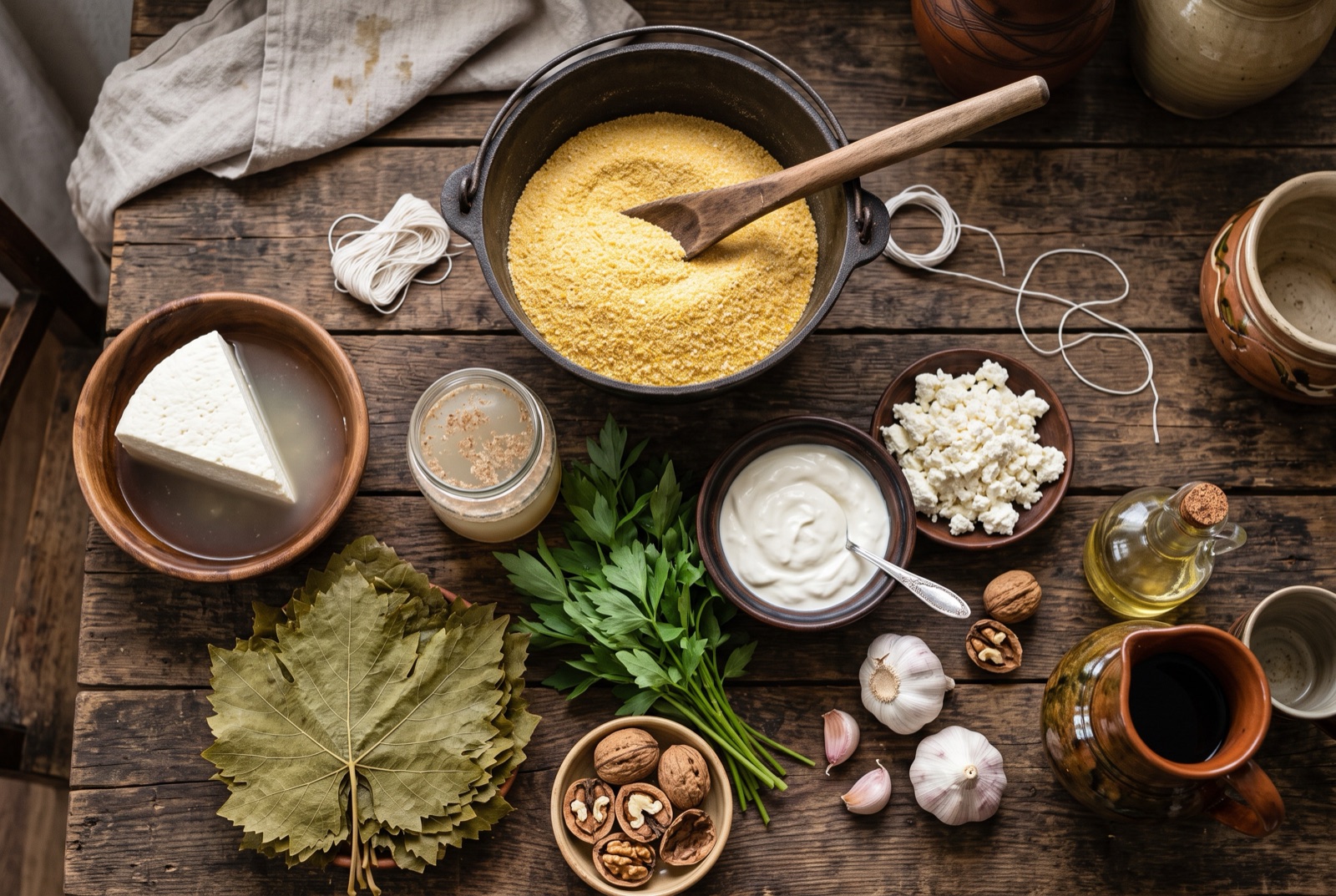
The pantry is short and heavily preserved. Cornmeal is the everyday starch: mămăligă is beaten until it pulls away from the pot, turned out as a dome and cut with a thread rather than a knife, standing in for bread beside stews, cheese and fried eggs. Dairy divides into three things a cook keeps carefully separate — brânză de vaci, the fresh unsalted cow's curd that fills dumplings and pastries; brânză de oi, the crumbly salted sheep cheese kept in brine; and smântână, the thick soured cream that finishes almost everything hot. Sunflower oil, not butter or olive oil, is the default fat. Walnuts, plums and sour cherries come off trees in the yard, and what is not eaten in season is boiled down into bulion — homemade tomato passata sealed in jars — or dried, brined and pickled.
Sourness is the organising principle, and the Moldovan version of it is borș de tărâțe: wheat bran fermented with water and a crust of bread until it turns sharp, kept alive in a jar the way others keep a sourdough starter. It is not the beetroot soup the same word names in Ukrainian and Polish, and the distinction matters. Zeamă, the clear hen soup with hand-cut noodles, is soured at the very end, off the boil, then finished with a fistful of lovage and served scalding with sour cream and a raw chilli.
Dough work is the other household skill. Plăcinte are stretched by hand until translucent, folded around sheep cheese and dill and cooked dry in a hot pan until the surface blisters — a stovetop pastry that never needed a bread oven. Colțunași are the boiled cousin, half-moons of curd and dill lifted out the moment they float and served under melted butter and smântână. Alivenci sits between them: cornmeal, curd, eggs and dill baked in a tray until the top cracks, savoury with pepper or lightly sweetened, depending entirely on the household.
Meat is winter food and mostly pig. The December slaughter still sets the village calendar, and it produces răcitură — trotters and ears simmered half a day until the broth sets by itself, poured over picked meat with raw crushed garlic and left in the cold overnight. Garlic runs at that intensity throughout, from mujdei, pounded with salt into a sauce for grilled meat, to the head that disappears into ostropel de pui. Against all of it sits a parallel meatless cuisine, because the Orthodox fasting calendar claims a large share of the year: sarmale de post filled with mushrooms and rice, potato plăcinte, bean dishes cooked with care rather than resignation.
Wine explains more of the table than anything else. Vineyards take up a striking share of a small country, most households press their own, and the vine leaves that wrap Moldovan sarmale are a by-product — picked young in late spring, brined for the year. The honest position on the rest is that Moldova shares nearly every dish with Romania and says so; the differences are of emphasis, and of the neighbours it also borrows from. The Gagauz south cooks more lamb and more pastry, the Slavic left bank of the Dniester eats vareniki and salo beside mămăligă, and the Soviet decades left mayonnaise salads that now appear on holiday tables without anyone calling them foreign.
Signature pantry.
10 staplesThe ingredients this cuisine cannot function without.
- cornmeal for mămăligă
- borș de tărâțe (fermented wheat bran souring liquid)
- leuștean (lovage)
- smântână (thick soured cream)
- brânză de vaci (fresh cow's curd)
- brânză de oi (salted sheep cheese in brine)
- brined grapevine leaves
- sunflower oil
- garlic
- walnuts
How people eat in Moldova.
The meal that counts is masa, the long sit-down table, and it works on volume. Guests are fed well past the point of protest, and a refusal is treated as an opening position rather than an answer. Wine comes from the host's own barrel, poured into small glasses and topped up constantly, and every round wants a toast — the host speaks first and nobody drinks alone. Mămăligă is cut with a thread and picked up with the fingers as often as with a fork, and smântână is spooned over soup, pastry and dumplings without anyone asking first. Fasting days are kept by more people than admit it, so something meatless is usually on the table by default. Weddings run to hundreds of guests and end with zeamă served at three in the morning.
Regional kitchens.
Moldova cooks 4 distinctly different ways depending on where you stand — here is what changes between them.
- R1The Codru Hills and Chișinău
- The wooded central belt and the capital sitting in the middle of it, surrounded by the vineyards of Cricova and Mileștii Mici. This is walnut and grape country, and the cooking is the national default — mămăligă, plăcinte, ostropel — made with the confidence of a region that supplies the wine.
- R2The North: Bălți, Soroca and the Prut Valley
- Orchard and dairy country, close enough to Bukovina and Ukraine that the influence runs both ways. Fresh curd is abundant here, which is why cornmeal-and-curd bakes like alivenci belong to the north, sometimes still made in individual parcels wrapped in cabbage or vine leaves.
- R3Bugeac and Gagauzia (the South)
- Open steppe running down towards the Danube, hotter and drier, with sheep on the pasture and peppers and tomatoes in the fields. The Orthodox Turkic-speaking Gagauz and the Bulgarian villages around Taraclia cook more lamb and layered pastry than the rest of the country, and preserve peppers on a serious scale.
- R4The Left Bank of the Dniester
- A Slavic-majority strip where Ukrainian and Russian habits sit alongside Moldovan ones on the same table. Vareniki, salo and beetroot borscht in the Ukrainian sense are everyday food here, eaten with mămăligă and smântână rather than instead of them.
All Moldova recipes.
10 recipes and counting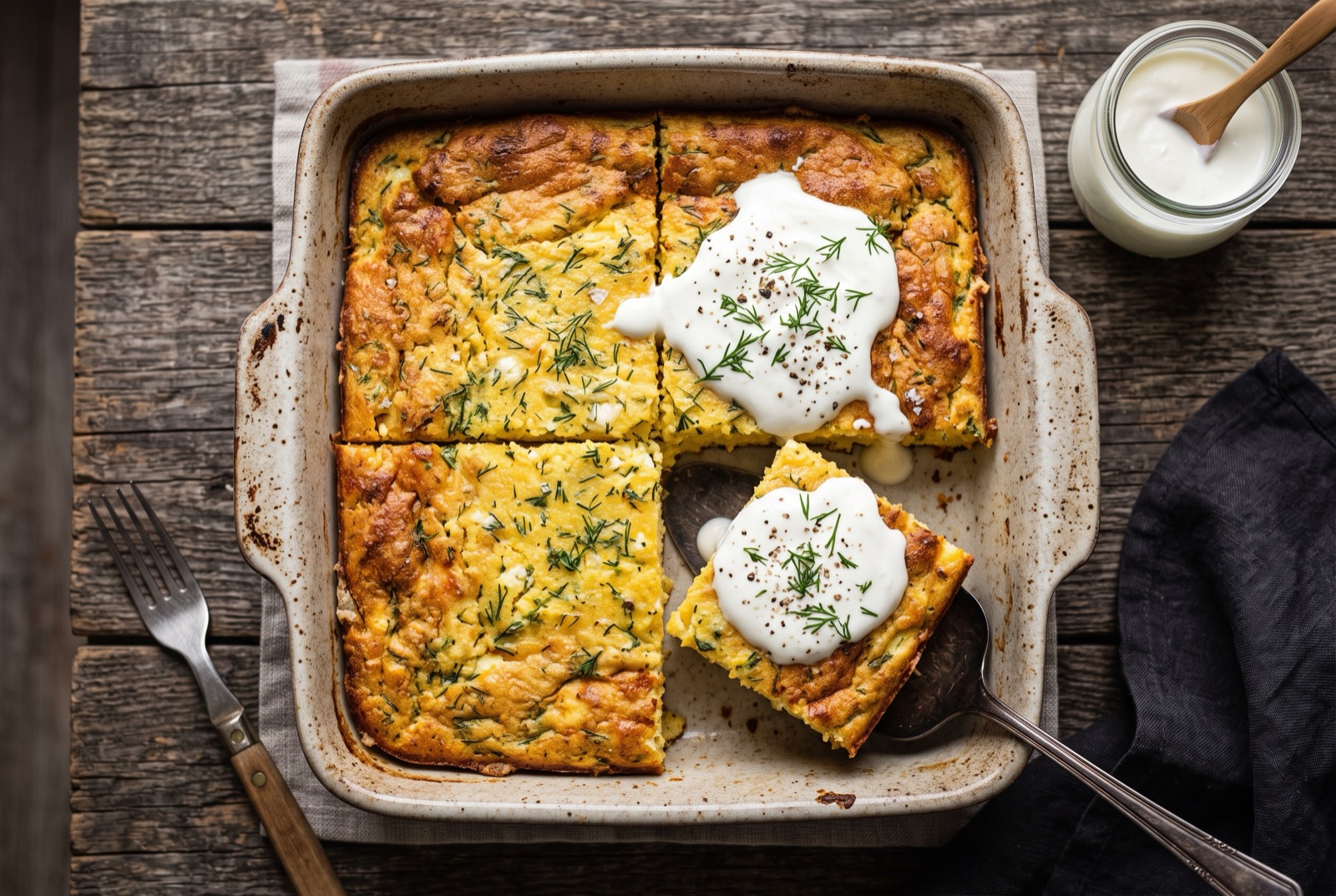
Moldova1 hr 5 min
Alivenci
Moldovan Cornmeal and Curd Cheese Cake
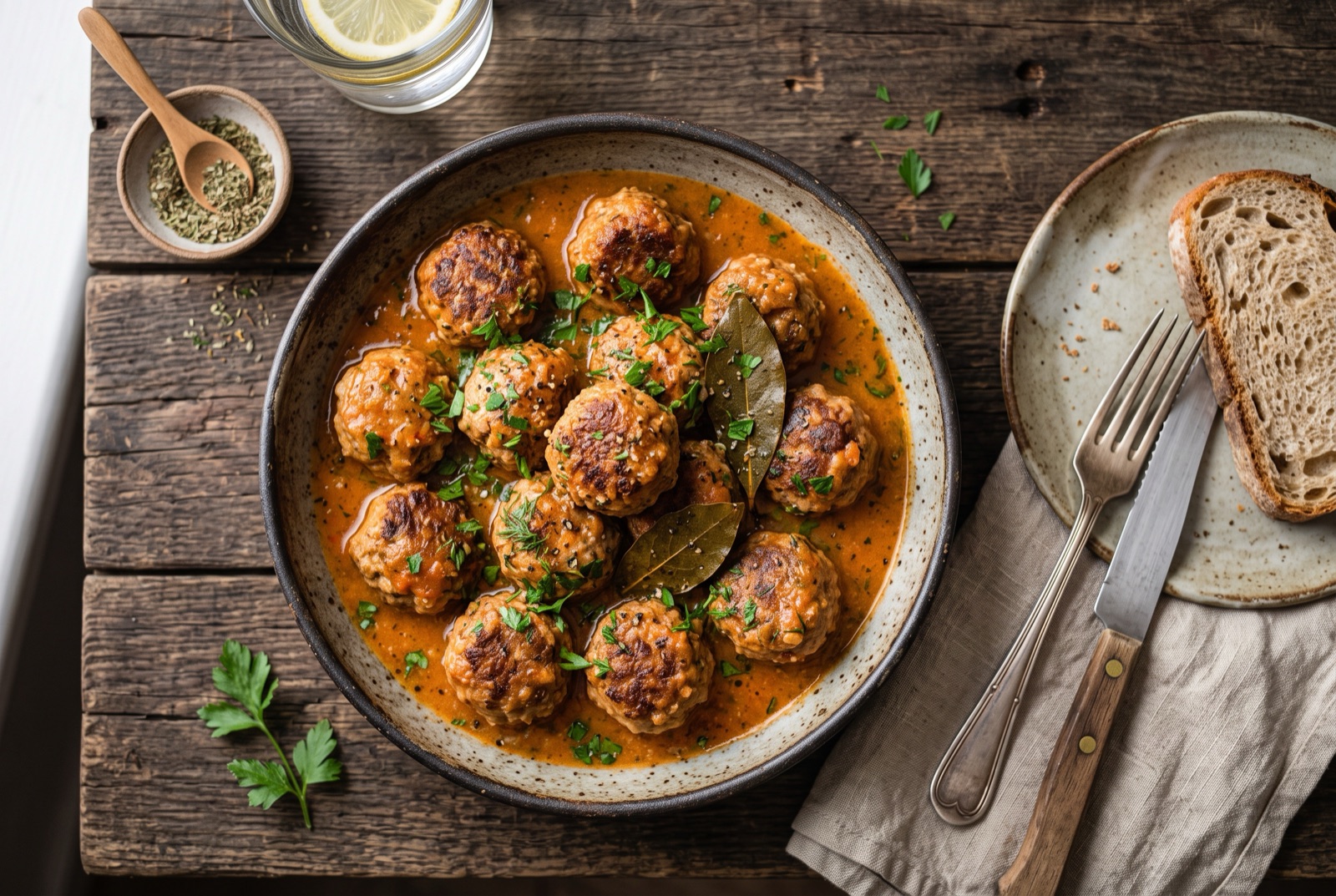
Moldova1 hr 25 min
Chiftele Marinate
Fried Meatballs Stewed in Tomato Sauce
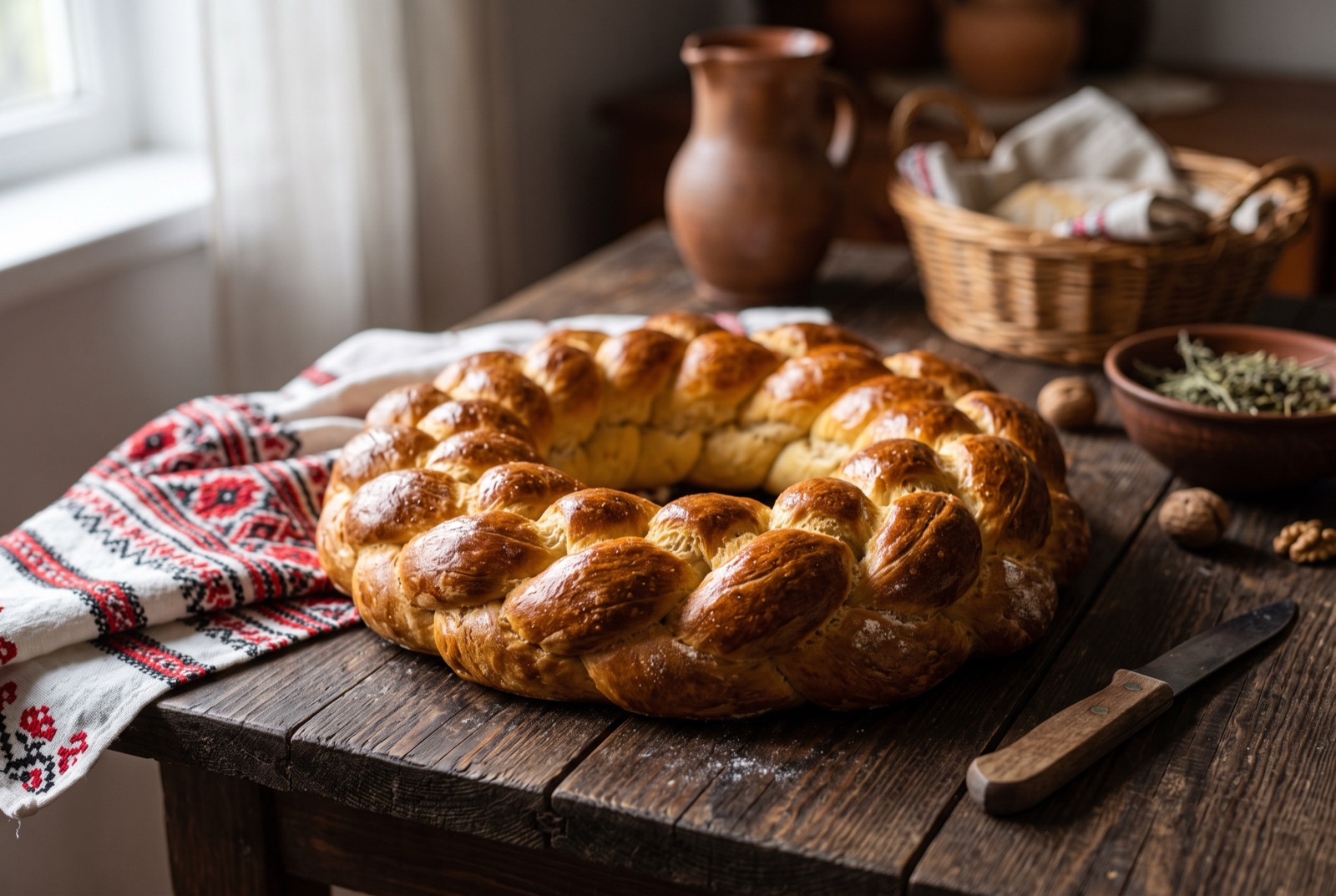
Moldova3 hr 45 min
Colaci Moldovenești
Braided Ring Bread for Feasts
Moldova1 hr 30 min
Colțunași cu Brânză
Moldovan Curd Cheese Dumplings
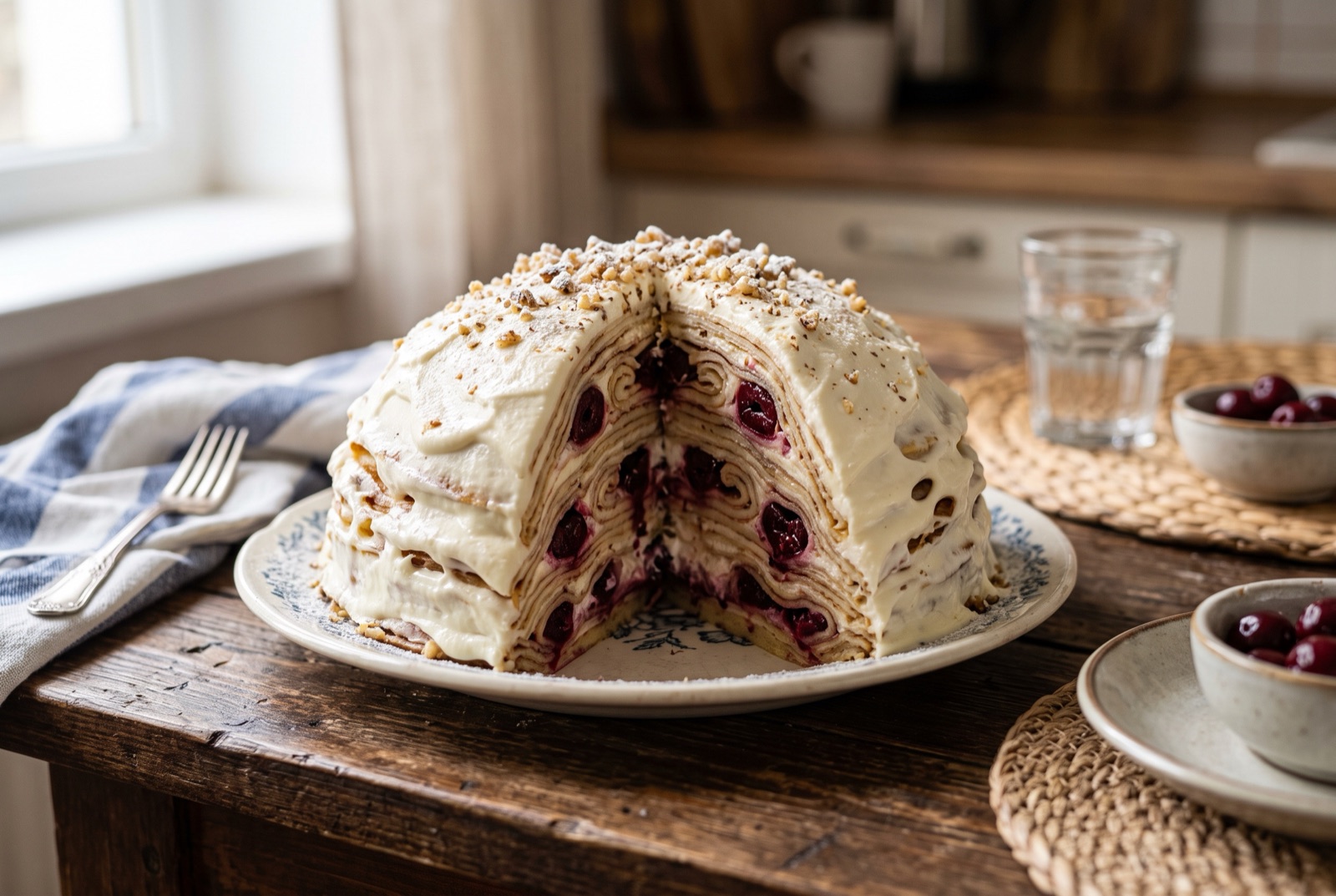
Moldova5 hr 20 min
Cușma lui Guguță
Moldovan Sour Cherry Pancake Cake
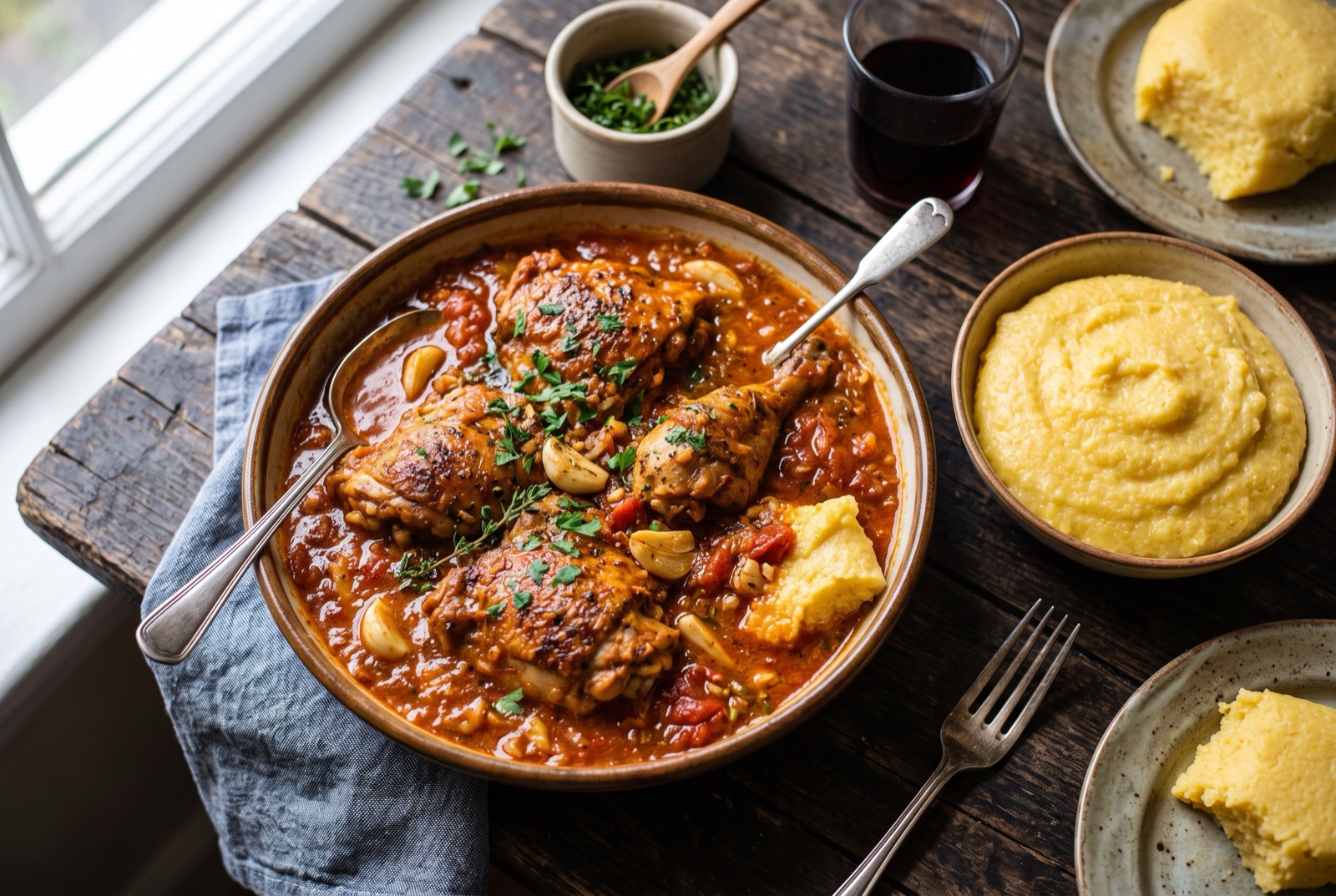
Moldova55 min
Ostropel de Pui
Chicken in Garlic and Tomato Sauce
Moldova2 hr
Plăcinte cu Brânză
Moldovan Pan-Fried Cheese Pastries
Moldova16 hr 10 min
Răcitură
Moldovan Jellied Pork with Garlic
Moldova2 hr 30 min
Sarmale de Post
Vine Leaf Rolls with Rice and Mushrooms
Moldova1 hr 55 min
Zeamă
Moldovan Sour Chicken Noodle Soup
Keep traveling.
Moldova sits in Eastern Europe, and its kitchen shares borders as well as ingredients with Albania and Austria.
 Albania
 Austria