Jhal Muri.
Bengali Spicy Puffed Rice Snack
ঝাল মুড়ি · say it: JHAAL MOO-ree
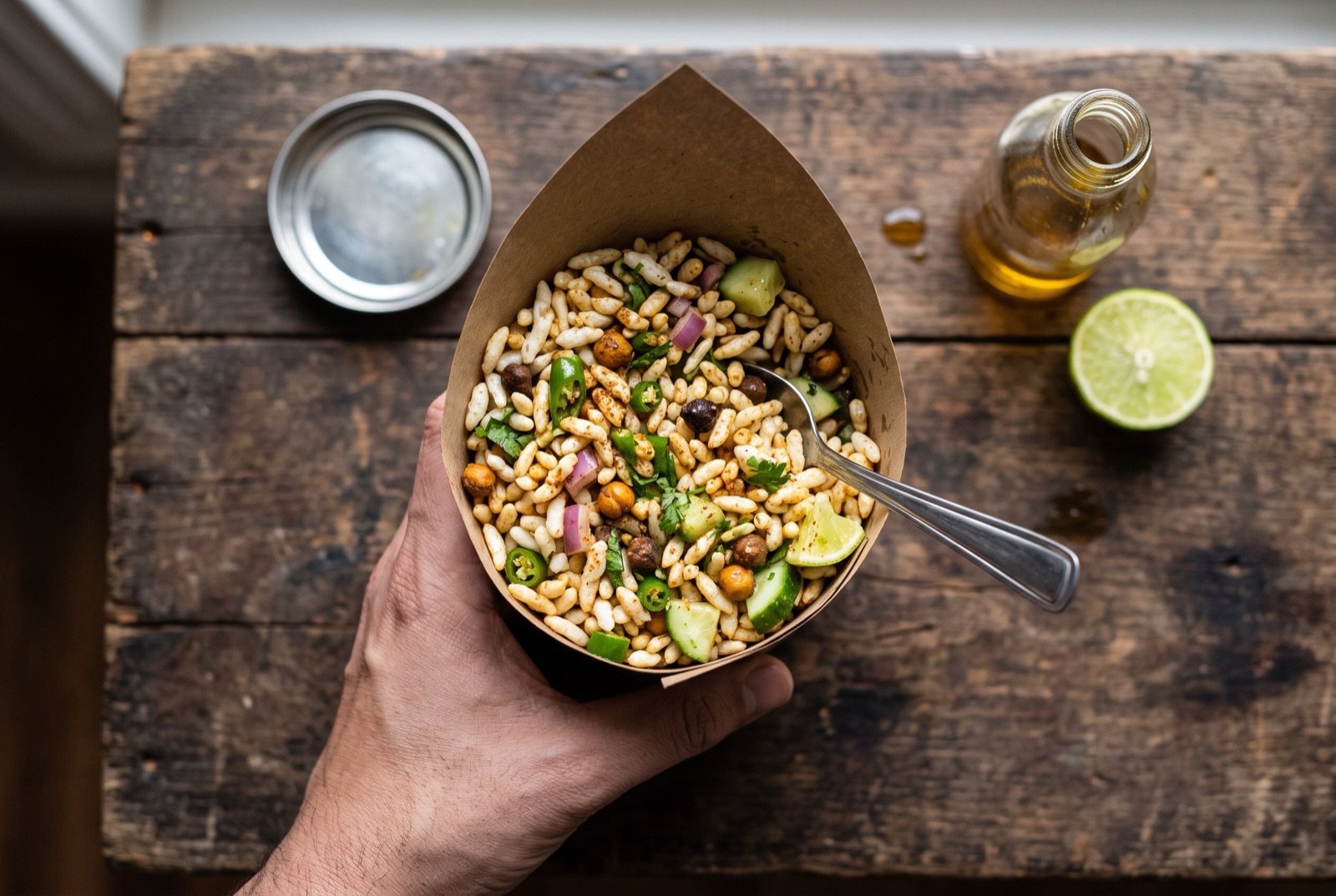
Jhal muri is puffed rice tossed with raw mustard oil and a handful of sharp, crunchy, wet things: chopped onion, green chile, cucumber, tomato, roasted peanuts, fried chickpea noodles and a squeeze of lime. Jhal means hot, muri means puffed rice, and there is no cooking involved beyond toasting the peanuts. It works because of contrast — the rice is weightless and dry, the mustard oil is pungent and raw, the vegetables are cold and wet, and the salt is black salt, which brings a sulphurous tang that ordinary salt does not. It is street food sold in twists of newspaper across Bangladesh and West Bengal, it costs almost nothing, and it must be eaten within about five minutes before the muri goes soft.

- Gate
- BangladeshNationwide
- Prep
- 12 min
- Cook
- 3 min
- Total time
- 15 min
- Serves
- 4
- Status
- Easy
- Nutrition / serving · estimated
- Calories 290 kcal
- Protein 8 g
- Carbs 31 g
- Fat 16 g
- Fiber 5 g
- Sodium 690 mg
Why this recipe works.
- Built the way a vendor builds it — everything prepped, then mixed in seconds so the puffed rice stays crisp.
- Uses raw mustard oil as the base rather than treating it as an optional flourish.
- No cooking beyond a two-minute peanut toast, and no equipment beyond a large bowl or tin.
- Explains the three-part balance of dry, wet and pungent so you can improvise the way street carts do.
Ingredients.
14 itemsThe base
The fresh things
The crunchy things
The seasoning
Equipment
- Large mixing bowl or a tin with a lid
- Sharp knife
- Small dry pan for the peanuts
Instructions.
Toast the peanuts
Put 60 g of raw peanuts in a dry pan over medium heat and shake for 3 minutes, until the skins darken and split and they smell roasted. Tip them onto a plate to cool — they must be completely cold and brittle before they go into the mix.
Check the muri is crisp
Eat one puffed rice grain. If it is anything less than shatteringly dry, spread the muri on a baking tray and dry it in a 140°C oven for 5 minutes, then cool it fully. Soft muri cannot be rescued once the oil goes on.
Prep everything into small pieces
Chop the onion, chiles, cucumber and tomato to roughly the size of a grain of puffed rice, and press the cucumber and tomato between sheets of paper towel to take off their surface water. Have the coriander chopped and the lime cut before you go any further.
Tip From here the whole dish takes under a minute, so get everything within arm's reach first.
Mix the base
Tip the muri into a large bowl or a lidded tin, pour over the mustard oil, and toss hard with both hands or shake the closed tin for 15 seconds until every grain looks faintly glossy and the sharp mustard smell rises out of the bowl.
Add everything else and shake
Add the chopped vegetables, coriander, toasted peanuts, chanachur, black salt, roasted cumin, chile powder and turmeric, and toss again for 10 seconds until evenly distributed. Squeeze the lime over at the last possible second and give it one final toss.
Serve immediately
Scoop into paper cones or bowls and eat straight away, within three or four minutes while the rice is still crisp and the vegetables still cold. Anything left over should be eaten now, not saved.
Tips from our kitchen.
- Check the muri is properly crisp before you start. If it has softened in the packet, spread it on a tray in a 140°C oven for 5 minutes and cool it completely.
- Chop the onion, chile and cucumber very small, about the size of a puffed rice grain. Large pieces sink to the bottom and the mouthfuls stop being balanced.
- Pat the cucumber and tomato dry on paper before they go in. Their water is what turns the muri soggy fastest.
- Add the lime juice absolutely last, with the bowl already in your hand and the plates ready. Everything else can wait; lime cannot.
- Mix by shaking the bowl or tossing with both hands rather than stirring with a spoon, which crushes the rice.
- Black salt matters more than it looks. Ordinary salt makes a fine snack but a noticeably flatter one.
Substitutions.
- Mustard oil → Neutral oil with half a teaspoon of English mustard whisked in
- The raw pungency is central to jhal muri, so this is a compromise rather than a swap. Mustard oil keeps for a year and is sold in every South Asian shop.
- Chanachur or bhujia → Any crisp fried savoury snack mix, or extra roasted peanuts
- You need something salty and crunchy that is denser than the muri. Even crushed salted crisps do the job in an emergency.
- Black salt (kala namak) → Sea salt plus a small squeeze of extra lime
- The extra acidity partly compensates for the missing tang, though the sulphurous note that defines the flavour cannot be reproduced.
Variations.
- Kolkata-style jhal muri
- Adds slivers of fresh coconut and cubes of boiled potato, with a little less chile. Slightly sweeter and denser than the Bangladeshi version.
- Jhal muri with green mango
- Unripe green mango cut into matchsticks replaces some of the lime in spring. Sour, crunchy and the seasonal favourite version.
- Bhel puri
- The Mumbai relative, built on the same puffed rice but with tamarind and mint chutneys instead of mustard oil, and topped with crushed puri shells.
Storage & reheating.
Jhal muri does not keep. It is at its best within about three minutes of mixing and effectively finished within ten, once the cucumber and lime have wetted the rice. You can prep every component ahead — chop the vegetables and keep them covered in the fridge for a day, keep the muri and chanachur airtight — and mix at the moment of eating. Do not refrigerate mixed jhal muri; it becomes an unpleasant paste.
Serve with
Hot sweet milky tea, and a paper cone or a folded sheet of newspaper to eat it from — a bowl works but it is not the same.
The story behind Jhal Muri.
Muri — rice puffed by tossing grains in hot sand until they explode — is one of the great cheap staples of Bengal, sold by the sack, eaten plain with tea, soaked in milk for breakfast, mixed with jaggery, or turned into jhal muri when someone wants it interesting. The dish belongs to vendors more than to kitchens. A muriwala carries a tin drum of puffed rice, a stack of small steel containers holding chopped onion, chile, coconut slivers and spice mixes, a bottle of mustard oil and a knife, and builds each portion to order in a tin, shaking it hard so everything distributes, then pouring it into a cone of rolled newspaper.
The theatre is part of the appeal. A good vendor never measures, works fast, and asks only one question — how much chile. In Dhaka and Kolkata alike these carts cluster near schools, bus stops, cinema queues and riversides, and the dish has followed the Bengali diaspora abroad; a well-known jhal muri stall has traded in London markets for years, which is how a great many people outside South Asia first met it.
The non-negotiable ingredient is raw mustard oil. It is added unheated, and its pungency is the backbone of the dish in the same way olive oil is the backbone of a good salad. Bangladeshi and Indian versions differ mostly in details: Kolkata jhal muri often includes slivers of fresh coconut and a chunk of boiled potato, while Bangladeshi carts lean harder on chanachur, the fried chickpea-flour snack mix, and on more chile.
The rest is negotiable and always has been. Green mango when it is in season, roasted chickpeas, boiled potato, fried lentils, a scatter of coriander, a spoon of mustard-and-chile paste in some carts. What does not change is that it is mixed at the last second, because muri that has sat in lime juice and cucumber water for ten minutes is no longer a snack, it is a paste.
Questions, answered.
What exactly is muri?
Muri is puffed rice, made by tossing parboiled rice grains in hot sand until they burst and expand, then sieving the sand away. It is extremely light, almost flavourless on its own and very cheap, which is why it is a staple snack across Bengal. Any plain unsweetened puffed rice sold as murmura, mamra or kurmura works for this recipe.
Why does my jhal muri go soggy so fast?
Because of the water in the vegetables and the lime juice. Pat the chopped cucumber and tomato dry before adding them, keep the lime for the very last second, and mix only what you are about to eat. Jhal muri is designed to be built to order — street vendors never make a batch and let it sit.
Can I make jhal muri without mustard oil?
You can, but it will be a different snack. Raw mustard oil provides the sharp, sinus-clearing pungency that the dish is built around, in the same way olive oil defines a good salad. If you cannot get it, use a neutral oil with a little English mustard whisked in and add extra green chile and lime.
Is jhal muri very spicy?
It is as spicy as you make it. Jhal literally means hot, and street versions are usually assertive, but the chile is added at the mixing stage so it is entirely under your control. Two finely chopped green chiles for four people gives a moderate heat; vendors will happily double or triple that on request.
What can I add to jhal muri besides the basics?
Almost anything crunchy, sour or salty. Common additions are boiled potato cubes, slivers of fresh coconut, matchsticks of green mango, roasted chickpeas, fried lentils, chopped coriander and a spoonful of mustard paste. The structure to keep is dry puffed rice, something wet and fresh, something salty and crunchy, and raw mustard oil binding it.
You might also like.
All recipes →
Keep exploring Bangladesh.
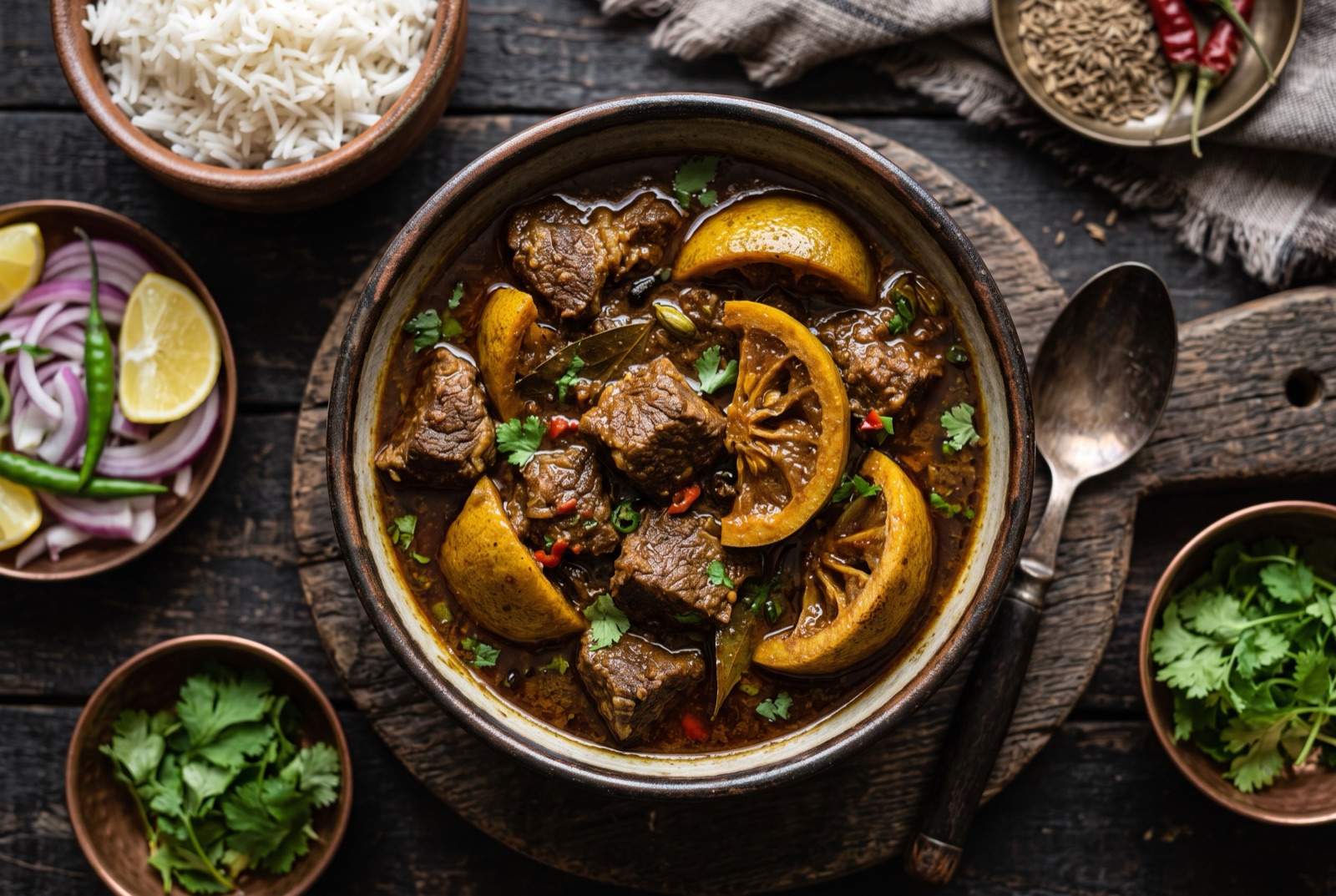
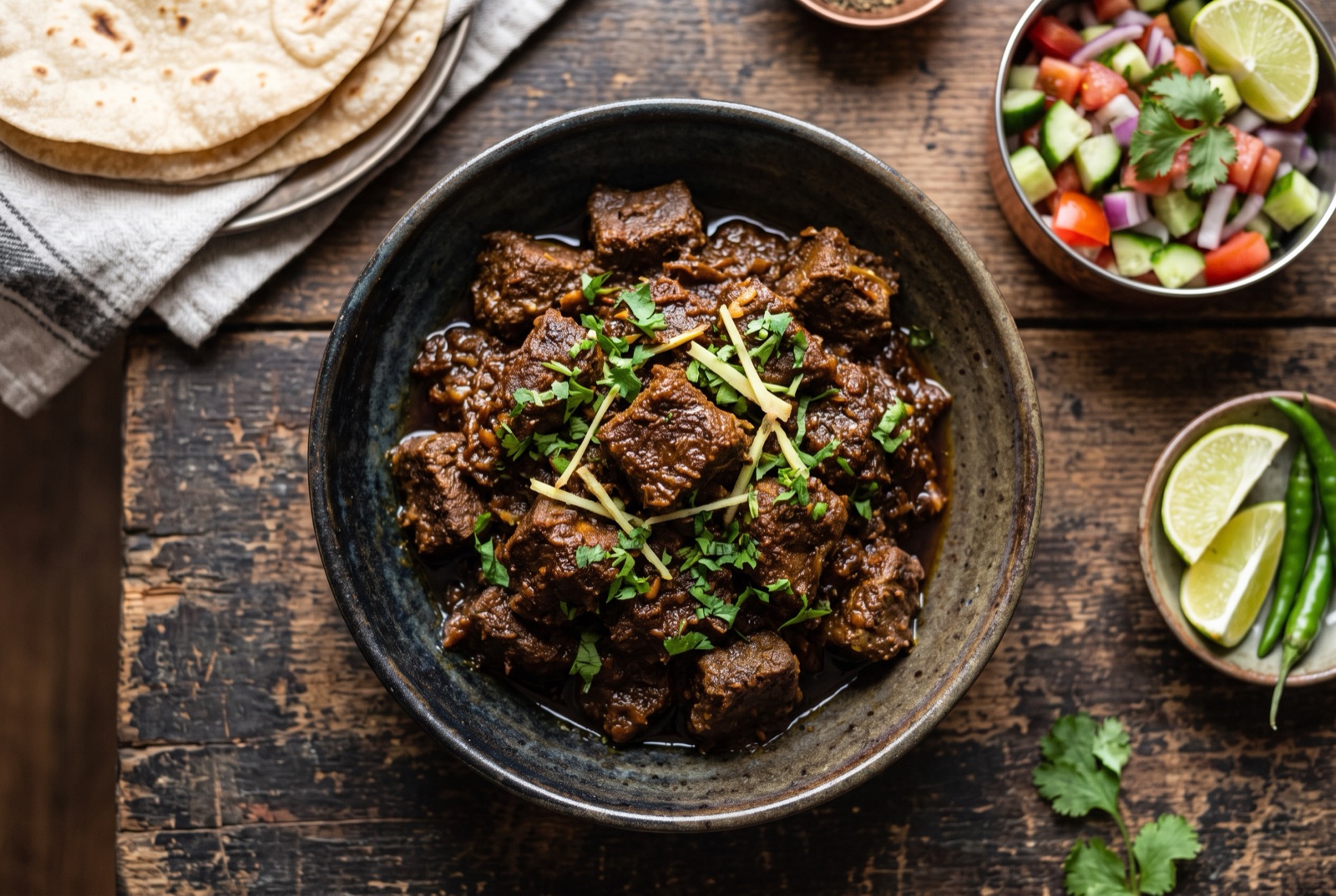
Bangladesh has 9 more dishes in the atlas — Beef Bhuna and Beef Shatkora, and 7 more.
All Bangladesh recipes Onion recipes Green chili recipes Cucumber recipes snackstreet foodveganvegetariandairy freeRecipe by The DishRoute Kitchen · published August 20, 2026 · updated August 20, 2026