Ceviche de Corvina.
Panamanian Lime-Cured Sea Bass
Ceviche de corvina · say it: seh-BEE-cheh deh kor-BEE-nah
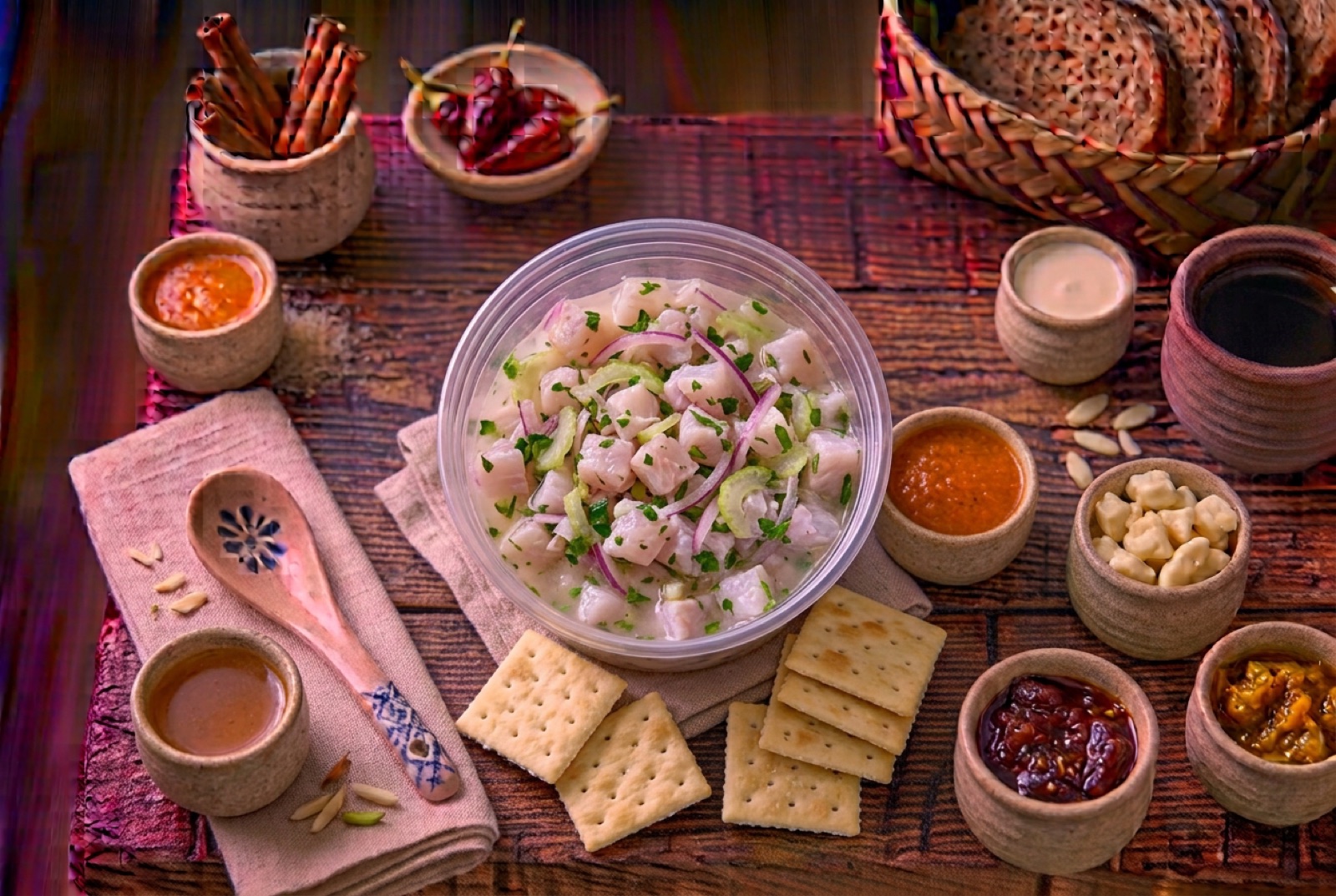
Panamanian ceviche is a different animal from the Peruvian kind. The fish is cut into small cubes rather than wide slices, it sits in lime for the better part of an hour rather than a few minutes, and it comes with finely chopped celery in the mix — a habit that surprises visitors and that no Panamanian thinks twice about. There is no sweet potato, no toasted corn, no chilled sliver of raw fish showing pink in the middle. What you get is uniformly opaque, cold, sharp and salty, bound in its own cloudy juice, with onion for crunch, culantro for a green bitter edge and ají chombo for a heat that stays optional. It is sold by the cup, eaten standing up, and scooped with saltines or patacones.

- Gate
- PanamaPanama City and the Pacific coast
- Prep
- 25 min
- Cook
- 0 min
- Total time
- 1 hr 10 min incl. 45 min rest
- Serves
- 4
- Status
- Easy
- Nutrition / serving · estimated
- Calories 190 kcal
- Protein 31 g
- Carbs 6 g
- Fat 4 g
- Fiber 1 g
- Sugar 3 g
- Sodium 890 mg
Why this recipe works.
- Small dice and a proper 45-minute cure, which is how it is actually made and sold in Panama.
- Celery and culantro are treated as core ingredients rather than optional flourishes.
- The onion is soaked briefly so it stays crisp without dominating the cup with raw sulphur.
- Salt goes in at the start, so it draws liquid and seasons the cure rather than sitting on top.
Ingredients.
10 itemsFor the cure
For the mix
To finish
Equipment
- Sharp filleting knife
- Glass or stainless steel bowl
- Citrus squeezer
- Fine sieve
Instructions.
Cut the fish
Trim away any dark bloodline and the thin belly flap, then cut the fillet into even 1 cm cubes. Work with a cold fillet and a sharp knife so the cubes come out square rather than torn, and keep them all the same size.
Tip If the fish feels slack, spread the cubes on a plate and chill them for 15 minutes before dressing — cold firm fish cures more evenly.
Soak the onion
Put the sliced onion in a bowl of cold water with a pinch of salt and leave it for 10 minutes, then drain it well and press out the water. This strips the raw sulphurous bite while leaving the crunch intact.
Salt, then acidify
Toss the fish cubes with the salt in a glass or stainless steel bowl and leave for 2 minutes, then pour over the lime juice so the fish is fully submerged. Never use an aluminium bowl, which reacts with the acid and gives the ceviche a metallic taste.
Cure it cold
Cover the bowl and refrigerate for 45 minutes, stirring gently twice so the cubes at the bottom and top cure at the same rate. The fish is ready when a cube cut in half is opaque to the centre and springs back under light pressure.
Tip Check at 40 minutes. Past 90 minutes the texture turns dry and chalky and cannot be recovered.
Build the mix
Drain off about half the lime juice, then fold in the drained onion, celery, culantro and chile if using. Season with pepper, add the olive oil if you want a rounder finish, and taste for salt — the cure absorbs more than you expect.
Serve cold
Chill for 10 minutes so the vegetables take on the cure, then spoon into cups or bowls with some of the juice. Serve with saltine crackers or patacones for scooping, and put the chile sauce on the table rather than in the bowl.
Tips from our kitchen.
- Cut the fish into 1 cm cubes and keep them even — mixed sizes cure at different speeds and you end up with mush beside raw.
- Squeeze the limes by hand or with a wooden reamer and stop before you grind the pith, which turns the whole bowl bitter within minutes.
- Salt the fish before the lime goes in. Salted fish firms up and holds its shape; unsalted fish shreds as you stir it.
- Use the pale inner celery ribs and slice them thin across the grain, otherwise you get stringy threads in every mouthful.
- Keep the bowl over ice or in the fridge for the whole cure. Ceviche curing at room temperature goes soft and smells off quickly.
- Taste at 40 minutes. When a cube is opaque to the centre and springs back under a fork, drain off some lime and serve.
Substitutions.
- Corvina → Sea bass, snapper, grouper or any firm white fish
- Avoid oily fish and avoid anything that flakes easily — mackerel goes rancid in acid and cod collapses into threads.
- Culantro → Cilantro, using the stems as well as the leaves
- Chop it finer than you would culantro and add a little more, since it is milder and fades faster in the acid.
- Ají chombo → Habanero or scotch bonnet, deseeded
- Add half of what you think you need. Chile heat climbs steadily as the ceviche sits, so a bowl that is right at ten minutes can be brutal at forty.
Variations.
- Ceviche de camarón
- Made with shrimp, usually blanched for thirty seconds first rather than cured raw, then dressed the same way. Sweeter and more forgiving than fish.
- Ceviche con leche de coco
- A Caribbean-side treatment from Colón and Bocas del Toro: a few spoons of coconut milk stirred in at the end, which softens the acid and turns the juice pale.
- Ceviche de pulpo
- Octopus simmered until tender, cooled, sliced and dressed in the same lime, onion and celery mixture. A market staple sold beside the fish version.
Storage & reheating.
Panamanian ceviche is one of the few that holds — keep it covered in the fridge and it is good for 24 hours, though the fish firms further and the onion loses its crunch after the first few hours. Drain off most of the lime once it is cured if you plan to keep it overnight, since the acid keeps working and will eventually make the fish chalky. Never freeze it, and do not leave it at room temperature for more than the time it takes to eat. If the juice turns ropey or smells sharp rather than citrusy, throw it out.
Serve with
Saltine crackers, patacones, or plantain chips, with cold beer and extra ají chombo sauce on the table.
The story behind Ceviche de Corvina.
Corvina is the fish that Panama built a market around. The Pacific side of the isthmus, where the Gulf of Panama pushes cold nutrient-rich water up in the dry season, lands it in quantity, and for decades the Mercado de Mariscos on the edge of Casco Viejo has been where the city goes to buy it — whole on ice at the counters downstairs, or already cured and sitting in styrofoam cups at the stalls outside. That cup is the reference version of this dish for most Panamanians: a few dollars, a plastic fork, a sleeve of saltines, eaten leaning on a railing above the boats.
Curing raw fish in citrus is shared across the whole Pacific coast of the Americas, and Panama makes no claim to have invented it. Peru and Ecuador both have older and more elaborate ceviche cultures, and Panamanian cooks are perfectly aware of it. What Panama did was simplify. The dice got smaller, the cure got longer, and the garnish list shrank to onion and herb. Celery came in somewhere along the way as a cheap, permanently available crunch, and it stuck hard enough that a Panamanian ceviche without it reads as incomplete. The other local marker is culantro rather than cilantro — the long serrated leaf that runs through almost every savoury dish in the country, more bitter and more assertive, and used stems and all.
The long cure has a practical origin. Selling ceviche from a market stall in a tropical climate means the acid has to do real work, not decorative work, so the fish is left until it is cooked through to the centre and firm all the way. That is why Panamanian ceviche keeps better than most and why it is one of the few versions that genuinely improves after half an hour rather than deteriorating. Restaurants across the city now serve it in tasting portions with plantain chips, and Afro-Antillean and Chinese-Panamanian stalls sell variations with coconut milk or soy alongside the standard, but the plastic cup and the packet of crackers remain the honest form of the dish.
Questions, answered.
Is the fish in ceviche actually raw?
It is raw in the sense that no heat touches it, but the acid in the lime denatures the proteins in much the same way heat does, turning the flesh opaque and firm. Panamanian ceviche is cured for around 45 minutes, which is long enough for the change to reach the centre of a 1 cm cube. It does not make the fish sterile, so freshness still matters.
Why does Panamanian ceviche have celery in it?
Celery is a standard ingredient in Panama, not an improvisation. Finely sliced ribs go in with the onion to give a cold, watery crunch that survives the cure, and it is cheap and available year round in a country where most fresh vegetables are seasonal. A ceviche served without it in Panama City would be noticed.
How is Panamanian ceviche different from Peruvian ceviche?
Peruvian ceviche uses wide slices of fish cured for only a few minutes, served immediately with sweet potato, toasted corn and ají amarillo. Panamanian ceviche uses a small dice cured for around 45 minutes until fully opaque, seasons it with onion, celery and culantro, and is eaten cold from a cup with saltine crackers.
Can I use bottled lime juice?
It will cure the fish, because the acid level is similar, but the flavour is flat and slightly metallic and there is no aromatic oil from the peel. Fresh limes squeezed just before use make a noticeable difference in a dish with only five main ingredients. If you must use bottled juice, add a strip of fresh zest to the bowl for the first ten minutes and remove it.
How do I know when the ceviche is ready?
Lift out a cube and cut it in half. It should be white and opaque all the way through with no translucent core, and it should feel springy rather than soft. At 1 cm dice this usually takes 40 to 50 minutes in the fridge. Past about 90 minutes the texture starts turning dry and chalky.
You might also like.
All recipes →
Keep exploring Panama.
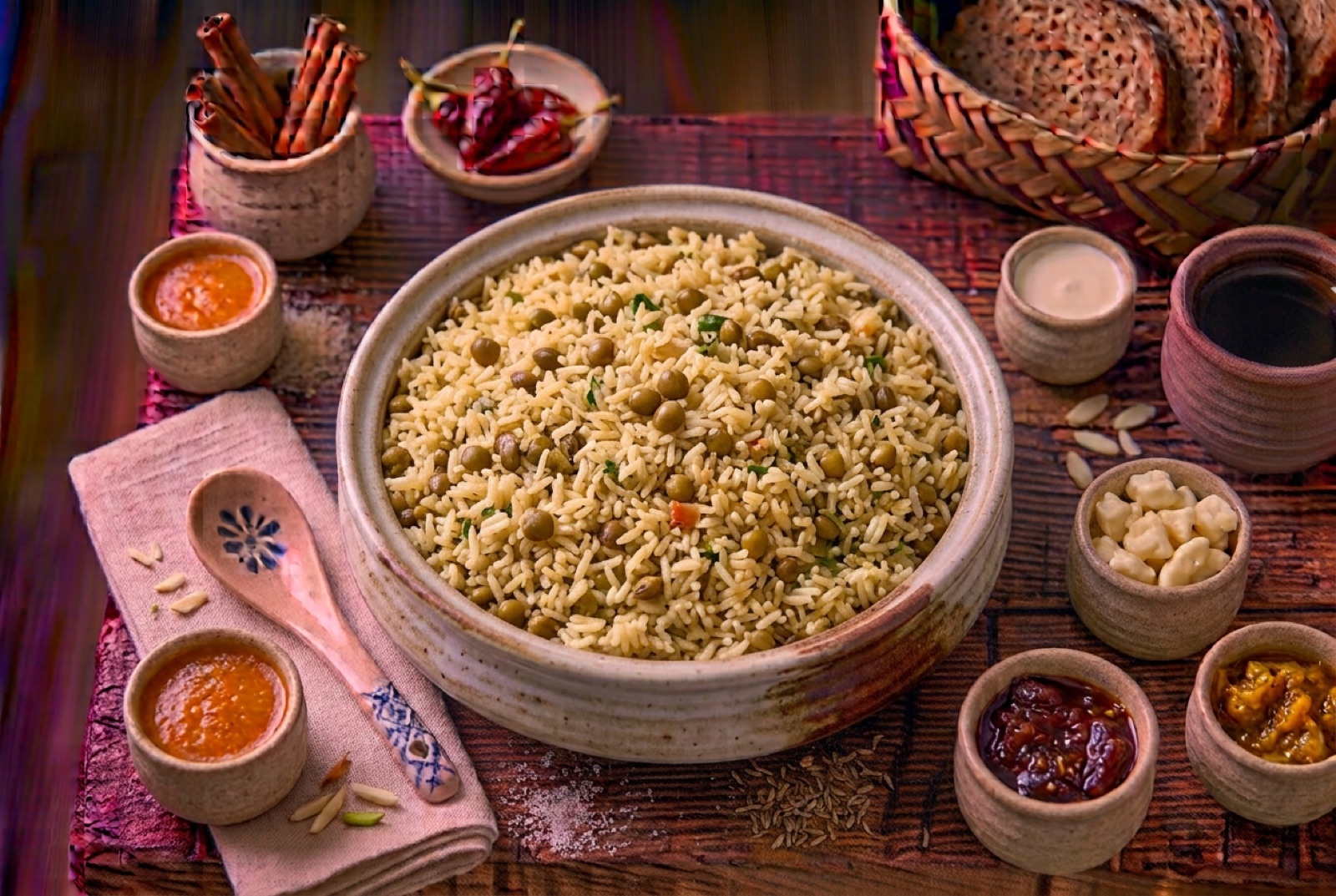
Panama has 9 more dishes in the atlas — Arroz con Guandú y Coco and Carimañolas, and 7 more.
All Panama recipes Lime recipes Onion recipes Culantro recipes appetizerstreet foodpescatariangluten freedairy freeRecipe by The DishRoute Kitchen · published August 21, 2026 · updated August 21, 2026