Panama.
Panamá
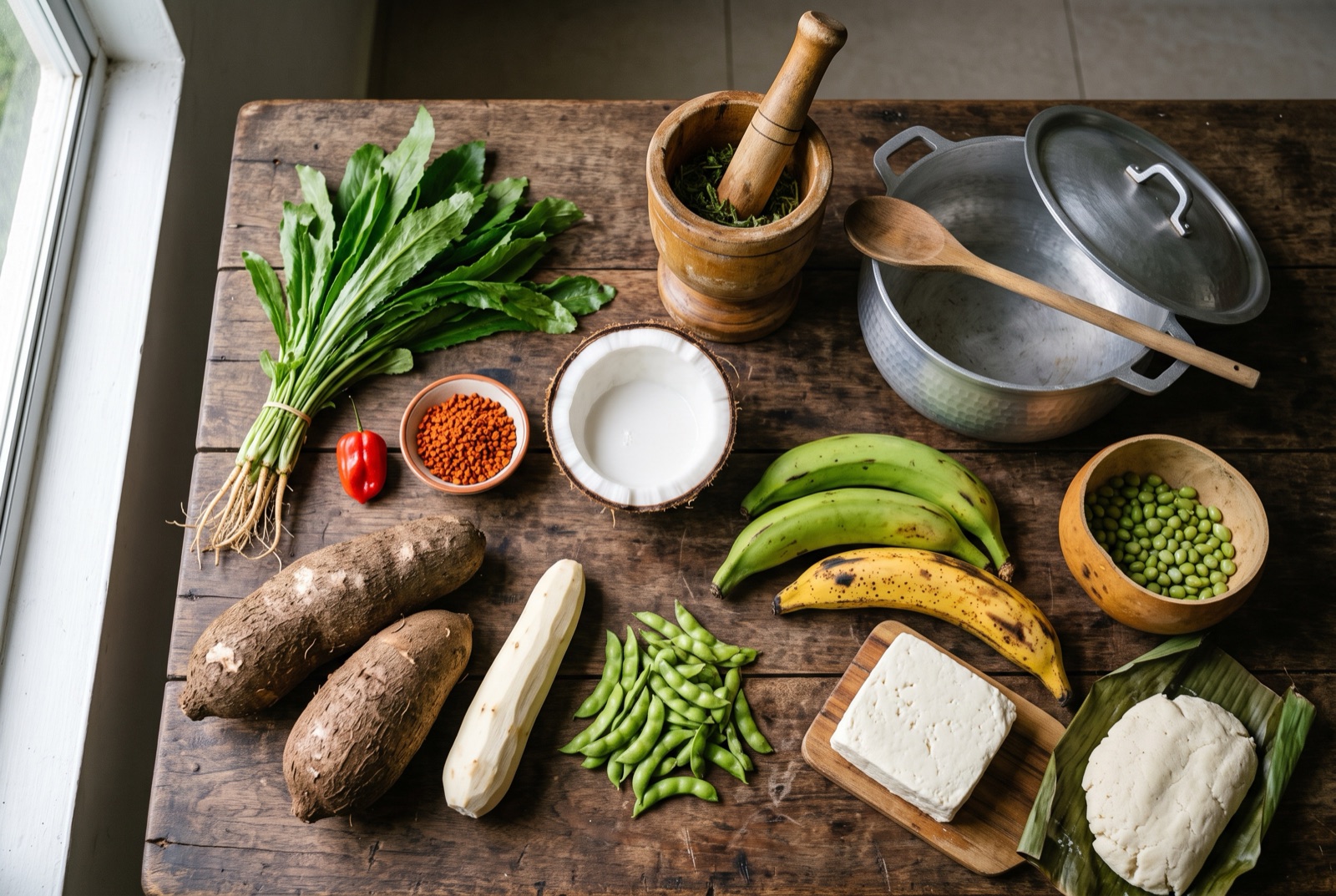
Panamanian cooking is the food of a crossroads that never stopped being one. Spanish colonial technique sits under almost everything, but the isthmus has been absorbing arrivals for five centuries — Afro-Antillean labourers who built the railway and the canal, Chinese workers who stayed and opened shops, Indigenous Ngäbe, Guna and Emberá communities whose staples predate all of it. What comes out is milder than most people expect. Panamanian food is not chile-forward; ají chombo, the local habanero, is usually dropped into the pot whole for perfume and fished out, or set on the table as a sauce for those who want it. The flavour that actually defines the country is culantro — the long serrated herb that tastes like coriander turned up and given a bitter edge — used by the fistful, stems included, in soup, rice, sofrito and stew. Rice, corn, cassava and plantain do the heavy lifting, and coconut milk marks the Caribbean side as clearly as a border would.

- Continent
- North AmericaCentral America
- Recipes in atlas
- 10
- Must-try dishes
- 5
- Pantry staples
- 10
Start with the classics.
Must tryThe dishes that explain the Panama kitchen fastest — if you cook only a few things from this page, cook these.
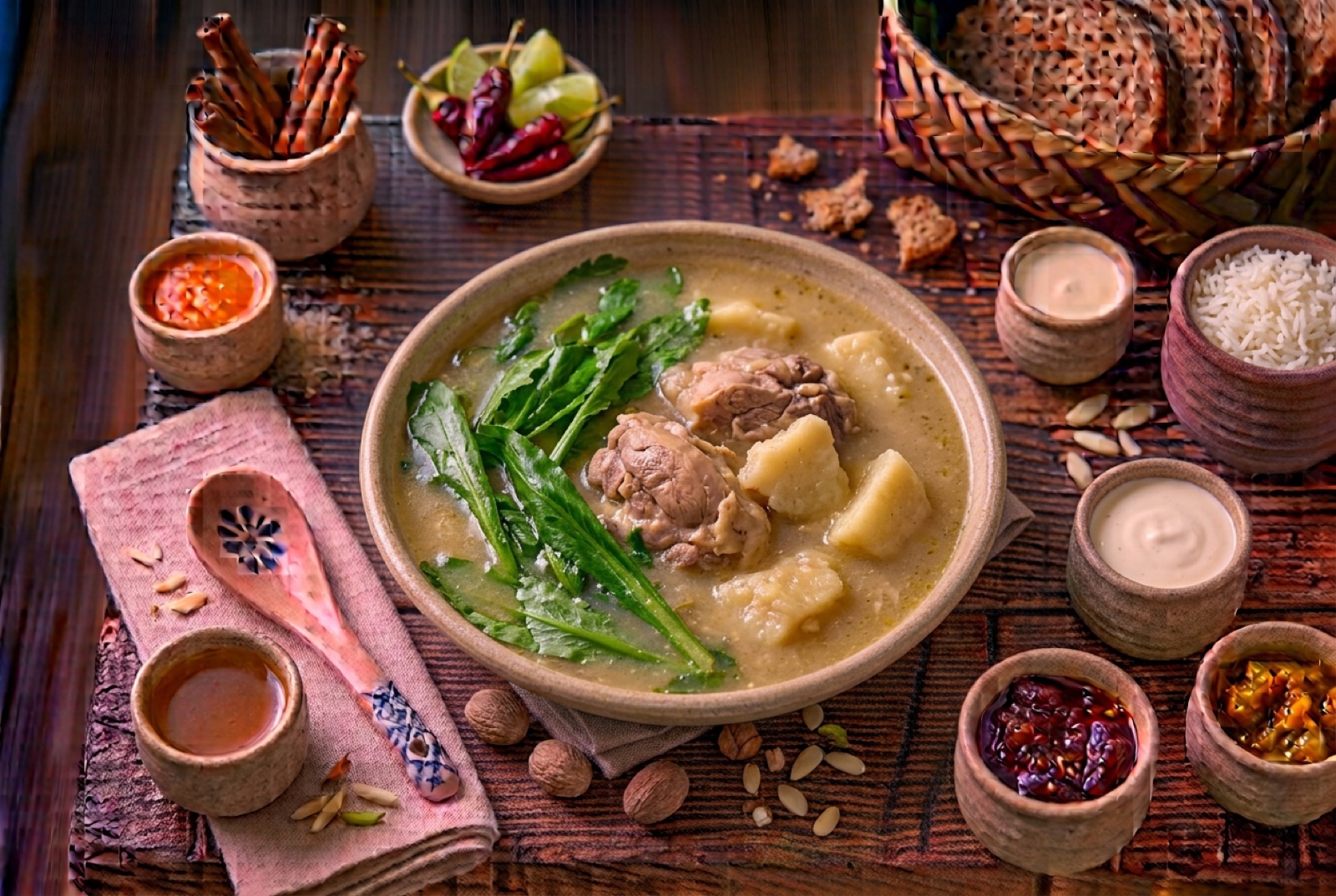
Panama2 hr 55 min
Sancocho de Gallina
Hen and Yam Soup with Culantro
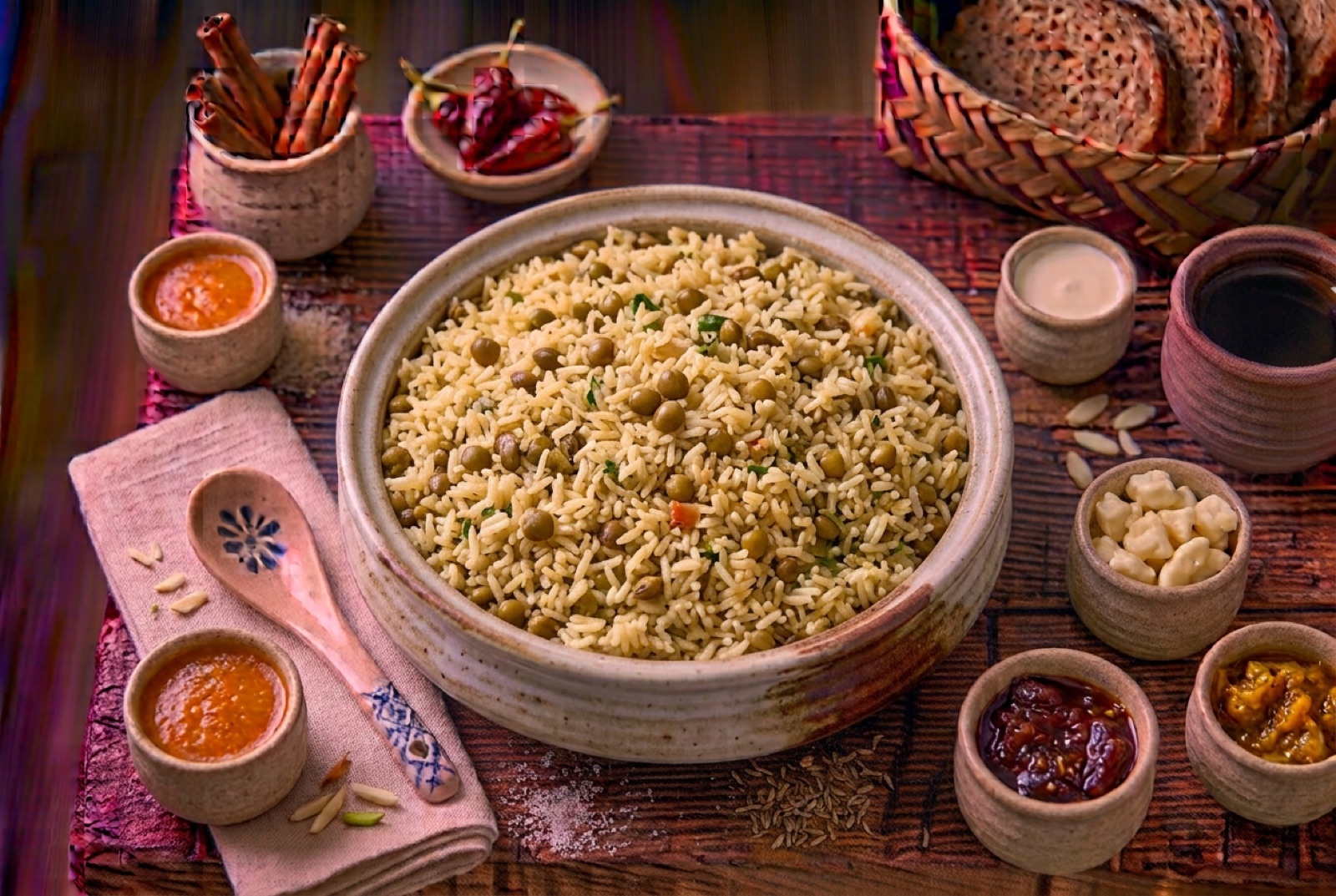
Panama55 min
Arroz con Guandú y Coco
Coconut Rice with Pigeon Peas
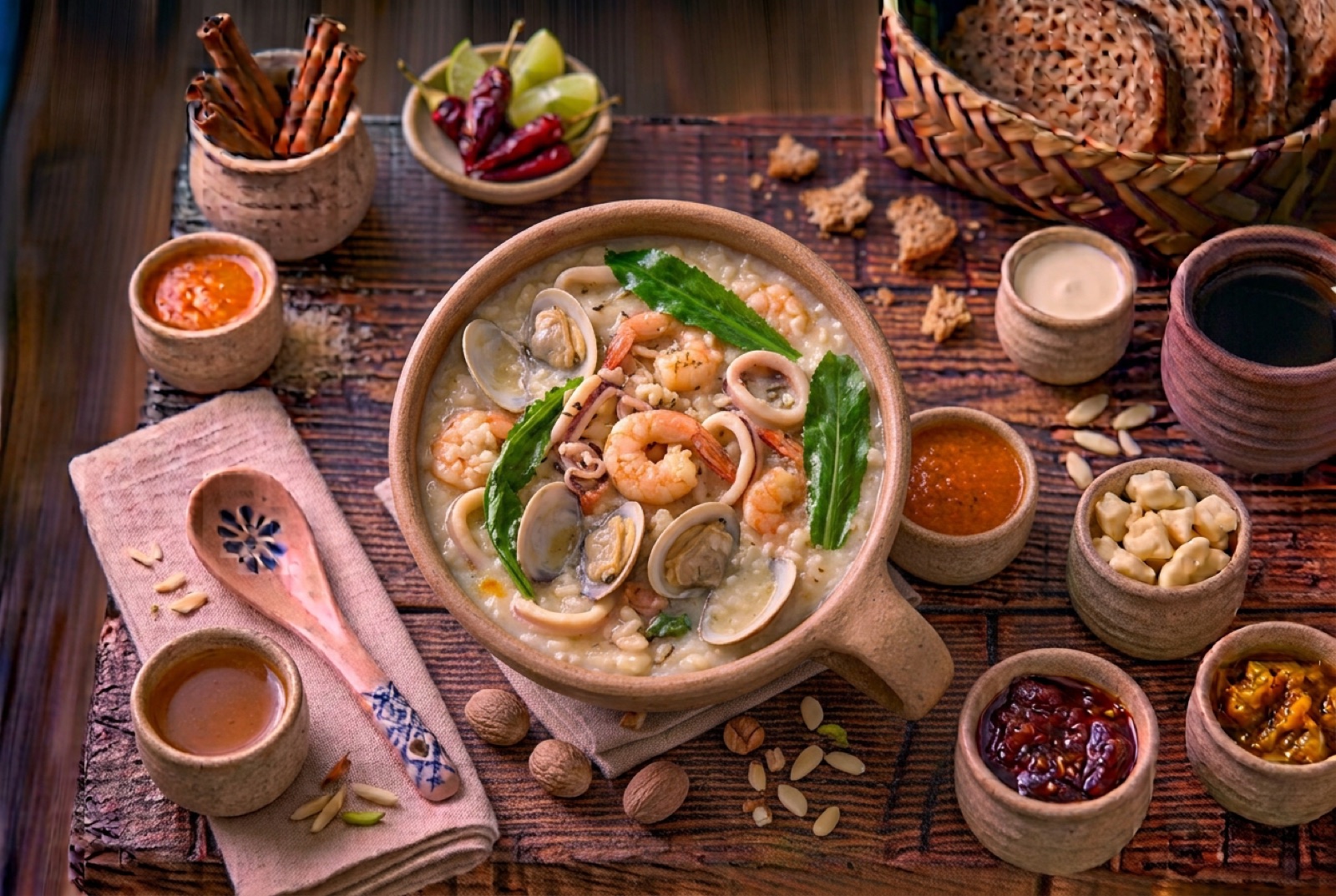
Panama1 hr 5 min
Guacho de Mariscos
Panamanian Soupy Seafood Rice
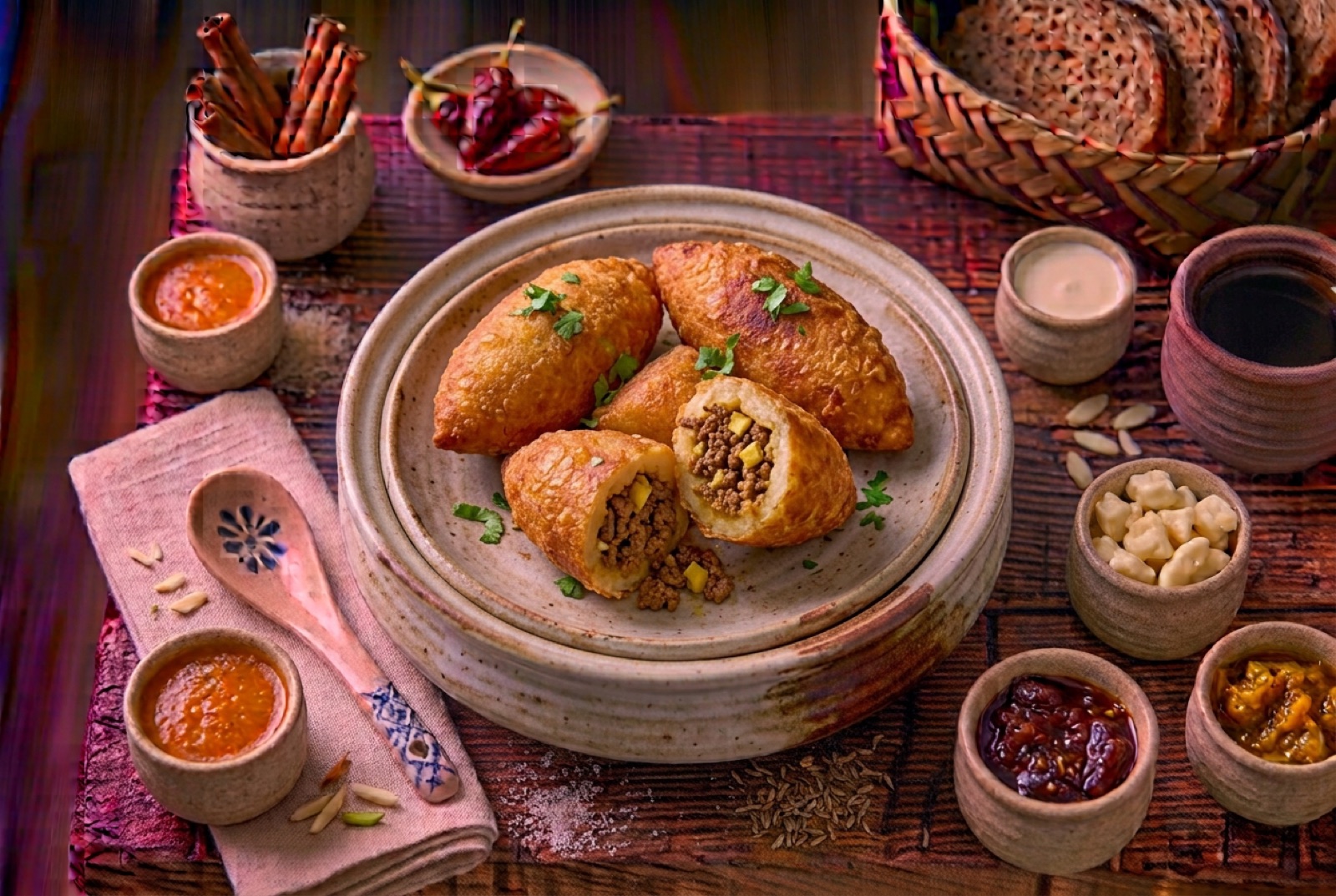
Panama1 hr 25 min
Carimañolas
Panamanian Stuffed Cassava Fritters
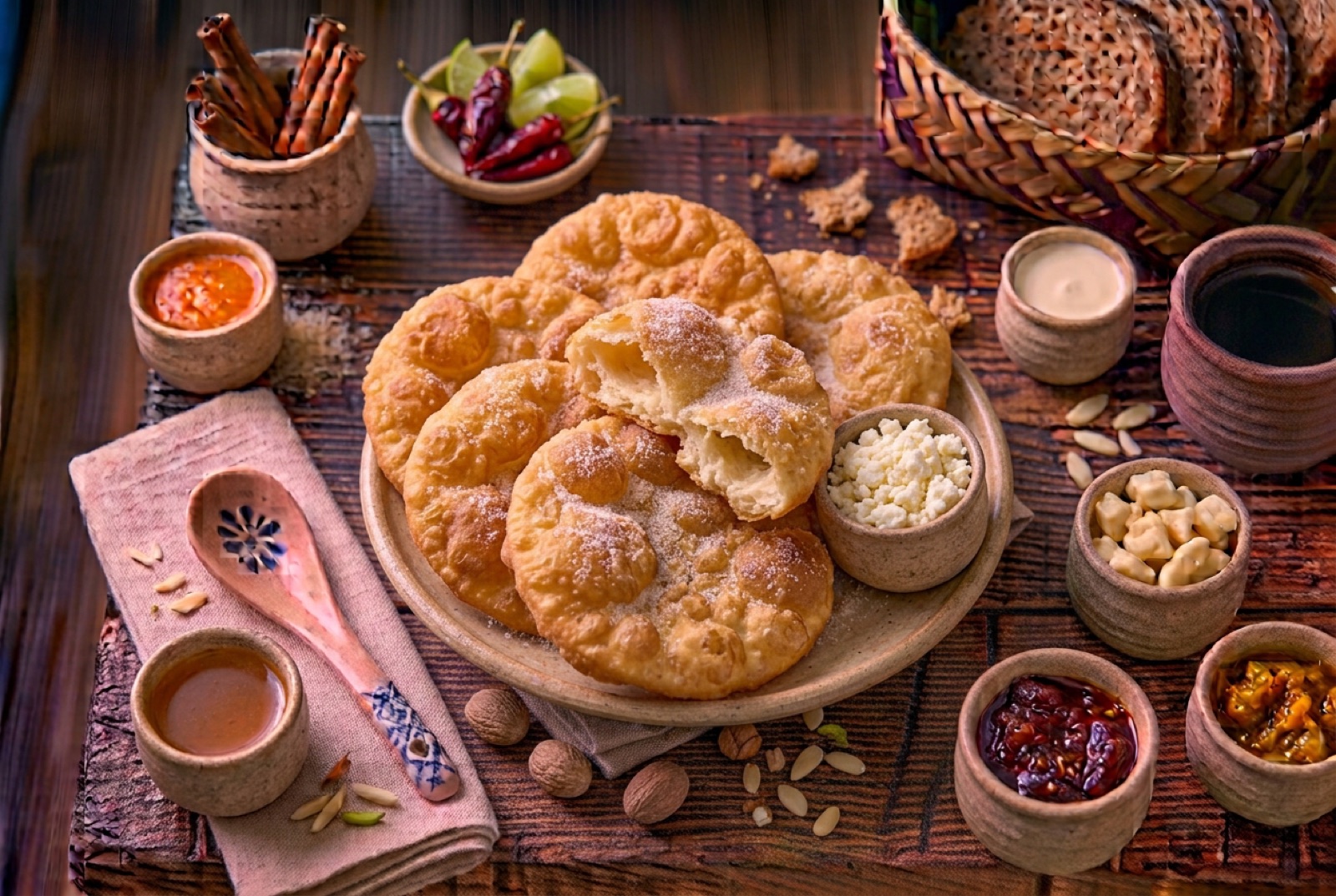
Panama1 hr 20 min
Hojaldras
Panamanian Fried Breakfast Dough
Inside the Panama kitchen.
The pantry is tropical and short. White rice is eaten twice a day and cooked in more than one register: rinsed hard and steamed dry for arroz con guandú y coco, or left unrinsed and stirred deliberately into starchy collapse for guacho, the soupy rice that thickens itself. Corn arrives as fresh masa rather than as dried tortillas — Panamanian tortillas de maíz are thick, fried and chewy, nothing like the thin Mexican kind — and it becomes bollos boiled in leaves, chicheme drunk cold, and the achiote-stained masa of tamales. Roots matter as much as grain: yuca boiled and mashed into carimañola dough, ñame breaking down at the edges to give sancocho its cloudy body, otoe and plantain going into everything from soup to patacones.
The seasoning base is a sofrito of onion, garlic and green pepper stained orange with achiote, and it starts more dishes than not. Beyond that the list is genuinely narrow: culantro, oregano, cumin in small doses, lime at the finish, and the Spanish colonial trio of olives, capers and raisins that turns up in tamal fillings and stewed chicken. Panamanians season for depth rather than heat, which is the honest difference between this kitchen and its Central American neighbours — there is no salsa culture here of the Mexican sort, and nothing like the Guatemalan reliance on toasted seeds and dried chiles.
The Caribbean coast is a separate cuisine sitting inside the same country. In Colón and Bocas del Toro, communities descended from West Indian canal and railway workers cook with coconut milk as a default liquid, and the vocabulary changes with it — rondón, saus, coconut bread, fish stewed in coconut and scotch bonnet. Inland, on the Pacific side and through the interior provinces, the cooking is drier, beefier and plainer, built on stewing hens, salted pork and whatever the farm produced.
Meals follow the Spanish-American shape. Breakfast is fried and bought hot from a fonda: hojaldras, carimañolas, empanadas and tortillas in a glass case by the door, with white cheese and coffee. Lunch is the real meal — white rice, a stew such as ropa vieja, a spoon of beans or lentils, and patacones or fried ripe plantain. Sunday and holiday food is where the effort goes: sancocho de gallina in a huge pot, tamales wrapped in bijao leaves by several generations at once, and arroz con guandú y coco, which is Christmas rice above all else. Chinese-Panamanian food is not a novelty either; arroz frito and chow mein are ordinary neighbourhood dinners in Panama City, and nobody treats them as foreign.
Signature pantry.
10 staplesThe ingredients this cuisine cannot function without.
- culantro (long-leaf coriander, recao)
- ají chombo (Panamanian habanero-type chile)
- achiote (annatto, for colour)
- coconut milk
- ñame (true yam)
- yuca (cassava)
- guandú (pigeon peas)
- green and ripe plantains
- queso blanco (fresh salted white cheese)
- white corn masa
How people eat in Panama.
Breakfast is eaten standing up or in the car, bought hot from a fonda and wrapped in a napkin. Lunch, around midday, is the meal that counts, and it is assembled on one plate rather than served in courses: rice at the centre, stew ladled over or beside it, plantain on the edge. Chile is a personal decision, never the decision of the cook — the bottle of ají chombo sauce sits on the table and is applied drop by drop. Rice appears at almost every meal including alongside soup, served in its own bowl next to the sancocho rather than in it. Coffee is drunk small, black and sweet, often from the Boquete highlands. At holidays dishes arrive together rather than in sequence, and refusing a plate in a Panamanian home is close to unthinkable.
Regional kitchens.
Panama cooks 4 distinctly different ways depending on where you stand — here is what changes between them.
- R1The Azuero Peninsula (Los Santos and Herrera)
- Cattle and farm country, and the region most protective of what counts as authentic. Sancocho de gallina in its minimal form — hen, ñame, culantro, onion, nothing else — is cooked here in enormous pots at festivals and rodeos. Herrera also gives the country seco, the sugarcane spirit distilled at Pesé and drunk with milk.
- R2Colón and the Caribbean Coast
- Afro-Antillean kitchens shaped by generations of West Indian workers who came for the railway and the canal. Coconut milk is a default cooking liquid rather than a flourish, and the local repertoire — rondón, saus, coconut bread, fish stewed with scotch bonnet — reads more Jamaican than Central American.
- R3Panama City
- The fonda capital, where breakfast is bought from a glass case and lunch is a plate of rice with something stewed on top. It is also where Chinese-Panamanian cooking is most visible; arroz frito and chow mein have been ordinary weeknight food here for well over a century.
- R4Chiriquí and the Western Highlands
- The cool volcanic slopes around Boquete and Volcán grow most of the vegetables, dairy and best-known coffee in the country. Cooking here is plainer and more temperate — soups, fresh cheese, strawberries and highland beef — and the Ngäbe-Buglé communities of the region keep their own maize and root-based staples alongside it.
All Panama recipes.
10 recipes and countingPanama55 min
Arroz con Guandú y Coco
Coconut Rice with Pigeon Peas
Panama1 hr 25 min
Carimañolas
Panamanian Stuffed Cassava Fritters
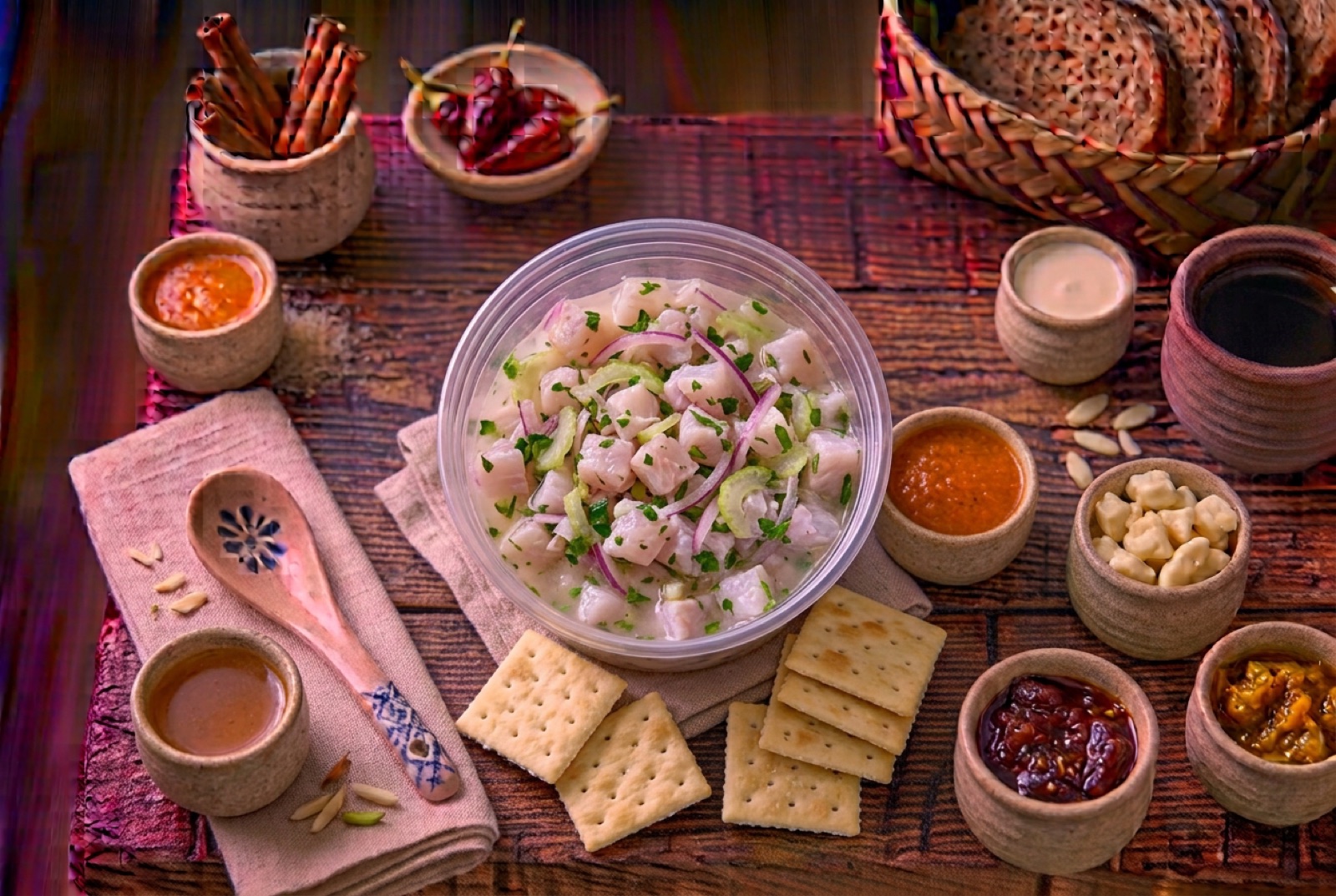
Panama1 hr 10 min
Ceviche de Corvina
Panamanian Lime-Cured Sea Bass
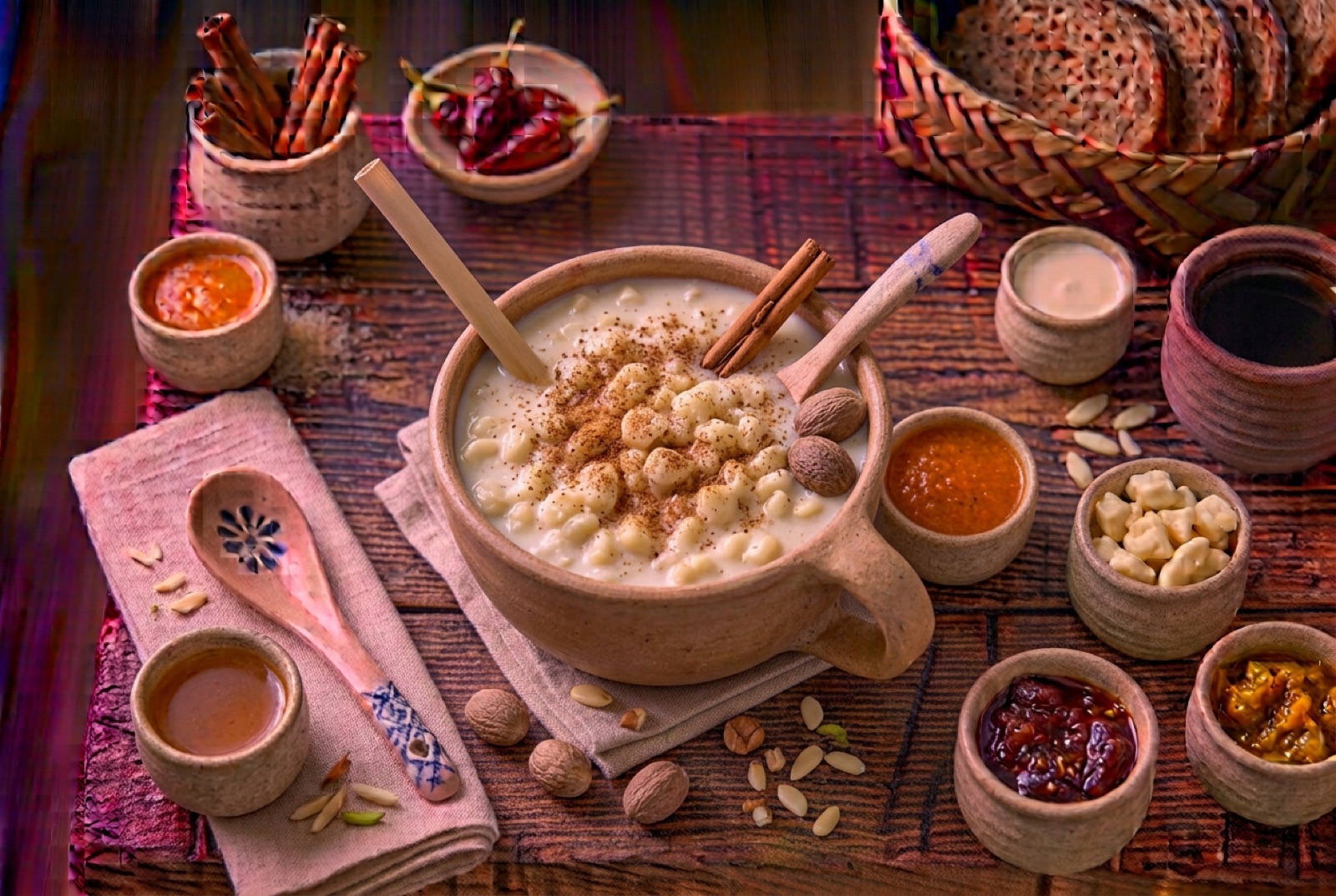
Panama4 hr 30 min
Chicheme
Panamanian Cracked Corn and Milk Drink
Panama1 hr 5 min
Guacho de Mariscos
Panamanian Soupy Seafood Rice
Panama1 hr 20 min
Hojaldras
Panamanian Fried Breakfast Dough
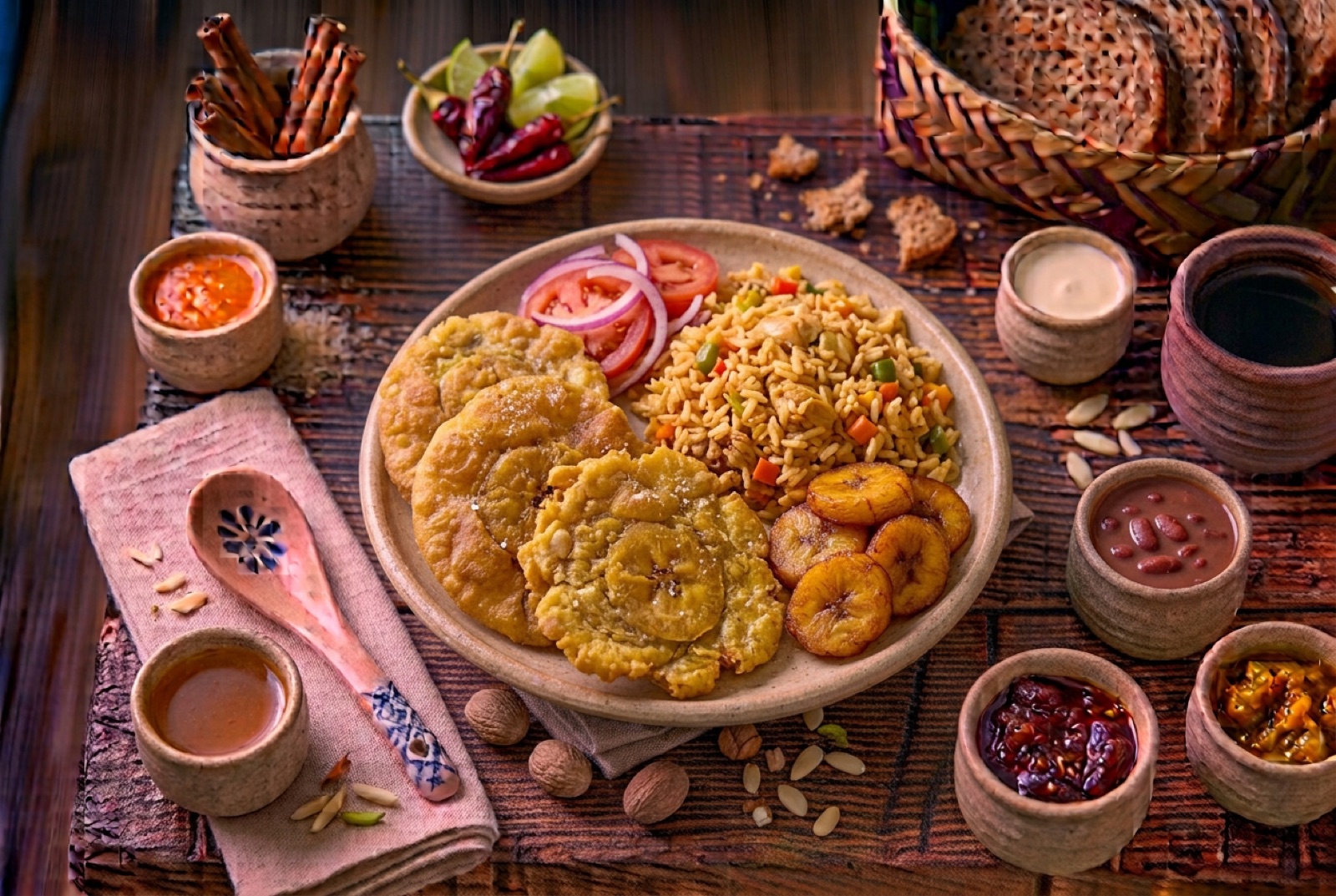
Panama40 min
Patacones Panameños
Twice-Fried Green Plantains
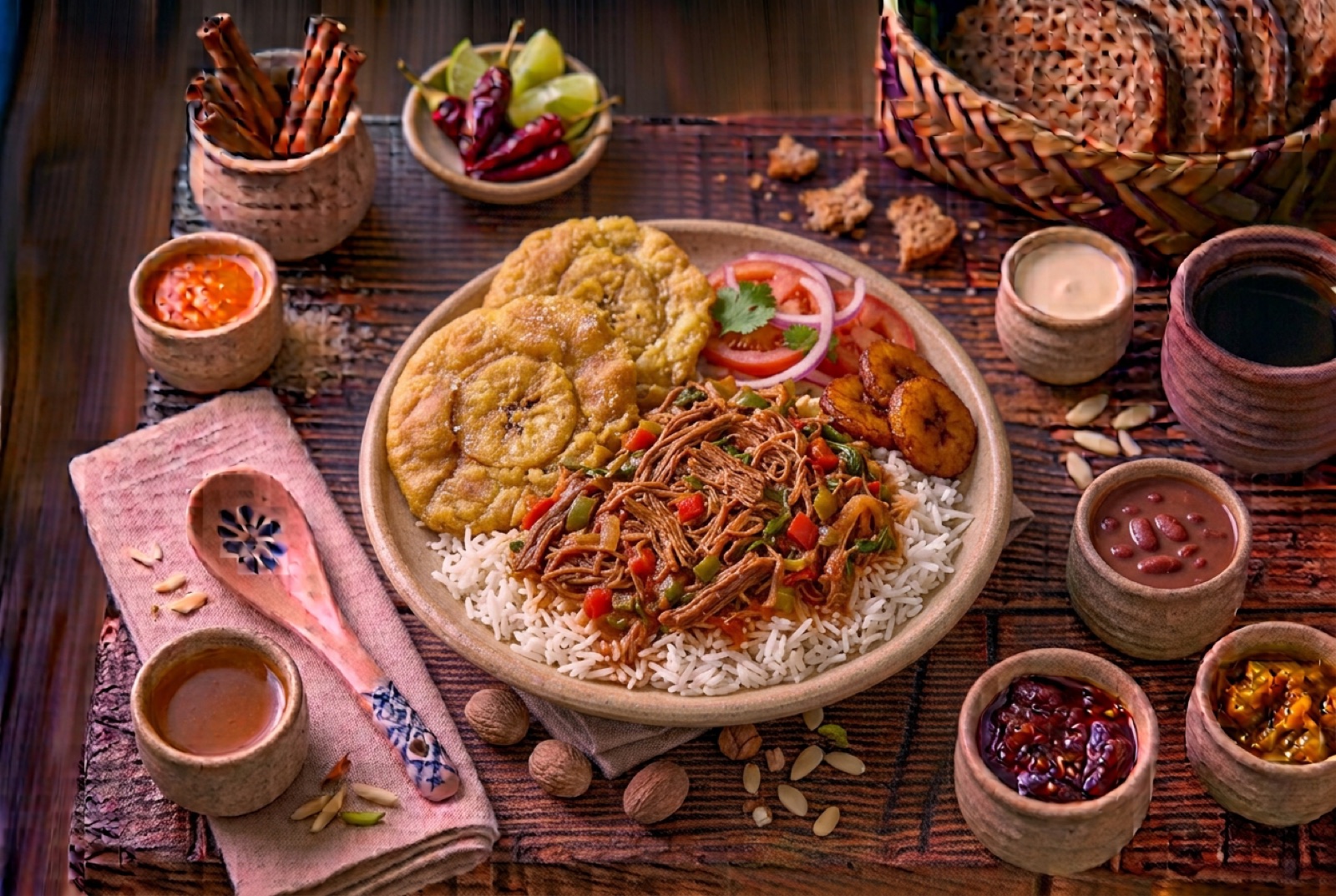
Panama2 hr 20 min
Ropa Vieja Panameña
Shredded Beef in Criollo Sauce
Panama2 hr 55 min
Sancocho de Gallina
Hen and Yam Soup with Culantro
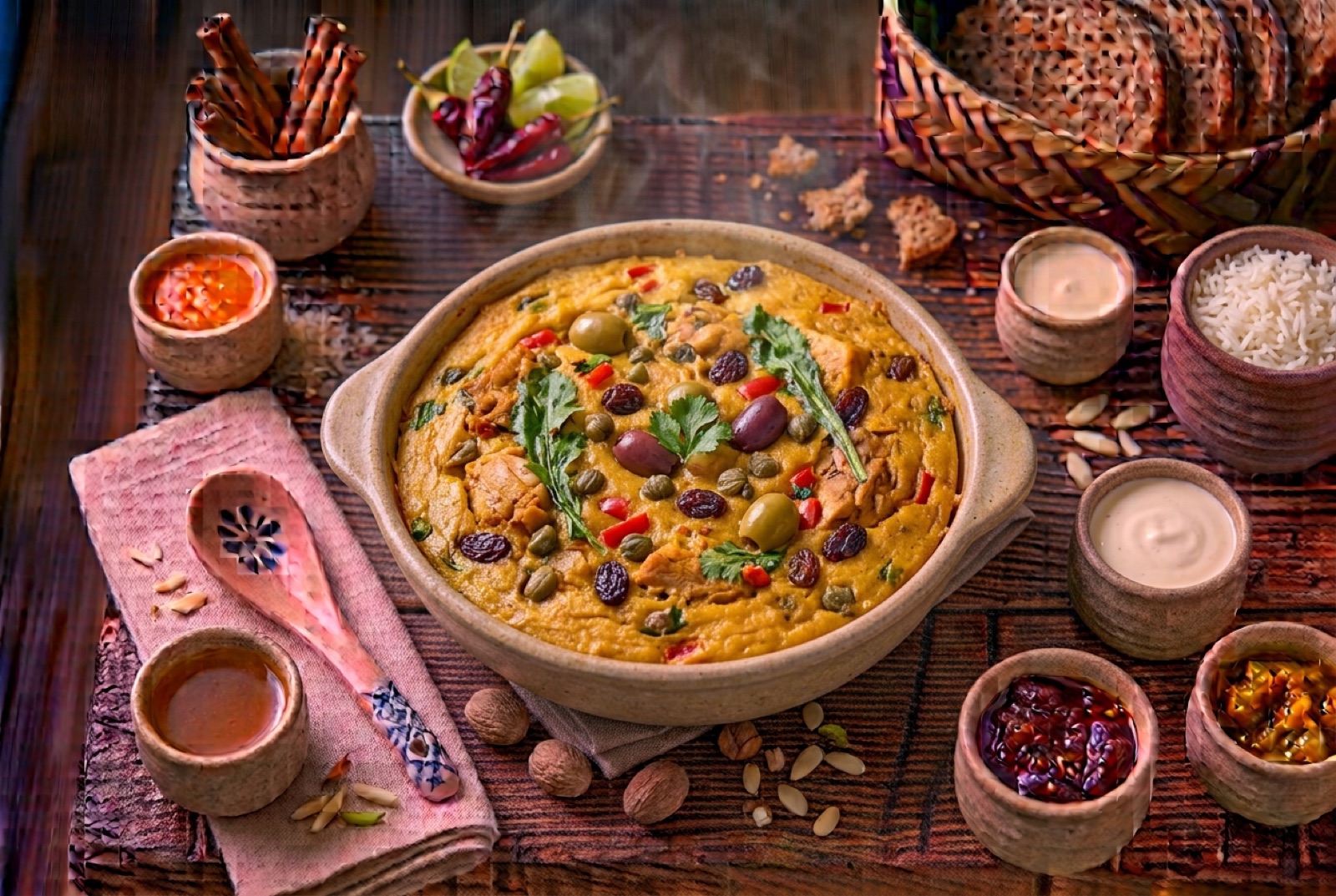
Panama2 hr 15 min
Tamal de Olla
Panamanian Baked Corn Masa Casserole
Keep traveling.
Panama sits in Central America, and its kitchen shares borders as well as ingredients with Canada and Costa Rica.
 Canada
 Costa Rica