Tamal de Olla.
Panamanian Baked Corn Masa Casserole
Tamal de olla · say it: tah-MAHL deh OH-yah
Tamal de olla is a tamal that gave up on the leaf. Soft corn masa, coloured deep orange with achiote and loosened with stock until it pours, is spread in a dish, filled with chicken stewed in a tomato sofrito with olives, capers and raisins, covered with more masa and baked until the top sets and browns at the corners. It tastes like the wrapped version — sweet corn, savoury chicken, salt from the olives and little bursts of sweetness from the raisins — without the two hours of folding and tying that the traditional form demands. The texture is the point: dense and spoonable, closer to a savoury corn pudding than to bread. Panamanians make it when a crowd is coming and nobody has time to wrap fifty parcels.
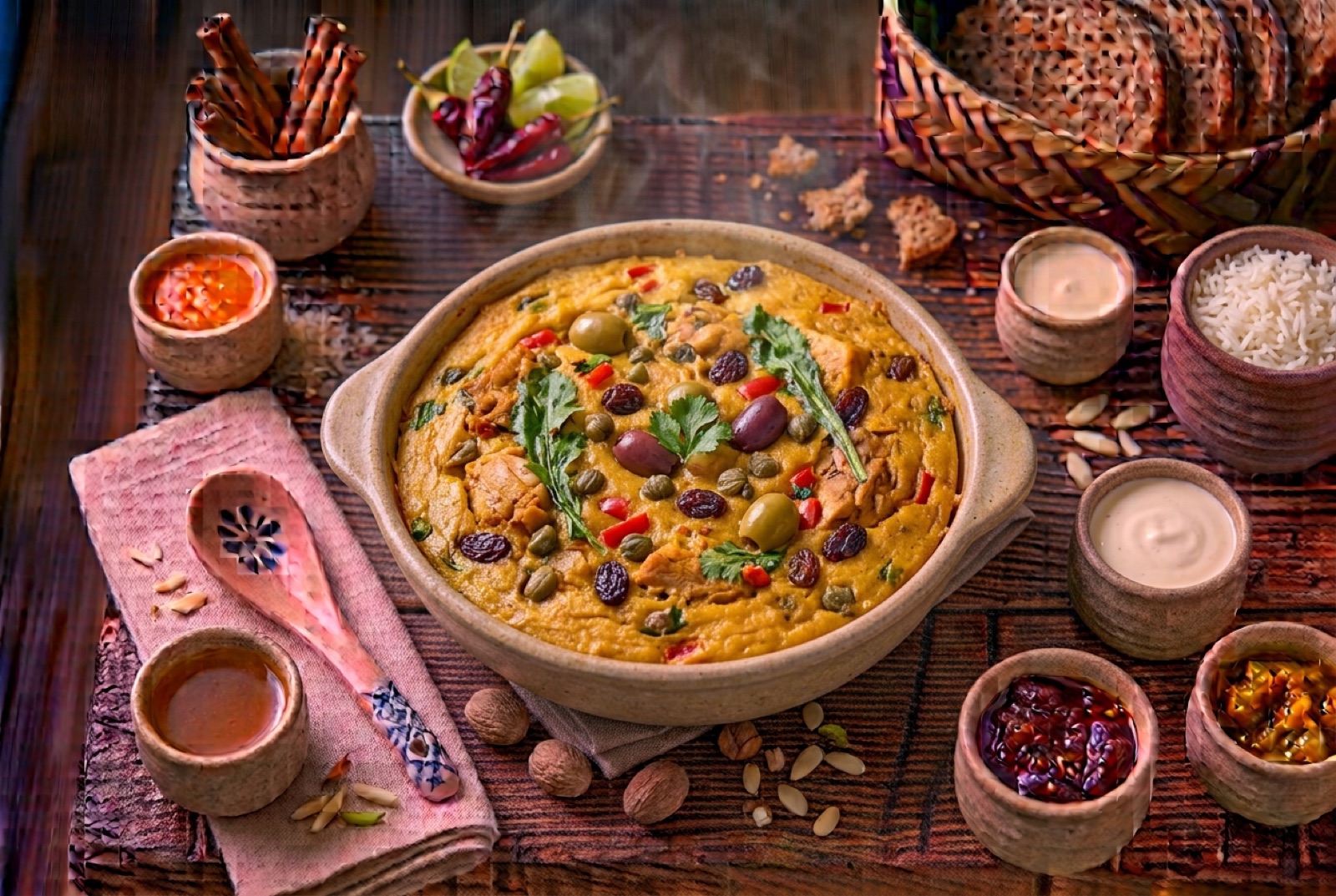

- Gate
- PanamaPanama City and Los Santos
- Prep
- 40 min
- Cook
- 1 hr 15 min
- Total time
- 2 hr 15 min incl. 20 min rest
- Serves
- 6
- Status
- Takes skill
- Nutrition / serving · estimated
- Calories 580 kcal
- Protein 32 g
- Carbs 58 g
- Fat 25 g
- Fiber 6 g
- Sugar 12 g
- Sodium 1100 mg
Why this recipe works.
- Delivers the flavour of a wrapped Panamanian tamal without the leaves, folding and tying.
- The masa is cooked before baking, so the finished casserole sets instead of staying grainy.
- Filling is stewed separately and cooled, which stops it from leaching liquid into the masa.
- Honest about the trade-off: what you lose without bijao leaves and what you gain in browned edges.
Ingredients.
17 itemsFor the filling
For the masa
Equipment
- Large sauté pan for the filling
- Heavy pot for the masa
- 22 x 30 cm baking dish
- Wooden spoon
Instructions.
Poach and shred the chicken
Simmer 700 g of chicken thighs in lightly salted water for 25 minutes until cooked through, then lift out, cool briefly and shred into bite-sized pieces. Keep the poaching liquid — it can replace part of the stock for the masa.
Stew the filling
Heat the oil in a wide pan and cook the onion and pepper 8 minutes until soft and beginning to take colour at the edges. Add the garlic, then the tomatoes and tomato paste, and cook 10 minutes until the mixture is thick and brick-red and the oil pools at the sides.
Finish and cool the filling
Stir in the shredded chicken, olives, capers, raisins, oregano and culantro. Simmer 5 minutes, taste for salt, then spread the filling on a tray and let it cool to room temperature — hot filling will melt into the masa and blur the layers.
Cook the masa
Warm the lard in a heavy pot, stir in the achiote and let it bloom for 30 seconds until the fat turns deep orange. Whisk in the masa harina, then the hot stock in three additions, and cook over medium-low heat for 12 minutes, stirring constantly, until the masa mounds on the spoon and slumps slowly rather than running.
Tip Aim for thick porridge, not dough. If it stiffens past that, beat in more hot stock a splash at a time.
Layer the dish
Heat the oven to 190°C. Oil a 22 x 30 cm baking dish and spread just over half the masa across the base in an even layer. Spoon the cooled filling over it right to the edges, then cover with the remaining masa and smooth the top with a wet spatula.
Bake and rest
Bake 45 minutes, until the surface is matte and firm to the touch, the edges have pulled slightly from the dish and browned, and a knife inserted in the centre comes out clean of loose masa. Rest 20 minutes before cutting, or it will not hold its shape on the plate.
Tips from our kitchen.
- Cook the masa on the stove until it holds a mounded shape on the spoon — raw masa spread cold never sets properly in the oven.
- The masa should be looser than you think, roughly the consistency of thick porridge, since it firms up considerably in the oven.
- Cool the chicken filling before layering. Hot filling melts the masa boundary and the layers blur together.
- Bloom the achiote in hot fat rather than stirring the powder in dry — the colour is fat-soluble and stays dull otherwise.
- Rest the baked dish at least 20 minutes. Cut it hot and it collapses into a heap on the plate.
- Taste the filling for salt before it goes in; olives and capers vary wildly in how salty they are.
Substitutions.
- Masa harina → Coarse cornmeal or instant polenta, cooked with 25 percent more liquid
- It will taste of corn but not of nixtamal, which is a real difference. Masa harina is widely sold under Latin brands and is worth seeking out.
- Chicken → Pork shoulder, cut small and stewed 45 minutes
- Pork is at least as traditional in the interior provinces. Cook it longer than chicken and use its cooking liquid in the masa.
- Lard → Neutral oil or butter
- Lard gives the masa its traditional flavour and a softer set. Oil works and keeps the dish dairy-free; butter tastes good but is not Panamanian.
Variations.
- Wrapped tamales
- The original: portions of masa and filling wrapped in bijao or plantain leaves, tied and boiled 45 minutes. More work, moister result, and a distinct green aroma from the leaves.
- With boiled egg and pepper
- Slices of hard-boiled egg and strips of roasted red pepper laid over the filling before the top masa layer — a decorative touch borrowed from the wrapped form.
- Pork and prune
- Interior-style filling using pork shoulder and prunes in place of chicken and raisins, giving a darker, sweeter stew under the corn.
Storage & reheating.
Refrigerate up to 4 days, covered, and it slices more cleanly cold than warm. Reheat portions covered with foil at 170°C for about 20 minutes, or in a covered pan with a spoon of stock, until the centre is hot through. It freezes well for 3 months either whole or in portions — thaw overnight in the fridge before reheating, since baking from frozen dries the masa edges long before the middle warms.
Serve with
A sharp cabbage-and-tomato salad and hot sauce, to cut the richness of the masa.
The story behind Tamal de Olla.
The Panamanian tamal is a serious piece of work. Corn is cooked and ground, the masa is beaten with lard and achiote, filling is stewed separately, and each portion is wrapped in bijao or plantain leaves, tied and boiled. It is Christmas and Easter food, wedding food, funeral food — and it is almost always made collectively, because one person cannot realistically wrap enough for a family gathering alone. Households that still do it properly turn it into an all-day event with several generations at the table.
Tamal de olla exists because of that labour. "Olla" means pot, and the dish takes the identical masa and filling and simply layers them in a vessel, then bakes or steams them together. The result is honestly not identical to the wrapped version: the leaves contribute a green, tea-like aroma that a baking dish cannot reproduce, and the parcels steam rather than bake, which keeps them moister. What the casserole gains is time, evenness and the browned edges that many Panamanians secretly prefer.
The filling is where the dish shows its Spanish colonial inheritance. Olives, capers and raisins in a savoury meat stew is a combination that runs from Andalusia through Latin America — it appears in Cuban picadillo, Chilean empanadas and Puerto Rican pasteles as well — and in Panama it defines the tamal. Some cooks add a boiled egg slice or a strip of red pepper on top of the filling before the second layer of masa goes on, which is decorative in a wrapped tamal and simply pleasant here. Pork is as common as chicken in the interior provinces, particularly around Los Santos, where the tamal tradition runs deepest.
Questions, answered.
What is the difference between tamal de olla and a wrapped tamal?
The ingredients are essentially the same — achiote masa and a stewed meat filling — but a wrapped tamal is portioned into bijao or plantain leaves and boiled, while tamal de olla is layered in a dish and baked. The wrapped version is moister and carries a distinct herbal aroma from the leaves; the casserole is faster, more even, and gets browned edges.
Can I make tamal de olla with regular cornmeal?
You can, and the result is still good, but it will taste like a corn casserole rather than a tamal. Masa harina is made from nixtamalised corn, treated with lime, which gives it a specific tangy, toasty flavour that plain cornmeal simply does not have. Look for it in the Latin aisle under brands like Maseca.
Why is my masa layer grainy or dry?
Either the masa was not cooked long enough on the stove before assembling, or the mixture was too stiff going into the oven. Masa needs several minutes of active cooking to hydrate fully, and it should be spreadable like thick porridge, not scoopable like dough. Add stock a splash at a time until it slumps slowly off the spoon.
Can I prepare it in advance?
Yes. Assemble the whole dish up to a day ahead, cover and refrigerate unbaked, then bake it straight from the fridge adding about 15 minutes to the time. The filling can also be made two days ahead on its own — it improves as it sits, and it must be cool before layering in any case.
Why olives, capers and raisins in a savoury dish?
It is a Spanish colonial pattern that spread throughout Latin America, where salty and sweet elements are deliberately set against each other in a meat stew. In Panama it is the signature of tamal filling, and the same combination appears in Cuban picadillo and various regional empanadas. Leave any of them out and the filling tastes noticeably flatter.
You might also like.
All recipes →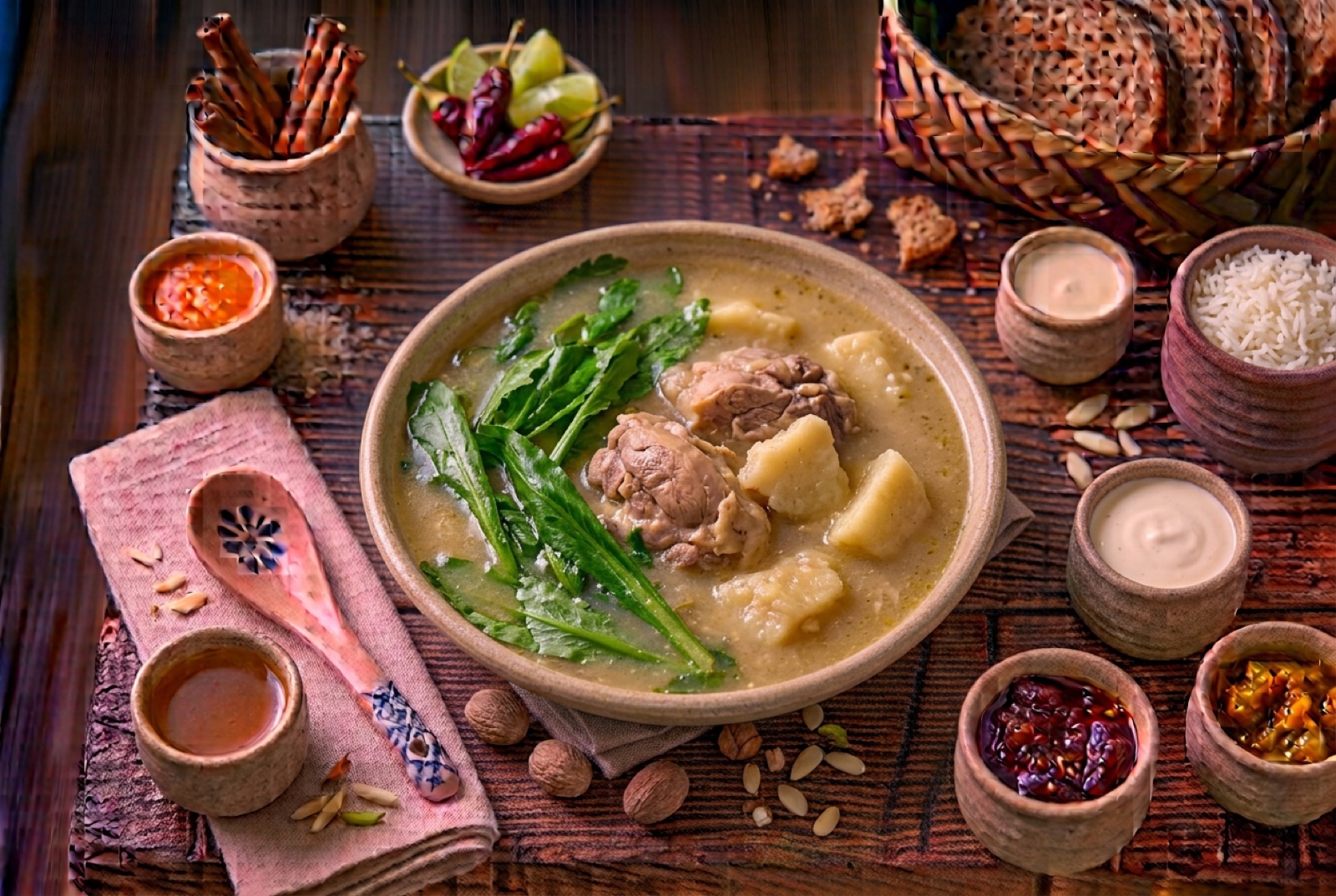
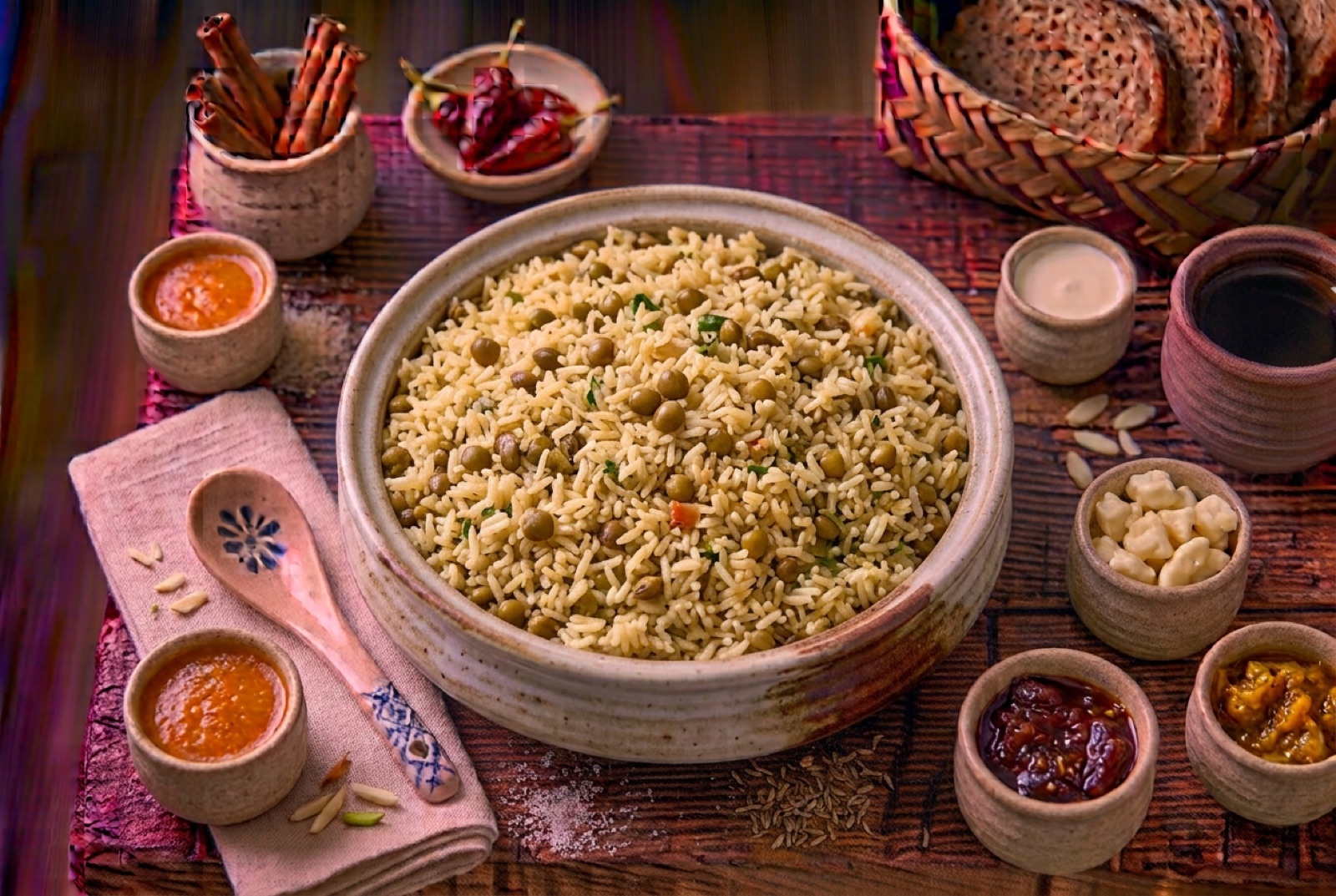
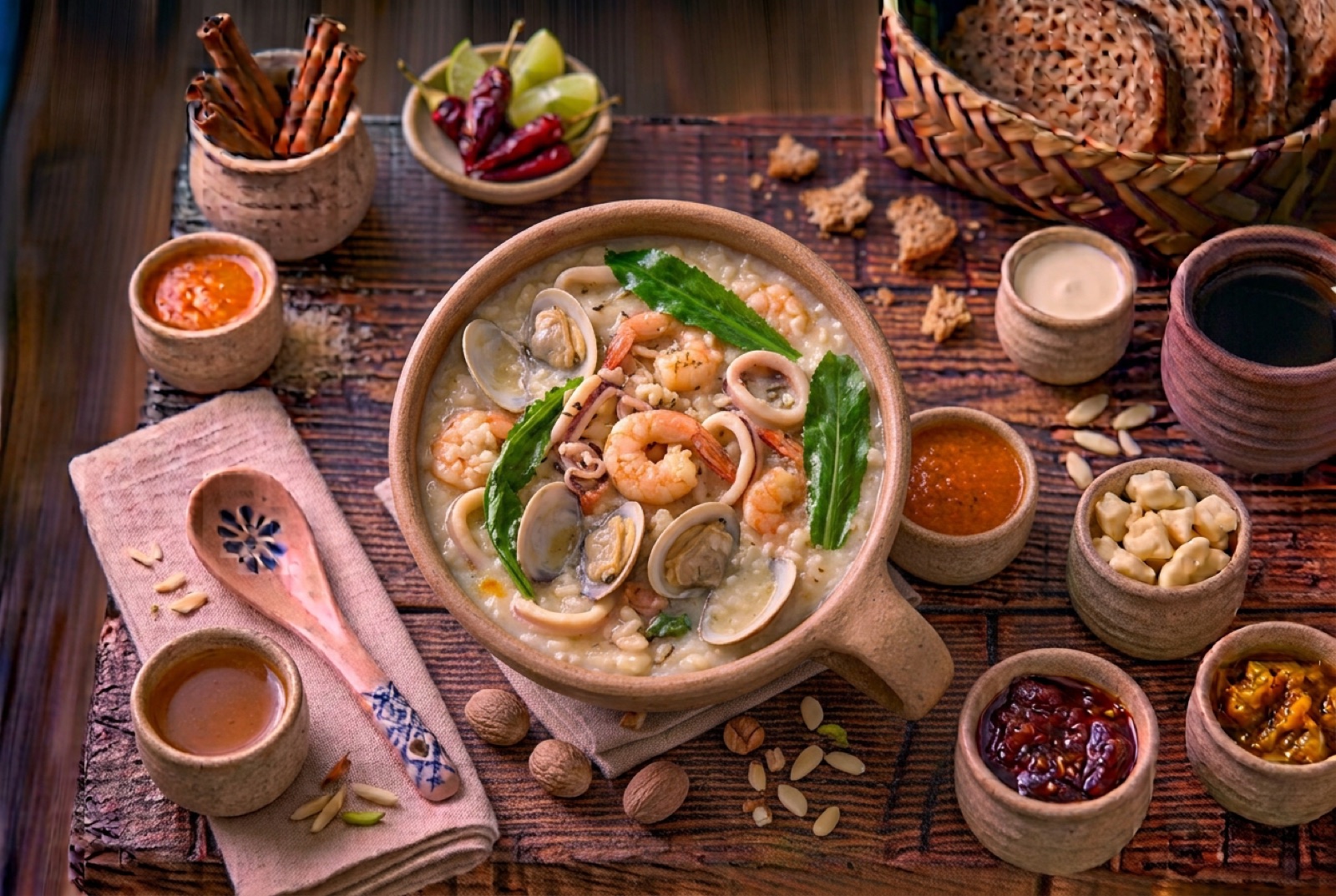
Keep exploring Panama.
Panama has 9 more dishes in the atlas — Arroz con Guandú y Coco and Carimañolas, and 7 more.
Recipe by The DishRoute Kitchen · published August 20, 2026 · updated August 20, 2026