Lebanon.
لبنان
The Lebanese table is organized around mezze — not appetizers before a meal, but the meal itself, arriving as a slow tide of small shared plates: hummus, tabbouleh, labneh, olives, pickles, warm flatbread, and grilled meat if the occasion earns it. Nobody orders an individual dish; keeping a plate to yourself is almost a category error. The flavors lean bright and green — lemon, parsley, mint, garlic and olive oil over a base of chickpeas, lentils, bulgur and bread that has fed the Levant for millennia. Two honest caveats frame everything: hospitality here is a duty, so expect to be fed past protest, and most of the famous dishes belong to the wider Levant — Syria, Palestine, Jordan — as much as to Lebanon, which has simply been their most energetic ambassador to the rest of the world.

- Continent
- AsiaLevant / Eastern Mediterranean
- Recipes in atlas
- 10
- Must-try dishes
- 3
- Pantry staples
- 8
Start with the classics.
Must tryThe dishes that explain the Lebanon kitchen fastest — if you cook only a few things from this page, cook these.
Inside the Lebanon kitchen.
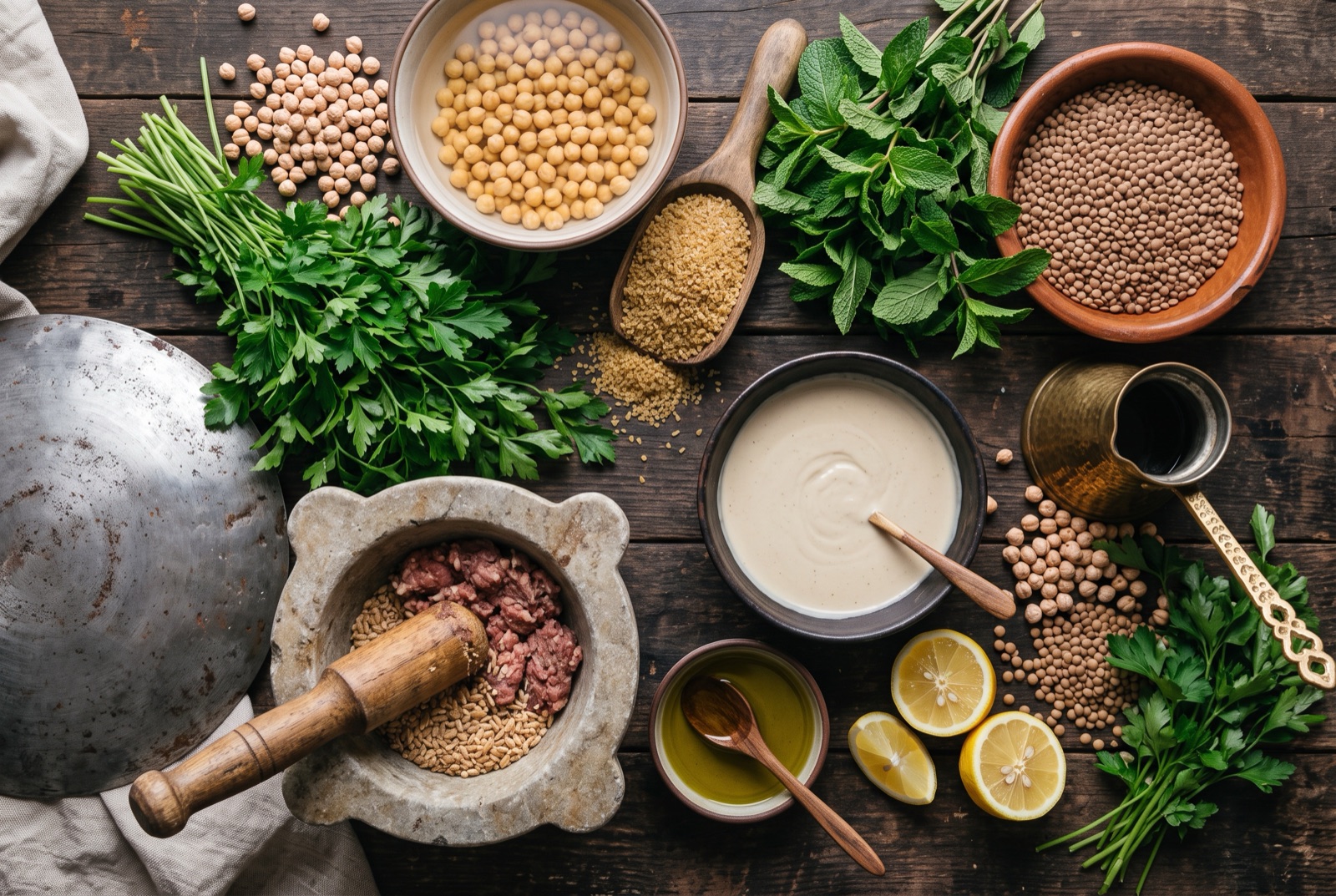
The pantry is the place to start. Legumes and grains — chickpeas, lentils, fine bulgur, rice — do the structural work, and they are dressed rather than drowned: extra-virgin olive oil and lemon juice are the default sauce of the entire cuisine. Tahini, the sesame paste, is the great enricher, whipped into hummus, thinned into tarator for fish and falafel. The herb drawer matters as much as the spice rack: flat-leaf parsley and mint are used by the bunch, as vegetables, most famously in tabbouleh. Spicing is warm and restrained — cinnamon, allspice and black pepper in the seven-spice blend, sumac for sourness, dried mint everywhere — heat is rare and always optional.
Technique is mostly patience and fire. Onions are caramelized far past golden for mujadara; kibbeh is pounded and shaped by hand; eggplant and peppers are charred until collapsed for moutabal and other smoky salads; skewered meats meet real charcoal. Dairy is preserved as much as eaten fresh: yogurt is strained into labneh, salted and rolled into balls under oil, or fermented with bulgur into kishk for winter soups. Flatbread is not a side but a utensil — torn, folded and used to scoop, so a table without bread is not yet set.
The structure of eating follows the mezze logic. A weekday lunch might be one pot — mujadara, a stew with rice — but the gathering meal is dozens of small plates ordered in loose waves: raw vegetables and olives first, then the cold mezze (hummus, tabbouleh, labneh), then hot mezze (fried kibbeh, sujuk, fatteh), and only then, maybe, the grill. Arak, the anise spirit clouded with water, is the traditional companion because it cuts garlic and oil cleanly.
On the question of ownership, honesty serves better than flag-planting. Hummus, tabbouleh, falafel and their relatives are Levantine — shared across modern borders that are younger than the dishes themselves, and claimed with equal conviction in Damascus, Jerusalem and Amman. What Lebanon indisputably contributed is reach: a huge diaspora, driven abroad by hardship over the last century and a half, opened restaurants on every continent and made the mezze table the world's shorthand for the entire region's food. The cuisine's genius is generosity of format — many dishes, one table, everyone's hands reaching in.
Signature pantry.
8 staplesThe ingredients this cuisine cannot function without.
- chickpeas
- tahini
- flat-leaf parsley
- mint
- lemon
- olive oil
- fine bulgur
- lentils
How people eat in Lebanon.
Mezze is eaten slowly and communally, over hours, with flatbread as the main utensil — tear off a piece, fold it into a scoop, and take from the shared plate nearest you. Refusing food is nearly impossible: a Lebanese host will refill your plate over your objections, and the polite surrender is to eat a little more. Lunch, especially Sunday lunch with extended family, is the anchor meal of the week and routinely runs into the evening. Arak with water and ice traditionally accompanies mezze, and the meal closes with fruit, sweets and small cups of strong coffee rather than a hurried check.
Regional kitchens.
Lebanon cooks 4 distinctly different ways depending on where you stand — here is what changes between them.
- R1Beirut
- The cosmopolitan capital where mezze culture meets street food — manoushe bakeries at dawn, shawarma and falafel stands, and restaurants that treat hummus and tabbouleh as points of civic pride.
- R2Bekaa Valley
- The fertile inland plateau that grows the country's grain, chickpeas and vegetables — and its wine and arak. Zahle, its main town, is famous across the region for riverside mezze restaurants.
- R3Mount Lebanon
- The mountain heartland of village cooking: kibbeh pounded by hand, labneh and kishk preserved for winter, and a frugal, vegetable-forward kitchen where dishes like mujadara and tabbouleh are at home.
- R4The South
- Citrus and olive country running down to the old port cities of Sidon and Tyre — fish with tahini-based sauces, orchards of lemons, and a kitchen noticeably fonder of sumac and greens.
All Lebanon recipes.
10 recipes and counting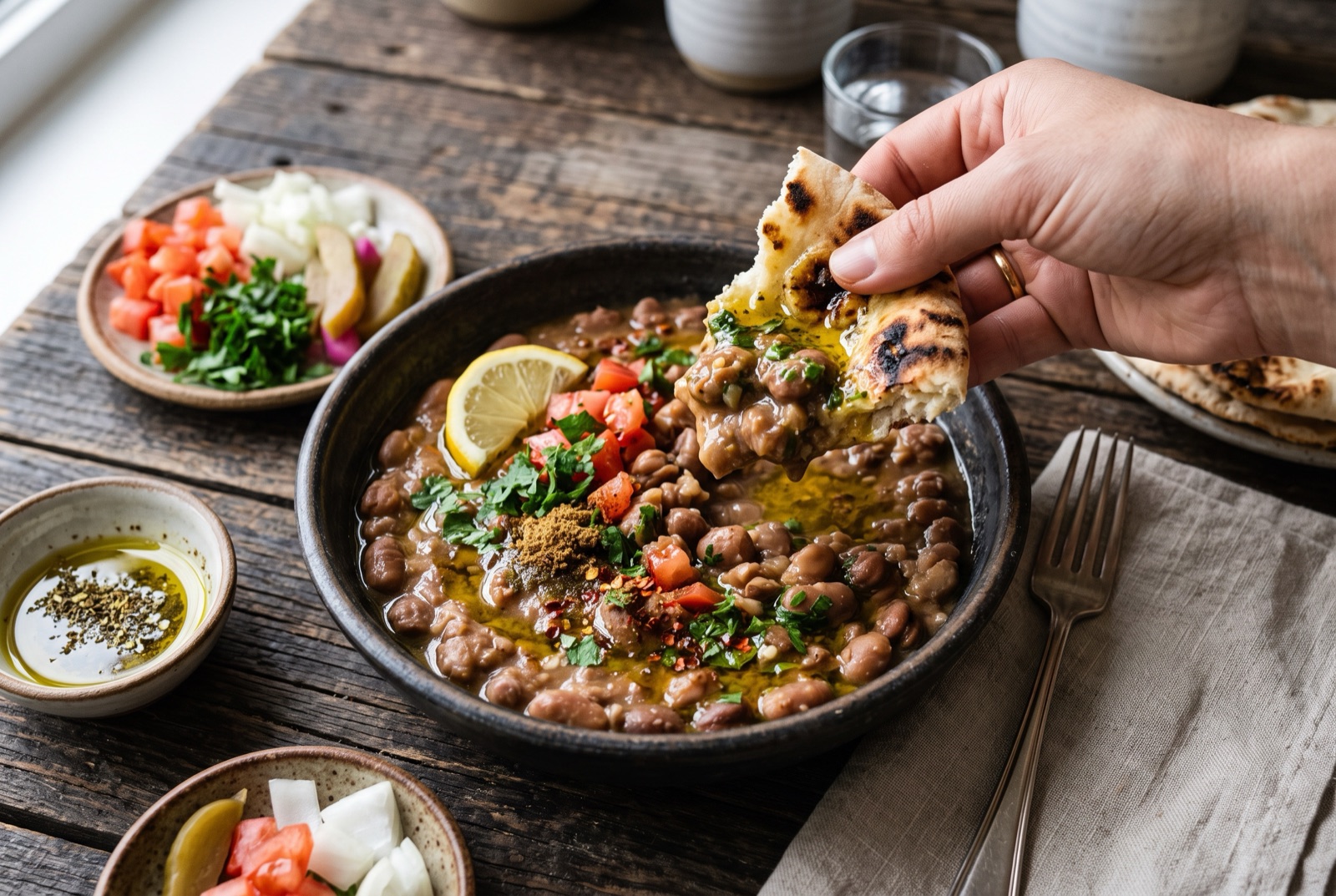
Lebanon25 min
Foul Mudammas
Warm Fava Bean Breakfast
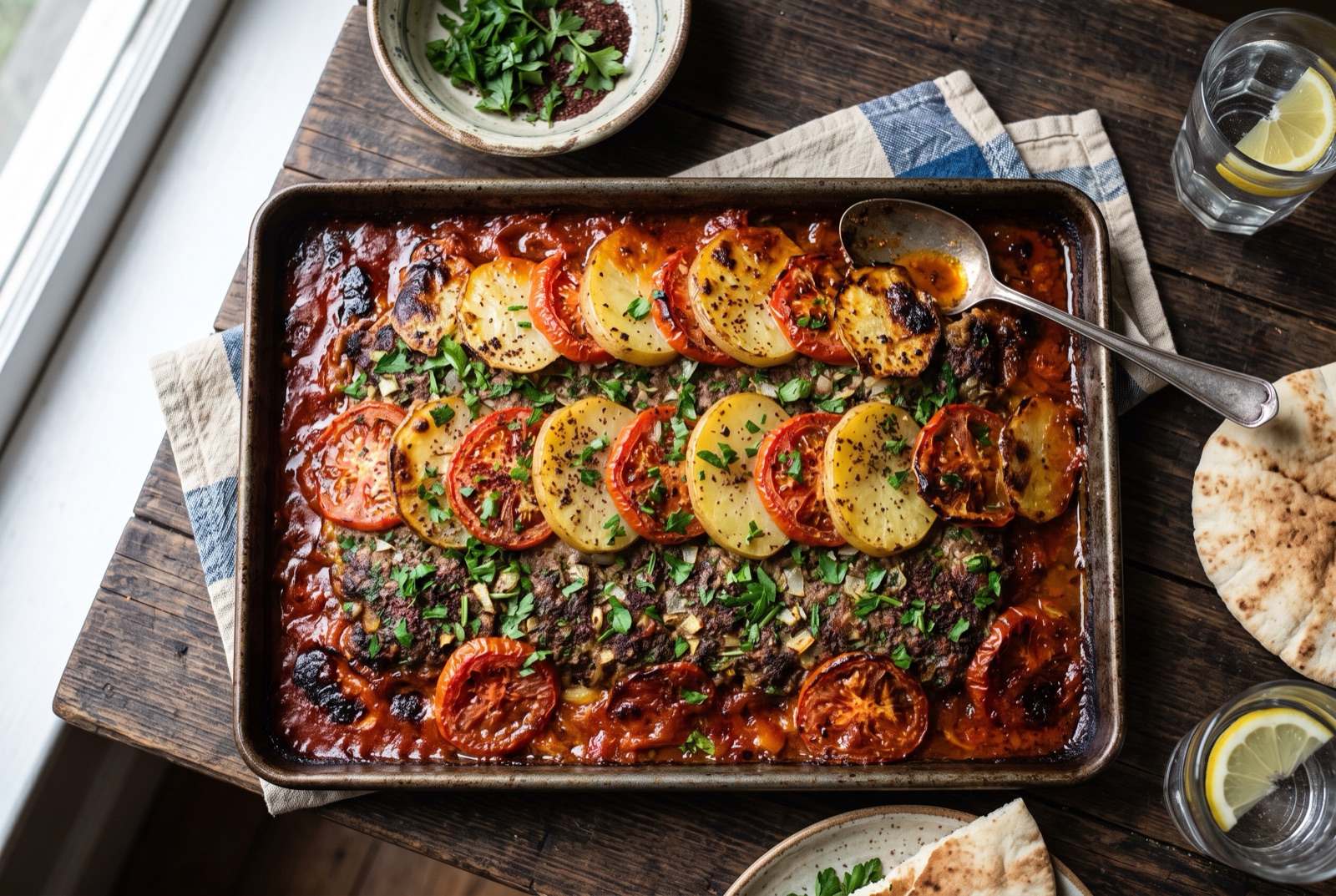
Lebanon1 hr 25 min
Kafta bil Sanieh
Lebanese Baked Kafta with Potato and Tomato
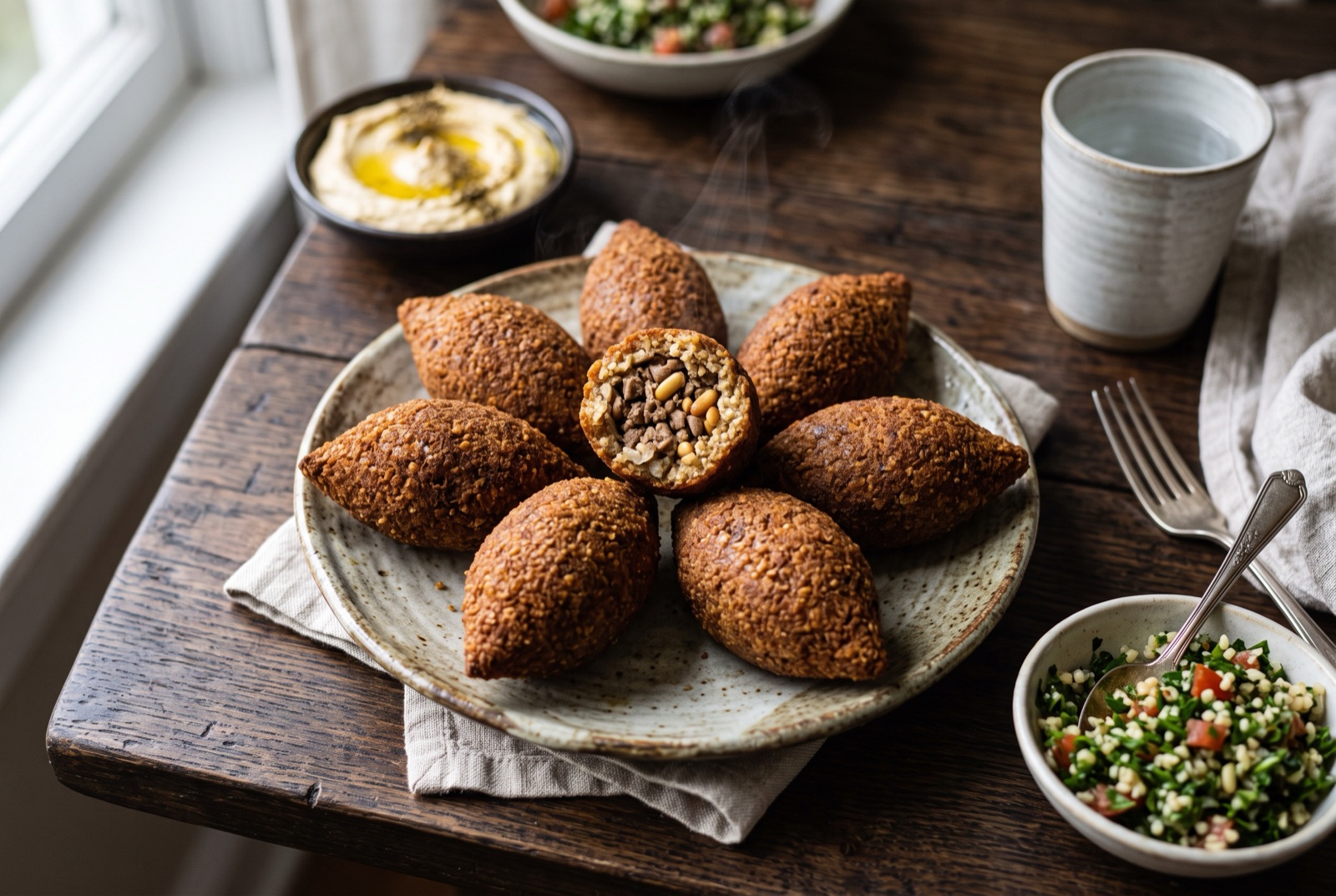
Lebanon2 hr 15 min
Kibbeh
Lebanese Stuffed Bulgur and Lamb Croquettes
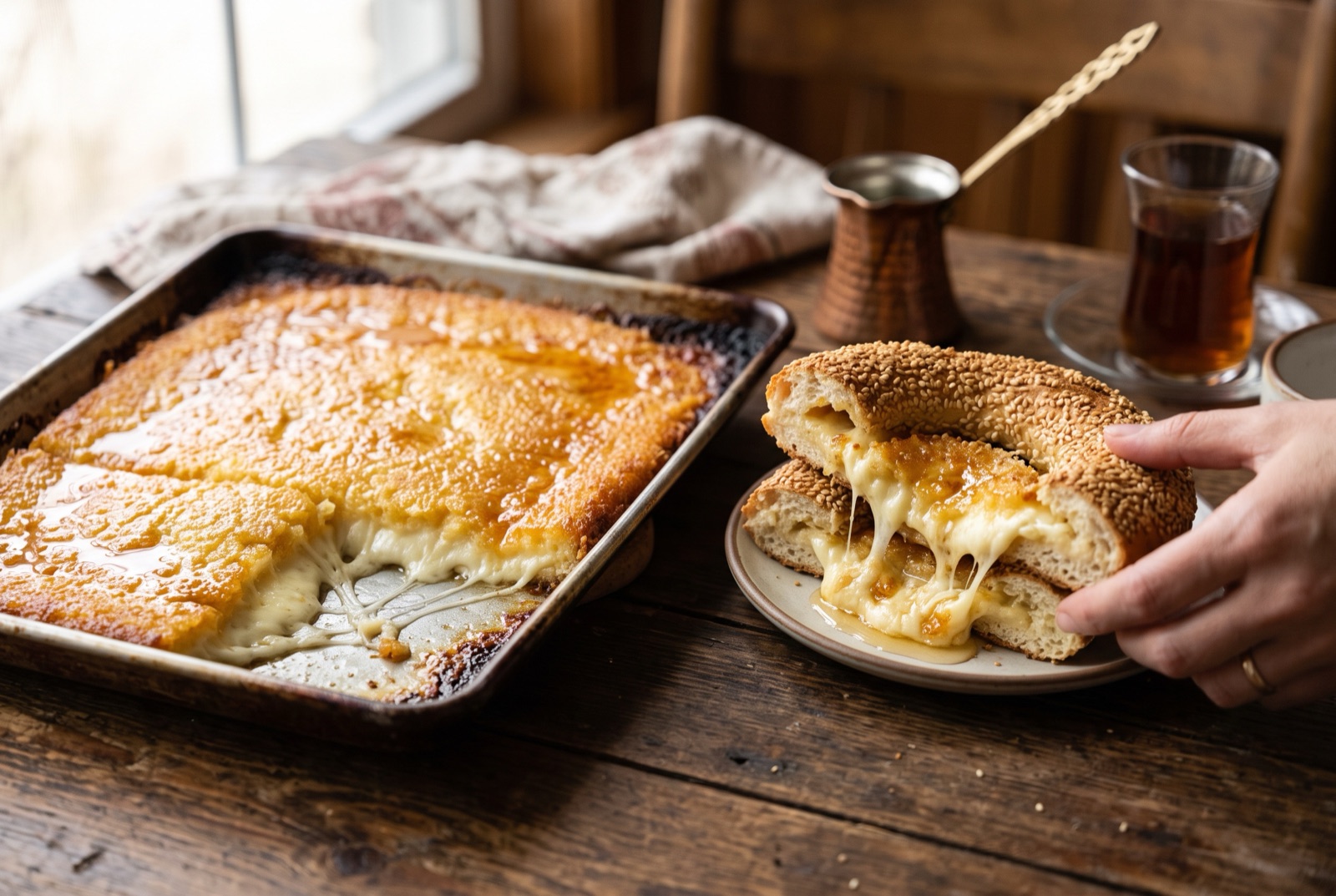
Lebanon1 hr 55 min
Knefeh
Lebanese Semolina Cheese Pastry in Syrup
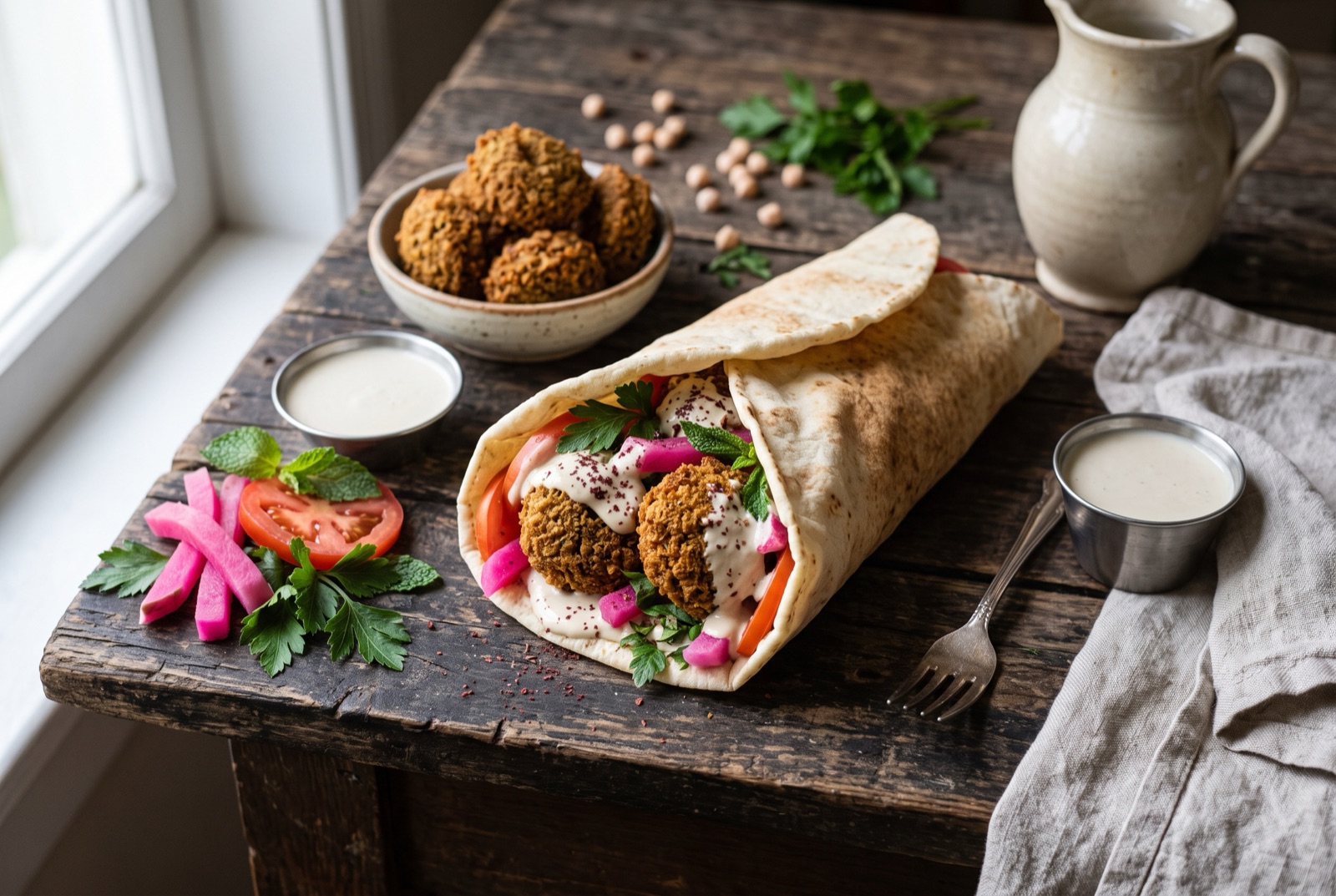
Lebanon13 hr
Lebanese Falafel
Fried Chickpea Fritters in Flatbread
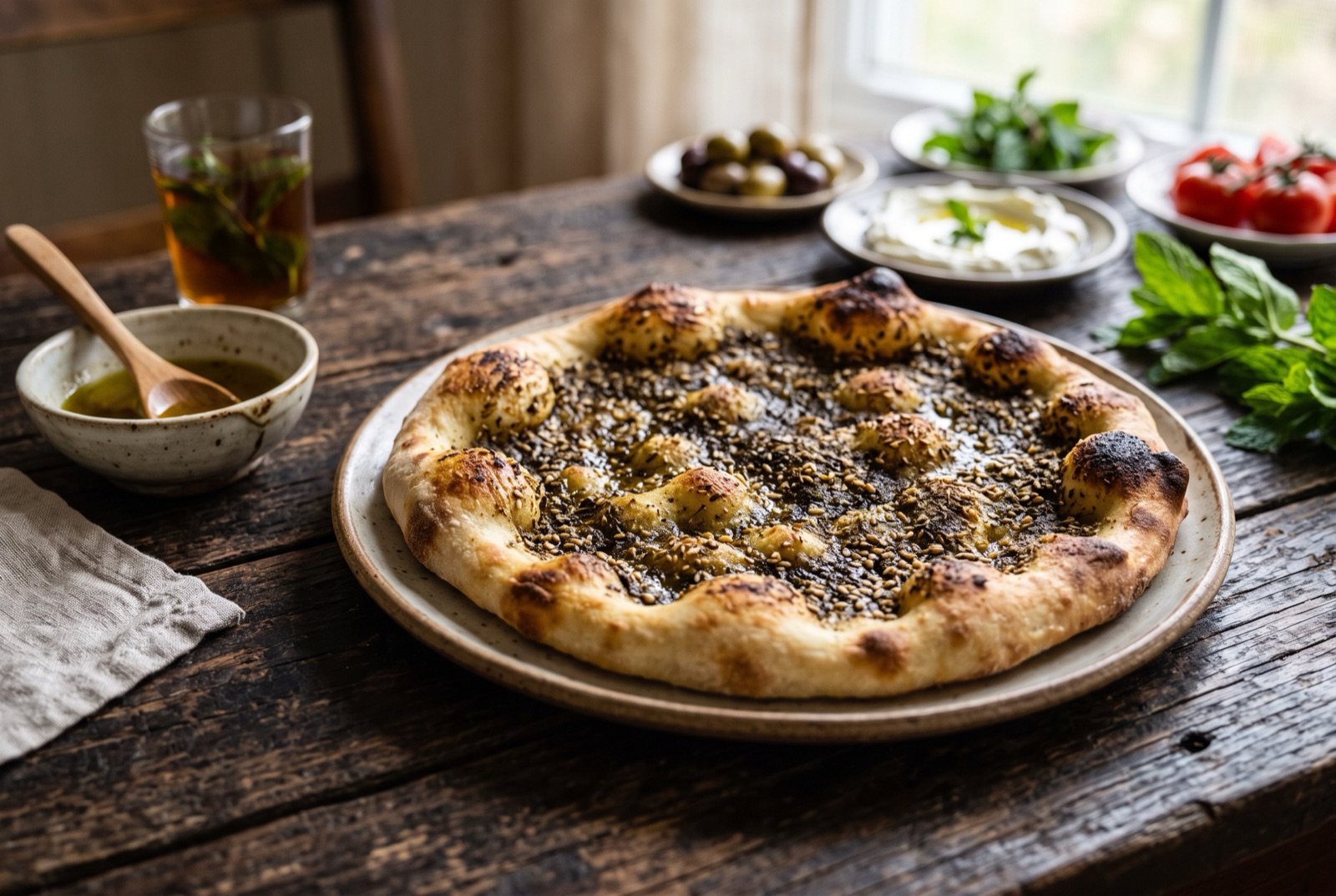
Lebanon2 hr 15 min
Manakish Za'atar
Lebanese Za'atar Flatbread
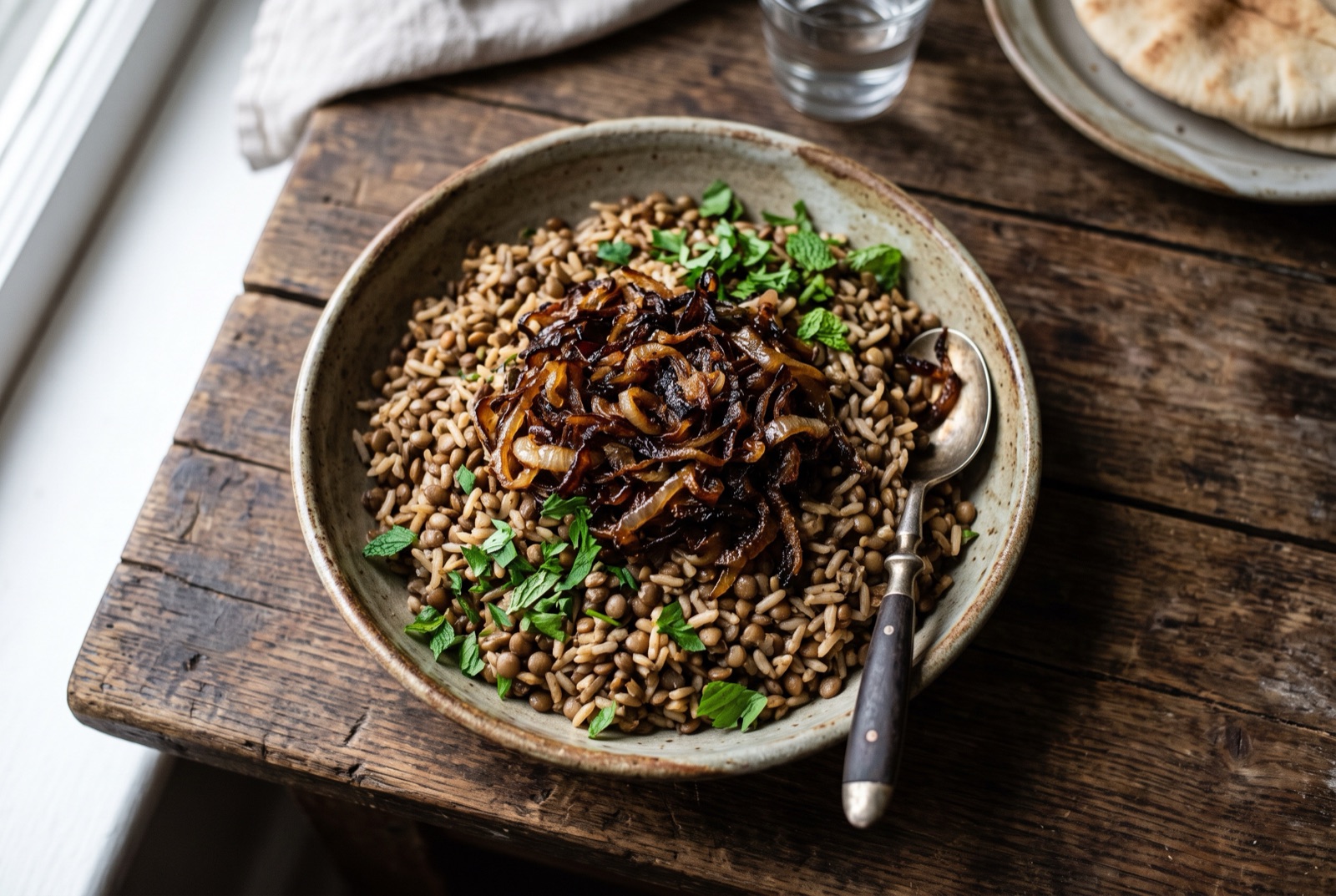
Lebanon1 hr 25 min
Mujadara
Lebanese Lentils and Rice with Caramelized Onions
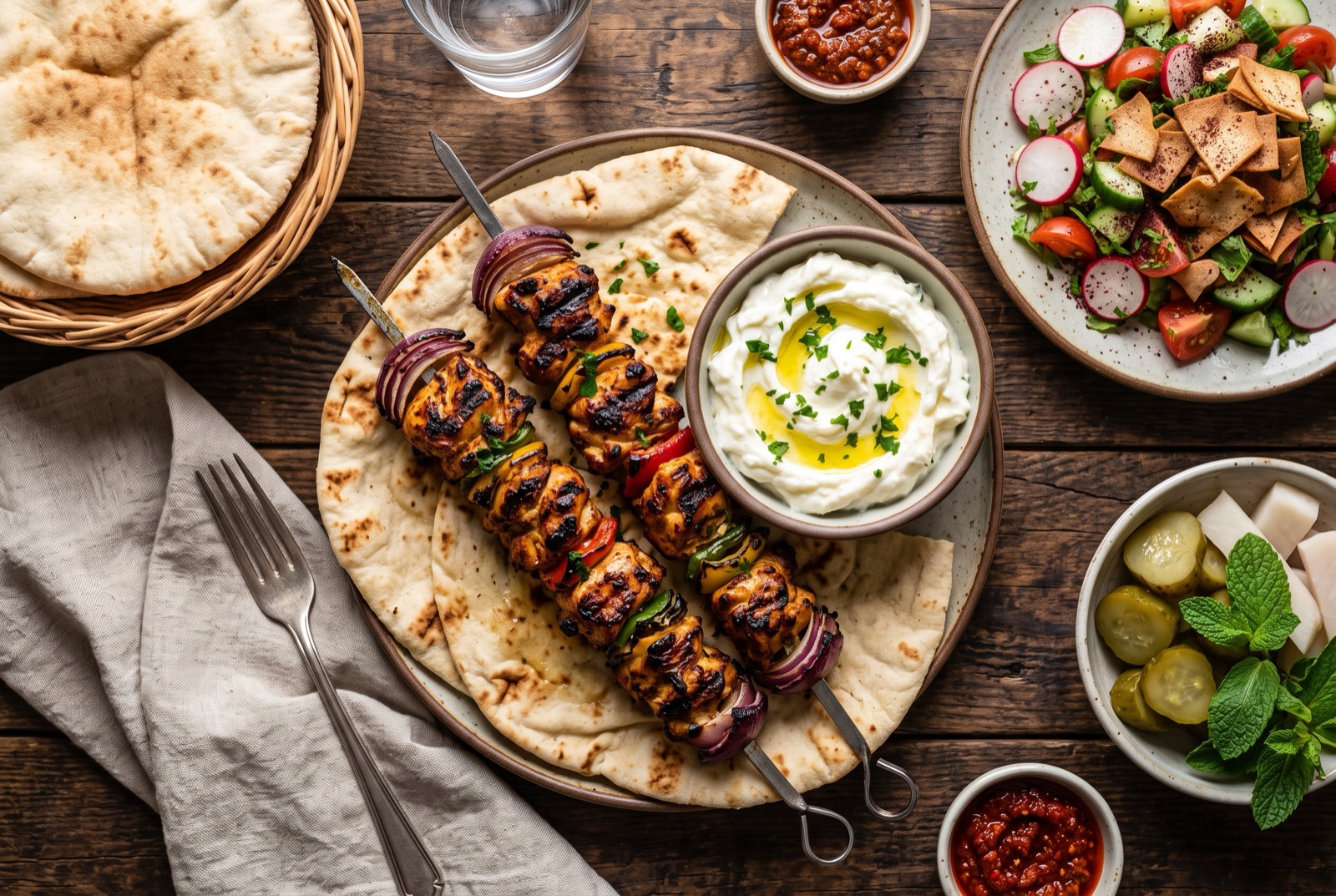
Lebanon4 hr 40 min
Shish Taouk
Lebanese Garlic-Yogurt Chicken Skewers
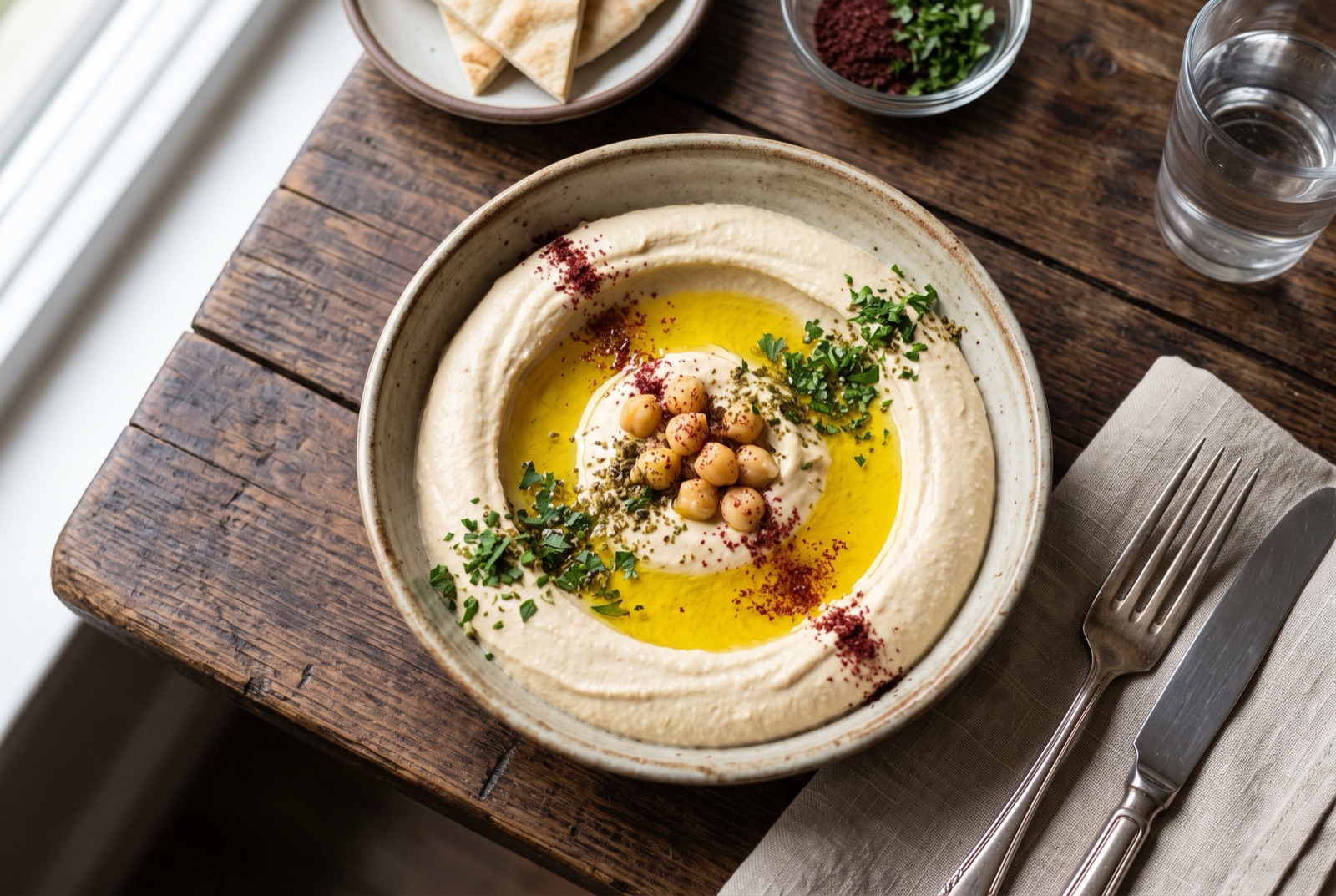
Lebanon9 hr 30 min
Silky Hummus bi Tahina
Levantine Chickpea Dip
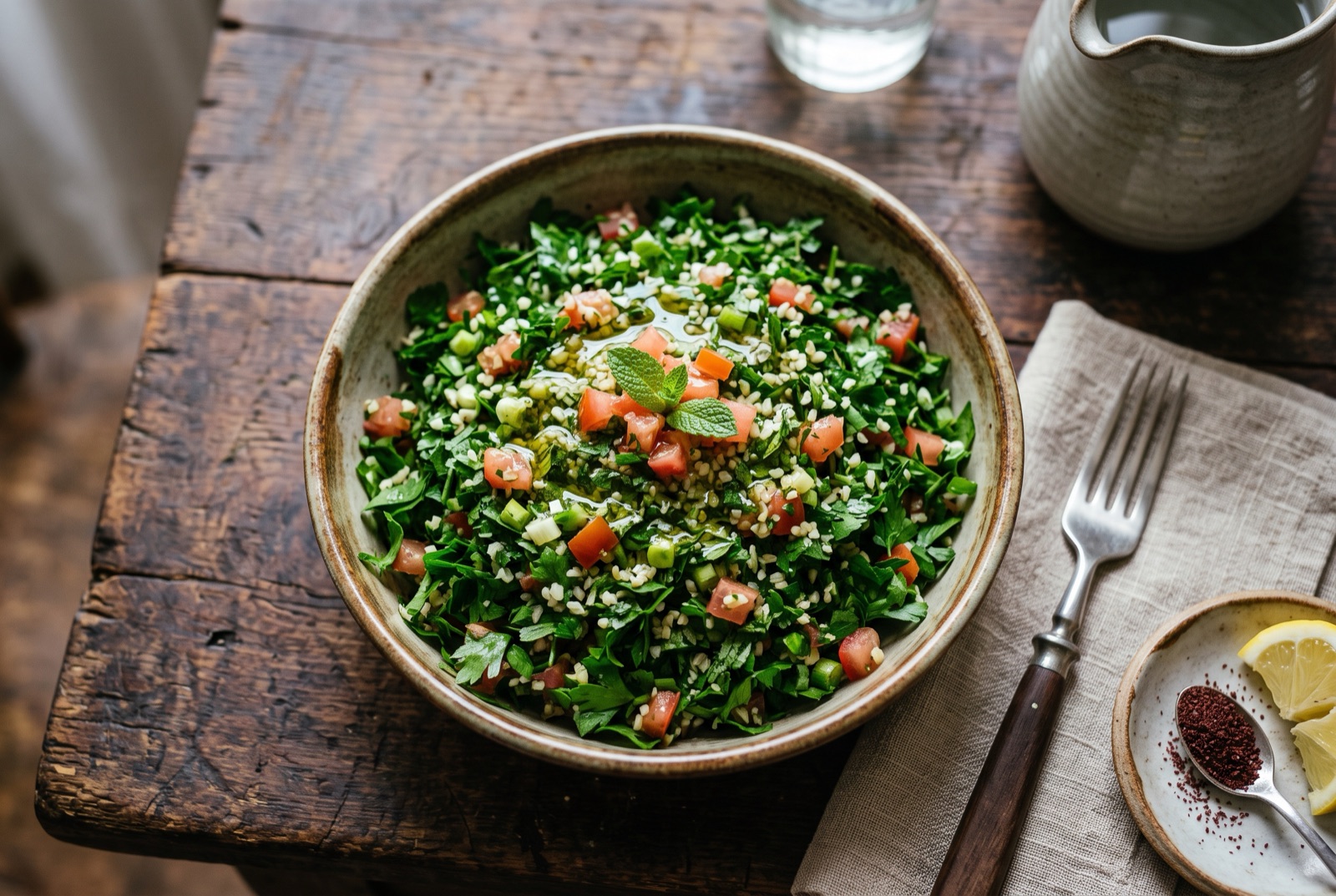
Lebanon55 min
Tabbouleh
Lebanese Parsley and Bulgur Salad
Keep traveling.
Lebanon sits in Levant / Eastern Mediterranean, and its kitchen shares borders as well as ingredients with Armenia and Bangladesh.
 Armenia
 Bangladesh