Japan.
日本
Japanese cooking is built on restraint: a short list of foundational seasonings — soy sauce, miso, mirin, sake, dashi — combined with obsessive attention to a single ingredient at its seasonal peak. Where many cuisines layer flavors upward, Japan subtracts, aiming for the point where rice, broth and one beautifully handled protein say everything. That discipline coexists with a loud, joyful street and comfort food culture: ramen shops that queue around the block, izakaya plates built for beer, convenience-store egg sandwiches with cult followings. Umami is the thread through all of it. Dashi — kelp and smoked skipjack steeped in water — delivers pure savoriness in minutes, and once you can make it, half of the home repertoire opens up. Most everyday dishes need fewer ingredients than you would guess; technique and timing do the heavy lifting.

- Continent
- AsiaEast Asia
- Recipes in atlas
- 10
- Must-try dishes
- 1
- Pantry staples
- 7
Start with the classics.
Must tryThe dishes that explain the Japan kitchen fastest — if you cook only a few things from this page, cook these.
Inside the Japan kitchen.
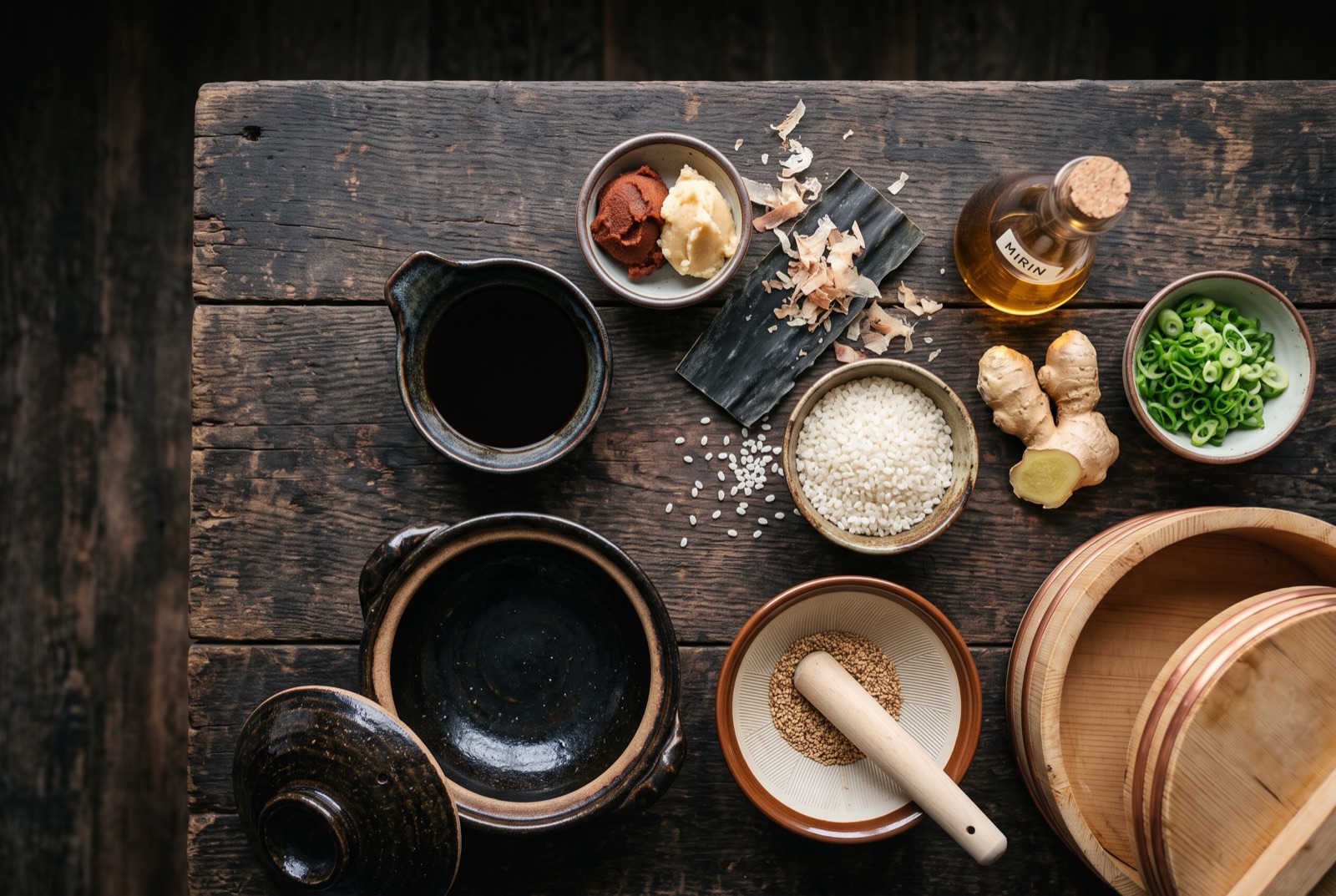
The pantry is the entry point. Soy sauce (shoyu) provides salt and depth; miso adds fermented body; mirin rounds edges with sweetness; sake deglazes and tenderizes; rice vinegar sharpens. Simmered together in varying ratios, soy, mirin and sake form the mother seasoning of home cooking — the base of teriyaki, simmered fish, donburi bowls and the tare that seasons ramen. Dashi underlies soups, sauces and simmered dishes; kombu (dried kelp) and katsuobushi (smoked, dried skipjack flakes) steep like tea, never boiled hard, and the result is a broth that tastes far bigger than its ten-minute effort.
Rice is the structural center of the meal. Short-grain japonica rice, washed until the water runs nearly clear and cooked measured, is the default against which everything else is a side dish — the word for cooked rice, gohan, doubles as the word for meal. Noodles form the parallel track: buckwheat soba served cold with dipping sauce, thick chewy udon in hot broth, and ramen, the Chinese-born wheat noodle that Japan adopted and elevated into a national obsession with fierce regional styles, from Sapporo miso ramen to Hakata tonkotsu.
Technique favors precision over force. Grilling (yakitori, fish) is done close and hot with careful basting; simmering (nimono) is gentle and measured; frying is thin-battered and fast — tempura at its best is a whisper of crunch. Knife work matters because so much is served raw or barely cooked; the freshness culture around sashimi shaped the entire supply chain of the country.
Meals are assembled, not plated: a bowl of rice, a bowl of miso soup, a main and two or three small sides is the classic ichiju-sansai pattern. Pickles (tsukemono) appear at nearly every meal as punctuation. Seasonality is not a restaurant affectation but a home habit — bamboo shoots in spring, cold noodles in summer, hot pots in winter — and menus quietly rotate with the calendar.
Signature pantry.
7 staplesThe ingredients this cuisine cannot function without.
- soy sauce
- miso
- dashi (kombu and katsuobushi)
- short-grain rice
- mirin
- ginger
- scallions
How people eat in Japan.
Meals open with "itadakimasu" (roughly: I gratefully receive) and close with "gochisousama" — small rituals of thanks said even when eating alone. Chopstick etiquette carries real weight: never stand them upright in rice or pass food chopstick-to-chopstick, as both echo funeral rites. Slurping noodles is not rude; with ramen and soba it is expected, cooling the noodles and carrying aroma. Rice bowls are lifted toward the mouth. Pouring your own drink in company is mildly frowned on — you pour for others, and they pour for you.
Regional kitchens.
Japan cooks 4 distinctly different ways depending on where you stand — here is what changes between them.
- R1Kanto (Tokyo)
- Stronger soy-forward seasoning, the home of nigiri sushi as fast food, and the historical cradle of shoyu ramen — clear chicken-and-soy broths that define the classic Tokyo bowl.
- R2Kansai (Osaka, Kyoto)
- Lighter, dashi-driven seasoning and Japan's comfort-food capital: okonomiyaki and takoyaki in Osaka's street culture, refined temple-influenced kaiseki traditions in Kyoto.
- R3Hokkaido
- The northern island of dairy, corn, seafood and cold winters — birthplace of miso ramen in Sapporo, often finished with butter and sweetcorn.
- R4Kyushu
- Home of Hakata tonkotsu ramen: pork bones boiled hard for days into an opaque, creamy broth, served with thin straight noodles and firm-noodle refills (kaedama).
All Japan recipes.
10 recipes and counting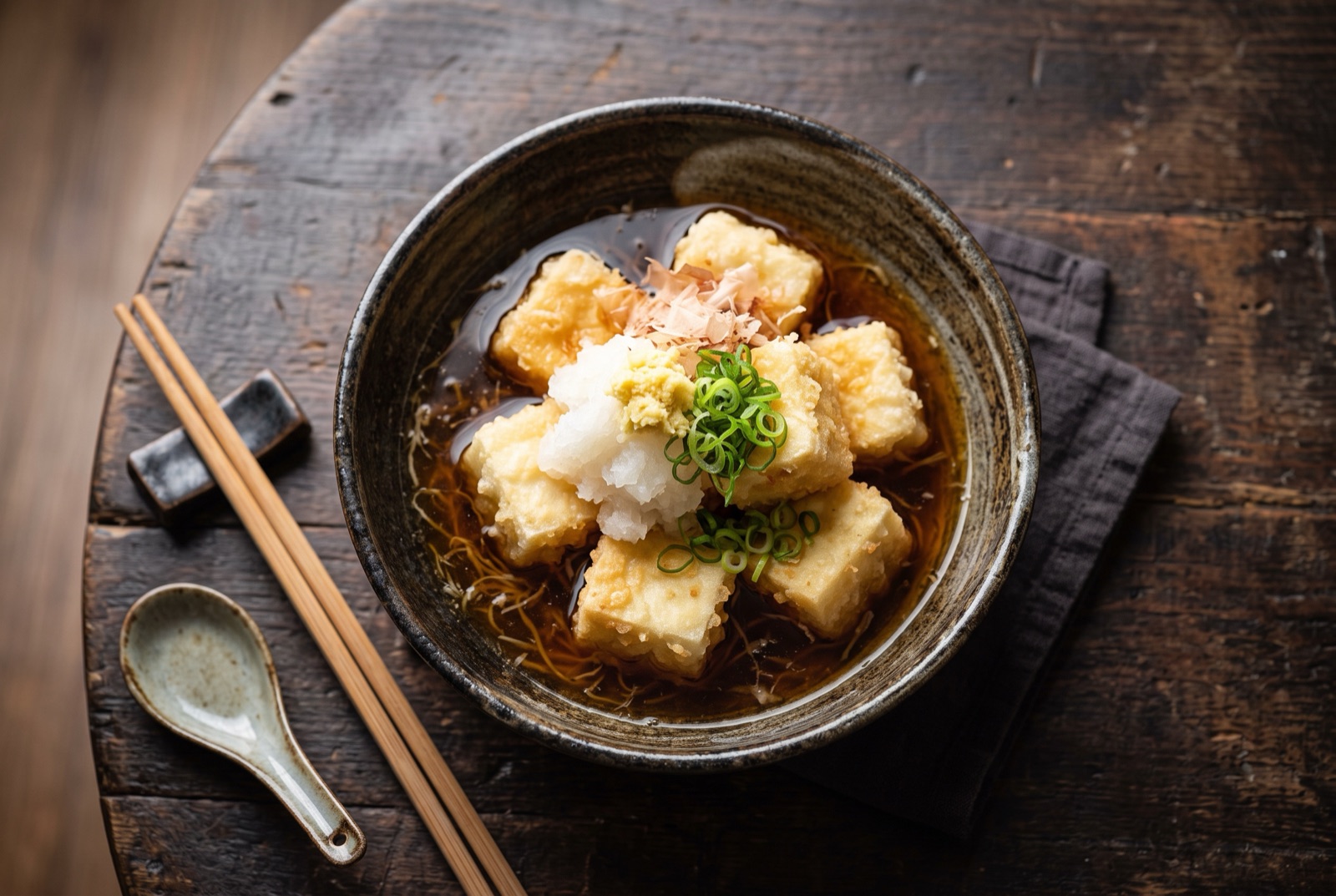
Japan1 hr 5 min
Agedashi Dofu
Crisp Fried Tofu in Dashi Broth
Japan30 min
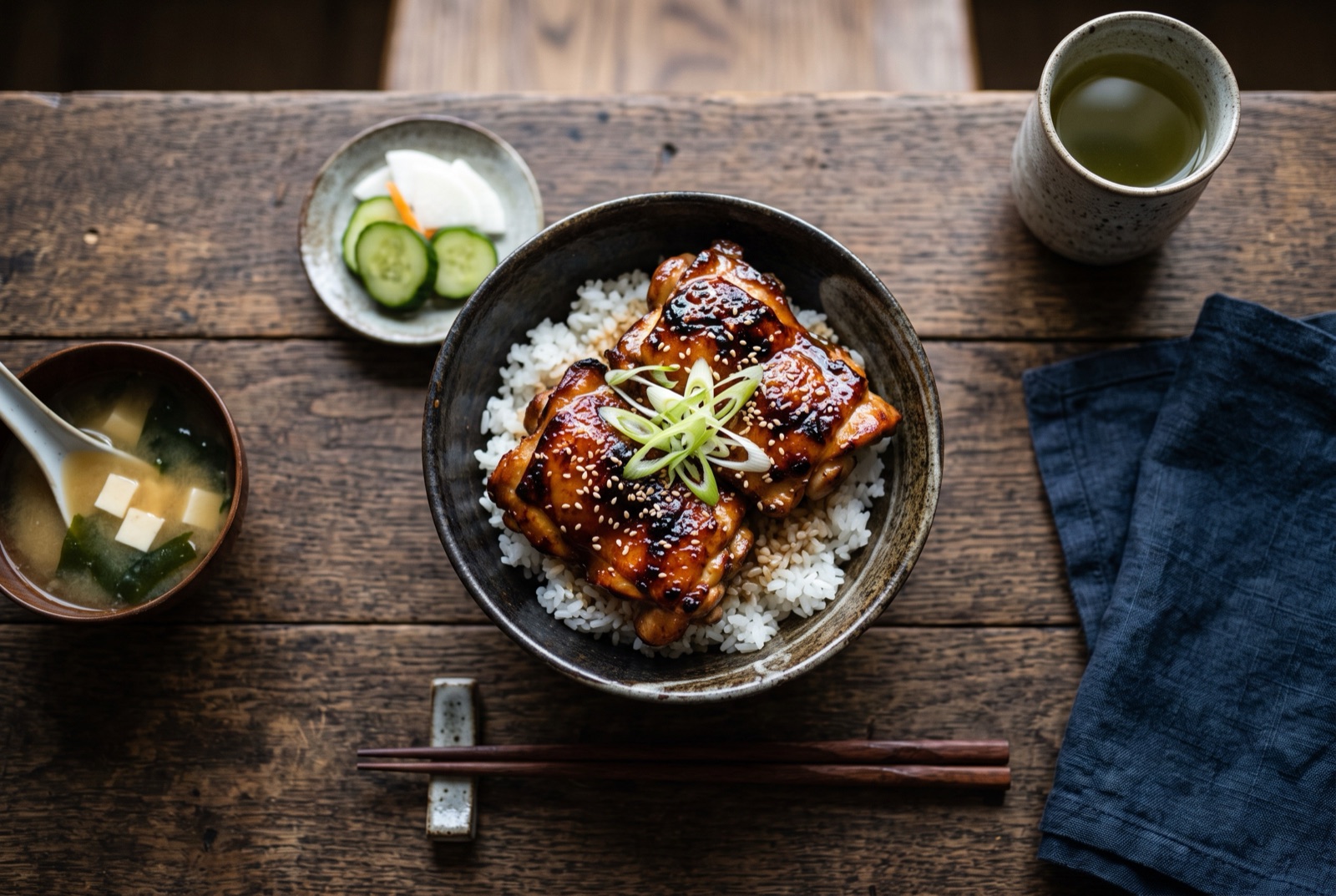
Chicken Teriyaki
Pan-Glazed, No Bottled Sauce
Japan1 hr 15 min
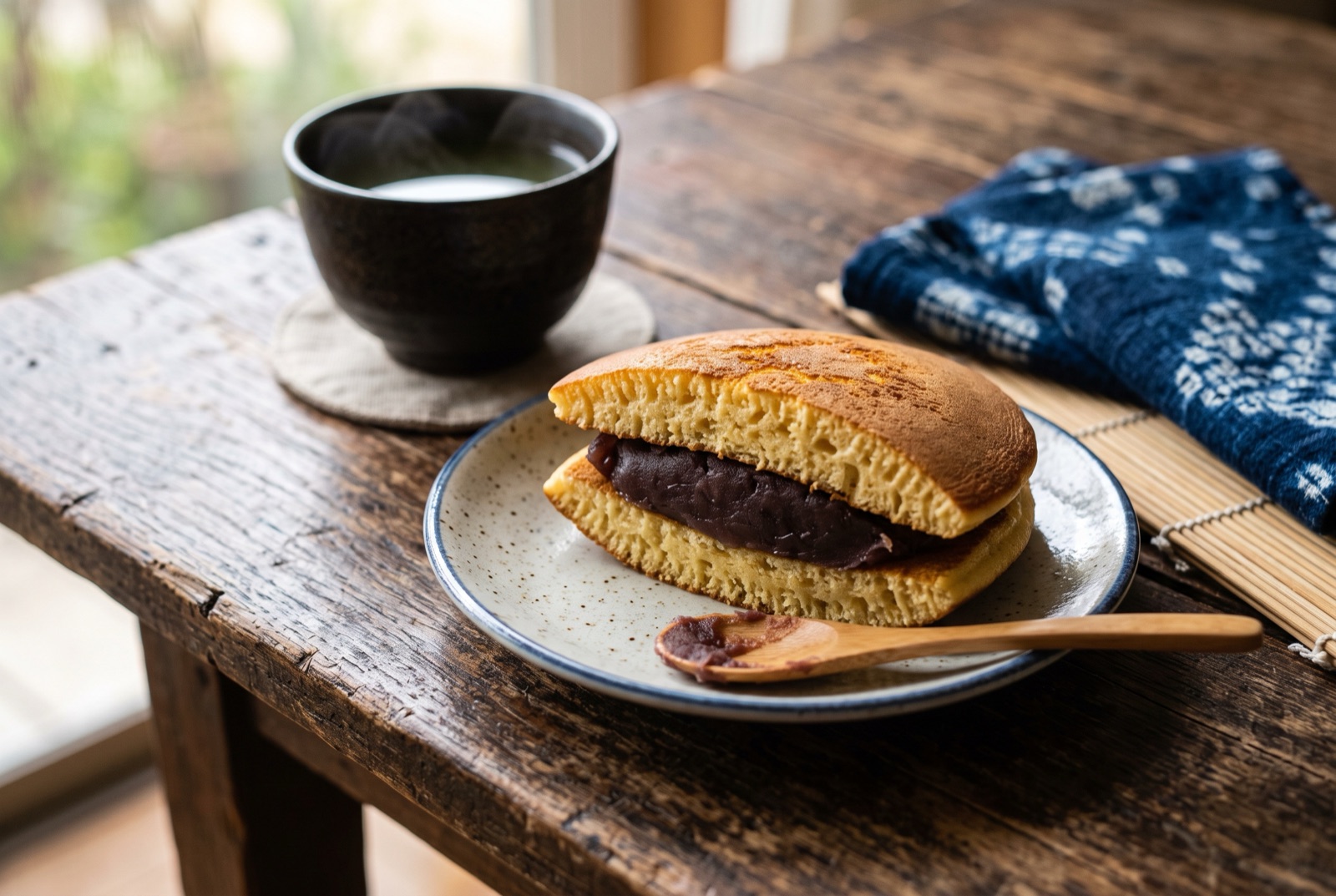
Dorayaki
Honey Pancakes with Red Bean Filling
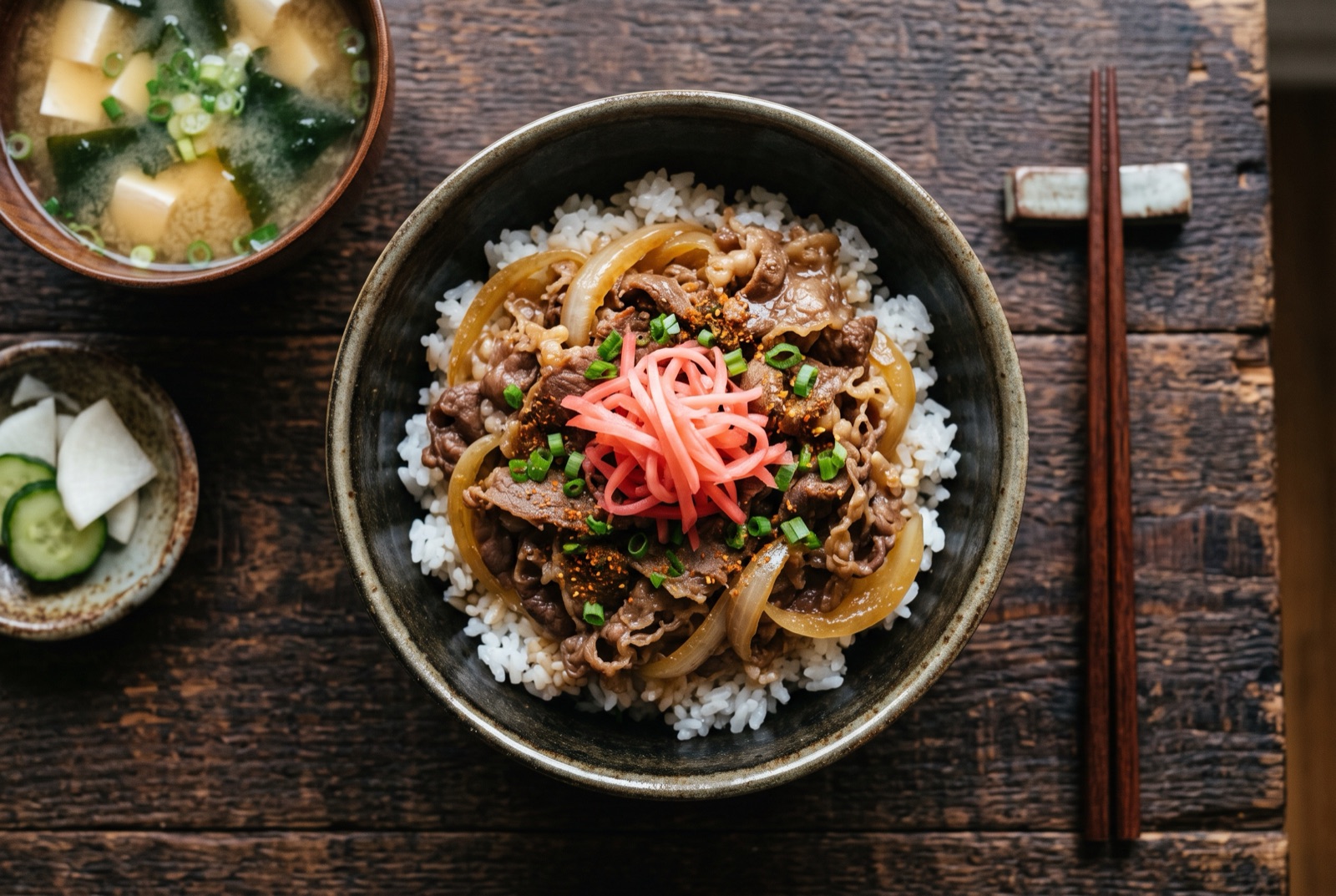
Japan25 min
Gyudon
Japanese Beef and Onion Rice Bowl
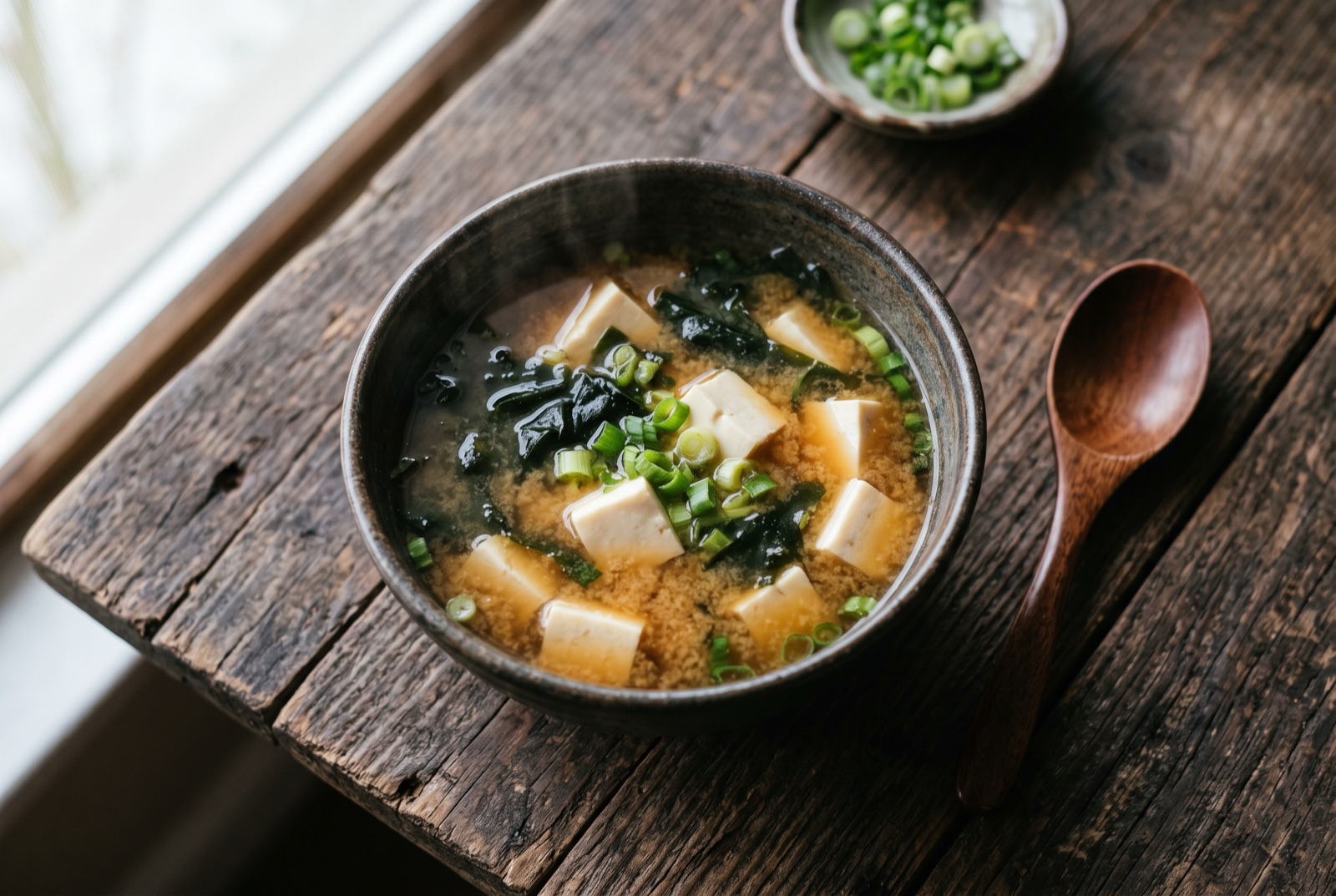
Japan25 min
Miso Soup with Dashi from Scratch
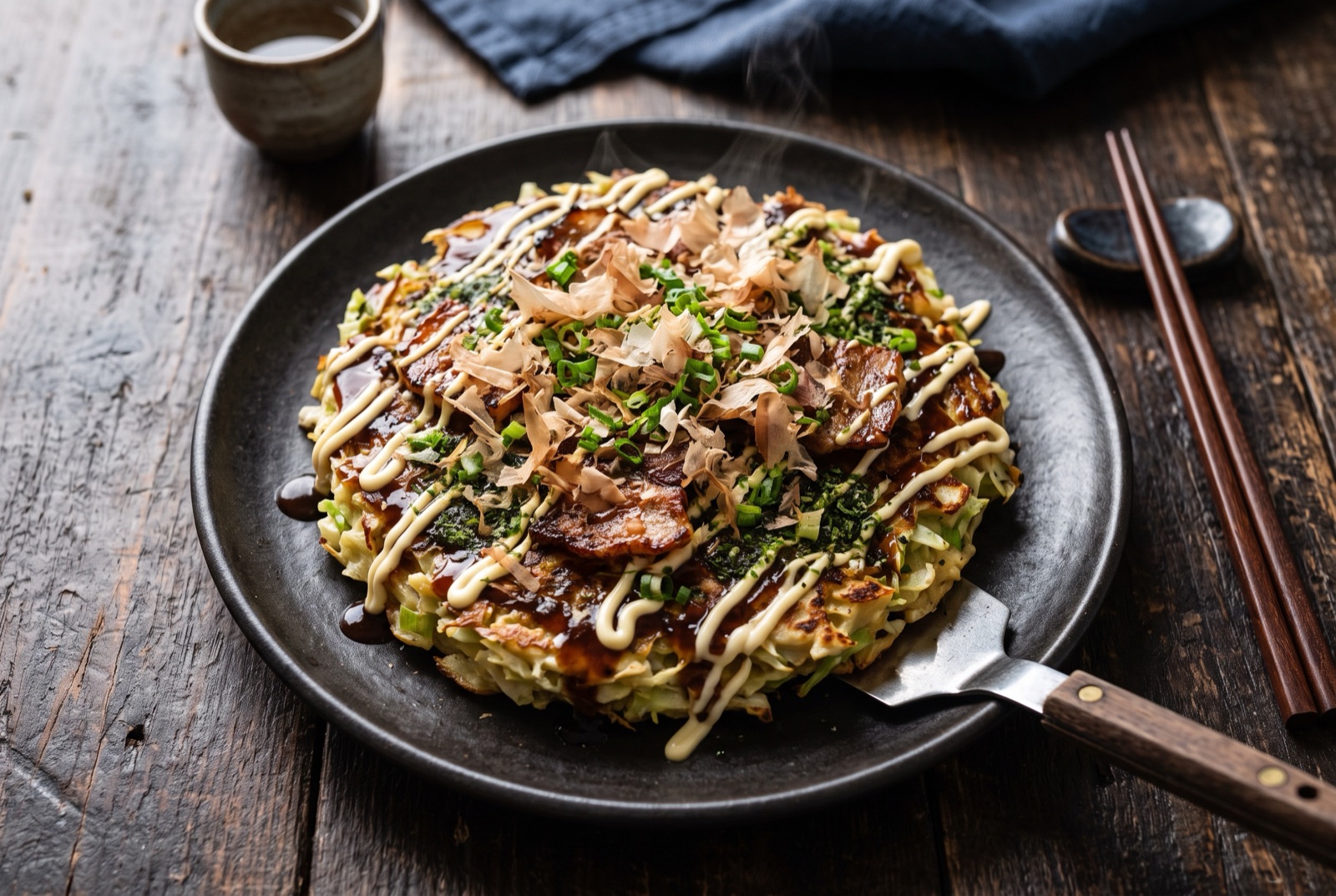
Japan55 min
Okonomiyaki
Osaka Savory Cabbage Pancake
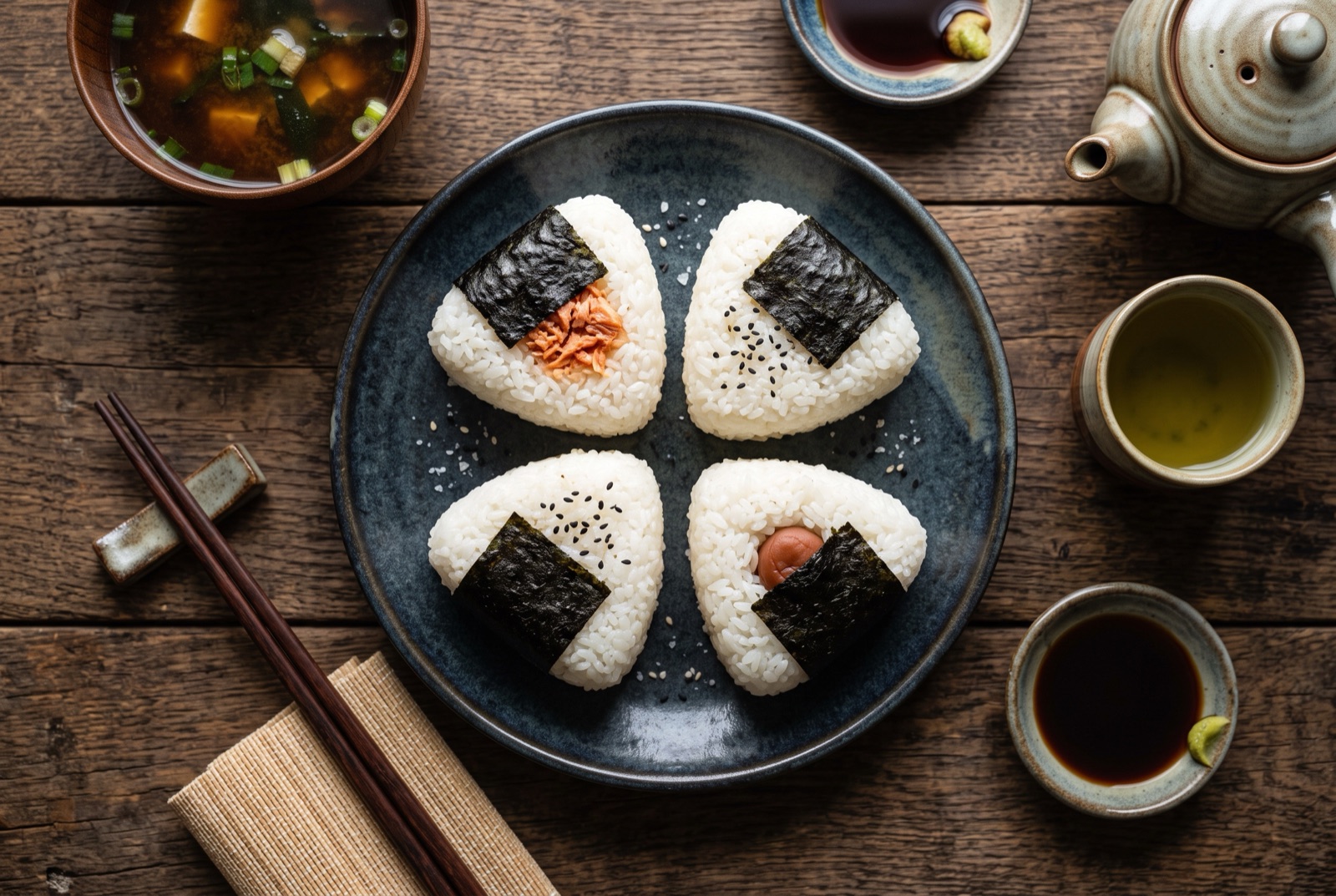
Japan50 min
Onigiri
Japanese Salted Rice Balls with Nori
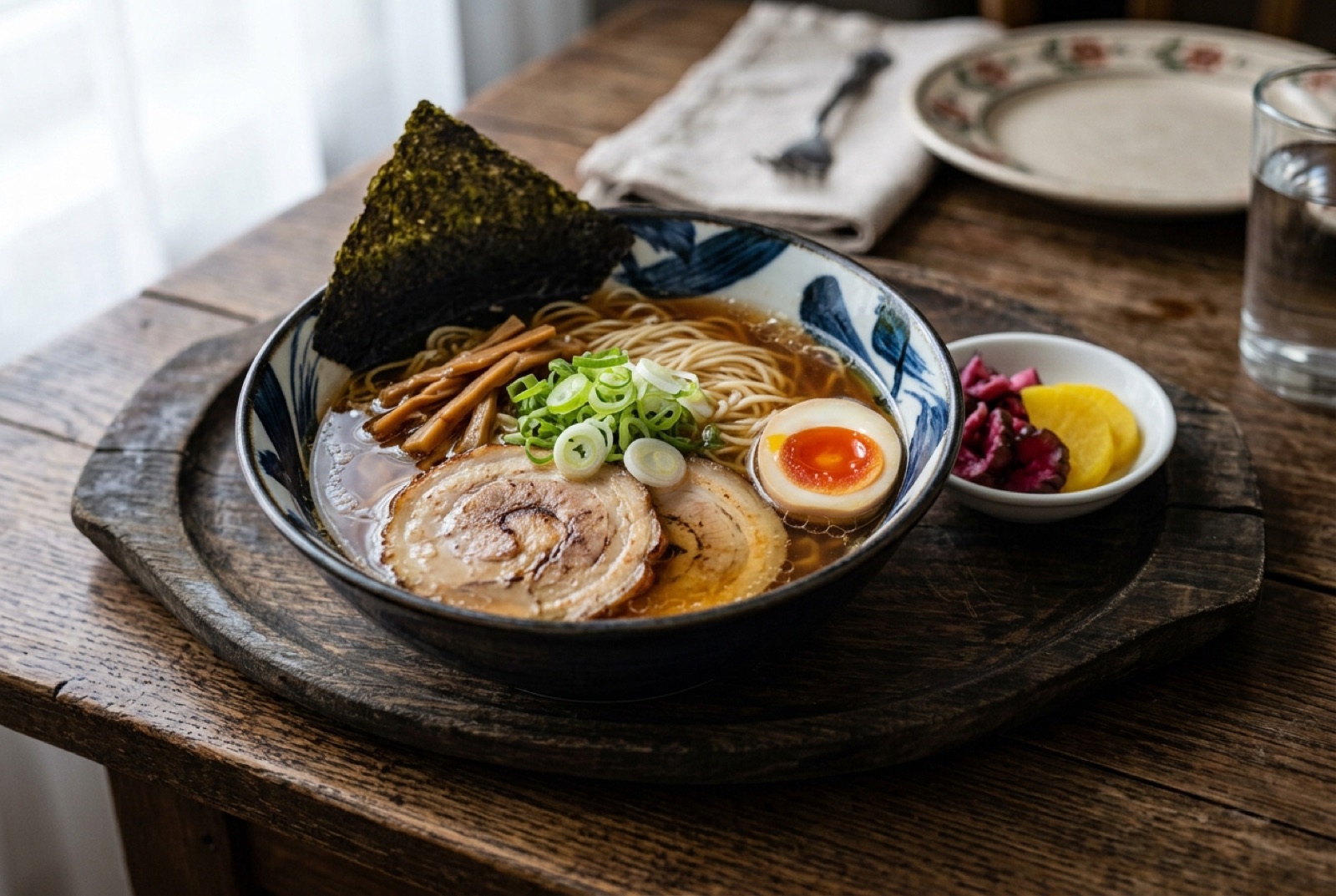
Japan6 hr 30 min
Shoyu Ramen
Tokyo-Style Soy Sauce Ramen
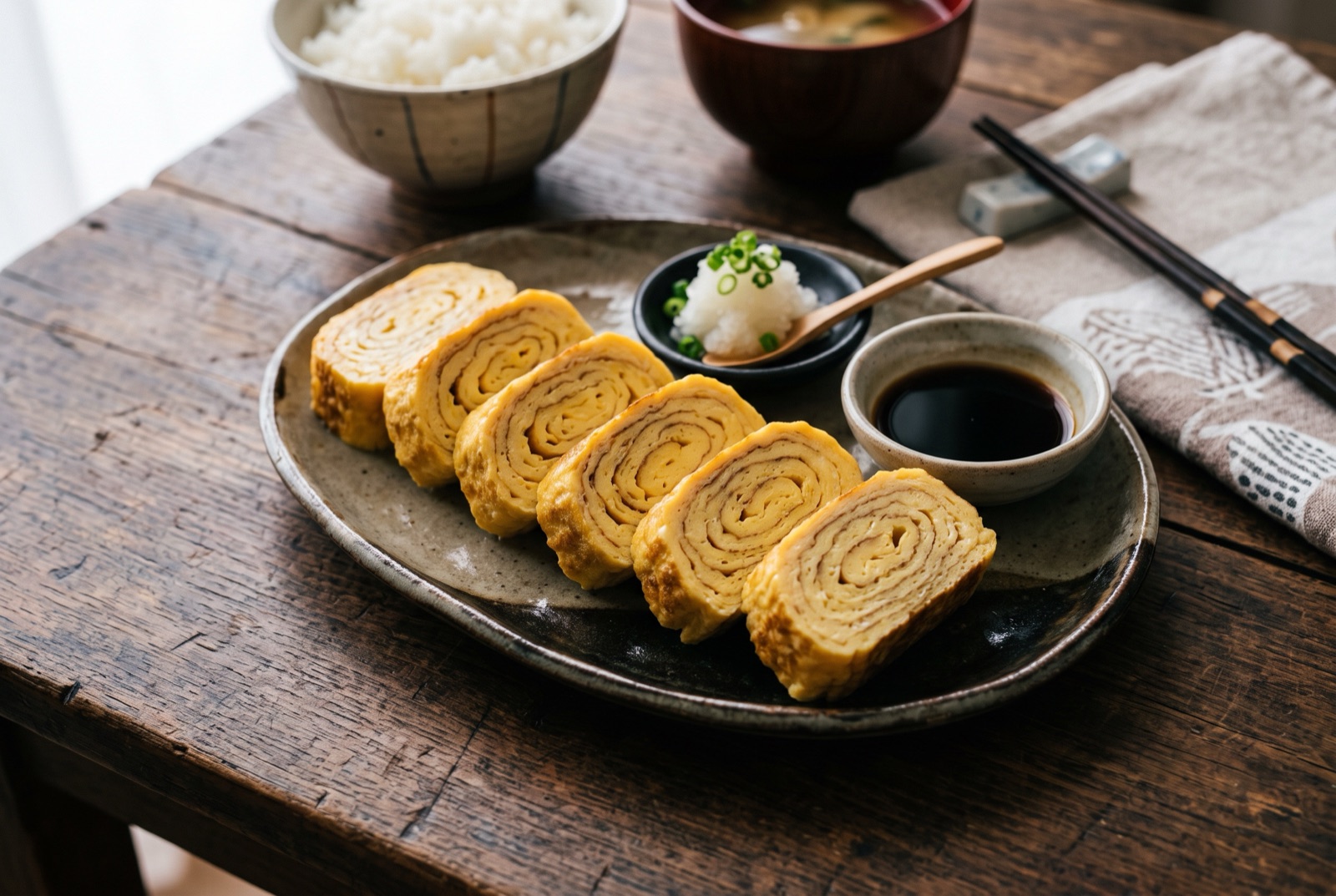
Japan30 min
Tamagoyaki
Japanese Rolled Layered Omelette
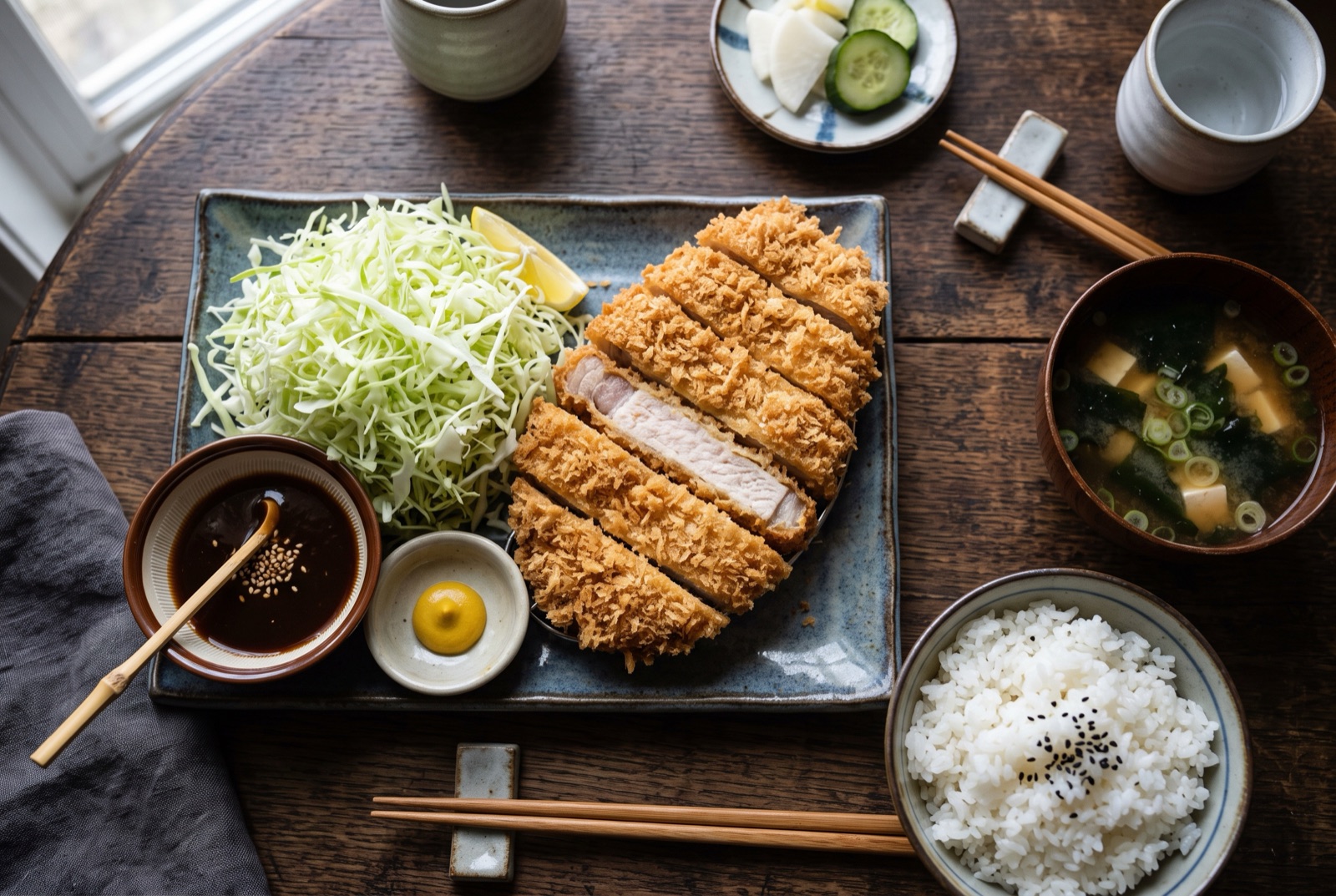
Japan50 min
Tonkatsu
Japanese Panko Pork Cutlet
Keep traveling.
Japan sits in East Asia, and its kitchen shares borders as well as ingredients with Armenia and Bangladesh.
 Armenia
 Bangladesh